“Funeral in my Brain” by Black Duck Featuring Elena Setién Has a Song Arc From Dark Cabaret to Gospel Jazz

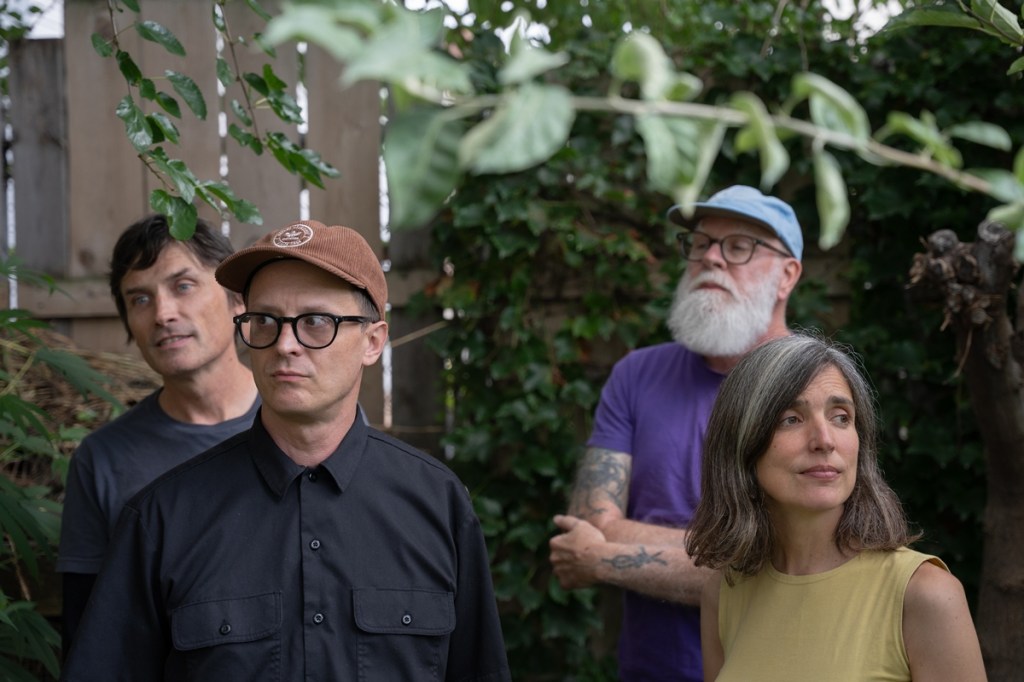
Black Duck and Elena Setién, photo by Mike Boyd

Chicago-based trio Black Duck teamed up with Basque vocalist Elena Setién for their new album Black Duck with Elena Setién (out August 28, 2026 via Thrill Jockey). The final single before the album release was “Funeral in my Brain.” With Setién singing like someone in a post-techno-apocalypse cabaret and hushed synth and percussion accompaniment and hovering drones floating through in cycling resonances the song takes on the character of late 60s Peggy Lee doing a song for a David Lynch film. There is something elegan and mysterious about the song and in the end it takes on the warmth of a modern jazz pop song with what sounds like a Wurlitzer electric piano adding a lightly psychedelic touch to the outro so that the strangeness of the first part of the song gives way to a comforting almost gospel denouement. Listen to “Funeral in my Brain” on Spotify and follow Black Duck on Instagram.


Koen Holtkamp Orchestrates a Perfect Synthesis of Visuals and Sound on Post-Rock Jazz Single “Slow Fox Run”

Koen Holtkamp, photo courtesy the artist

The music video for Koen Holtkamp’s “Slow Fox Run” is like a visual representation of the rhythm and tonal vectors of a song slowly developing from percussive tones later joined by minimal, brushed drums and introspective saxophone. The complexity of the sounds slowly develops along with the streaking motes of colored lights in the video at times bursting as the dynamics of the song do. It’s a seamless blend of visuals and sound and musical ideas that complement each other perfectly like the fusion of jazz, post-rock and electronic composition aesthetics that seem to underpin the song itself. Fans of Chicago post-rock groups like Tortoise and Sea and The Sea and Cake will appreciate the creative detail and flow of sounds present here. Watch the video for “Slow Fox Run” on YouTube and follow Koen Holtkamp at the links below. His new album Nightlife is out October 9, 2026 via Western Vinyl.

Koen Holtkamp on Instagram

Koen Holtkamp on Bandcamp

Jules Reidy’s “Clerestory Windows V” is a Masterful Arc of Guitar Maximalism to Sheer Minimalism

Jules Reidy, photo courtesy the artist

Jules Reidy imbued “Clerestory Windows V” with a unique intricacy of tone utilizing a hex electric guitar. The Euclidean sequencing with some pitch shifting on single notes and tones lends the piece the quality of something that sounds like it was composed and then programmed into an electronic device. But in fact it is guitar technique and that sound that gives this mathematically precise song a feel like something that had to come from the expression of an analog creature especially evident later in the song when the sustains linger and the pauses feel less calculated and more intuitive. To the point where the feedback oscillates slowly as not a singular note so much as a pulsing frequency that is opposite of the rich tapestry of guitar work and sounds performed with great energy. If the beginning of the song could be said to be the analog of a star being born, the end of the song is like the pulsar at the end of that stars life. It’s a fascinating piece that may initially have you thinking it’s a weird math rock song but the built in deconstruction happening in real time disabuses those notions before the halfway point as the song shifts from maximalism to utter minimalism. Listen to “Clerestory Windows V” on Spotify and follow Jules Reidy on Instagram.

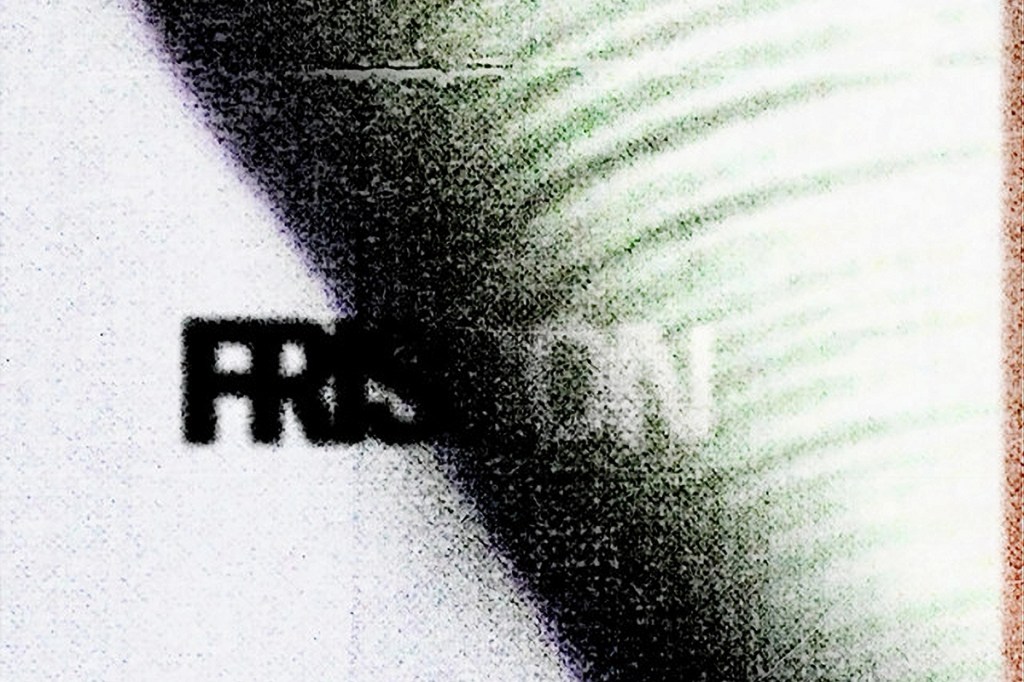
“FRISSON” by 1201770 is an Industrial Ambient Lament For a Fallen Civilization

The distorted streaming sounds echoing throughout “FRISSON” by 1201770 are like the voices of a forgotten subway bemoaning the neglect and seething in its accumulated environmental memory. Or the soundtrack to a near future urban exploration video in which intrepid urbexers travel through the tunnels and streets of cities abandoned in the wake of humanity’s folly and abuse of the environment resulting in mass depopulation of parts of the world once teeming with activity that can only be speculated about from accounts gleaned from still extant media artifacts. The industrial ambient sounds of the song have a melancholic menace and urgency that suggest a warning against the kinds of civilizational habits that lead to tragic widespread collapse. It’s a thought-provoking track that embodies a full expression though less than two minutes in length. Listen to “FRISSON” on Spotify and follow 1201770 on Instagram.

Jason Matu’s Psychedelic Country Rock Single “The Returning of the Leaves” is a Song About Human Frailty and the Preciousness of the Limited Time We Have on Earth

Jason Matu, photo by Esther Ruiz

Jason Matu packs a great deal of existential introspection and commentary on aging and yearning into “The Returning of the Leaves.” On the surface its a countrified rock song but with a wash of melancholic synth throughout that lends the song an expansive mood that pushes the song out of a limited genre. The mood of the song comes across like someone who is missing some or something that is going away for now but will hopefully return just like the cycles of nature. But these days these things aren’t so certain or predictable as they had been for most of living memory. In a later stanza of the song Matu sings about someone going on some kind of mythical journey, an epic adventure of some kind, from the perspective of someone who maybe knows these kinds of escapades himself and the perils involved, drawing upon allusions to The Odyssey and how none of us has forever and only so many more of the returnings of the leaves in this life. Yet it’s not a sad song, just one about inevitabilities and human frailty and the preciousness of the time we have on earth. Listen to “The Returning of the Leaves” on Spotify and follow Jason Matu at the links provided.

Jason Matu on Facebook

Jason Matu on TikTok

Jason Matu on Instagram

Bug Facer’s Apocalyptic Doom Thrash Song “Nuclear Bounty Hunter” is the Sound of Fascism, Oligarchy and Late Capitalism Collapsing In On Itself

Bug Facer, photo by Stewart Baxter

Bug Facer’s “Nuclear Bounty Hunter” sounds like a doomy thrash theme song about a post-apocalyptic future. Its distorted riff stretches, lingers and crushes and the nearly shouted lyrics conjure the image of a perhaps none-too-distant time when nihilistic savagery reigns supreme but really it’s a reflection of the cruelty and brutality of our current world when niceties like the rule of law seem to have been all but abandoned in too many places where once at least the veneer of a world where an international order reigned in the worst excesses of power and rapacious national and personal agendas. This song feels like its acknowledging this current reality while also expressing its jagged ugliness. Yet there’s a harsh beauty to the song that ends in ethereal melody like a peek into something better past the horizon of the caustic darkness of the world under fascism, oligarchy and late capitalism. Listen to “Nuclear Bounty Hunter” on Spotify and follow Bug Facer at the links provided.

Bug Facer on Facebook

Bug Facer on Instagram

Mark Weatherley’s Ever-Evolving Downtempo Single “Petrichor” is Like the Soothing Soundtrack to Transitional Seasons

Mark Weatherley, photo courtesy the artist

The beats in Mark Weatherley’s “Petrichor” shouldn’t work. The breakbeats start and stop, seem to change directions, pick back up and yet it all fits together like a moving puzzle with the harmonic and melodic motes of sound arranged so that the song constantly has an evolving and effervescent atmosphere. Like the direct experience of late spring weather when the environment hasn’t seemingly decided how it’s going to be except moment to moment. Weatherley captures as best a person can these micro-changes in mood and texture and fit that into the format of a song. There are no immediate touchstones but in the multitude of moments employed in the song one can hear peeps of late-90s Moby, sampled organic percussion and layers of luminous haunted sounds that drift through but soothe rather than startle. And then the song is over. What sets it apart from a good deal of electronic music is that the repetition never fully feels like it because Weatherley’s arrangements are so detailed and ever-shifting without feeling jarring and at worst merely disorienting in a way that feels comfortable. Listen to “Petrichor” on Spotify and follow Mark Weatherley at the links provided.

Mark Weatherley on Facebook

Mark Weatherley on Instagram

Josaleigh Pollett’s Lushly Meditative “Cherry” is an Existential Dream Folk Song About Re-Examining Identity

Josaleigh Pollett, photo by PJ Guinto

Josaleigh Pollett sounds like she’s drifting through an environment as much as a song on “Cherry.” The languid pace and intimate yet deep mood is reminiscent of Strange Mercy-period St. Vincent. The gentle strums of guitar like rhythm and texture with layers of synth giving atmospheric definition to the song as Pollett’s voice seems to tell a story of people who have a lot of history together and thus have been through many of the same struggles and travails of shared experiences but things have gotten to the point where in spite of these long-held bonds some things feel like they’re no longer the ties that bind and coming to terms with being weary of old ways and habits of living and of mind. Yet not throwing away the memories and their significance for the kind of person you are now even if you’ve outgrown what felt so critically important at an earlier part of your life. The song sticks with you and like the lingering thoughts from deep within that never fully leave your psyche it leaves a strong impression well after the song is over. Listen to “Cherry” on Bandcamp and follow Josaleigh Pollett at the links below. The new album If I Let It Quiet is out now on vinyl, digital download and streaming. Pollett is alo currently on tour in the American west through August 14th with a performance at D3 arts in Denver, Colorado.

Josaleigh Pollett LinkTr.ee

Josaleigh Pollett on Facebook

Josaleigh Pollett on TikTok

Josaleigh Pollett on Instagram


SPYCAMERA’s “Hey You” Fuses Synth Pop and Dissonant Art Pop to Express a Sense of Connection in a Disconnected World

SPYCAMERA, photo courtesy the artists

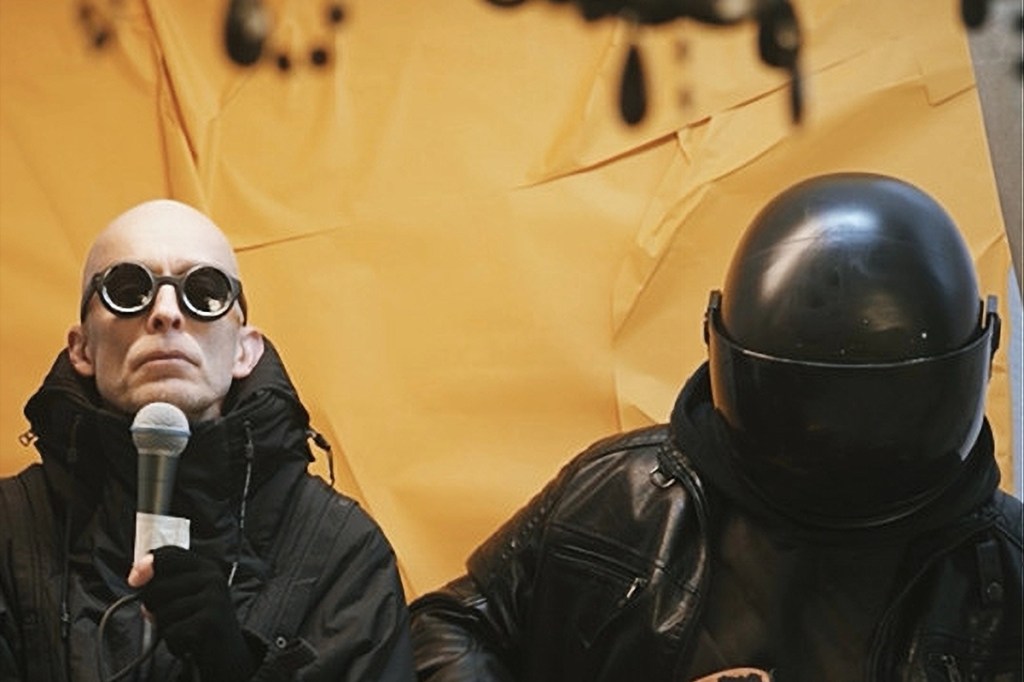
“Hey You” sounds like SPYCAMERA took strands of Tubeway Army, early Radiohead and in general the song and its music video are reminiscent of that corner of the 90s when record labels were still trying to find the next big thing and would greenlight albums from bands that seemed or actually were outside the mainstream yet had a sense of melody and songwriting. Except that SPYCAMERA looks like a rivethead and an enigmatic garage rocker formed a band and held on to a sense of the mysterious and creatively eccentric. In the music video we’re informed this is “Room 5” of a forthcoming album called 12 Rooms suggesting each song is its own world and flavor but so far the band is revealing it has a knack for an unusual hook like Everclear influenced more by New Wave and alternative rock than punk. The words in the song seem to be sentiments of holding on to the only things and people that make disordered world make sense even when sometimes it hurts. Watch the video for “Hey You” on YouTube and follow SPYCAMERA at the links provided.

SPYCAMERA on Instagram