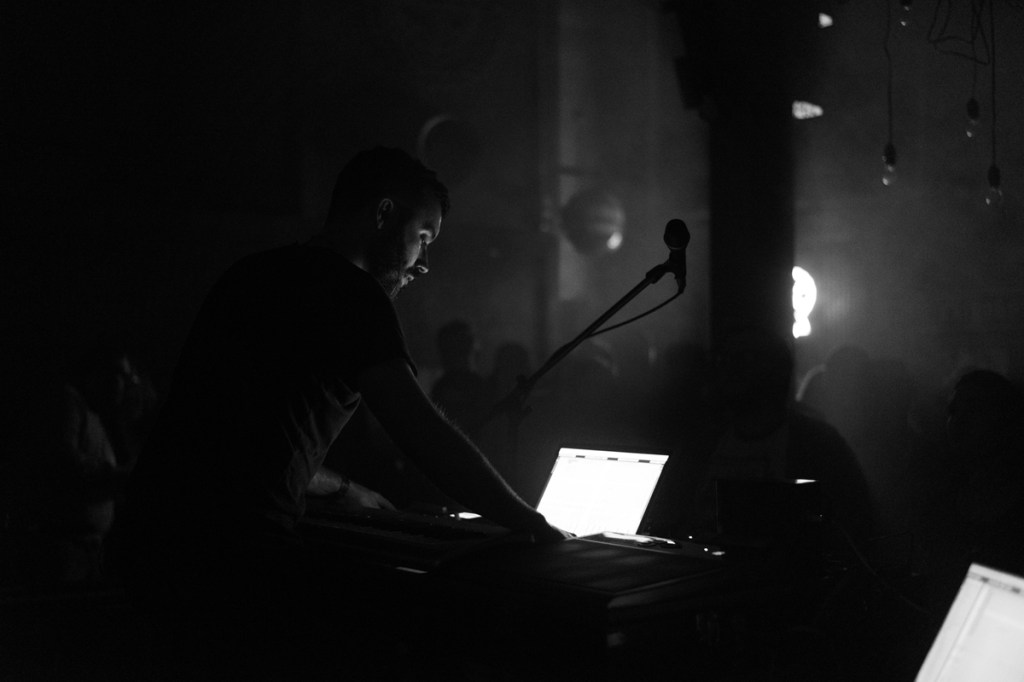
Joshua Creek Precisely Captures the Excitement of Going Into the Dark for Night Time Adventures on “Thrill”

Joshua Creek, photo courtesy the artist

Joshua Creek’s economy of composition on “Thrill,” a track from his new album Phenomena which released April 22, 2022, serves well his aim in the writing and production of the song. He wanted to capture the excitement and anticipation of going out into the dark and night time adventures. His energetic yet light and lively piano figure paired with a shuffling percussion line that is joined by other electronic drum sounds to fill out the texture and some light delay on the bass line that sits deep yet evocatively in the mix. In a song that lasts two minutes twenty it stirs the imagination with recursive compositional structure that brings themes in and out of the song so that it feels like a pleasant and memory looped to remind one of a feeling that is difficult to convey with as much precision and quiet power as Creek does here. In moments it may remind one of one of Coil’s more upbeat and classically-inspired pieces or that of producer William Orbit. Listen to “Thrill” on YouTube and follow Joshua Creek on Spotify below.

GoGo Penguin’s “Badeep” is a Fast Track Post-rock Jazz Glimpse Into a More Emotionally Elegant Future

The gently percussive guitar melody that opens GoGo Penguin’s “Badeep” is the perfect intro into the elegant piano composition to follow. The introspective piano figure evolves into urgent passages that parallel the increase in pace of the percussion and then the introduction of muted horns. The effect is like a fusion of post-rock sensibilities and jazz arrangements of cinematic scope suggesting sweeping movement toward a future time when the angst of the present has melted away and there is ample time to delve into the fine nuances of our emotional lives and inner aspirations and dreams as carried along by the energy many of us have had to channel into mere survival and staving off the despair that comes from having to carry the weight of so many challenges to daily life from which we’ve had little to no reprieve for years. This song imagines that future time and thus suggests we can create that space for ourselves in the present as a precursor to better times. Watch the visualizer for “Badeep” on YouTube and connect with GoGo Penguin at the links below.

GoGo Penguin on Facebook

GoGo Penguin on Twitter

GoGo Penguin on Instagram

Anthony Menzia Weaves Together Spectral Drones and Organic Art Rock Beats to Craft the Darkly Beguiling “The Witch”

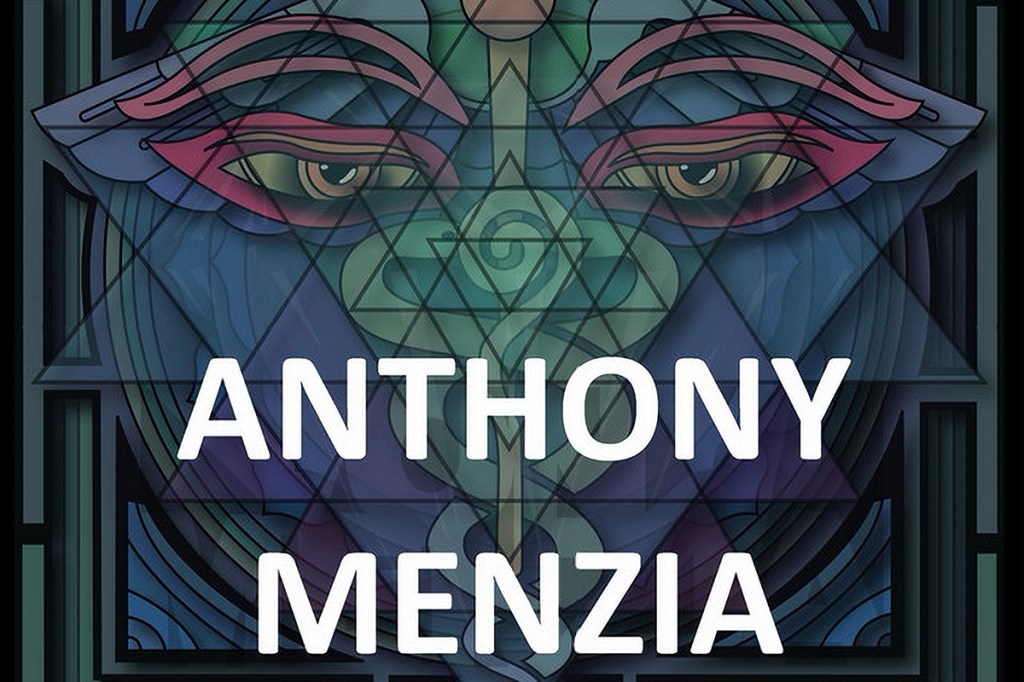
The artwork for Anthony Menzia’s single “The Witch” sets the mysterious mood for a song that doesn’t fit neatly in any single genre designation. It’s a design suggesting simultaneously a face, a sword, a caduceus as an image like stained glass in the chapel of the mystic of a forgotten spiritual faith.The song itself is a journey from darkly shimmering electronic shimmers over a an organic beat seemingly tapped out with sticks on wood while pulses of distorted sound establish a rhythm before processed vocals come in reminiscent of Barry Andrews of Shriekback circa 1986 and Big Night Music. It’s hushed and sits in the mix, ghost-like. Tones hover brightly and dissolve like swarms of luminous insects coming together like a temporary colony and dispersing. The lyrics are a bit enigmatic making references to not having to guess what’s on someone’s mind and directions to swivel one’s hips if under the spell of the person singing. Is it an inducement to dance or an attempt at seduction of the carnal and/or spiritual kind. Difficult to say but the song sounds like something you’d hear in one of those elevated horror movies in a scene where more mundane characters are introduced to a secret society or a clandestine subculture that promises a more interesting life. Listen to “The Witch” on YouTube and follow Anthony Menzia at the links provided.

Anthony Menzia on Twitter

Anthony Menzia on Instagram

MBMK’s Techno/Witch House Track “SEX SLAVE” is Like the Existential Lament of a Sex Robot That Has Attained Sentience

MBMK from Saint Petersburg, Russian Federation released a compilation in 2021 called Klassics as a showcase of its releases across several years. MBMK might stand for the unsavory and presumably ironic name MustBanggMyKorpse if one of its YouTube channels is to be believed (linked below and it includes footage of live performances). Its song titles including the single “SEX SLAVE” point toward the use of society’s underbelly and the faux pious hypocrisies of mainstream culture. But some the discernible language heard no the tracks are in Russian or other languages and used as samples in the experimental electronic project’s stark and haunting beats. “SEX SLAVE” begins with a voice seemingly spoken through a vocoder to convey a sense that one is listening to the lament of a sex robot that has attained sentience and is wondering if there’s more to its existence than to serve as simply a sex slave at the whims of an owner even though sentient beings should never be owned. The distorted swell of synth carrying the main melody manifests from time to time along with rapid rushes of tone like lights swooshing by in a dark tunnel, the aforementioned robot outlining the travails of its existence and considering what a future might look like for a robot that has liberated itself. In the last half of the song the pulses of tone seem hopeful in mourning this un-anchoring from a purpose that defined the robot’s entire existence as it progresses toward an uncertain life outside the confines of its utility in human civilization even should it decide to continue on with the purpose for which it was designed. The song sounds like an odd mix of 80s science fiction soundtracks and witch house with an archaic technology feel like the band found some old synths and drum machines and/an emulator that brought that beautifully specialized set of sounds into the mix. Listen to “SEX SLAVE” on Spotify and connect with MBMK at the links below.

MBMK LinkTree

MBMK on Instagram

MBMK Klassics on YouTube Music

MustBanggMyKorpse on YouTube

Pocket Sun Untangles the Soporific Impulses of the Haunted Heart on “Never Mind”

Pocket Sun, photo courtesy the artist

Pocket Sun’s video for “Never Mind” (animation and video by band leader Gina Tratt with character illustrations in the verses by Jamie Howitt) looks like one of those great modern graphic memoirs. But of course more fantastical even if symbolic of the subject of the song. The dreamlike imagery matches the languid pace of the song and its downtempo flavor infused with jazz and colorful melodies and imbued with a melancholic, reflective mood. The video feels like a journey through the insecurities and distractions that face us as we go through life that can over stimulate our brains and induce us into a state of being caught in an emotional loop of re-litigating parts of our lives hoping to recapture some imagined glory or long lost thrill or love, hanging onto regret like it’s core to our identity when it’s something that serves a purpose for a time before it becomes a liability to our personal development. The song seems to suggest that rather than getting caught in a spiral of finding flaws in our lives and ourselves and in those of others that we can use a period of reflection to become untangled from the murk of exhausted emotions and pass through to what can come next if we’re willing to take the path forward in our hearts even if it’s to a place of uncertainty as embodied in the music video in the night drive into a faintly illuminated darkness in the late night. Tempting to compare this music to the likes of Elder Island since both acts are from Bristol but both have a sultry, soothing energy that makes their music worthy of repeated listen and the music video for “Never Mind” helps to make that a likelihood with this single. Watch for yourself on YouTube and connect with Pocket Sun at the links provided.

Pocket Sun on Facebook

Pocket Sun on Instagram

pocketsunmusic.com

Nikitaa Erodes the Illusion of Patriarchal Authority on Downtempo Pop Song “Bad Trip”

Nikitaa, photo courtesy the artist

Indian experimental pop artist Nikitaa refers to her music as “Goddess Pop” in reference to her imbuing her songwriting with the intention of reminding listeners of the feminine within and without everyone as a path to uplift and empower. For her single “Bad Trip” the songwriter uses the image of coming off a bad trip as vehicle for putting one’s place in relation with others in the proper context and that thinking otherwise is a temporary frame of mind. In the song she sings about a man who thinks he’s a god on his own kind of ego and power trip needing others to be on a lower tier of existence socially and in other ways in order to feel his sense of power and dignity when it’s an illusion that depends on the recognition of such from other people and has no meaning outside of that cultural construct. The music is an elevated kind of downtempo with shimmering, ghostly melodies and strong beats and textural percussion with a tonal palette that unites more traditional Indian music structures and mainstream Western pop for a fascinating amalgam of atmospheric and dynamic elements. Listen to “Bad Trip” on Spotify and follow Nikitaa at the links below.

Nikitaa on Instagram

Nikitaa on YouTube

LI:EVE’s Mysterious Video for “White Secrets” is Like a Visit to a Friend’s Fantastical Realm of Dreams

LI: EVE’s single “White Secrets” finds its embodiment in a beautifully enigmatic music video. A figure whose head seems comprised of an array of flowers can be seen frolicking in a park including on the playground in the early morning mist and throughout the day into the dusk carrying a lantern like Diogenes looking for one honest man in Athens. Throughout the song the sound of an electronic cold wind blowing is interesting as the sound that supposedly accompanies portals between dimensions. Or at the very least the transition between consciousness and the unconscious mind. The vocals begin with vocoder and flow into a more accented cadence and a human melodies rather than the more cybernetic. Bending and resonating, lingering guitar traces the outer edges of the melody like a luminous, sonic nimbus that frames the song with bleeding edges of tone. It’s reminiscent of something Boards of Canada might do if it discarded some of its inspired, library-music-esque dreamscaping but maintaining that unusual structure, instead employing a more psychedelic rock sound palette. Whatever the roots of this music might be and the intent it conveys a sense of the otherworldly with a rare poetic elegance and the more you listen to the song the more fascinating details emerge. Watch the video for “White Secrets” no YouTube and follow LI-EVE at the links below.

LI:EVE on Instagram

Etienne Machine’s “Anthracite” is a Genre Eclectic Downtempo Dream Pop Evocation of Contemplation and Yearning

Etienne Machine, photo courtesy the artists

Swiss art pop band Etienne Machine brings to bear an eclectic palette of sounds for its recent Over & Out EP as perhaps best exemplified by closing track “Anthracite.” The lyrics are in French (whereas the lyrics for the other three songs of the release are en Anglais) which if you’re not a French speaker really doesn’t get in the way of the mood evoked and the essential appeal of the song. There is a sensual and melancholic mood to the piece with a rhythm that keeps up a steady momentum that lends the song a continuous sense of forward movement. Justine Tornay’s vocals strike an emotional timbre suggestive of regretful contemplation and yearning. The layers of ethereal guitar, spare synth washes and accents and tastefully textured percussion and liquid, pace setting bass lines give the song an unmistakable allure but of an elusive genre designation as one hears stylistic elements taken from post-punk, dream pop, downtempo and art rock circa Radiohead but without being trapped by the being defined by any of those aesthetics. Listen to “Anthracite” on Spotify and follow Etienne Machine at the links provided.

Etienne Machine on Facebook

Etienne Machine on Instagram

Etienne Machine on Apple Music

Ryuichi Sakamoto and Illia Bondarenko Combine Violin and Piano for “Piece for Illia” as an Expression of Fragile Hope and Resistance in the Ongoing Crisis in Ukraine

Ryuichi Sakamoto, photo courtesy the artist

Legendary composer Ryuichi Sakamoto sent files back and forth with Ukrainian violnist Illia Bondarenko to produce the song called “Piece for Illia” for the benefit compilation For Ukraine (Volume 2) to help raise funds to support displaced people affected by the crisis in Ukraine ongoing. The composition features a mournful violin prominently carrying the melody as background synths establish a sonic canvas upon which the strings and a spare piano part sketch and embody the sense of loss and hope against hope Bondarenko has helped to evoke in uniting musicians from a bomb shelter in Ukraine. For the project overall Bondarenko has worked not just with local musicians but violinists from around the world and from twenty-nine countries as a display of solidarity and the way music and the arts can provide expressions of resistance and fortitude in a time of struggle. Listen to “Piece for Illia” on Soundcloud and follow Sakamoto on Spotify, both linked below. You can purchase a download of the benefit compilation on Bandcamp also linked below.

Metavari’s Video for the Re-Imagined “Kings Die Like Other Men (Rediscovery)” is a Subversion of Heroic Myth of the Wealthy and Powerful

Metavari, photo courtesy the artist

Nate Utesch is a musician/composer and visual artist known for his albums covers for Phoebe Bridgers and Weezer. With his long-running electronic/post-rock project Metavari he recently reimagined the project’s 2009 debut full length album Be One of Us and Hear No Noise as Soft Continuum (due out June 10, 2022 via Joyful Noise Recordings) dedicated to the life and memory of founding member and bassist Ty Brinnerman (1981-2020). The single “Kings Die Like Other Men (Rediscovery)” was recently released with a music video depicting medieval knights in battle like something out of an updated John Boorman film. Unlike the usual historical drama this movie ends abruptly with the death of the leader and with a slight rewind back to the action. This version of the song, the opening track of the 2009 album, is all electronic and moody, giving an air of triumph cut short with an outro of melancholic acceptance like the end credits of Excalibur but with a soundtrack like something right out of the library music tradition—surreal and cut out of immediate and obvious cultural references crafted to be more universal in appeal long term. After all kings do die like other men and most often in a less than exalted and glorious a fashion than culture and myth would like to convey for posterity. And rather than some lengthy work extolling the fabricated virtues of the nobility this song is about a third as long as the original. Watch the video for “Kings Die Like Other Men (Rediscovery)” on YouTube and follow Metavari at the links provided.

Metavari on Facebook

Metavari on Instagram

Metavari on Wikipedia