K.ZIA Sagely Applies the Principles of the Japanese Art of “Golden Repair” to the Human Psychology on Alternative R&B Pop Song “Kintsugi Heart”

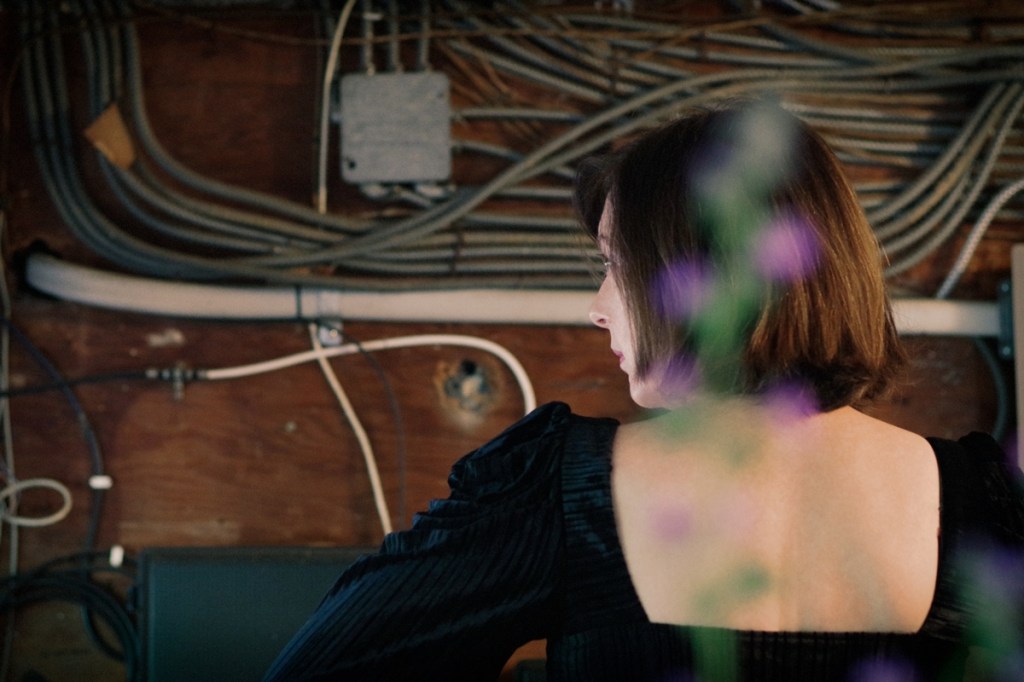
K.ZIA, photo courtesy the artist

When K.ZIA looks over a photo booth strip at pictures of a better time in a certain relationship in the video for “Kintsugi Heart” one might expect that a story of agonized heartbreak is ahead in dramatic musical fashion. But instead there are delicate string melodies, soulful vocals treated to warp in moments to sound like a memory transforming and passing out of active, conscious memory and a beat that is like a heartbeat combined with the kinds of rhythms you keep with your hands and feet in their organic and informal way though seemingly programmed. The lyrics take on a much more original metaphor for mending a broken heart with the image of “kintsugi” or “golden repair,” the Japanese art of repairing broken pottery with lacquer dusted/mixed with powdered precious metals like gold, silver or platinum. It is a practice that embraces imperfection and flaws and finding value in the new form. K.ZIA takes this concept and humanizes it and in the video shows her own methods and practices for reassembling her own heart and psychology in a way that honors her experience and resilience as a person who learns from her experiences rather than brushes them aside like even an unpleasant experience never touched her, rather folding those changes into her life in a way that enriches the story of her life. It is a quietly thoughtful, elegant and thoroughly effective expression of a different way of thinking and dealing with grief, loss and heartache and one that is more creative cast as a pop song that itself expands what pop songcraft can be. Watch the video for “Kintsugi Heart” on YouTube and follow the Belgian songwriter now based on Berlin at the links below.

K.ZIA on Facebook

K.ZIA on Instagram

“天華 (Tenka)” by omocha privacy is a Strikingly Original, Genre Bending Fusion of Japanese Folk, Dream Pop and Electronic Dance Music

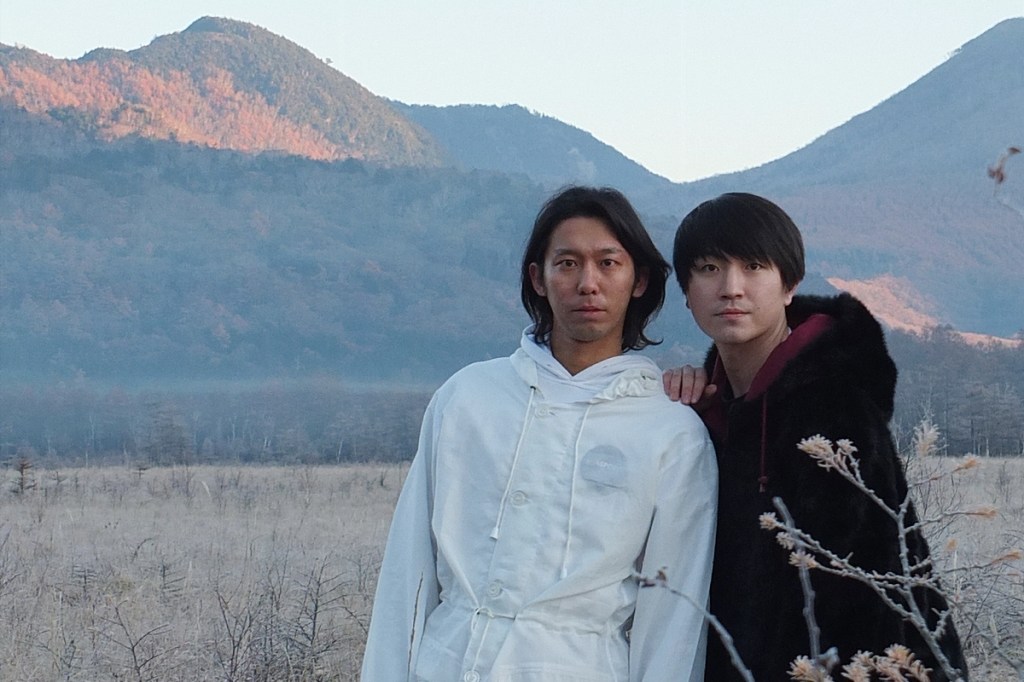
omocha privacy, photo courtesy the artists

“天華 (Tenka)” means “a beautiful flower that blooms in the heavenly realm” and it seems to fit the song of the same name by omocha privacy from Japan. The song is impossible to place into an existing and narrow genre as a point of reference because its sounds and style bring so many elements together. There are acoustical audio sounds like perhaps piano, strings, some guitar, percussion and of course vocals. But it is arranged as a flowing cluster of sounds that create a sense of otherworldly place with synth gleaming and running through its bright tonality. One imagines the members of the project dancing through a luminescent landscape with twinkling snow falling and resonating with the melodic tones of the song. As the song progresses one hears perhaps a touch of the influence of Japanese classical and folk music in the organic arrangements and vocal style giving the whole piece a feeling of introspection and emotional expansion. Listen to “Tenka” on Spotify and follow omocha privacy at the links provided.

omocha privacy on Instagram

omocha privacy LinkTree

Plastic Cactus Follows a Winding and Colorful Musical Path to Self-Discovery in “Year of the Rat”

Plastic Cactus, photo courtesy the artists

“Year of the Rat” is a single from the forthcoming debut full-length from Portland, Oregon’s Plastic Cactus. It’s sound is a mix of late summery surf rock and dream pop with choice distortion giving the psychedelic flourishes some grit. But it also has some refreshing twists and turns including an almost prog rock bit of ascending passages that give way to melodies in direct motion. It is partly whimsical and partly otherworldly like music for a semi-benevolent, haunted amusement park. Fans of La Luz, Dum Dum Girls and Best Coast will appreciate the fusion of retro pop aesthetics with the eclectic genre bending of a more modern band including a riff or two that recall something The Olivia Tremor Control might have done in its own trick of pop songcraft misdirection. And yet this song seems to ultimately be about braving the dark waters of your own psyche to encourage one’s authentic self to emerge in spite of the forces that have driven it into hiding. Listen to “Year of the Rat” on Spotify and follow Plastic Cactus at the links below.

Plastic Cactus on TikTok

Plastic Cactus on Facebook

Plastic Cactus on Bandcamp

Plastic Cactus on Instagram

Elliot James Mulhern and Bipolar Sunshine Send Up the Absurdity of Everyday Mundanity on “I Quite Like It (A Lot)”

Bipolar Sunshine and Elliot James Mulhern, photo courtesy the artists

Elliot James Mulhern and Bipolar Sunshine seem to be hanging out in alleys and near aging office buildings in London in the video for “I Quite Like It (A Lot).” They look disinterested or at least disengaged in contrast to the title of the song. And the song itself finds the two vocalists sounding anything but enthusiastic over a steady beat and minimal synth melody. Yet somehow it works. Like a minimal synth pop song with no small amount of cheek like a Sleaford Mods track but with even less aggression. It’s reminiscent of an old Aphex Twin video but with the colors washed out and the surreal factor comes from the sheer mundane aspect of two guys dressed too well for hanging out in a random location like they’re hitmen in a Guy Ritchie film. And that’s the vibe, the way the grind culture of modern life can leave you feeling a little dissociated in moments when a more engaged reaction is expected and you can even feel all but intellectually disconnected from your desires and motivations until the shock of that realization propels you back into your senses. Watch the video for “I Quite Like It (A Lot)” on YouTube and follow Mulhern at the links below. The new Elliot James Mulhern album Agony of the Never Ending Fantasy became available on vinyl, CD and digital on June 30, 2023.

Elliot James Mulhern on TikTok

Elliot James Mulhern on Facebook

Elliot James Mulhern on Twitter

Elliot James Mulhern on Bandcamp

Elliot James Mulhern on Instagram

elliotjamesmulhern.com

Isaac Watters’ Noir Pop Song “Coconut In The Street” is a Vivid Glimpse Into the Contrasting Social Reality of the Haves and Have Nots of Los Angeles

Isaac Watters, photo by Robbie Jeffers

Isaac Watters brings a downbeat, noir mood to “Coconut In The Street.” In the live video version below we see what looks like black and white with some blue tones allowed in the color palette enhancing the cool, late night feel of the song. It sounds like a brooding blues song with a touch of urgent and shimmery synth around the edges. And of course Watters relating a story of tensions between the moneyed and the down and out and how both seem to exist not so far apart in the streets of Los Angeles where it’s not like a sanitized version from a movie but a city with as much grit and desperation as one might find in a city with more of a reputation for that, just with generally better weather unless it’s wildfire season. Watters’ imagery captures these contrasts well and sure early in the song you hear the ghost of Leonard Cohen haunting his style but as the song progresses and his wailing bursts in singing the late song chorus gives it a different flavor, one more imbued with an immediacy that elevates the song beyond a merely good singer-songwriter in the bluesy folk vein of today into something more mysterious when paired with the vivid poetry of the song’s lyrics that make it feel like watching one of William Friedkin’s Los Angeles movies do or if Jim Jarmusch did an entire movie set in the City of Angels. It hits as unexpectedly cool and uncommonly observant while giving you the language to describe social dynamics in fresh and creative ways. Lines like “You were so angry at the laughing stock downtown/Stumbling zombie on the edge of the freeway/You call the police, they say they’re on the way/But you can’t pull over” and “Double back flip off the new glass tower downtown/Is that you they found? Is that your enemy?/Is that the friend you always meant to be?” capture such a specific emotional space while grounding it in a specificity of place it invokes the familiar while inducing new ways to think about places you’ve been physically and psychologically. Watch the video for “Coconut In The Street” on YouTube and follow Isaac Watters at the links below.

Isaac Watters on Facebook

Isaac Watters on Twitter

Isaac Watters on Instagram

johnisaacwatters.com

Suzy Callahan’s Poignantly Delicate “Out of Proportion” Captures that Moment When You Feel Like You Can’t Hold Back the Uncomfortable Truth Anymore

Suzy Callahan speaks for everyone that has experienced a prolonged period of anxiety in her song “Out of Proportion.” The delicate and detailed guitar work help to soften the impact of some of the most poignant and painfully familiar scenarios of self-sabotage ever heard in a song without downplaying the experience. Nothing too brutal just the sorts of things that can happen when you’re expressing your truth and maybe it’s a little too intense for people and maybe you have a hard time gauging when it is in the expression of your feelings. And yet, how many of us have had to go through life feeling like we’ve had to exist in social spaces where you can’t be real and you have to be tightly buttoned up like you’re a character on some TV show where everyone is prim and proper and life isn’t like that and sometimes you can be a wreck or a mess and just need the understanding to get through that and the leeway to be human because not having that is often what leads to neurotic behavior to begin with. When Callahan sings the lines “Didn’t know what to say/So I said something strange/Soon as it came out of my mouth, phew/Everything went south” and then into the chorus of “Blown out/out of proportion/out of proportion” it truly captures a moment most of us have experienced at one point or another because when you have to bottle it all in sometimes it comes out all wrong even if it’s honest yet maybe it had to be said. Listen to “Out of Proportion” on Spotify and follow Suzy Callahan at the links below.

Suzy Callahan, photo courtesy the artist

Suzy Callahan speaks for everyone that has experienced a prolonged period of anxiety in her song “Out of Proportion.” The delicate and detailed guitar work help to soften the impact of some of the most poignant and painfully familiar scenarios of self-sabotage ever heard in a song without downplaying the experience. Nothing too brutal just the sorts of things that can happen when you’re expressing your truth and maybe it’s a little too intense for people and maybe you have a hard time gauging when it is in the expression of your feelings. And yet, how many of us have had to go through life feeling like we’ve had to exist in social spaces where you can’t be real and you have to be tightly buttoned up like you’re a character on some TV show where everyone is prim and proper and life isn’t like that and sometimes you can be a wreck or a mess and just need the understanding to get through that and the leeway to be human because not having that is often what leads to neurotic behavior to begin with. When Callahan sings the lines “Didn’t know what to say/So I said something strange/Soon as it came out of my mouth, phew/Everything went south” and then into the chorus of “Blown out/out of proportion/out of proportion” it truly captures a moment most of us have experienced at one point or another because when you have to bottle it all in sometimes it comes out all wrong even if it’s honest yet maybe it had to be said. Listen to “Out of Proportion” on Spotify and follow Suzy Callahan at the links below.

Suzy Callahan on TikTok

Suzy Callahan on YouTube

Suzy Callahan on Twitter

Suzy Callahan on Bandcamp

Suzy Callahan on Instagram

Corey Gulkin Steps Out of Impostor Syndrome Into Full-Fledged Creative Power in the Video for “Raya”

Corey Gulkin, photo courtesy the artist

The music video for Corey Gulkin’s song “Raya” seems to make more explicit the themes of the song of cultivating one’s own identity and leaning on your social circles some to help define that. The song itself is a masterful use of quiet dynamics and rapid builds to express an upswing of emotion and confidence and then back into contemplative passages. Early in the video Gulkin is given a set of clothes for performance that seem too big but as the song progresses and ascends in tone and energy perhaps early feelings of impostor syndrome fall away as the songwriter embraces the lessons of becoming the artist they’ve always wanted to become and the performance garb becomes part of the art rather than something to simply grow into. Fans of the more recent Lower Dens albums will appreciate the fantastic orchestration of sounds and moods and the creative ambition of the song particularly as embodied in the music video directed, shot and edited by Adrienne McLaren. Watch that video on YouTube, follow Corey Gulkin at the links below and look out for the new full-length album Half Moon due October 6, 2023.

Corey Gulkin on Instagram

Corey Gulkin on Bandcamp

Emily Manuel’s Art Folk Title Track to Her Live Forever EP is an Exploration of a Relationship in a Hurry

Emily Manuel, photo courtesy the artist

Emily Manuel’s ambitious art rock and chamber pop song “Live Forever” finds the songwriter orchestrating string sounds, piano and creative vocal rhythms that seem paced more intuitively in tandem with the instrumentation. There is a melancholic cast to the song rimmed with bell tones in the end appropriate to a song that seems to be about a relationship that is being pushed too fast toward an early resolution and an undertone of resignation with the inevitable. There is no drama, no agony here, rather a mature assessment of the ephemeral nature of some relationships and how there can be some joy there even though you can tell it won’t be lasting and wasn’t meant to be in order for it to have been worthwhile. One might consider it sort of a modern art folk song but one with shades of early Tori Amos and late 80s Kate Bush with an undeniable sense of mystery that lends it a compelling allure from beginning to end. Listen to “Live Forever” and the rest of the EP of the same name on Spotify and follow Denver-based artist Emily Manuel on Instagram.

Advika’s Introspective Layers of Melody on “Come Back to Earth” Cushion the Blow of a Prolonged Break-Up With a Spirit of Acceptance

Advika, photo courtesy the artist

Advika’s use of an exquisite field of electronic tones and steady percussion on her song “Come Back to Earth” imbues the song with a deep sense of longing and introspection. It begins with a slow pulse that builds into a full-fledged constellation of sounds as the vocals tell a kind of tale that uses the metaphor of space exploration as a deft metaphor for distance and alienation in a relationship as each person develops in different directions. Musically the ethereal swells and crystalline string arrangements and layers of synth and vocals create a mood of regretful yet comfortable acceptance and a sense of having moved on to life’s next big adventure. Listen to “Come Back to Earth” on Spotify and follow Advika at the links below.

Advika on TikTok

Advika on Facebook

Advika on Twitter

Advika on Instagram

Sea Lemon’s Starkly Creepy Video for “Cellar” is the Perfect Vehicle for a Gorgeously Expansive Shoegaze Song About a Fascination With the Aesthetics of Modern Horror Cinema

Sea Lemon, photo courtesy the artist

The music video for Sea Lemon’s new single “Cellar” (from the forthcoming EP Stop at Nothing due out August 25, 2023 via Luminelle Recordings) is probably going to be unsettling and creepy for some but anyone that’s been an aficionado of modern and classic horror say something in the better end of found footage and/or A24 for how that form of cinema can be so compelling and emotionally stimulating will appreciate the haunting minimalism of what is presumably the artist standing on a roof clad in a long white dress, arm-length, red gloves, under a light gray overcast sky with very little going on but the tension of expectation is sustained until the end. The lyrics enhance this unusual and spooky imagery with words about asking if someone wants to “see something that feels so wrong” and about the cellar being where she belongs, and being told she’s off. Then about wondering if someone would want to own a home with a public record of a killer’s association with the the place. And then the chorus of “So I say/sometimes I imitate/yesterday/thingsthat make me afraid.” But the music is so ethereal and gorgeously billowy and entrancingly melodic with textural distortion giving it an element of grit it’s almost a contrast with the subject matter overall giving one a sense of the absurd which is the appeal of a lot of horror and how some of the most horrifying films can be seen as super dark comedy given the right frame of mind not to mention the aforementioned ability of horror films to go beyond standard cinematic fare in provoking thought and feeling because it has to operate in transgressive ways with stories that cross outside of easy mainstream marketing with imagery that leaves a strong impression. There is a compelling beauty to the best and most transcendent of horror films and it is that strange alchemy at work in this Sea Lemon song and its attendant visual presentation shot and edited by songwriter Natalie Lew and Abe Poultridge. Lew and Poultridge tap precisely into what certain fans of music and dark cinema will find exactly to their liking. Masterful. Watch said video on YouTube and follow Sea Lemon aka Natalie Lew at the links provided.

Sea Lemon on Instagram