
Patrick Shiroishi’s Saxophone-Driven Ambient Composition “how will we get back to life again?” is a Zen-like Meditation on the Eternally Resonant Mysteries and Allure of Nature

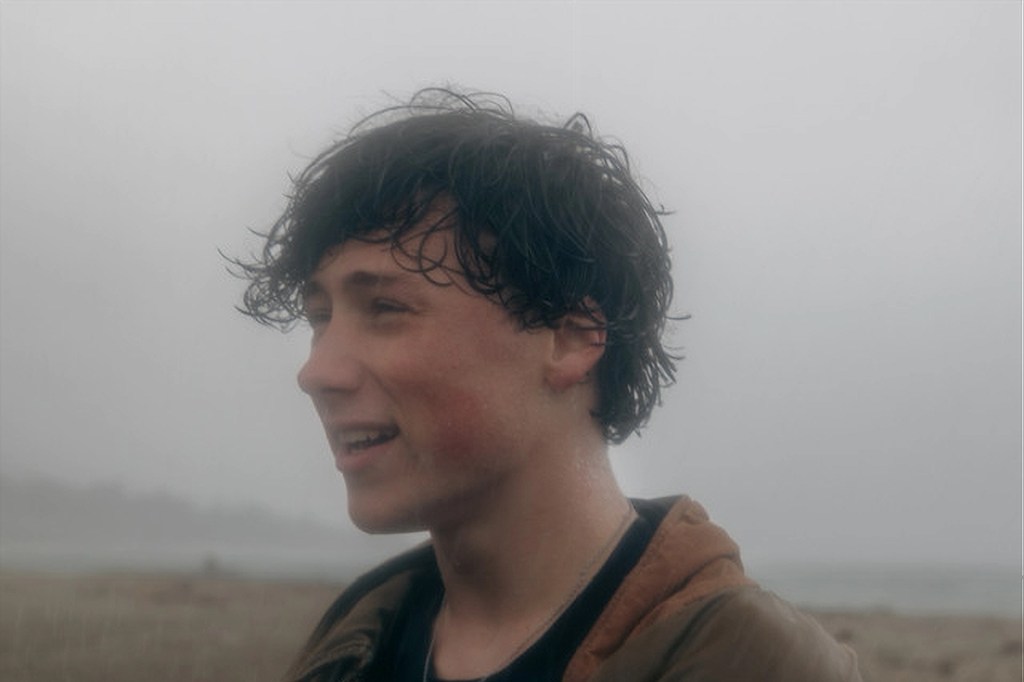
Patrick Shiroishi, photo by Vincent Guilbert

In the music video for Patrick Shiroishi’s “how will we get back to life again?” directed by Nancy Kwon we see a cloudscape of whites, shades of gray and blue sky in the elegant, flowing dynamism of weather patterns. It parallels Shiroishi’s composition of his new album I was too young to hear silence (which dropped November 10, 2023 on streaming, digital and vinyl) in which he employs the Japanese concept of Ma or negative space or the spaces in between as a positive entity rather than simple absence, giving the composition an effective balance. Recording the album with his signature saxophone, a glockenspiel, two microphones and a Zoom digital recorder in a parking structure below a hot pot restaurant in Monterey Park around 1:30 am, Shiroishi made use of the natural reverb to assemble a truly unique type of ambient album. We hear the ebb and flow of his improvisational and intuitive rhythms and textures across the record and for “how will we get back to life again?” in particular the a kind of natural distortion that amplifies an expression of the interactions between clouds and how haunting and moving simply observing the eternal movements of natural patterns largely beyond our ability to control with its endless variations and which offer no inherent meaning the way a work of art might. But that emotional resonance in witnessing these phenomena Shiroishi seems to capture so articulately though not bearing witness to these events in the video in real time making the pairing inspired in how one form of art can find a cognate in another through the power of imagination. Fans of Philip Glass’s collaborations with Godfrey Reggio and Ron Fricke will appreciate what Shiroishi has accomplished here. Watch the video for “how will we get back to life again?” on YouTube and follow Patrick Shiroishi at the links below.

Patrick Shiroishi on Instagram

Guava’s Lush and Hazy Dream Pop Single “Universal Angel” Fuses the Tranquil and Transporting Tonalities of Chillwave and Deep House

Guava, photo courtesy the artist

“Universal Angel” and its soft textures and hazy melodies is reminiscent of a period in music when early chillwave artists existed at the same time as some of the more creative deep house producers but never really collaborated. But Guava with this track taps into the meditative and transporting sounds of that time and fuses the styles perfectly here. The song featuring the introspective and warm vocals of Maddie Ashman considers the nature of genuine love and how it is only fully possible when both parties are free to connect without mitigating burdens. Whatever one’s own specific perspective on that subject might be the song’s lushly enveloping production and hypnotically measured rhythms is truly entrancing. Listen to “Universal Angel” on Spotify and follow Berlin-based, British producer, DJ and multi-instrumentalist Guava aka Bradley Hutchings at the links below. The latest Guava album Out of Nowhere released on October 27, 2023 via Hutchings’ own label Guava Noise.

Guava on Facebook

Guava on Instagram

UK Noise Rock Duo Modern Technology Lay Into Global Inaction on Climate Change With the Colossal “Dead Air”

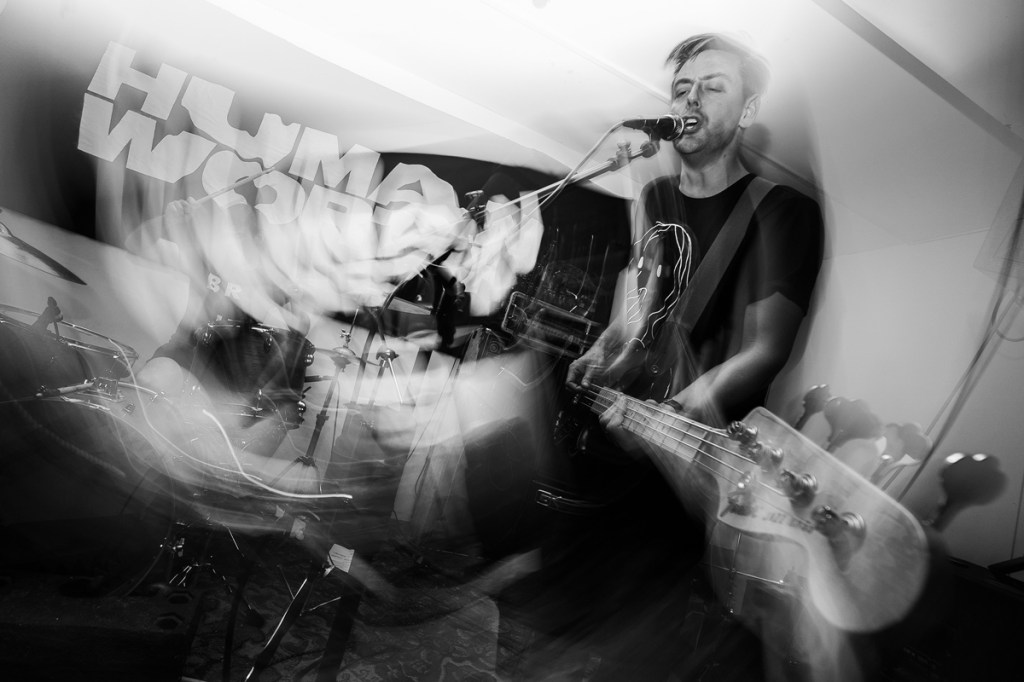
Modern Technology, photo by Jose Caamaño

You get a roughly 20 seconds of prelude before Modern Technology lays into “Dead Air.” The driving bass line and splayed accents on the drums early in the song are an apt vehicle for a song that about the climate disaster we’re experiencing in real time that we were told by officialdom was decades off and then recently 10-20 years as if that would placate anyone actually paying attention and living with the immediate effects. The distorted bass and vocals rip through that facade with images of an outdoors where the air is thick with pollution and “heat dome” effects in various parts of the planet. Noise rock, modern hardcore and extreme metal have been great vehicles for expressing the spirit of a time of multiple crises and London’s Modern Technology does so here with a colossal heft and yet leaves the song on a note of faint hope about how our civilization could change course and lessen the crushing impact of climate change even if we’ve seen no political global will on the part of the powers that be yet. Watch the video for “Dead Air” on YouTube and follow Modern Technology at the links below. The full-length album Conditions of Worth is out now including a limited vinyl edition via Human Worth with 10% of sales proceeds donated to the charity Choose Love.

Modern Technology on Facebook

Modern Technology on Instagram

Lily Mae Harrington Channels the Righteous Angst of Her Inner Psychedelic Alanis Morrissette on the Spirited Single “Salty”

Lily Mae Harrington, photo courtesy the artist

Lily Mae Harrington leans into her “psychedelic Alanis Morrissette side” on “Salty.” The spirited, punk-y pop song relates a tale of an ex who conveniently has a new lover so soon after the breakup that he’s showing off on his Instagram account including photos with his family. She’s wearing Harrington’s shirt that he stole too. The lame indignities are a dozen and more with this guy. But Harrington gets graphic about how they met and how he’s up to the same moves with his new girlfriend that he did with Harrington because of course he is. Typical. Harrington’s line “And I’m mad that you’re happy” is delivered with such cathartic zeal even in the end when she near whispers it just owns the anger and outrage while letting it go at least a little. Many of us have been there and Harrington gives a righteous fury and infectious melody to those heated emotions. Watch the video for “Salty” on YouTube and follow Lily Mae Harrington at the links provided. Her 2023 EP The Sun is My Lover is out now.

Lily Mae Harrington on TikTok

Lily Mae Harrington on Facebook

Lily Mae Harrington on Instagram

Moth Traps’ “Damaged Utensils” is a Warped Synth Pop Song For Fans of The Residents

Moth Traps, image courtesy the artist

“Damaged Utensils” begins with sounds like cars racing by on a nearby speedway. But Moth Traps has something much stranger in store for us as the soundscape transitions to what might be described as a synth pop song that mutates outside expected melodic shapes and rhythms. The vocals are mix of those that sound slightly slowed own and those that sound sped up like something one might hear on one of those strange albums The Residents were doing throughout the 90s and early 2000s. And the lyrics are also similarly surreal that make sense taken on their own logic. After all what is one to make of a chorus like “In this house we eat with damaged utensils/Always when we die now we use broken crockery”? That’s an interpretation best left to the individual listener given the rest of the lyrics but all arrows seem to point to a commentary on freeing oneself of the limits of preconceived notions of our cognitive framing of the world around us. It’s a bizarre song but one that is indisputably catchy and will strangely get stuck in your head. Listen to “Damaged Utensils” on Spotify and follow Moth Traps at the links below. The full album Atrophy Myths is out now on Exposed Code Records.

Moth Traps on TikTok

Moth Traps on Twitter

Moth Traps on Bandcamp

Moth Traps on Instagram

Haley’s Transcendent Pop Single “Walk Among the Dead” Dives Into the Complex Nuances of a Deep Love

Haley, photo courtesy the artist

On “Walk Among the Dead” Haley sounds like she’s singing to us from a spot high on a hilltop at a sky full of stars reflecting on the highlights and not so peak moments of a relationship. The shuffling beat sets a tangible foundation for the song as ethereal drones cast tonal colors in the background and a spare piano melody adds another moody dimension to the song to buoy up the clear and commanding vocals. The song feels like somewhere between a dream pop track and cosmic country or folk with lyrics that cast the challenges of the relationship about which Haley is singing in terms of accepting its challenges and its beautiful aspects in an adult way that values the connection even when it feels like it might sometimes hurt too much to sustain. In that way Haley makes even doubts seem like an aspect of any romance with actual depth of feeling to it. Listen to “Walk Among the Dead” on Spotify and follow Haley at the links below.

Haley on Facebook

Haley on Twitter

Haley on Instagram

Garage Sale’s Shoegaze Single “Blank Again” Washes Away Emotional Overload With an Alternately Raw Delicacy and Sonic Catharsis

Garage Sale, photo courtesy the artists

Garage Sale sets a mood of delicate introspection at the beginning of “Blank Again” with a guitar riff that lets all the details of the chord shine through. The lyrics seem to be written from the perspective of someone who has been through a period of great psychological duress and trauma and recovering from a period of emotional exhaustion when you feel like you have nothing left. The rhythm feels like a tentative taking of steps into an unfamiliar way of being but wanting to get back to a place of being able to trust your feelings again and how your brain works rather than the mode its’ been in for too long of tangling with too much and not enough the way maybe things felt for a lot of people during the early pandemic period. Later in the song the gorgeously warped, melodic maelstrom of guitar and syncopated percussion and bass washes over you like its flooding in and taking away some of the doubt and anxiety that simmers below the surface of the song’s more tranquil moments. It’s a new chapter of experimentation in songwriting for the band based in Melbourne, Australia, and it showcases the group’s ability to genre bend in favor of more widely expressive songwriting. Listen to “Blank Again” on Soundcloud and follow Garage Sale at the links below.

Garage Sale on Facebook

Garage Sale on Bandcamp

Garage Sale on Instagram

Babel’s “Mirror” is an Elegantly Expressed Dream Pop Song About Heartbreak, Breakup and Reconciliation

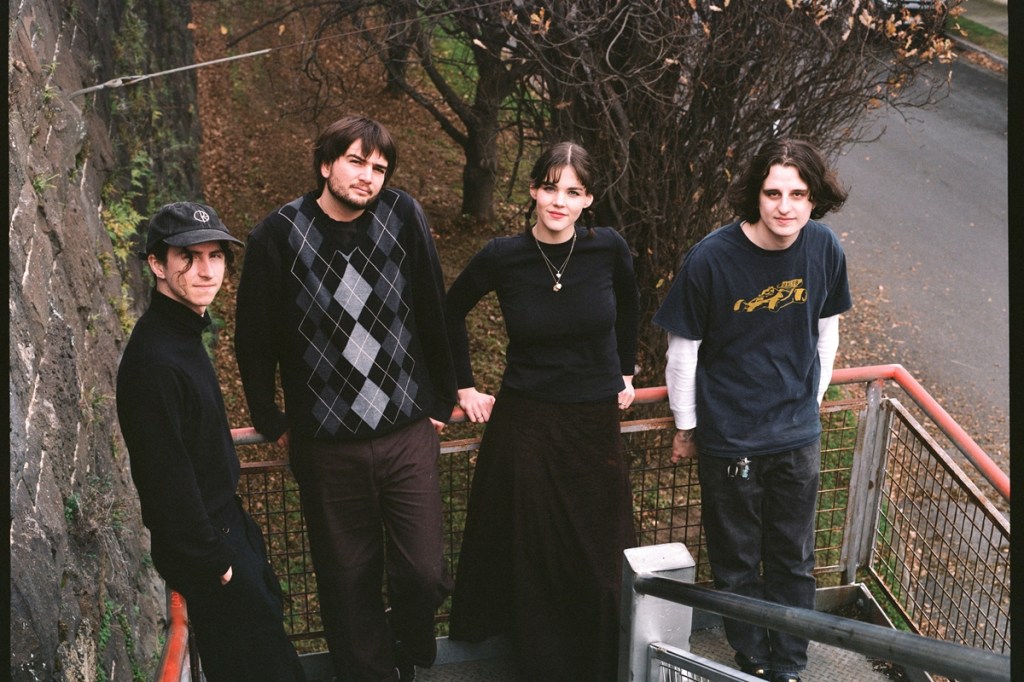
Babel, photo courtesy the artists

Babel’s seemingly simple composition for “Mirrors” lets the song’s arc of heartbreak, breakup and reconciliation hit as more melancholic than painful. The subtlety of the tone of resignation in the early part of the song as it flows into acceptance and then evolves into hope is remarkable in showing how often our hearts and minds can so easily switch from one feeling to another once our situational comprehension shifts and how affection doesn’t need to go through a torturous and dramatic process. Not if you’re an adult who understands that no one and no situation is perfect or ideal and that one’s emotional state need not be black and white. The change from the more somber use of piano to ethereal guitar and synth at the end is also an effective touch to change up not just the mood but the quality of the energy of expression with a change of approach to parallel the one more psychological. Listen to “Mirrors” on YouTube and follow the Finnish dream pop band Babel at the links below.

Babel on Facebook

Babel on Instagram

Orions Belte’s “When You’re Gone I’ll Be Gone” Fuses Classic Pop Melodicism and Noisy Psychedelia to Craft a Unique Soundtrack to Heartache

Orions Belte, photo courtesy the artists

Norwegian art pop group Orions Belte teamed up with Norway Grammy-nominated vocalist Louien aka Live Miranda Solberg for the delicate dream pop of “When You’re Gone I’ll Be Gone.” The track from the band’s new album Women (released October 6, 2023) is a bit of a departure for the trio well known for its amalgam of progressive rock, indie pop and psychedelia. Louien’s melodious vocals are like something out of an earlier decade of pop music backed by subtle low end and percussion accents. But later in the song Orions Belte comes in with the distorted and noisy psychedelia swimming in the keyboard melody sounding like it’s melting off the pristine, icicle tones and the song pulses in increasingly cacophonous glory before ending with a minimal tranquil riff on acoustic guitar. The song takes us through a gamut of emotional shifts befitting the song title and the lyrics delivered by Louien. Listen to “When You’re Gone I’ll Be Gone” on Spotify and follow Orions Belte at the links provided.

Orions Belte on Facebook

Orions Belte on Bandcamp

Orions Belte on Instagram

jake minch Taps Deeply Into the Bittersweet Nostalgia of the Unstructured Time of the Summers of Our Youth on “strip mall”

jake minch, photo courtesy the artist

During the late spring and summer of the early pandemic of 2020 it seemed like so much was up in the air and unless you were in a vital industry maybe you had plenty of time to indulge what it felt like to not have to be anywhere in particular at a particular time. Or if, like jake minch, you were in high school and it was a summer of talking with friends over video calls and bonding with friends in a way that involved a necessary physical distance but because you couldn’t necessarily make plans you could devote your time to these necessitated portals of communication and maybe that meant being more open and real and psychologically intimate than might have happened under normal circumstances resulting in a different kind of connection with your peers. For a brief period in our national history of recent years it seemed that most people recognized the fragility of their own existence and interdependence on other people they might have otherwise forgotten and that raw and vulnerable state of thing meant a bit more recognition of the value of other people in a way that wasn’t as obvious previously and an awareness that snapped back to business as usual soon enough. That extended liminal moment is what informs the emotional backdrop of minch’s song “strip mall.” With essentially just his delicate vocals and an acoustic guitar minch relates how memories of a t-shirt he saw an ex wear shopping at a strip mall when he returned home from college to visit and how that triggered an intense emotional resonance that brings him right back to the moments that helped define a significant moment in his life when he loved being younger and seeming to have all the time in the world to indulge in youthful exuberance and connections that seem like they’ll last forever in the context of one’s relative short life thus far but which wash past you quickly and maybe you hate that you’ll never be able to recapture that time in which you felt like you had so much freedom and endless possibilities even if there was a specter of a global pandemic in the case of minch and any other young person at that time. But many of us got to experience some of that energy again at a time in life when some adult concerns had of necessity to be put on hold for longer than we can consciously remember except in our youths. Maybe minch’s song is bittersweet and melancholy but it powerful conjures both those memories with the immediacy and accessibility of its emotional resonance in anchoring it to concrete imagery. Watch the video for “strip mall” on YouTube and follow jake minch on Instagram.