“If Your Sky Should Fall” finds evrshde draping a measured, echoing beat in billowing tones and descending, gauzy tones. It’s a love song but invokes a more unconventional, nuanced and complicated understanding of what it means to actually relate to anyone who is sensitive and has struggled with the disappointments we all face, scarred a bit by emotional abuse and weary of potential mistreatment, guard up and hesitant to be involved—wary of needing to fulfill an idealized role that they can’t really consistently live up to. The pacing of the song is like a slow walk down a darkly foggy path with the music swelling up with incandescent flares of warmth and light periodically to light the way. And that’s the vibe of the song in general, gentle, unobtrusive but reassuring. Fans of HTRK and the more enigmatic and ambient end of Enya will appreciate the song’s soundscapes. Listen to “If Your Sky Should Fall” on Spotify and follow evrshde at the links below.
Mary Middlefield’s live performance video for “Heart’s Desire” lends a more grounded and human face to its dark story of a young woman and her interactions with an older man who abuses his position of relative authority. The intricate guitar work and orchestral arrangements and Middlefield’s vulnerable vocals for most of the song gives it a quality that one might expect out of a sort of indie folk inflected dream pop song but the lyrics reveal a lot about a warped interpersonal dynamic that doesn’t lead to healthy places. In the video Middlefield looks like she’s re-living some of these harrowing experiences without being explicit in the sordid details. It’s a conventionally beautiful song in its arrangements and lively rhythms and flow of melody. But there’s a surprise for everyone that watches to the end because the lyrics end in a different way than the studio version that’s readily available and Middlefield sings in the end, screaming with her entire being and arching backward with the force of emotion, “You grow old and I’ll watch you die” and repeating the line. But it’s not dark so much as cathartic for everyone who has been in a situation like the kind she outlines in the song and for far too many young women it isn’t uncommon. Watch the video for “Heart’s Desire” on YouTube and follow the Swedish singer-songwriter at the links below.
Beans is back with his bravura display of verbal mastery in “ZWAARD 1,” the opening salvo for his forthcoming album ZWAARD (out March 15, 2024 via his own imprint Tyger Rawwk Rcrds). This time out the rapper worked with Finnish producer Sasu Ripatti aka Vladislav Delay. The song is the first of fourteen tracks with the same title followed by the corresponding track number. Beans seems to be exploring the current state of hip-hop and his own struggles and coming to terms with his own mortality while still being caught up in pushing his art forward. The rapid-fire flow of poetry while hyperkinetic percussion and splashes of melodic keyboards looped set a nervy urgency pulls us along in the wake of Beans’ headlong pace as he makes observations about how things are and despite how the song has that irresistible forward momentum the rapper sounds like he’s taking it easy and provides a model for keeping an even keel even when you are operating in a world and an environment that seems in a hurry. He maintains an artful grace in the face of an accelerated culture. Listen to “ZWAARD 1” on YouTube and follow the former member of legendary hip-hop crew Antipop Consortium Beans at the links below.
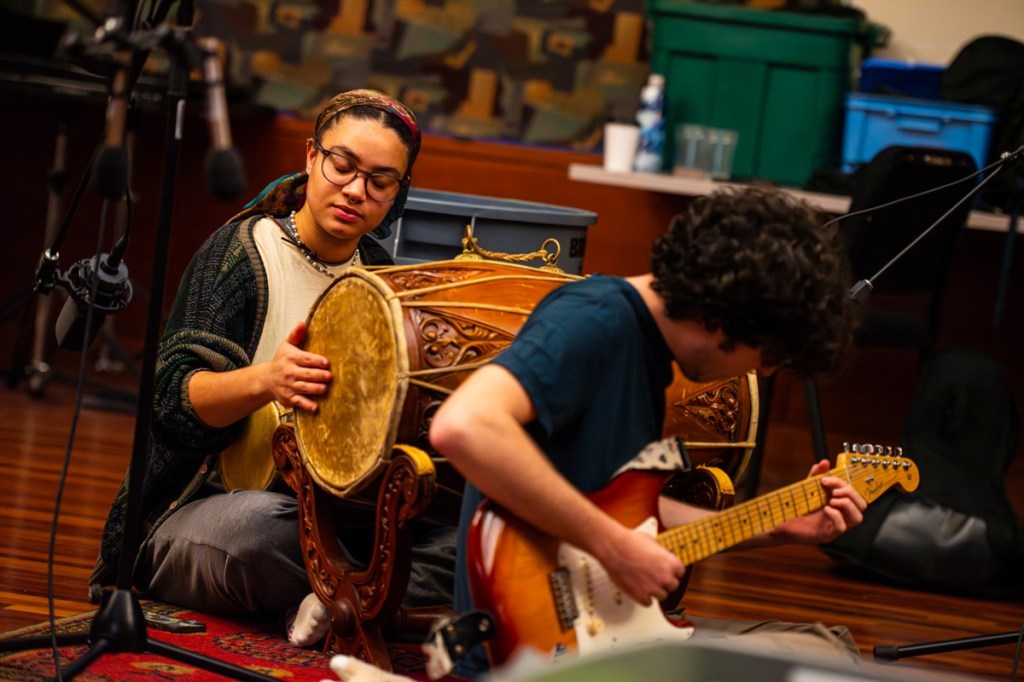
The softly percussive atmospheric sounds at the beginning of “My Far Away Femme” by Sivan Levy is so hushed and ethereal it’s ghostly in its presence but seems to transform into vivid piano tones that ripple like droplets in a pool of water as the tipping off point for the singer’s vocals. At around the halfway point there is a string chord progression that turns as though processed through a phaser conveying a sense of desolation so complete so efficiently it’s gently heartbreaking. Washes of white noise in the distance like a ferocious coastal wind give the song a deeply haunted quality that truly enhances the lyrics that might be despairing words to a loved one or to oneself about how it’s easy to fall in love with the ideal of someone at a distance when that image isn’t reality and those feelings built on a foundation of nothing. “Your fantasy does not exist,” Levy sings to sum up the actual reality of the situation and sometimes the truth hurts even when surrounded with gossamer flows of sound and a soft delivery as Levy offers here. The song is a sort of art dream pop with an ear for layers of ambient soundscapes that feel like one is stripping away layers of wishful thinking. Listen to “My Far Away Femme” on Spotify and follow Sivan Levy at the links below. Levy’s latest EP side:w released on February 4, 2024.
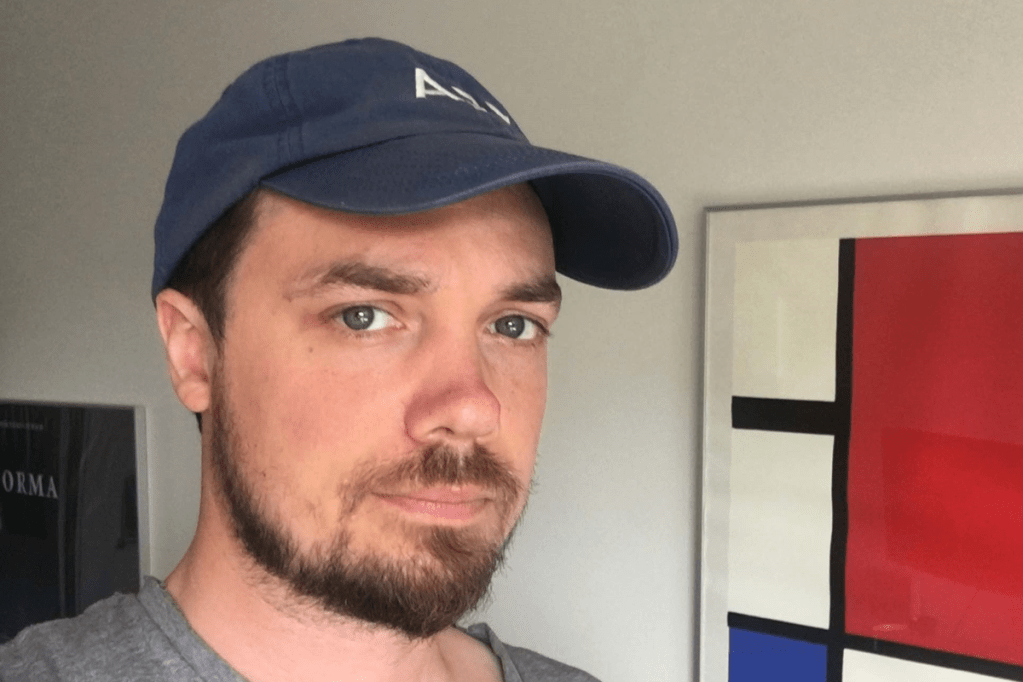
Composer Tommy Simpson is releasing the song “Reassembling the Self” as a single under his experimental electronic moniker of Macro/micro. The track was originally written as part of the score to a forthcoming science fiction short film called R.A.E.R. BETA 0027 about, according to the film’s tagline, “a woman struggling to overcome a traumatic loss” who “seeks out help from a tech developer with a device that promises to accelerate the emotional healing process.” The beat-driven track works separate from that context as a song with a melancholic tonal echo of a melody that resonates in the near distance while a gentle industrial beat traces what feels like a process suggested by the title. Knowing some of the plot of the film only helps to hear in the song the kind of grace, patience and care one needs to exercise when you feel like you’ve come apart a little or more than a little and you want to get yourself on a better footing and often that takes some meticulous and steady effort without rushing yourself like you’re a mass manufactured product. Maybe some guided work can feel like you’re re-engineering your psyche some and that can help the process of coming back into yourself go more quickly. It’s a short song but it hits like a nuanced and extended emotional mantra that helps you to wrangle up some of the rough edges and put them back into place. Not a meditation so much as a set of sounds that keeps you on a track to center yourself as you ease yourself into a better place. Listen to “Reassembling the Self” on Spotify where you can hear the rest of Simpson’s deeply evocative score to the film and follow Micro/macro at the links below.
The Queen of Death Gospel, Louise Lemón, is set to release her third album Lifetime of Tears on February 23, 2024 via Icons Creating Evil Art. The current single “Tears as Fuel” is emblematic of a record that began in the aftermath of a breakup and parting ways with a chapter in the songwriter’s life. The video for the song filmed in Barcelona (directed by Johan Lundsten) shows Lemón walking the beach and overlooking the city while the wind tumbles through her hair, later walking through the city’s night scenes as the lush piano work and brushed, finely cadenced percussion accompany her words about feeling like all she had in a relationship at a certain point was tears and the pain especially after the realization that she had nothing with the person she had loved. When you’re in that state sometimes you just want to hold on to something that meant something to you and the emotions you invested into the relationship so you revel in that emotional pain at least for a while. The flaring guitar in the last part of the song alongside the psychedelic organ melody and Lemón’s soaring and passionate vocals leaves you with the impression that this melancholic yet triumphant dream pop song is an expression of the acknowledgment that there’s nothing left of the relationship and it’s time to give up any lingering hope or attachment to it and move on even if your feelings can still be affected by your memories of the pain and when things didn’t seem off. Watch the video for “Tears as Fuel” on YouTube and follow Louise Lemón at the links below.
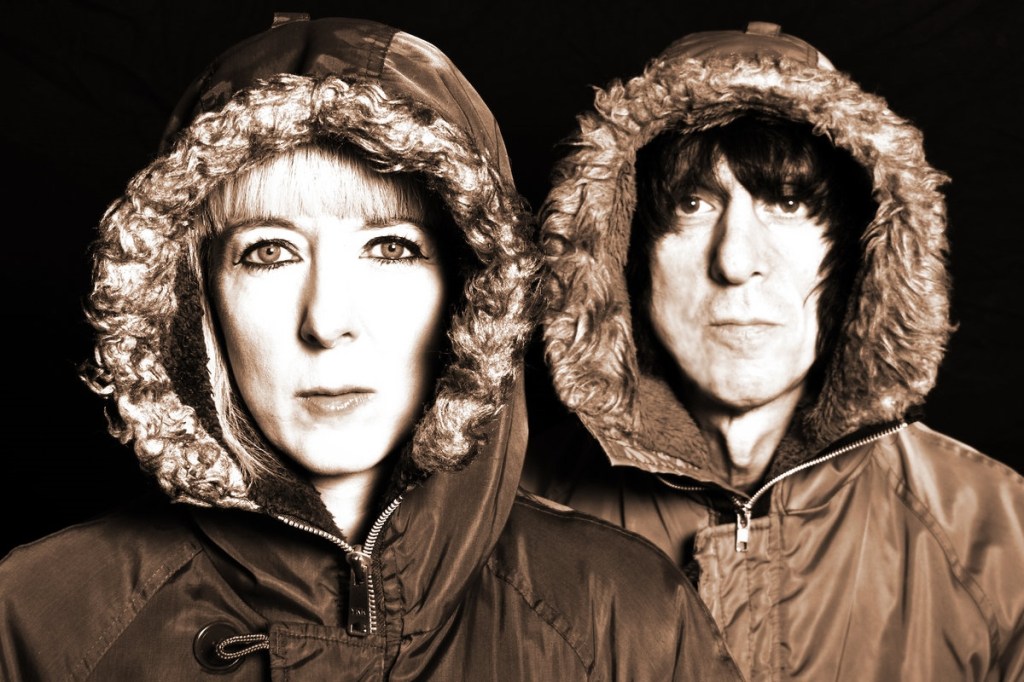
Mayzie sounds like she’s awash in static and boiling frustration on “Boys Will Be Boys.” The menacing and dark sparkle of the guitar work is reminiscent of both Fields of the Nephilim and Babes in Toyland at once. The attitude and vocal tone is oddly reminiscent of Romeo Void’s “Never Say Never” as the vocalist describes the essence of the ways certain male musicians, even now, even after decades of the accomplishments of female artists creatively and professionally, center themselves at the expense of others in ways and with a consistency that deserves a reckoning. Mincing now words, Mayzie delivers a bit of that here. The song’s thrilling and darkly noisy post-punk flavor serves the subject matter well by conveying perfectly the disdain and invective Mayzie pours into the song with a caustic atmospheric quality that isn’t short on splintery texture. Listen to “Boys Will Be Boys” on Spotify and follow Mayzie on Instagram.
Savanna Leigh expresses in vivid detail sentiments in “like i used to” that many of us have thought once we’ve aged sufficiently far into adulthood to have some perspective on life. With some shimmery, slightly gritty guitar rhythm guitar as accompaniment to build the mood of romantic nostalgia, Leigh’s voice is brimming with bittersweet reverie at reflecting on who she felt she has lost and the seemingly long ago memories of what it was like to be a girl and a teenager when you can look back and remember how free you were, how untrammeled by the experience of life and the compromises required of you as you enter the adult world, the unstructured time and lack of responsibility and relative lack of concern for the consequences of your actions because you feel like there can’t be too many when you’re following your youthful urges for adventure and exploration of your world, testing boundaries and breaking them. And it’s easy to romanticize one’s youth when you don’t have that level of freedom in your adult life and you don’t get up every day with the thrill of living coursing through your being and you can sing a line like “I guess I don’t love me like I used to” without too much irony as Leigh does in this song. But there’s a lot to not love about being a kid or a teen and your freedoms are different and your actual limitations less even if things are more complicated. But wouldn’t we all want to be able to live as an adult with a similar degree of carefree spirit and engagement at the relative newness of experiences and knowledge? Maybe in some future civilization that will all be possible for humans for their entire lives. But there is something somehow comforting and motivating about looking back as Leigh has in this song to make your current life as vital as the one you miss and to be the kind of person you want to be in spite of how uninspiring adulting can be. Watch the video for “like i used to” on YouTube and follow Savanna Leigh at the links below.
Benni stares off into the distance and walks along a beach in the late afternoon and evening in shifting images throughout the video for “September 20” (directed by Charline Albert). A spare and expansive piano line accompanies Benni’s regretful vocals creating a vulnerable setting for the song. Benni stretches out into a range of feelings in her performance as she outlines how she’s sorry for having hurt someone close to her in a way that seems unforgivable yet she seems to feel compelled to be open about the ways in which she has caused emotional harm and in the video we see some of these words written on sheets that Benni gathers up like the scraps of the relationship and tries to reassemble them on the sand and lays upon them when they are laid out, thus living in those words, owning her actions and the need to be truthful about her misdeeds in a way that feels powerfully sincere especially as the music ascends in a sweeping climax before dissolving to the end with an image of Benni burning her words at dusk. Sometimes you just have to say you’re sorry not expecting it’s going to fix anything or for a storybook reconciliation.The song centers Benni’s heartfelt vocals and it’s almost easy to miss the orchestral vistas of the rest of the music but it all measures up to a vivid and compelling apology for not being a better person with the implicit expression of a desire to do better. Watch the video for “September 20” on YouTube and follow Benni at the links below. Look for her debut EP in 2024.
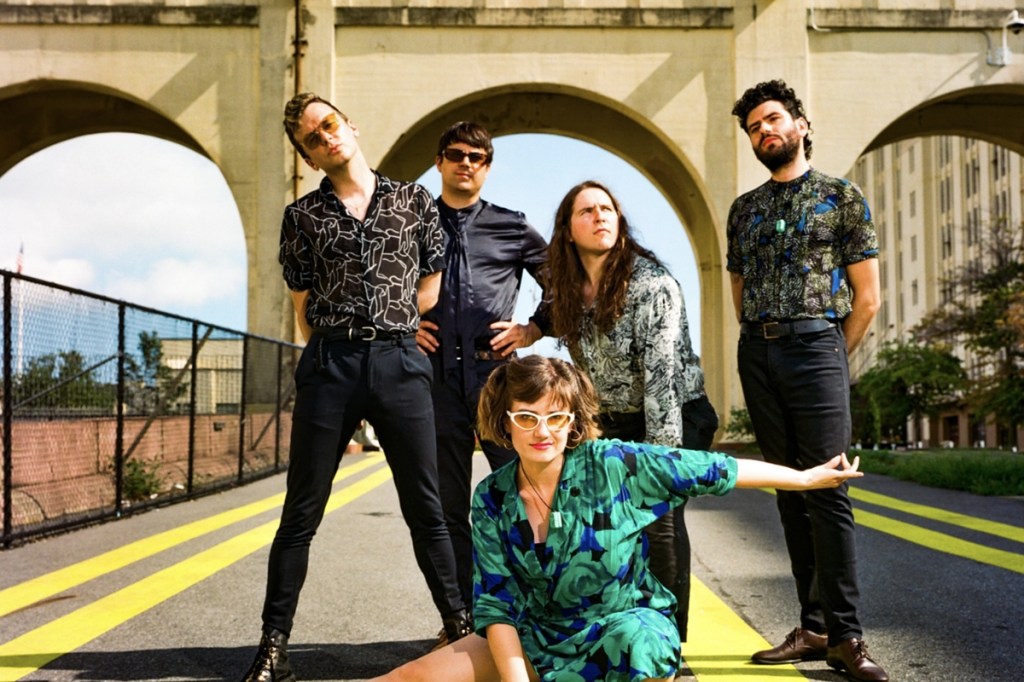
There’s something of the the promise of tragedy ahead in the beginning of “Scattered Red, Blue & Black” by A Knife Ballet. A lonely guitar figure floats in space joined soon by strings and companion guitar work like images in a film conveying movement toward something menacing. Bell tones accent the rhythm and the musical elements shift in expression so that the strings are less melancholic and more anxious and urgent as the song progresses and all sounds but the barest guitar drop off and then return with great, clashing clamor. The second half of the song is an almost martial rhythm haunted by violin commenting on the dire consequences of some great melodrama to which the song seems to be a score. Musically it’s a blend of German Romantic classical and post-rock both the more tender and haunted manner of Slint and its broadly subtle dynamic range and Mogwait’s cinematic intensity. And you certainly want to see the movie that inspired the music or the one it inspires. Listen to “Scattered Red, Blue & Black” on YouTube and follow A Knife Ballet at the links below. The song was taken from the forthcoming For The Blood Of England LP.
You must be logged in to post a comment.