Wesley West Perfectly Captures the Feeling of an Un-rushed Day While in the Presence of Your Beloved on “All The Time”

WesleyWest4_crop
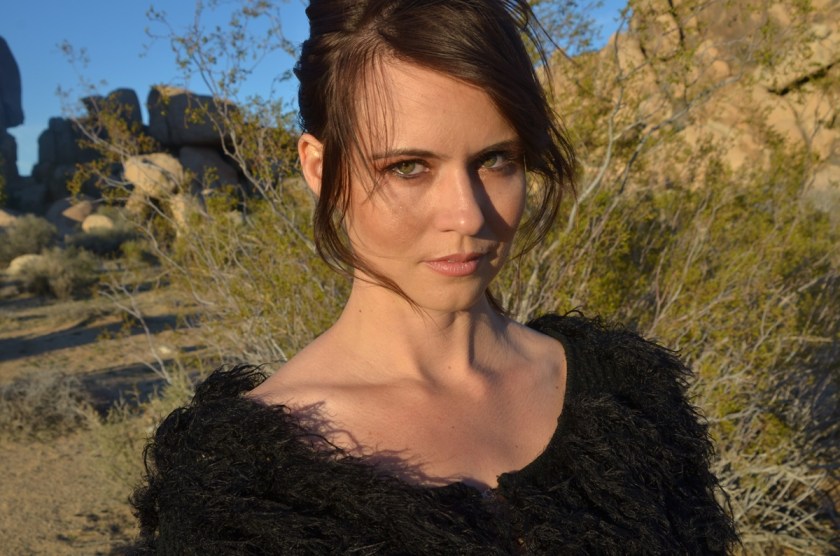
Wesley West, photo courtesy the artist

The genre of the artist writing a song for their lover and the process is nothing new. But South African songwriter Wesley West brings to his third single “All The Time” an evocative multi-layered melody from spare guitar, warm vocals, textural percussion, synth figures and atmospherics to give the track a hazy uplift and sub-bass that seems to not only provide a strong backbone for a song with such a delicate emotional sensibility but the current of primary rhythm as well. West articulates in wistful fashion the feeling of having all the time in the world while in the throes of love without it seeming like a pop cliché. We get lost in the moment with him in the rich but subtle backdrop of music that feels like the embrace of the emotion as well. Listen to “All The Time” on Soundcloud and follow Wesley West at the links provided.

soundcloud.com/wesleywestmusic
open.spotify.com/artist/0Lsgt1lP2vsV5nbenqhahz
youtube.com/channel/UCBfRrwVEuYRxU83I3pukVmw
facebook.com/wesleywestmusic
instagram.com/wesleywestmusic


Wes Fowler’s Tender and Bittersweet Ballad “Time Machine” is the Remorseful Portrait of True Love Lost

WesFowler1_Crop
Wes Fowler, photo courtesy the artist

Wes Fowler uses a familiar conceit in his song “Time Machine.” The whole wishing one had a time machine to go back and fix all his mistakes with a loved one. Weaving in samples from an answering machine, it feels like Fowler is revisiting the kind of personal pain that a guilty conscience will not let you leave behind. But there isn’t a perverse obsession expressed in this song, just a gentleness of spirit, genuine contrition and a deep sorrow with which he’s just now coming to terms. While we’re never told in the song what happened to the subject of the song whether maybe they have passed or whether the song’s narrator has damaged the former relationship beyond repair. But the love he realizes he lost comes through strongly in his vocal inflections and through the spare guitar melody. So much so that the final line of the song hits strongly, “You were the love of my life and I never even let you know.” Listen to “Time Machine” on Spotify and follow Fowler at the links provided.

wesfowlermusic.com
instagram.com/wesfowler_

“Landslide” by Helenor is a Wry Commentary on Dispensing With Psychological Paralysis and Decorum When Your World is Turning Upside Down

Helenor2
Helenor, photo courtesy the artist

Helenor’s new single “Landslide,” from the debut album something twice, is a surreal pop parable about disaster, natural and in one’s own life and how there’s simply no roadmap to situations that are beyond anyone’s expertise. The loping bass line, the warped synth melody and the slackery vocal delivery enhance the unreality of the situations songwriter david DiAngelis lays out for us in his words. “Everyone is sloppy in the landslide,” he sings, “simply grab your things and go away. It’s not all that complicated, trust yourself if you need a lot of help today.” The line seems so dark and heartless but, really, did anyone send in the chopper to rescue Pliny the Elder when he insisted on documenting the eruption of Vesuvius? Not only no because helicopters didn’t exist then but his nephew had to be the one to preserve the account of the event for posterity in his own writings as someone who fled from the disaster and didn’t stick around in the name of science. DiAngelis suggests that in dire situations we may feel like we have a command of the situation when no one could and that there will be a time when we’re on our own. If some violent person is breaking into your home your alarm system won’t put up a force field between you and the violator and if you find yourself in a situation like The Night of the Living Dead you’re going to have to make do even if you look ridiculous doing so and not count on the authorities to act quickly enough to make a difference for you. As Bill Hicks famously joked about Reginald Denny maybe needing to put on the gas instead of stopping for the rioters who beat him up during the 1992 Los Angeles Riots, perhaps decorum isn’t always the best choice. You simply have no time to scramble or get stuck when shit goes down. There are no judgments in this whimsical pop song just a stark reality and finding the dry humor in it all. Listen to “Landslide” on Soundcloud and follow Helenor at the links below.

helenorhelenor.com
soundcloud.com/helenorhelenor
open.spotify.com/artist/48ArPjkg4eeTRFMB9abusw
twitter.com/helenorhelenor
facebook.com/helenorface
instagram.com/helenorhelenor

Jess Chalker’s Introspective But Urgent “Dance in the Rain” is a Synth Pop Critique of the Pervasiveness of Corporate Culture

JessChalker1_sm
Jess Chalker, photo courtesy the artist

With her luminous new single “Dance in the Rain” Jess Chalker uses the sounds and rhythms one might expect from a 1980s pop song, maybe something by Bonnie Tyler or Kim Wilde, to sing about a subject so resonant then as it is now. The lush synths and vividly dramatic and dynamic vocals and slap bass accents place the songwriting style well as it suits the subject matter perfectly. In the 1980s the right wing in America and the UK had turned over decades of the opposite and an era of crass materialism and commercialism reigned supreme. Fast forward a few decades and we have a corrupt international system of commerce with even more dangerous right wing regimes in power in the UK and across the pond in the USA with the international oligarchy given economic and political privileges unseen since the early twentieth century. Chalker in putting a personal touch to the subject using it as a cultural backdrop and singing to a former love about the year they spent taking chances and living by ideals and not selling off their time to a corporation that isn’t compensating adequately and thus adding one’s, as Chalker deftly puts it, “shine” to the “corporate lights” and losing sight of one’s dreams and one’s inherent dignity and that of others. The song is introspective but has a thrilling emotional urgency and delicacy that is often underappreciated in 80s synth pop. Perhaps that’s some of the appeal of that music for the past decade to a decade and a half as a kind of resistance to the prevailing politics and its resultant culture was embedded into quite a bit of that music. Listen to “Dance in the Rain” on Soundcloud and follow Chalker at the link below. Look out soon for the monochrome, stop-motion animation video out soon.

open.spotify.com/artist/3fBjKfBNe9rqMlg2juMryM

In Musical Form Kyson Shows the Unity of Mind, Body and Nature on His Single “After the Rain”

Kyson1_crop
Kyson, photo courtesy the artist

Kyson wrote “After the Rain” in the wake of dealing with a “minor health scare” that required half a year of medication. But following that he experienced a period of clarity and hope. The ghost pulse of indistinct tone haunting the beginning of the song and periodically thereafter, the hazy melody of distorted synths later on and processed vocals contrasted with the clear, resonant singing and spare guitar give the song a sonic depth and undeniable emotional impact. In the words Kyson parallels phenomena in nature with human emotion and suggests how the two are inexplicably intertwined in a way we often don’t appreciate until we are confronted by that reality through illness in ourselves, in our loved ones. The mind-body-nature separation that is part of many major world religions as we know them makes this concept cognitively challenging. Though certainly not the first human or artist to do so, Kyson, in sussing out on a personal level those interconnections has given us a song that musically brings together seemingly disparate elements in a synergistic unity. Listen to “After the Rain” on Soundcloud and follow Kyson at the links below.

kyson-music.com
soundcloud.com/kyson
open.spotify.com/artist/1ysHnRqLx1sIFxUlahQftx
kyson.bandcamp.com
facebook.com/kysonproductions
instagram.com/kyson_____

Parts Evokes a Yearning For a Life of Meaningful Experiences and Choices on its New Single “Empty Days”

Parts1_crop
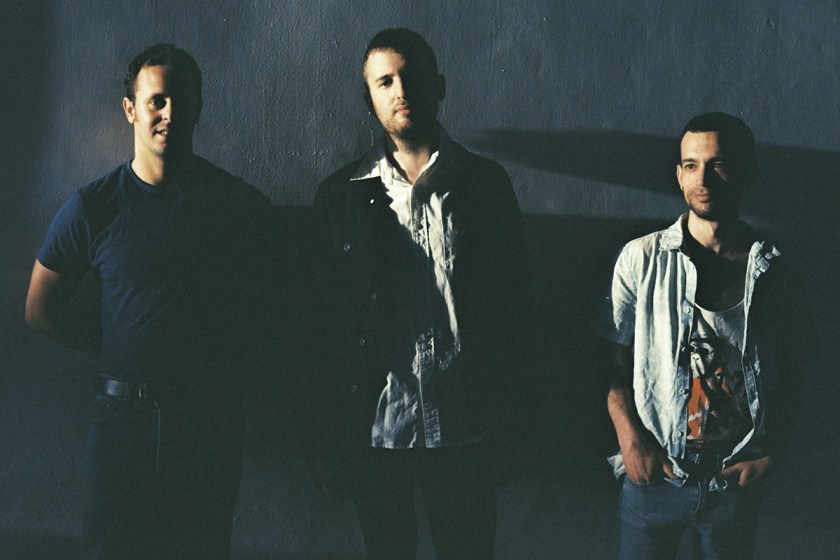
Parts, photo courtesy the artists

The angular guitar line and rhythm of “Empty Days” by Parts when coupled with the psychedelic synth swells is a bit reminiscent of Radiohead circa “Paranoid Android” but with a funky soulfulness that serves to give the song at times a softer touch. The contrasts help to highlight the song’s lyrics about the modern era in which increasing amounts of our time is demanded in order to survive and even if you’re one of the lucky few to enjoy the benefits of being affluent, you, like everyone else, is bombarded with a lot of useless information competing for your attention and real estate in your psyche. Over half a century ago the Rolling Stones sang something about “a lot of useless information trying to fire [your] imagination” and that’s nothing compared to now when your data is mined and fed back to you through an algorithmic analysis of preferences intended to infiltrate your life and and lifestyle by making what the company offers what it is you desire, streamlining your experience in line with what makes profits easiest and most “cost effective.” A lot of the world is processed for you mediated through your phone screen or elsewhere and yet everyone deep down knows this is a stunted and inauthentic existence even if it seems normal and inevitable now. People crave meaning in their lives much more so than the empty calorie experiences and entertainment that is very often offered. This song bemoans a steady diet of mediocrity and horror in order to distract us from turning over the order of things that perpetuates that cycle. Listen to “Empty Days” on Soundcloud and follow Parts at the links below.

open.spotify.com/artist/37JJViFsaClJdlhMpyemDJ
youtube.com/channel/UCfZKBuKgW9dxQV4mMsuhZzg
twitter.com/PartsTLVband
facebook.com/partsband00
instagram.com/parts.party

The Processional and Minimal “Address” by La Loba is Imbued With the Spirit of Personal Mysticism

LaLoba3_sm
La Loba, photo courtesy the artist

The harmonium drone of La Loba’s “Address” is reminiscent of the bag pipes and hypnotic compound time structure suits the mantra-like vocals. The slight flutter changing between notes sets a processional pace as the words speak of being lost and wanting to manifest dreams and the finding the hard path there in the desert but fearing to leave the comfort of a confining social background that nevertheless gives one’s life definition and a meaning maybe you’ve outgrown. Minimal in its compositional elements (voice and harmonium), it’s impossible to not think of Nico’s solo albums, in particular her 1970 album Desertshore with its air of spiritual wanderlust and a search for meaning. Of course one might think also of Lisa Gerrard’s “Persian Love Song” from her first solo album outside of Dead Can Dance, 1995’s The Mirror Pool. Except that “Address” is more stripped down than either but there is a certain energy to the song that suggests extending to the transcendent. Listen to “Address” on Soundcloud and follow the band at the link provided.

RALPH Deftly Brushes Off a Creepy Ex in the Exuberant Dance Pop Song “No Muss No Fuss”

RALPH1_crop
RALPH, photo courtesy the artist

“I want no muss, no fuss, no us,” is the to the point tagline of the chorus of RALPH’s new single “No Muss No Fuss” about an ex who not only can’t let go but who goes out of his way to be in her life in every way he can imagine. You know, going to where he knows she’ll be whether it’s the neighborhood coffee shop or social gatherings where he doesn’t belong or where he wouldn’t otherwise go as if that reminder would ever make her reconsider being involved again. Why anyone thinks this is effective or viable is a mystery, like wishful thinking in the fact of all information to the contrary. But RALPH makes the best of it with a humorous dismissal of this pathetic, childish behavior by spelling out in no uncertain terms that it’s not going to happen, there are no feelings to rekindle and that she has long since moved on. The buoyant melody and upbeat rhythm and inventive, unconventional dynamics and confident tone make the latter obvious. Watch the song’s video below, directed by Gemma Warren, as RALPH dances away the petty annoyance in style, and follow RALPH at her Soundcloud account.

soundcloud.com/songsbyralph

BAUM Mourns the Loss of a Friend and the Impossible Reconciliation on “Bad Kid”

Baum1_crop
Baum, photo courtesy the artist

The tonal bend and stretch in the opening moments of BAUM’s “Bad Kid” let you know you’re in for something a little different. The song is a complex portrait of a woman looking back on a friendship that had more than a few bumps in the road and coming upon her in the wake of the death of that friend. BAUM achingly tells us of a troubled youth who took advantage of a friend who may have had some mental health issues in pursuit of the desires that drove her beyond her will. And yet it’s clear that there was some kind of moving past the selfish act but now the narrator of the story feels the intense guilt of that terrible moment years ago and lamenting with her entire being not trying to make amends for that act until it was too late. The influence of this unnamed person is evident from the very first words of the song with maybe the friend representing some ideal or ethos and passing that passion or way of being forward: “I got my fire from you, burned me when you passed it down, never easy carrying somebody’s flame around, ooh, it’s from you.” Many people talk about how they wish they had reached out to a loved one or a friend for years and make posts to social media about how you should hug your loved ones and hold them tight in the wake of the death of a friend of family member. “Bad Kid” comes out of that sort of upswell of feeling but in personalizing it with poignant details the song is devastating. Listen to “Bad Kid” on Soundcloud and follow BAUM at the links below.

soundcloud.com/sheisbaum
open.spotify.com/artist/4XUgU65QR7O1xlzuRRCcUQ
twitter.com/sheisbaum
facebook.com/sheisbaum
instagram.com/sheisbaum

Echodrone’s “Winter” Sounds Like the Cycle and Aftermath of a 500-Year Blizzard

Echodrone3_lg
Echodrone, image courtesy the band

Echodrone’s colossal “Winter” eases in with sounds like the albatross fleeing a coming storm that is bleeding over the horizon like a dark outline. And with a minimal guitar line like the early flutter of snow before the blizzard the song comes rolling in gradually but with great force. The percussion hits with a staggered cadence as the musical storm builds in pitch, tone and intensity. A soaring keyboard melody keeps the pace and conveys an end of the world sense like the category five hurricane of snowfall. But the momentum drops out six minutes in and lonely guitar and a cymbal figure trace the sunrise and the calm of the blanketed/blighted landscape and suggesting a stark beauty filled with hope that worst is over. Triumphant passages of sound replace that calm and collapse into cacophony like massive structures of ice and snow cracking and crumbling in the heat of the late winter sun, yielding streams and the signs of the first new growth of the coming season. At this point vocals enter the song over twelve minutes in striking chords paradoxical chords of joy and melancholy. The song ends with its most experimental soundscaping in minimal synth figures and echoing guitar sounds bouncing back in reverse. If the song isn’t supposed to be an expression of the cycle of winter or a cycle of life it surely takes you through some changes without sacrificing a respectable level of sustained thematic continuity without ever getting stuck in a rut. The sing is part of the the group’s new full-length Everything Starts out September 10, 2019 on Dome A Records. Listen to “Winter” on Soundcloud and follow Echodrone at the links below.

echodrone.com
soundcloud.com/echodroneband
domearecords.bandcamp.com
twitter.com/Echodrone
facebook.com/echodrone
instagram.com/echodroneofficial