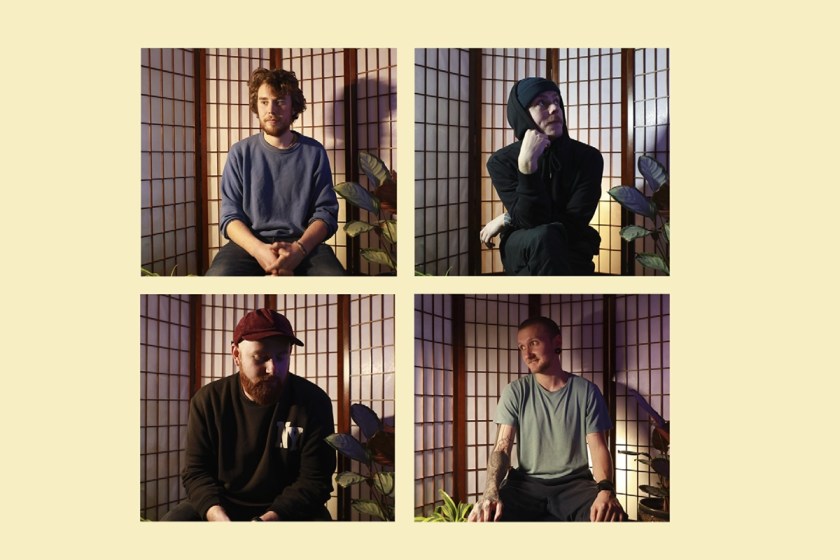
The lush production of Turista’s “All of Your Cards” gives it the hazy, soft lighting quality of an early 80s pop music video. But as the song progresses to the end the through line dissolves into pure, abstract bliss. An interesting way to end a song that seems to be about being open and learning to trust and dispensing with the games people play with each other like you need to compete with people you know or with whom you might become involved or are involved. That dynamic puts up barriers to understanding and real intimacy, the kind the vibe of the song embodies. Fans of vaporwave generally will enjoy this song’s chill tones and almost meditative pace but Turista weaves in a bit of chiptune composition here and the key changes and lo-fi flourishes give the emotional coloring of the track something darker and more enigmatic than is immediately obvious. Listen to “All of Your Cards” on Spotify and follow Turista on Instagram.
ST3PH teams up with Karl Williams for the track “Babylon” for a song that critiques compromising one’s values to fit in line with the values and culture of the power and economic elite. The beat utilizes some trap production but pairs it with a phasing, slow bouncing synth line and an intro that sounds like music one might hear at a mass transit station late at night—that lonely yet clear arpeggio intended to soothe rather than alert. Using the term “Babylon” as Rastafarians used for the same socio-cultural phenomenon in a variety of contexts, the video shows a figure who resembles and presumably represents Boris Johnson being kidnapped and shown out of the places of power alongside other authority figures. Not violently but in a way that leaves him and them confused like they never anticipated being put out of power without knowing how it happened or when that process started when in fact it starts in the consciousness of the oppressed who are tired of fake populists and authoritarians making all the decisions impacting their lives and coming to realize that all power is granted and can easily dissolve if people decide to place that power elsewhere. ST3PH’s more contemplative trading off with Karl Williams’ more angular, hard delivery is an interesting contrast showing how hard and soft power can work together to deliver an important message both in a song and in life. Watch the video for “Babylon” on YouTube as well as the debut episode of I AM ST3PH “Feels like its gonna go Bang!” where you can learn more about the story of the songwriter. Connect with ST3PH at the links below.
I AM ST3PH, Episode 01: “Feels like it’s gonna go Bang!”
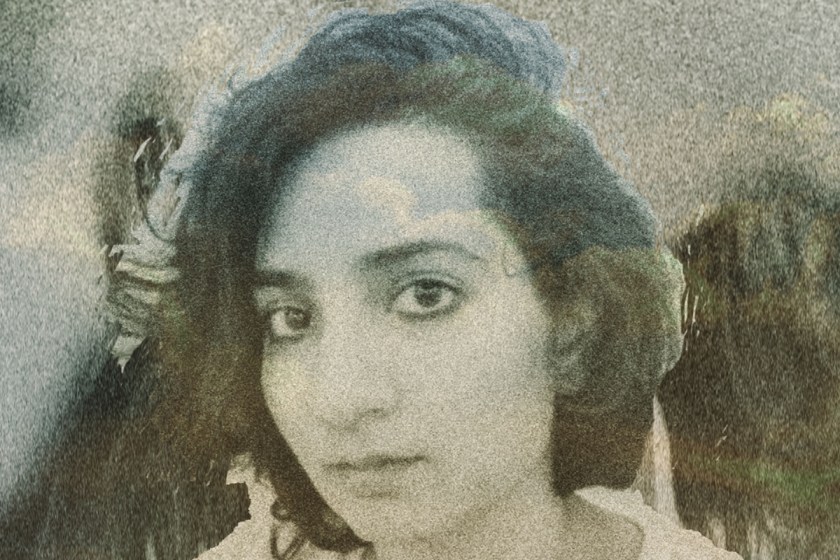
Beverly Moon’s debut single “Ocean Eyes” was written for a family member not long after their passing. This person spent their whole life near the ocean surfing, diving and sailing and the sort of idyllic existence one imagines from that is captured well in the perfectly drawn out strums into hanging notes and hazy atmospherics of the song and the way the vocals sound wistful in memory of a person who always seemed strong and supportive but carefree. The way chords roll off the main progression and rhythm suggests easy waves and better times. But the melancholic mood of the song is undeniable and the sense of loss at the center of it is undeniable. But like some of the more poppy songs of Slowdive or Beach Fossils “Ocean Eyes” floods that pain with transporting energy and a sense of uneasy acceptance of what we feel has been taken away from us so soon. Listen to “Ocean Eyes” on Spotify and connect with Bournemouth, UK-based Beverly Moon at the links below. The single was released at the end of February 2020 through Canadian Label LHM Records and Norwegian label Brilliance and can be purchased here.
There is a sense of drifting through time and space contemplating life’s challenges and possibilities in Mukura’s single “As Long as There is Time.” The song starts off like a collage of Mellotron warble, Casio tones and piano and Mukura’s vocals both carrying the melody and accenting the rhythm. Near the two minute mark the song takes on a different character, drones warp and bend, Mukura’s vocals are more spoken internal dialogue for several moments before floating off into ethereal territory and coming back into the vivid, focused vocals from the beginning of the song. The song appears to outline how one’s mind can feel like it can run on and on through tangents that strike one’s fancy and how that can be both interesting, illuminating and fruitful provided one has the time to indulge those multitudinous detours but also that it can be a way to get lost in oneself. Though the song has the luminous melodies of a dream pop song, its structure is decidedly unconventional to reflect the way one’s mind can shift gears and moods spontaneously in a way that makes sense to the non-linear aspect of consciousness that transcends standard logic. Watch the dynamic video for “As Long as There is Time” on YouTube.
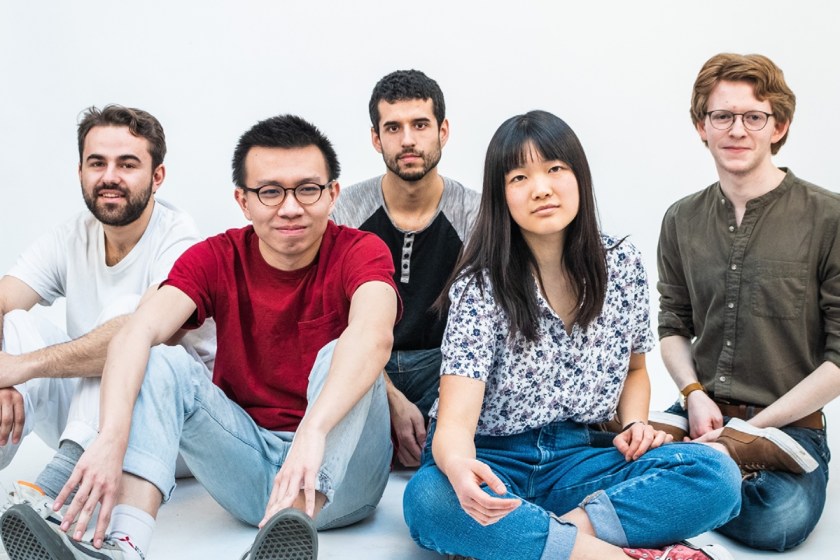
The wistful melancholy that runs through Strawberry Generation’s single “When You Were Here And I Was Sad” floats on an irresistible melody. The song recalls something that could have come out at the tail end of C86 or from the Sarah Records roster—think Heavenly or The Field Mice. Valerie Zhu’s melodious vocals sit vividly among filigrees of guitar work and spare rhythms. When the song goes into the dynamic swells there is a clarity of all the sounds working together that is easy to get lost inside and caught up within. The songwriting itself has an exquisite grace and balance that draws you in and when the time signature change hits, in particular in the outro, it is so seamless that the shift in emotion you feel syncs perfectly with a subtle change in the rhythm. None of the elements seem to compete for attention but rather serve the song well giving it an endless listenability. Watch the video to “When You Were Here And I Was Sad,” shot in the UK while the band was on tour playing at Indietracks 2019, on YouTube and connect with Strawberry Generation at the links below. The group’s latest album Afloat was released February 14, 2020 on Sunday Records and is not short on songs of a similar appeal and quality.
The sound of walking and a tinge of throat singing tones introduce Hanna Ojala’s single “Earthquake.” The footsteps create a unique beat, a textural percussion alongside the sound of ocean birds and Ojala’s almost meditative, plaintive vocals. The sound of water flowing in the background conveys the sense of Ojala performing and recording the track in a sacred, hidden, seaside cave to which she is whispering unconscious thoughts ritualistically. She repeats the words “You knocked me down and made me crawl, crawl crawl” three times with her voice on emotional edge. Then considers motivation with the second set of full lyrics with “Did I know you were keeping me unharmed in an earthquake?” Ojala’s voice quakes with emotion seeming to contemplate being brought what seemed low but which allowed her to weather an even worse circumstance. It suggests multiple interpretations of events in our lives and how we react to them and what we do with the energy that enters our orbit every day and to learn to be adaptable. As usual, it’s all but impossible to put a genre tag on Ojala’s works of sound art but yet another example of using one’s imagination to give a potential listener a different experience than is usually possible with more conventional music. Listen to “Earthquake” on YouTube and follow Ojala at the links provided.
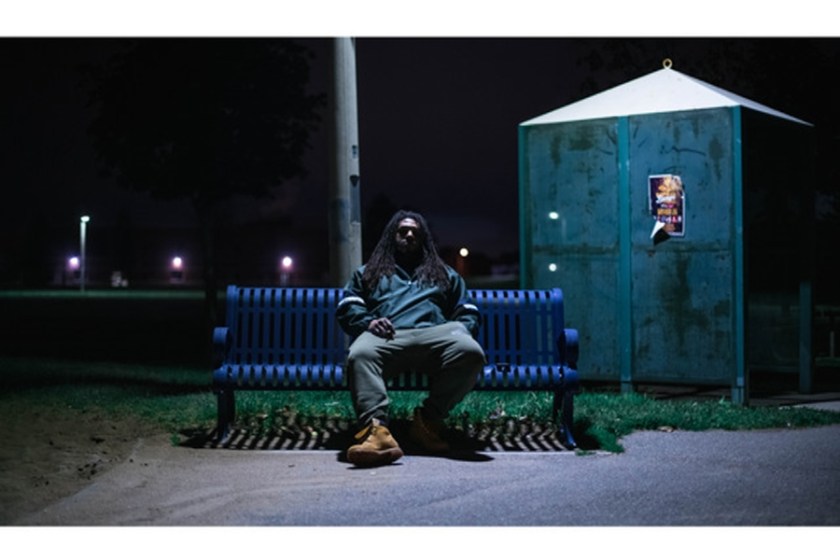
The luminous, nearly impressionistic keyboard line in B1GJuice’s “CHAPTER3.humility” and the syncopation of its electronic beat is reminiscent of something out of late 90s Boards of Canada. Like an assemblage of samples layered in collage to give a sense of a deep and tranquil mood. Though the track is short, B1GJuice packs in some interesting poetry to pair with the melancholic yet soothing beat. He speaks of “bumping UGK” and references some aspirational daydreaming with saying he was told he was going to “make a play like Jordan in his day.” But what perhaps distinguishes the song from what might seem obvious is that it lacks in bravado. The warping vocals and references to using medical cannabis to stay sane puts into perspective the dreams as things that Tyreek Phillips (aka B1GJuice) might have had within his grasp before being diagnosed with an incurable heart disease in 2013 as a former NCAA Football Player at Furman University and the expectations attendant with that. This song doesn’t exactly capture reconciling a new reality with the possibilities you saw for yourself. But it does channel that pain into something that allows you to find an outlet for your feelings and the way limitations often force you to be more creative than you thought you could be despite obvious challenges. The title of the song is the key to interpreting where the words are coming from and perhaps how tragedy humbles even the strongest of us and though it would be preferable to not be humbled in such a way, gaining the level of self-awareness thrust upon you deepens your appreciation of things and perchance a greater empathy for those who struggle in other ways too. Since B1GJuice melded IDM and hip-hop style production so well here on a song fans of cLOUDDEAD and Anticon artists might appreciate it’ll be interesting to see where his songwriting and soundscaping go next. Listen to “CHAPTER3.humility” on Spotify.
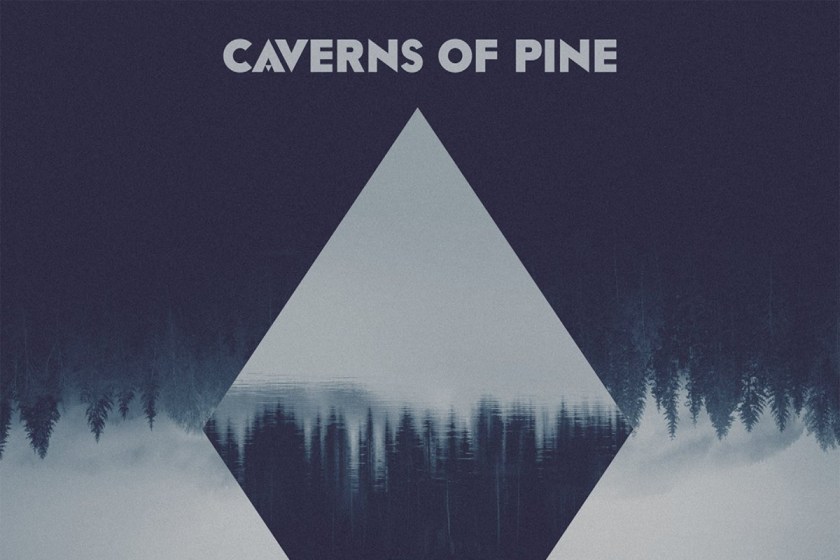
The idea behind Brad Perry’s project Caverns of Pine was to, as he says, “dedicate an entire musical project to the ways different people survive the traumas of sexual violence.” The album was intended to reflect various stories from different perspectives to give voice to a broad swath of the experience of survivors and how they have continued to find a way to live. The single “Carved,” which includes vocals from Julie Karr, uses archly distorted guitar, tribal drumming and emotionally heavy but defiant vocals to create a complex narrative about how an experience can cut us in ways that perhaps alter the course of our lives. Using the concept of a “carving” as a metaphor for how an experience can change how we see ourselves and how we interact with the world on such a visceral and deep level with impacts that last the rest of our lives. The song also suggests that in spite of the experience we can use it and the energy it has dropped into our psyches to attain something positive in the end even if it requires more work than we think we’re capable of putting forth. Fans of Kylesa and Big|Brave will appreciate how the song combines abrasive sounds with flow and emotional catharsis.
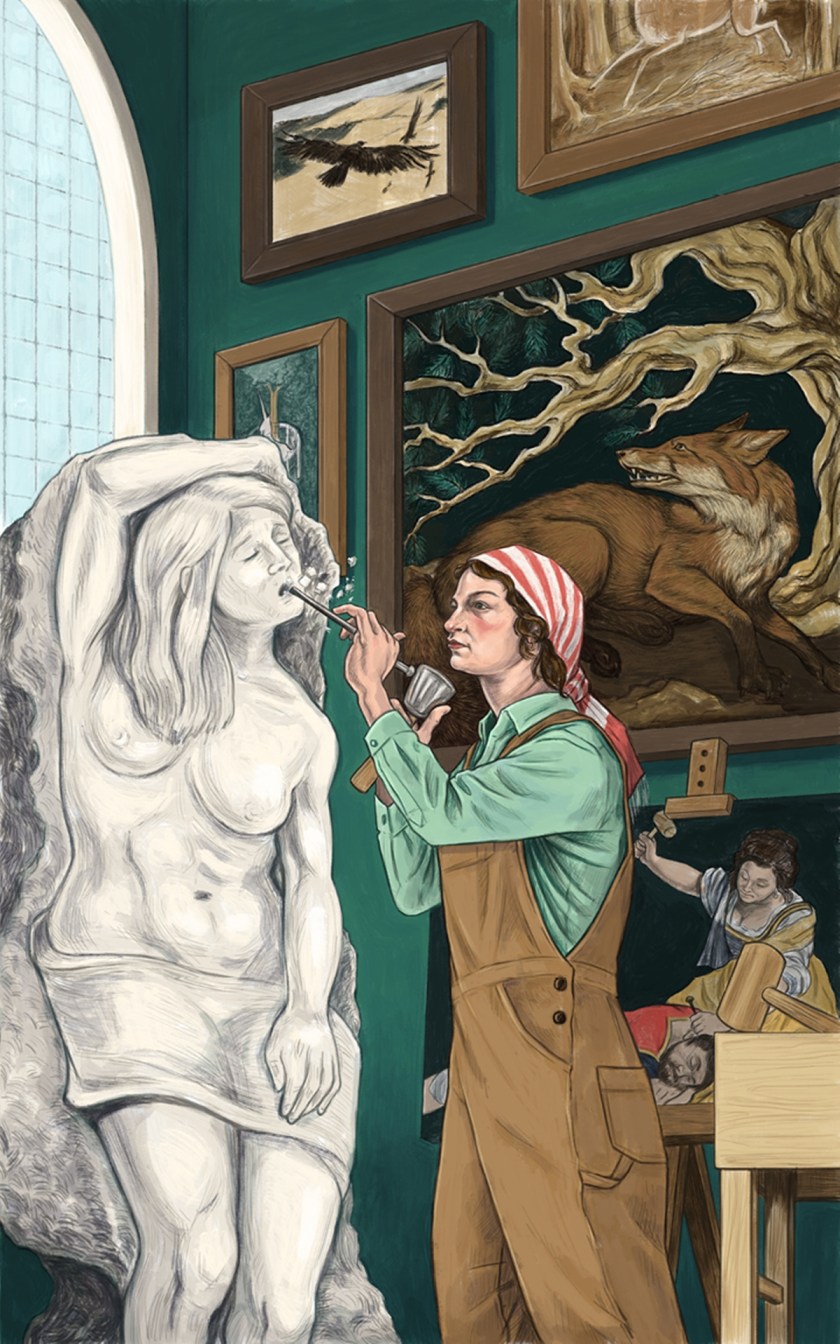
“Carved” is part of the album Dissociate which first came out in 2018. But in 2019 and 2020 the record garnered renewed when a notable undeground comic artist was inspired to create short pieces from the lyrics of the album. Katie McBride is perhaps most well known for her striking graphic design work in Richmond, Virginia for event posters, record labels and the like. Her interpretation of the music started with a conversation with Perry and that turns into going down a rabbit hole of art history and the resonance of the themes of the album throughout history. McBride was kind enough to let us in on some of the fascinating process involved in making images from the lyrics of Dissociate, one of which is posted at the end of this piece.
“When Brad and I sat down, I had read through the lyrics and listened to the song several times, but hadn’t come to any conclusions about what visual narrative it was calling for,” says McBride. “The only thing that had really come to mind was the variety of ways in which you could interpret ‘carved.’ Is it a destructive act – possibly self-destructive or an act of creation – like carving something beautiful out of raw materials? Brad then framed the song as a story coming from shifting and overlapping perspectives. That framework helped me understand the need to represent the song in a way that depicted complex feelings within a single person – both empowered to break a silence, and wanting to retreat into a hole.
“In thinking about the creative aspect of carving, this Michelangelo quote came to mind: ‘Every block of stone has a statue inside it and it is the task of the sculptor to discover it. I saw the angel in the marble and carved until I set him free.’
“In the context of the song ‘Carved’ I thought that the idea of the sculptor taking powerful agency to release a trapped figure would be a good visual metaphor for breaking a long held and painful silence.
“This sent me down a path to Michelangelo’s series of unfinished slave sculptures. I’ve always found these really compelling, and I think it’s because the unfinished statues look as though the figures are fighting to escape from marble blocks, and have been arrested in various states. I knew that the sculpture in my piece would reference these figures, and would be representative of a positive and hard-won creative release.
“I was then reminded of the Italian baroque painter Artemesia Gentileschi, widely considered to be one of the most noteworthy female painters, and more broadly one of the best painters in the style, regardless of gender. During her lifetime, she was also well known for having been raped, and subsequently participating in the trial against the man who raped her. Despite this, she did have a very successful career as a painter, and depicted a variety of biblical scenes in which women were in positions of power over men.
“Looking at her paintings, I realized that a way to show the shifting perspectives of the song’s narrator and different responses to trauma was through not just one sculpture, but a body of work. The sculptor in the the piece for ‘Carved’ then took on some of the physical characteristics of Artemisia herself, referencing her self-portraits interpreted through a modern lens. An artist’s studio took shape around her.
“I reproduced Gentileschi’s painting ‘Jael and Sisera’ on an easel behind the sculptor, then added a variety of other paintings from across eras. All hold either personal or more broadly sociological meaning with respect to bodily autonomy. Each painting suggests different emotional responses to a traumatic experience, and the idea that they could all be created by the same person tries to capture the complexity of holding multiple feelings at once.
“The other paintings from the art historical canon seen here are Andrew Wyeth’s ‘Soaring,’ Frida Kahlo’s ‘The Wounded Deer,’ and ‘The Unicorn in Captivity’ from the Unicorn tapestries. The large painting of the angry, defensive fox, hiding amongst pine branches is original, but strongly based off the work of John James Audubon, and George Stubbs, both of whom painted scenes from the natural world.”
Listen to “Carved” on Bandcamp, where you can also explore the rest of Dissociate and follow other work from Caverns of Pine (linked below as well). Connect with Katie McBride at katiemcbridedesign.com.
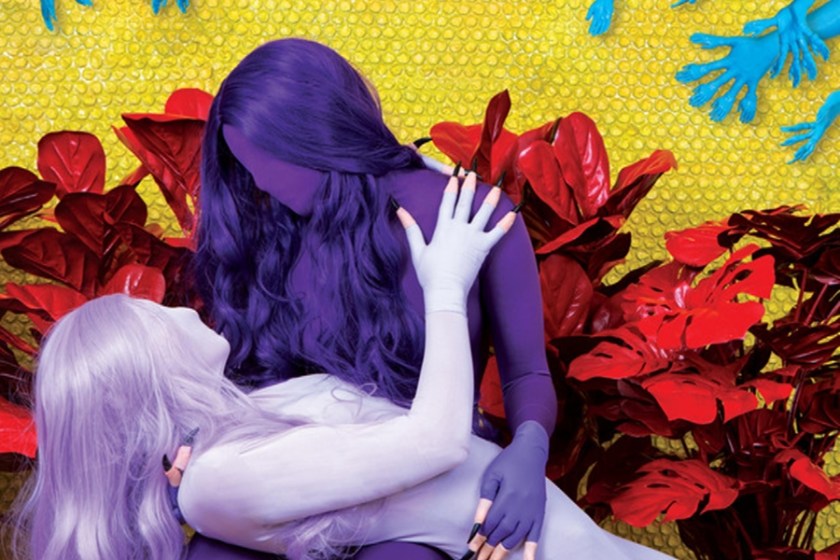
Jessica Genius sets the stage for us at the beginning of “You Don’t Belong Here” with the sound of the street outside a mall shop window before a minimal, effervescent synth stream accompanies the words of a guy who imagines himself falling in love with someone in the window who he’s never spoken to but, in typical creep fashion, projects a whole romance behind that momentary, yet obsessive, attraction. The line “You don’t belong here, neither do I” offers a peek into the depths of the delusional projection. Halfway through the song it turns from ethereal pop song to something with wilder beats and dynamics like the synth funk soundtrack to a scene in which the creep and the object of his obsession are entwined in scenarios you’d see in a typical romantic comedy of the montage of dates and activities, dancing. But the warped fantasy fades out without a return to the glimmering, misty-eyed infatuation from the first part of the song. What happened? Did the creep get caught and hauled off, slapped with a restraining order? Hit by a bus? Is this the first part of a larger narrative? One can only speculate but the dual sides of the song provide an interesting and unconventional structural and tonal contrast. Listen to “You Don’t Belong Here” on Soundcloud.
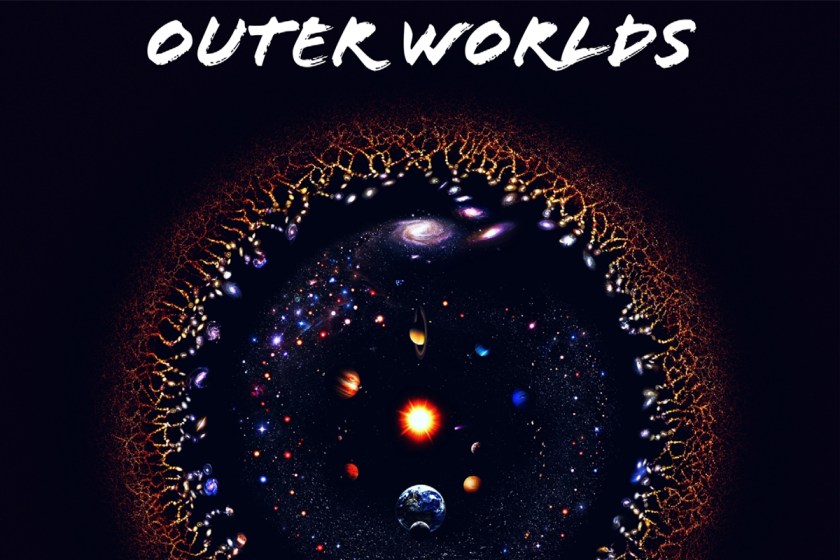
“New Rhea” by Ion Stream is flowing with twinkling, arcing melodic tones like the analog of a journey into star dense space. Rhea was the mother of the gods in Greek mythology after which the second largest moon of Saturn was named after being discovered by Giovanni Cassini in 1672. The title is perhaps not a reference to but suggests the exploration of another solar system populated by planets in homage to children of Rhea after which the planets of our own were largely named. The track opens with sweeping drones like solar wind and a melody reminiscent of the main theme to Profondo Russo by Goblin. But that melody expands into a spacious plain of sound. A dual melody carried both by strings and bright and ethereal synth tones trace the journey with impressionistic pulses of sound in drifty arpeggios while the aforementioned white noise of solar breezes washing through intermittently to give accent to the impression of movement and wonder into new vistas of human exploration and knowledge. Fans of the Hearts of Space program will find much to like here. Listen to “New Rhea” on Spotify and follow Ion Stream at the links below.





 Queen City Sounds and Art
You must be logged in to post a comment.