
flies + flies Taps Into the Dionysian Fantasies of the Dark Side of the Mind for “Colour Blue”

FliesAndFlies_ColourBlue1_sm
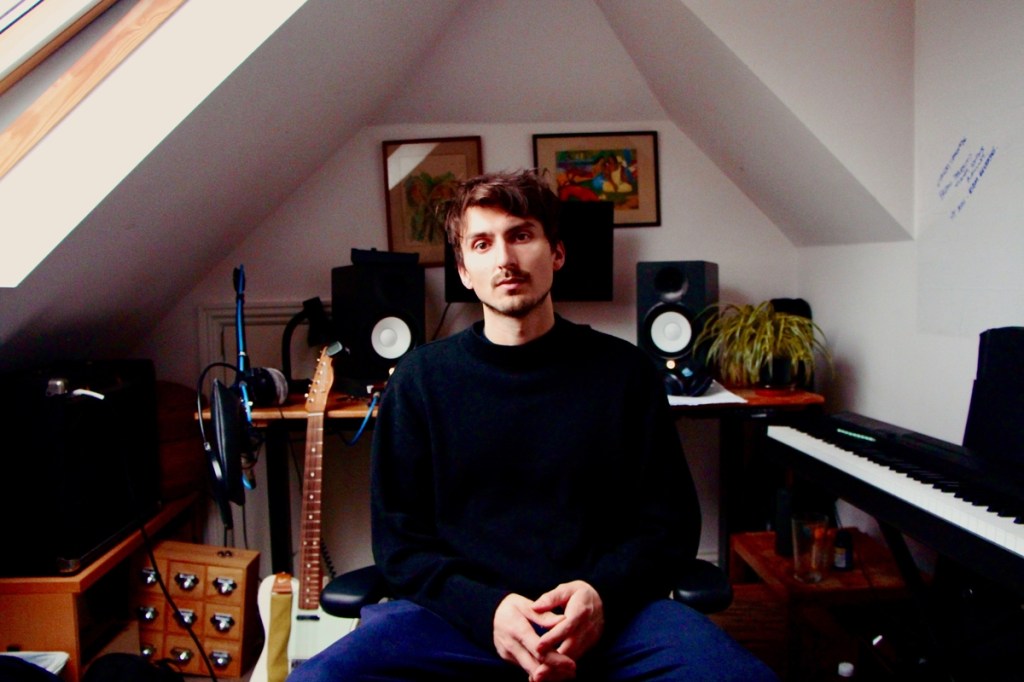
flies + flies, photo courtesy the artists

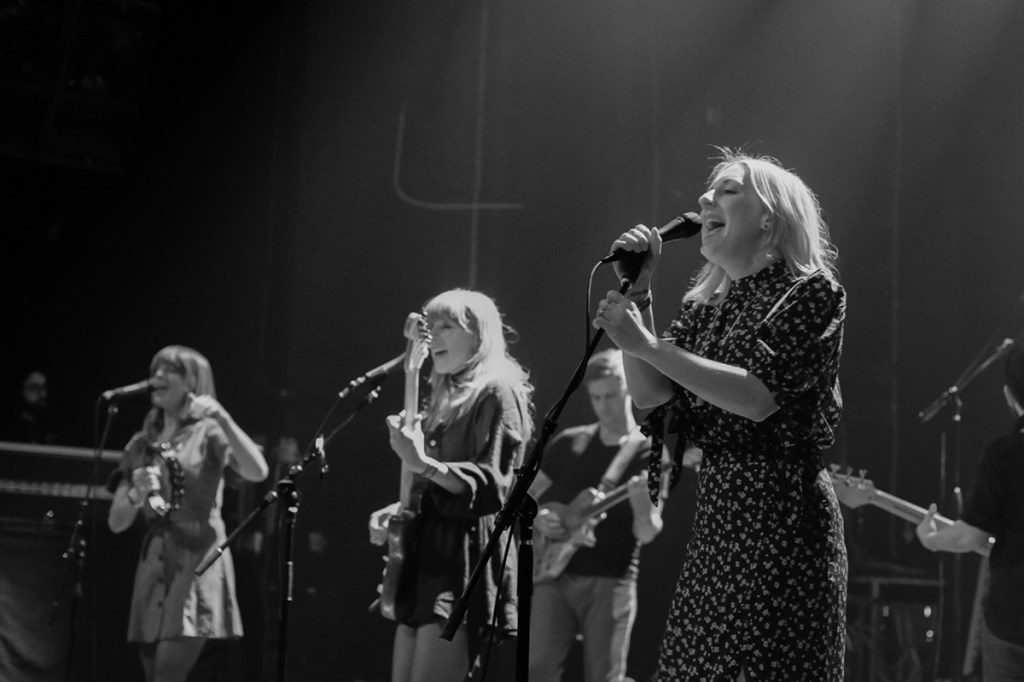
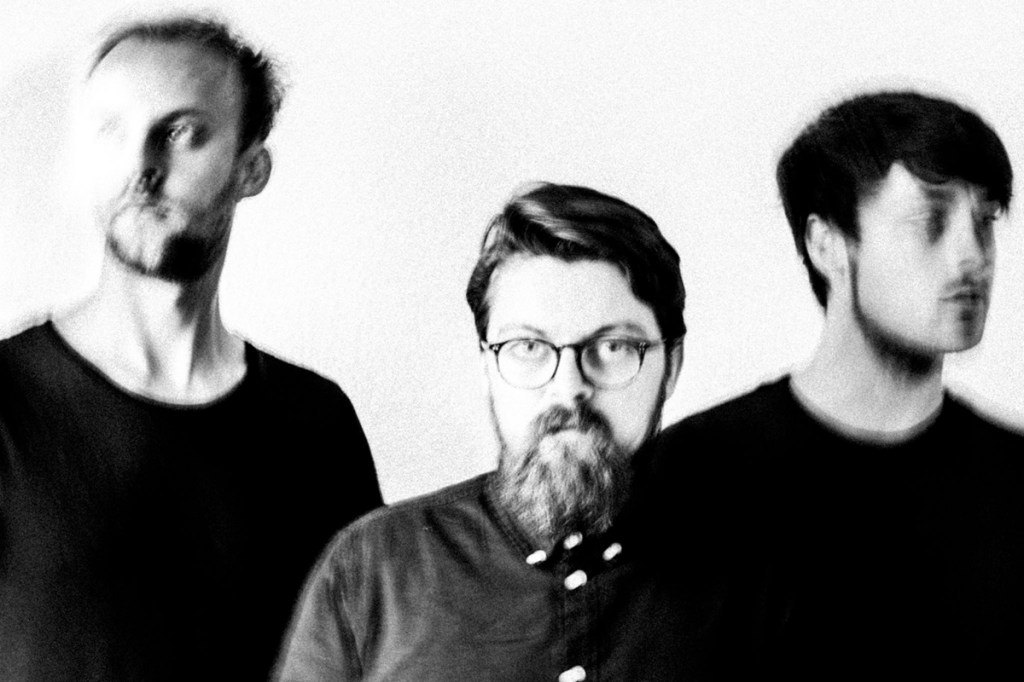
London electronic pop duo flies + flies was inspired by their residency at the No One’s Watching club night that featured a visual backdrop of found CCTV footage from around the world in producing the collection Blue Movies. One of the three original tracks on the album “Colour Blue” tells the story of an unrequited desire in processed falsetto vocals, warping and wefting tones, impressionistic guitar riffs, a flowing-pulsing bass line, meditative percussion and haunts of synth flourish. Along with the music video awash in sapphire light the song is somehow both chilling and soothing. There is a hint of dark menace like a glimpse into the side of someone’s mind they normally keep under wraps until the moment they can take the time to indulge every angle of a Dionysian impose in the imagination and take a tincture of those forbidden thoughts and put it into creative work of undeniable resonance. While musically different this song and video should have an appeal for fans of mid-late-90s Aphex Twin, The Prodigy and Chemical Brothers. Its sound is more rooted in more modern production and aesthetics but that ability to tap into the rich, mysterious, shadowy places of the unconscious mind is present in this music too. Watch the video for “Colour Blue” on YouTube.

The Synth Pop Doo Wop of “Lucy” by Smegma Bubbles Transports You Out of Normal Cultural Space

SmegmaBubbles_Lucy1_lg
Smegma Bubbles “Lucy” cover

The surreal mix of doo wop and Sparks-esque synth pop of “Lucy” by Smegma Bubbles immediately takes you out of normal cultural space. The call and response vocals possibly by the same vocalist and the electronic percussion and pulsing bass line is reminiscent of some impossible hybrid of an early 60s pop song, early Human League and Cabaret Voltaire’s mid-80s period. One imagines a performance on Top of the Pops or Rockpalast with a darkened background and white lights reflecting off the performers made up like they walked off a filming of an ABC video, hints of sparkles on their outfits but with a cool vibe like you’re not sure when or where this show is happening. The musical touchstones already displace you from being anchored in a specific decade without aiming for a specifically defined retro aesthetic and because of that it is transporting in a way that bypasses an appeal to nostalgia while drawing on influences across decades. Listen to “Lucy” on Spotify and connect with the enigmatic UK band at the links provided.

youtube.com/watch?v=N8ifzzzQUl8&feature=youtu.be
instagram.com/smegma_bubbles

Black Sails’ “02_prG_D#STRuKToR” is the Retro-Futurist IDM Industrial Alien Techno Dance Song You’ve Been Looking For


BlackSails_02_prG_DeSTRuKToR1_crop
Black Sails, photo courtesy the artist

Don’t let the unusual title of Black Sails’ song “02_prG_D#STRuKToR” get in the way of taking in the grandeur of its alien techno. Its nearly industrial percussion is reminiscent of The Art of Noise’s “Legs” but its dark, distorted synths and tonal pulses is a bit like being carried along on a conveyor belt while your body and brain are being upgraded, a voice occasionally announcing points of progress. Yet it also works as a dance track the way Kraftwerk often did in clubs in the late 70s and early 80s. Something about the robotic nature of those rhythms as those here that translate into something inducing rhythmic human movement. The title of the song is reminiscent of something Aphex Twin or Front 242 in the early 90s might have named one of their own compositions and that resonance of influence can be felt in the unique, downtempo retro-futurist vibe of this track. Black Sails recently released his third album Function on March 13, 2020.

The Upsweeping Arc Into Infinity of Kaitlyn Aurelia Smith’s “Expanding Electricity” is an Alchemical Blend of New Age Ambient and World Music

KaitlynAureliaSmith_ExpandingElectricity1_Crop
Kaitlin Aurelia Smith “Expanding Electricity” cover

The blend of musical ideas, textures, tones and rhythms of Kaitlyn Aurelia Smith’s “Expanding Electricity” from her forthcoming album The Mosaic of Transformation is as richly conceived as it is transporting. Electronic xylophone sets a brisk pace, ethereal, plaintive vocals, electronic dulcimer-esque sounds and bright, sometimes hazy synth melodies swirl and envelop you in an realm of expansive moods in its perfect blend of new age and world music. Except one that contains hints of The Knife, Alice Coltrane, Laurel Halo and Laurie Anderson. It is structured in organic movements in its more then ten minutes of seamless sound collage and always seems to be on an upsweeping arc into infinity. Listen to “Expanding Electricity” on Soundcloud and connect with the west coast composer at the links provided.

twitter.com/kaitlynaurelia
facebook.com/kaitlynaurelia
instagram.com/kaitlynaurelia

Justin Robinson Steps Away From Synths to Guitar Drones on “Last Chance” to Craft an Ever Evolving Tension Easing Drone

JustinRobinson_LastChance1_sm
Justin Robinson, photo courtesy the artist

Justin Robinson took a step away from his usual use of synthesizers in crafting the meditative drones of “Last Chance.” The descending progression is like watching late afternoon rain on a gray day through a window while clearing your mind to be open to having something worth saying or to the unraveling anxieties and mental stumbling blocks around resolving an issue or mystery that’s been plaguing your mind. The progression repeats for the just over two minutes of the track but that you can’t tell that it’s a guitar unless you’re familiar with the creative and innovative ways one can use a guitar to create streaming soundscapes is a testament to Robinson’s imaginative technique. Combining both the use of an e-bow to create that specific string resonance and reverb and maybe some delay and volume control to sculpt a flow of sound like the shifting colors of the Aurora Borealis is a level of craft that you will never learn in a conventional guitar lesson. Maybe watching a YouTube video where someone tries to use guitar to mimic a Fennesz composition or a Brian Eno song. But it’s not the technique so much that matters as how Robinson has crafted an emotional space and experience of sublime tranquility and quiet grace that transcends the conventional song format, defying easy analysis of structure and tonal choice. The song is both atmosphere and texture by suggesting both in a way ethereal and organic. Listen to “Last Chance” on Spotify.

Craig Shipman’s collaboration with Dud “The Demons” is a Harrowing Depiction of the Dark Places Your Mind Goes When You Grow Up With an Addict

CraigShipmanXDud_TheDemons_cover_crop
Craig Shipman x Dud The Demons EP cover

The reverse swells that bring us into Craig Shipman’s collaboration with Dud “The Demons” is symbolic of the song’s retrospective vibe into the roots of one’s own current dysfunctional psychology. The unflinching words about how dad cared more about alcohol than his kids and being left with no parental anchor with mom not able to be around as much hit hard. The turn of the vocals into unexpected bends in tone hinting at the weight of the words and the memory and how these experiences sit in your mind like an experience you’d rather forget the way the dad in the song used alcohol to numb his own pain. Who can’t relate to the piercing words about feeling like an accident in a dysfunctional family unless you’re fortunate enough to not come from one? Then the song goes into how that background colors your outlook on the world and warps your sense of self and makes it more challenging to get to a place where you can feel like you’re not holding yourself back. And yet the song is ultimately about facing these harrowing personal truths and in that is a way to express that pain rather than repress it the way you’re taught to when someone in your early life is an addict and you have no real emotional bedrock from which to uplift yourself except for one you make for yourself. Listen to “The Demons” on Spotify where you can listen to the rest of The Demons EP.

Jäverling ◇ von Euler’s “Stigande luft” is like Music from a Late Night New Age Jazz and Ambient Lounge

JaverlingXVonEuler_StigandeLuft1_crop
Jäverling ◇ von Euler Musik för trädgårdar cover

“Stigande luft” (Ascending Air) is the first track from Jäverling ◇ von Euler’s upcoming album Musik för trädgårdar (Music for gardens). It draws us in by establishing a percussive tone as a beat as shimmering splashes of synth come in and the melody and textural elements blossom into a dynamic soundscape of interweaving rhythms and melody. It’s like a fusion of New Age jazz and ambient composition. Though having a bit of the vibe of an after hours techno lounge, the overall effect uplifts the mood with the sense of illumination and energy. Rickard Jäverling and Henrik von Euler have worked together on previous albums as the ambient duo Dödens Dal and this newer collaborative material emphasizes a synthesis of the organic and electronic. Listen to “Stigande luft” on Spotify and look for the project’s new album out on the Flora & Fauna imprint.

The Vitality and Grit of 100’s “Special Vision” is a Pointed Commentary on the Empty Promises of Organized Religion

100_SpecialVision2_sm
100, photo courtesy the artists

Rowen Tucker of Australian post-punk band 100 took inspiration for the writing of “Special Vision” watching from Sydney’s Hyde Park workers retiling the roof of St. Mary’s Cathedral. All that toil and outlay of resources and for what? The expansive urgency of the song charges its words with a paradoxically melancholic and angsty energy both raw and pointed and atmospheric. Its chords cut and highlight literate and thoughtful observations and introspective examinations of one’s own relationship to what some might think of as the larger issues of existence. Except that Tucker grounds it in a spirituality rooted in life experience rather than empty promises of reward in the great beyond. The line “Sacred space for the chosen few” skewers the aspect of religious faith that reinforces class differences and linking poverty with lack of morality. In singing “Spend my life making bad decisions, I do it clean because I’ve got no religion” points to a personal morality in which one acknowledges one’s own mistakes and their consequences with no need for guilt or eternal punishment for “crimes” and “transgressions” that mean little outside a religious context. The chorus, and the source of the title of the song, “No special vision” is like a non-religious chant rejecting that post-Manichaean ethos of judgment and guilt necessary in most modern Christian sects. No need for thinking you’re special and above others because of one’s special relationship with god. The immediacy and grit of the song is palpable and fans of New Model Army and Pile will find much to like about the band’s inventive guitar work and pointed poetics. Listen to “Special Vision” on Spotify, connect with 100 at the links below and look for the group’s new EP out later in 2020.

open.spotify.com/artist/34CBZlqmK3KCxHeAcgQHTH
triplejunearthed.com/artist/100-0
soundcloud.com/100its100
facebook.com/100its100

Stellie Peels Back the Layers of Internalized Superficiality on Her Downtempo, R&B Pop Song “How Do We Look So Good?”

Stellie_JacksonThornbury1_sm
Stellie, photo by Jackson Thornbury

Stellie strikes some deeply resonant places in the hear with her single “How Do We Look So Good?” The shining synth line, shuffling, downtempo percussion and sinuous bass line are perfect framing music for her wide-ranging, soulful vocals. We’ve heard a lot of songs about romantic regrets but Stellie sets both a vivid settings to anchor the emotional memories and poetic explorations of working through the processing of her feelings and rethinking her own instincts before experience forced her to reconsider what she wants, why she wants it, what her attractions might be and whether they’re her own or more social and media conditioning. Throughout the song Stellie dives peels back these layers to get to the core of what feels vital and genuine while not dishonoring the path to get there. We all come to believe and value things that may have been valid or useful for a limited time and if not, life is a process of learning. Sometimes those lessons are hard and sometimes they hit us in a way that makes us reel for a moment or for years. The line “I can’t afford you at that price, I can’t afford to compromise” speaks to the way we buy into fantasies of our own construction or through internalized values we haven’t yet fully examined but in the end we come to know isn’t worth the personal cost or the deals necessary to take on something or someone that in the end erodes our insides. The title of the song, from one of the lyrics, reinforces the message by asking simply how we can look good when inside we’ve let go what we truly value in order to seem good to a culture, a social context or a world that wants us to reorient an authentic and healthy system of values and identity by rewarding compliance with a false and unrealistic standard. Listen to “How Do We Look So Good?” on Spotify.

Glutenhead’s Synthesis of Darkwave, Indie Pop and Punk on “Naked in Toronto” Embodies Today’s Spirit of Desperation and Tenuous Hopes

Glutenhead_NakedInToronto2_sm
Glutenhead, photo courtesy the artists

Glutenhead’s “Naked in Toronto” places the band’s music outside any obvious current context. Its creeping atmospheric opening section, the emotionally fragmented bluster of the second act, the off-kilter acoustic slacker playfulness of the third act and the dark psychedelic emo of the fourth act that brings together the song’s varied impulses perfectly makes you wonder who this music might be for while at the same time loving the way it takes you through an emotional gauntlet that expunges the deeply embedded angst and personal darkness and the amplifies the handful of joys that make everything somehow still worth holding onto. Its almost free verse poetry with lines like “I had a winterlong daydream of the summertime smokescreen” speaks so powerfully to how we can be fooled by our own hopes into assuming everything is going to be alright when often it won’t be, at least not in the ways we anticipate. The nearly screamed chorus of “I hate my life” and the line “I’m trying my best but it’s not working out” comes from that place many of us reach of abject desperation and despair after putting in so much effort into conducting our lives with honesty and integrity or at least in the ways we’ve been told are valid only to have life in a society often warped by values antithetical to normal human life and the cultivation of a sustainably good and rewarding existence, subsuming it in the interest of some cruel abstract like “the market” and “the economy” without examining what that might be and how those things might better serve us as a collective whole. At one point the song discusses not wanting to see friends die and being afraid of the prospect of one’s own death—heavy thoughts in a raw and real way in an era when such sentiments are given a few steps removed from it being a real and immediate concern. The song is simultaneously punk, indie pop in the vein picked up by the Bright Eyes in the earlier period of unvarnished emotionalism and brooding darkwave. It’s unlike much of anything you’ll hear this year and given how it so poetically and fiercely encapsulates the current mood of most of us at this moment makes the song particularly gripping and evocative. Listen to “Naked in Toronto” on Spotify and connect with Glutenhead at the links below.

youtube.com/channel/UCHcdxScHwQYeW33z4YrXknw
glutenhead.bandcamp.com
facebook.com/glutenheadmusic
instagram.com/glutenheadhead