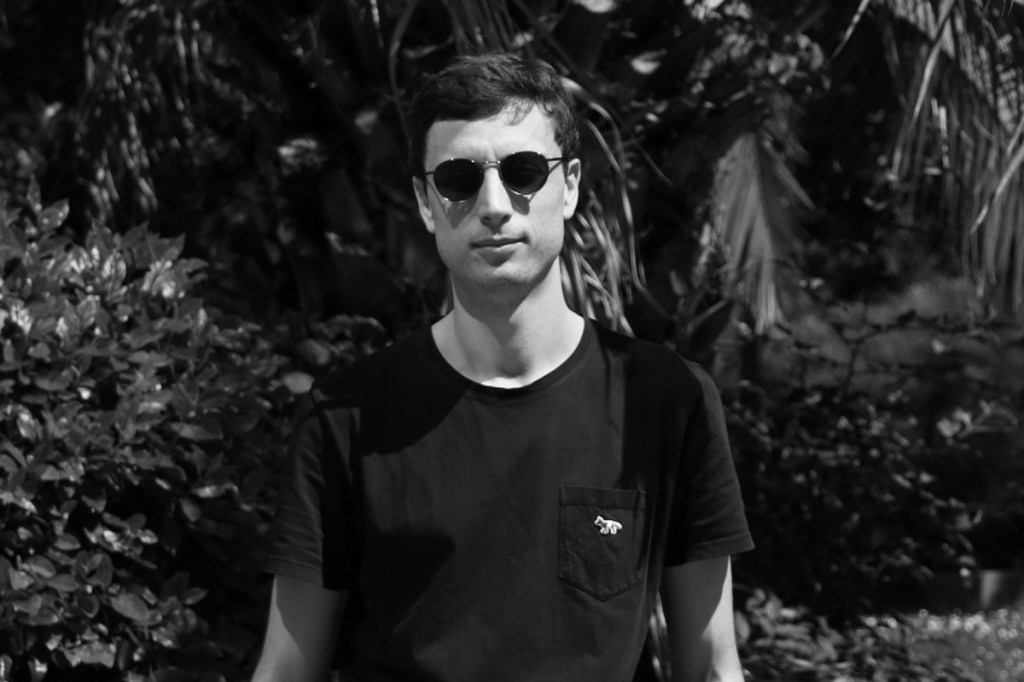
A. Spectre Synthesizes Dub, Industrial, Deathrock and Noise on “Subterranean”

A. Spectre, photo courtesy the artist

A. Spectre channels a bit of early Ministry and deathrock on the “Subterranean” single. A slinky, dub-funk bass line buoys a crunchy/cutting guitar riff as the vocals tell a tale of disaffection and alienation and find a place where you can escape a mundane and superficial culture in an underground it doesn’t care about or acknowledge as legitimate. When the guitar solo comes in during the last fourth of the song it’s like a symbolic burning of the bridges between those two worlds. It celebrates subculture and the differentiating sensibilities and ethos. The production on the track is further reminiscent of the aforementioned Ministry as well as Skinny Puppy in how both use a sort of hip-hop production style with an emphasis on bass and rhythm as the driving elements of the song and everything around it is a genre bending amalgam of hard rock and noise. Listen to this genre-busting track on Soundcloud, connect with A. Spectre at the links provided and look out for the project’s Angst EP which includes “Subterranean.”

open.spotify.com/artist/07ByIrr6aftXygExNHxa6G
aspectre.bandcamp.com

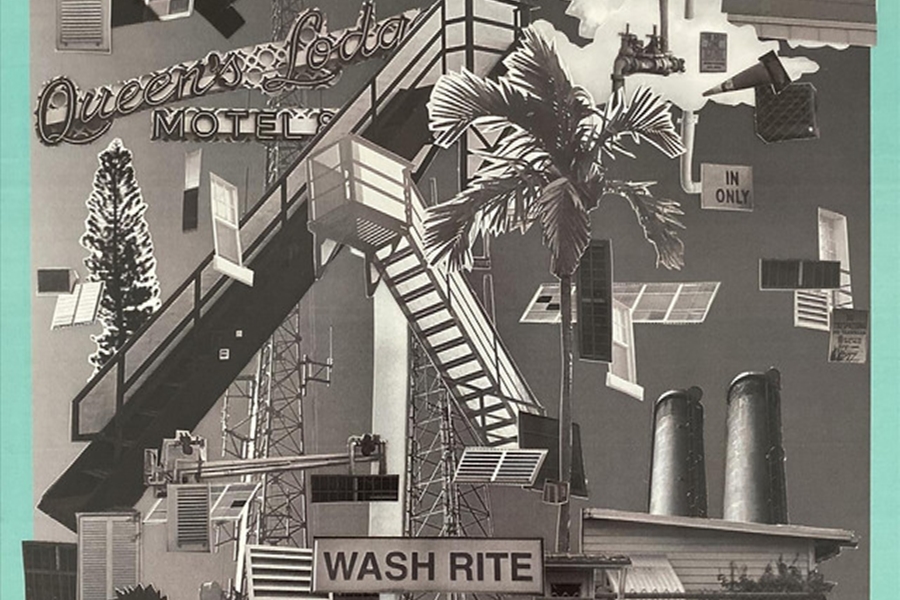
The Brush Contemplates the Impermanence of All Things With the Delicately Melancholic “Squeeze & Turn”

The Brush “Squeeze & Turn” cover, image by Laura Moreau

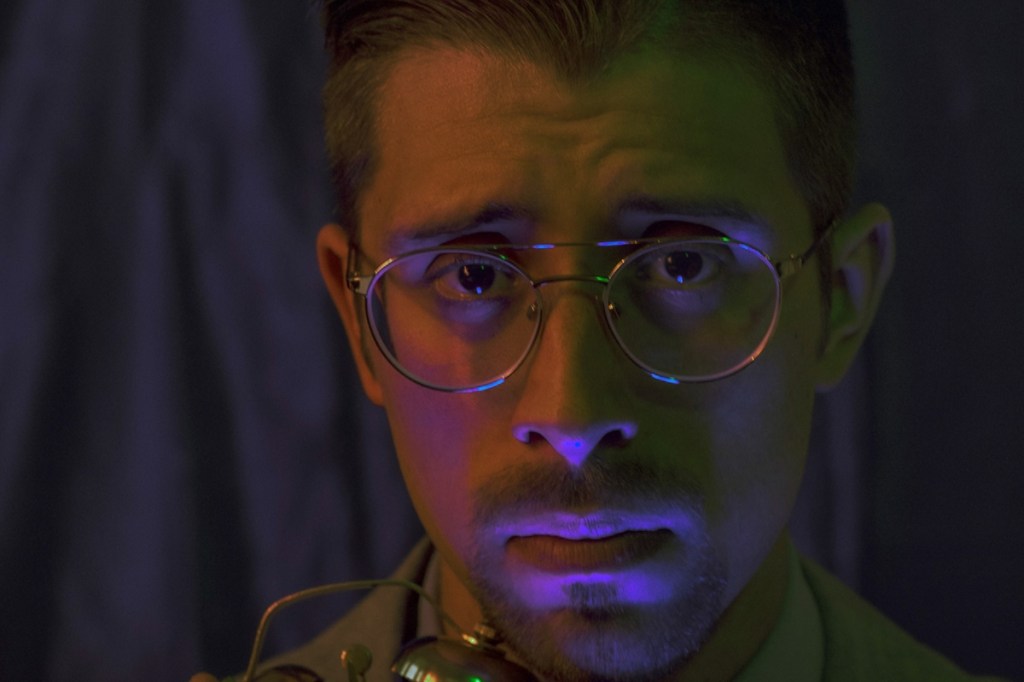
Aaron Alan Mitchell, the singer, guitarist, keyboardist of The Brush, filmed and directed the video for his single “Squeeze & Turn.” It shows fireworks bursting in the foreground across the faces of statuary figures, many of them Roman emperors, to enhance the song’s message of contemplating the impermanence of all things. Fireworks are not lacking in their visual glory and power for being so fleeting in duration and in the grand timeline of history people come and go and make their mark but in the living it you don’t, can’t and shouldn’t think of it as meaningless and ephemeral and thus insignificant. And yet the resigned tone of the song and its contemplative pace with Mitchell’s vocals shifting seemingly effortlessly from soft introspection to emotive falsetto and back indicates not an abstraction of one’s place in the universe but the realization that even an Augustus or Mansa Musa mean little to the everyday lives of people today. With all the dramatic political and economic turmoil of the past few years and more it’s easy to lose sight of the fact that even though we can only live in the moment we do not have to give more weight to particular events than they warrant. Mitchell brought together a bit of an all star cast to record the track with Eli Thompson on bass (Father John Misty), Joey McClellan on guitar (Midlake, Elle King) and McKenzie Smith on drums (Midlake, St. Vincent). Watch the video for “Squeeze & Turn” on YouTube and connect with The Brush at the links provided.

open.spotify.com/artist/0MKQ1osU4JaFgkKHn5BrQN
soundcloud.com/user-360310038
youtube.com/channel/UCBYyfeCiZ-9kFyQfLmtJ-Tg?app=desktop
instagram.com/thebrushmusic

Elephant Castle’s Debut Single “Cool To Be Unhappy” is Emotionally Stirring Ear Candy

Elephant Castle “Cool To Be Unhappy” cover (cropped)

The phasing whorl of pulsing melody that shimmers through and around Phil Danyew’s vocals on the debut Elephant Castle single “Cool To Be Unhappy” immediately puts you in an elevated yet introspective emotional space. This despite the wistfully melancholic tone and subject matter of the lyrics. The song begins asking the question “Are you ever really happy?” to someone who acts like they’re too cool to demonstrate any joy or connection to much of anything. But someone who is a former love about whom conflicted and complex feelings linger. Like someone for whom you still harbor a sense of care and affection even though you’re not sure why and you’re trying to forget even though this person was incapable of loving you back the way you need, the way that would seem normal in even a fairly dysfunctional relationship. The orchestral arrangements of the song lend that interpersonal dynamic the air of a dramatic farewell that honors your feelings even though ultimately they weren’t reciprocated. The dreamlike atmospherics and expert mix of electronics with elegantly composed rock instrumentals is reminiscent of Electric Light Orchestra’s “Losing You” and resonates with that song’s own evocation of conflicted feelings. Phil Danyew spent six years playing multiple instruments and singing backup vocals in the touring version of indie rock band Foster the People and “Cool To Be Unhappy” is a fine introduction to his own songwriting talent demonstrating a clear gift for crafting emotionally stirring ear candy. Listen to “Cool To Be Unhappy” on Soundcloud and connect with Elephant Castle at the links below.

open.spotify.com/artist/1B2xz3ZP0Vuezwk4gGhbkD
soundcloud.com/elephantcastlemusic
instagram.com/elephantcastleofficial

Pave the Jungle Seethes Against the Machine of Late Capitalism on “Cookie Cutter”

Pave the Jungle, photo courtesy the artists

On its latest single “Cookie Cutter” Pave the Jungle sounds like singer Rachael Whittle and the rest of the band woke up one day seething with rage at a world of bullshit jobs and a lifelong imposition of diminished expectations crafted by dullards who place efficiency over building a world we all want to live in. Its explosively ramshackle dynamic is the sonic equivalent of wrecking the well oiled machinery of our mechanized existence under late capitalism. If you’ve had a job in the last forty years or so you’ve been pushed into that increasing tendency toward monetizing every second of every day on the job where no matter what you do there’s always more expected and every ounce of your energy is squeezed out of you and if you’re not in line with constantly improving yourself in the context of that job culture you’re out. But it didn’t stop there. That demented mentality has sprawled into our lives outside of work to make for a deeply psychologically damaged world where it’s easy to feel like you’re not allowed to be a human with your idiosyncrasies valued and with time to cultivate thoughts, feelings and activities that aren’t driven to fit into some program or marketing initiative and plugged into some system to make someone money against your will doing what you’ve been convinced is what you wanted to do all along and all but hypnotized into giving up too much of yourself with your time, your resources (emotional and physical) and your identity in myriad ways including providing content to social media sites that feed into the marketing like some technocratic Ouroboros. By writing a song so eruptive yet not easily fitting into a neatly, easily marketable genre beyond maybe calling it noise rock with punk’s brashness, Pave the Jungle tries its level best to buck even its own conventions as a band. When Whittle sings “Stop the assembly line I want to get off, this place is far too clinical for me” she seems to joyfully express that very healthy and age old impulse to not fit in with societal and economic machinations that don’t serve and honor our natural interests, impulses, instincts and curiosities much less provide a sustainable life and civilization in which we all flourish in harmony with the world of which we are a part and not the center. Fans of the emotional and socio-political catharsis of Mannequin Pussy, Bethlehem Steel and Downtown Boys will appreciate Pave the Jungle’s murky fervor. Listen to “Cookie Cutter” on Spotify and connect with Pave the Jungle at the links provided.

pavethejungle.com
twitter.com/pavethejungle
facebook.com/pavethejungleband
instagram.com/pavethejungleband

“Knowledge Pagoda” by Fruit Baby Finds the Sweet Spot Between Pop Sophistication and Unvarnished Earnestness

The frayed edges of “Knowledge Pagoda” by Fruit Baby from Bristol, UK suggest some touchstones in the likes of Camper Van Beethoven, 80s jangle-y college rock and, with the edgy violin a bit of the Velvet Underground. The vocals have an unvarnished quality that is masked a bit by expert and emotionally vibrant vocal harmonies and which gives the whole song a freshness and immediacy that catches your ear and doesn’t let go until the end. Not enough modern pop songs command your attention in that way that doesn’t seem to have come out of imitating a popular style. Frankly, the world needs more music that makes an unabashed virtue of what makes the artist unique. Listen to “Knowledge Pagoda” on Spotify, connect with Fruit Baby at the links below and look out for the group’s Huddle EP which released February 12, 2020.

soundcloud.com/fruitbaby
fruitbaby.bandcamp.com/releases
facebook.com/fruitbabymusic

Bloods Turn Broken-Hearted Angst Into Irreverently Humorous Fuzz Pop Confection on “I Hate It”

Bloods Seattle cover

Bloods really nailed the feeling of hurt, anger and disappointment of a recent break-up with someone you’re coming to terms with was probably not good for you on the group’s single “I Hate It.” But instead of centering that agony, Bloods cast it into an upbeat, incredibly catchy, fuzzy pop song whose lyrics are a laundry list of the main points of contention expressed with a charming frankness and humor that turns aggrievement into something fun and not something to sink your psyche into for the rest of your life. The music video is a collection of vignettes as good-natured send-ups of familiar internet video culture tropes: unboxing videos, beauty tip demos, the “Blape Nation” piece, cooking shorts, Tik Tok dance vids, hip-hop groups posing out and the standard, if simple and self-aware rock band video. Sure the words talk about hating how the person to whom those emotions are directed has an impact on your still and how their commitment to you was overestimated but the way Marihuzka Cornelius delivers the lines it feels like all those considerations are so whimsical now and ready to be written into the past by the very act of putting those feelings into words in a song as fun and appealing as “I Hate It.” The Australian group recently recorded its new Seattle EP (out now on Share It Music) with Steve Fisk at Jack Endino’s Sound House to give the recordings some of that cachet of honest and heartfelt angst and irreverent humor that was the hallmark of the best of the Emerald City’s music and certainly that spirit is present in this track. Watch the music video on YouTube and connect with Bloods at the links below.

bloods.bandcamp.com/album/seattle
open.spotify.com/album/6xc1uhgbkZBx7CnSzPDczX

Mazoulew and Bonnie Wylde Soothe the Wounded Heart Now Free of a Cycle of Abuse on “Circles”

Mazoulew “Circles” cover

Mazoulew reveals a gift for putting you into a reflective mood with his single “Circles.” It begins with the sort of downtempo techno beat maybe you’ve heard before but it quickly but smoothly pulls you into a hazy emotional space with Bonnie Wylde’s vocals singing a tale of heartbreak and healing, soulfully expressing being in a place of sensitivity and vulnerability and embracing that rather than hardening one’s heart in the end. The fluttering whorls of tone convey the impression of travel, in fact a trying journey of the heart where you seem to go round and round with the same hurtful experiences with a partner who wants to carve their abuse into you in a way that is supposed to feel like love and devotion but before those scars set in your find yourself able to break free of their grip on your psyche with the gaslighting and on to better things. The gentle but strong spirits and currents of the song sound like something designed to help you get through that dark early period of personal liberation. Listen to “Circles” on Soundcloud and connect with Mazoulew at the links provided.

open.spotify.com/artist/2FXIGKBu3oLpuZkXq6bMgj
soundcloud.com/mazoulew
twitter.com/MAZOULEW
facebook.com/mazoulew
instagram.com/mazoulew

Atroxity’s “Children of Voodoo (ambient version)” is the Soundtrack to Future Urban Decay

Atroxity, photo courtesy the artist

The ambient version of Atroxity’s “Children of Voodoo” uses drones, floaty dynamics and tonal washes to set a dark and enticingly enigmatic mood. It is reminiscent of “Tal Coat” by Brian Eno from his 1982 album Ambient 4 (On Land). It and this composition evoke a sense of place albeit one you’ve never visited and its pervasive tranquil mood drifts into your consciousness. Whereas “Tal Coat” has no vocals, in “Children of Voodoo” we hear the voices like conversations whispering abstractly from an unknown distance in the night. At times some of the voices sound cybernetic like an automated attendant for a mass transit station or vending machine. The song makes you feel like you’ve entered a neglected part of a town where the vegetation has reclaimed parts of the landscape and streetlight illumination is patterned by the shadows of foliage. It is the sound of a future where technology has lost some of its campaign of conquest over all things or simply become a part of the ecosystem in ways we have yet to predict. Listen to “Children of Voodoo” on Soundcloud, connect with Atroxity at the links provided and look out for Atroxity’s new album Outdated And Unpatched due for release November 2020.

open.spotify.com/artist/5WMiD3emycGsMIXC3kW9Vy
youtube.com/channel/UC9JQRHPMD17U39r12rZnNCQ
atroxity.bandcamp.com
facebook.com/Atroxity
instagram.com/atroxity

Dax Dives Into the Psychological Anguish of Prolonged Self-Neglect on “I Can’t Breathe”

Dax “I’ll Say It For You” cover

Dax roams about his living space prowling with a tortured conscience in the video for “I Can’t Breathe.” A lightly flangered guitar figure, like a sample out of a song by The Cure, runs in the background giving the song a dreamlike quality but Dax’s commanding vocals keeps you centered on the psychological agony at the heart of the song. He articulates with emotionally gritty poetry the struggle of someone who had to grind hard to get to where he thought he wanted to be in a place he thought he wanted to be, in this case Los Angeles, only to have achieved so much but at the cost of things you had before any level of professional success that you took for granted and the self-neglect and the lack of self-maintenance it took to climb to what it was you assumed embodied your deepest aspirations. The image in the video of Dax writing in a notebook in blood, soaking the pages is the perfect symbol for that process. As a creative person or any kind of professional you accept sacrifices and lay so much of yourself out there and often at the end of the day you have nothing left for yourself and long term it leaves you feeling empty and desperate even if you are to the outside world a success. That hollowing out to the very strands of your psyche is how we lose a lot of people in the world even when we think they should probably be happy or satisfied with their lives. But it is that inner life that you dip into reaching for ambitious goals thinking its an endless well when it simply isn’t. Dax beautifully and evocatively expresses that terrible headspace throughout the song. And in doing so casts it into a shape with which one might actually get a handle and find a way out of it. Watch the video for “I Can’t Breathe” on YouTube and connect with Dax at the links below.

open.spotify.com/artist/5icKdCmMhNMYoAzVBAWt39
soundcloud.com/thatsdax
youtube.com/channel/UCvvVOIyaYu2l4jiH9L8_eRw
instagram.com/thatsdax

The Kraken Quartet and Adobo Stimulate Multiple Parts of Your Brain on the Intricate Art Pop Tapestry of “Backdrop”

The Kraken Quartet with Adobo, photo courtesy the artists

The Kraken Quartet worked with singer Adobo (Nay Wilkins of Hikes) on its single “Backdrop” bringing together intricate instrumental interplay with a deeply emotional, ethereal quality. The effect is like having multiple parts of your brain stimulated and transported to a better place. The vibraphone introduction leads you to think maybe you’re in for a more ambient work but it is just another layer of evocative sound as math-y guitar work brings in a wide-ranging dynamic that weaves together with the percussion perfectly. When Adobo’s winsome and reflective vocals come in the sound of gentle marimba joins in to create a rich tapestry of sounds. Fans of the more recent Rubblebucket recorrds will appreciate this maximalist approach to the composition that focuses on the emotional content rather than a display of technique as the latter speaks for itself if you want to dissect the song’s individual parts. But this song works as a whole experience with all parts seeming to contribute equally to the unfolding dramatic sweep of the song. Though clearly not stylistically beholden to classic 90s indie pop bands like Neutral Milk Hotel, Olivia Tremor Control and the Apples in Stereo nor more modern dream pop bands with similar instincts like the aforementioned Rubblebucket and Sound of Ceres, there is something about that creative ambition, attention to detail and imaginative execution that resonates with “Backdrop” as well. Listen to the song on Spotify and connect with The Kraken Quartet at the links below.

soundcloud.com/thekrakenquartet
youtube.com/watch?v=s555R_6CCA8&feature=youtu.be
thekrakenquartet.bandcamp.com