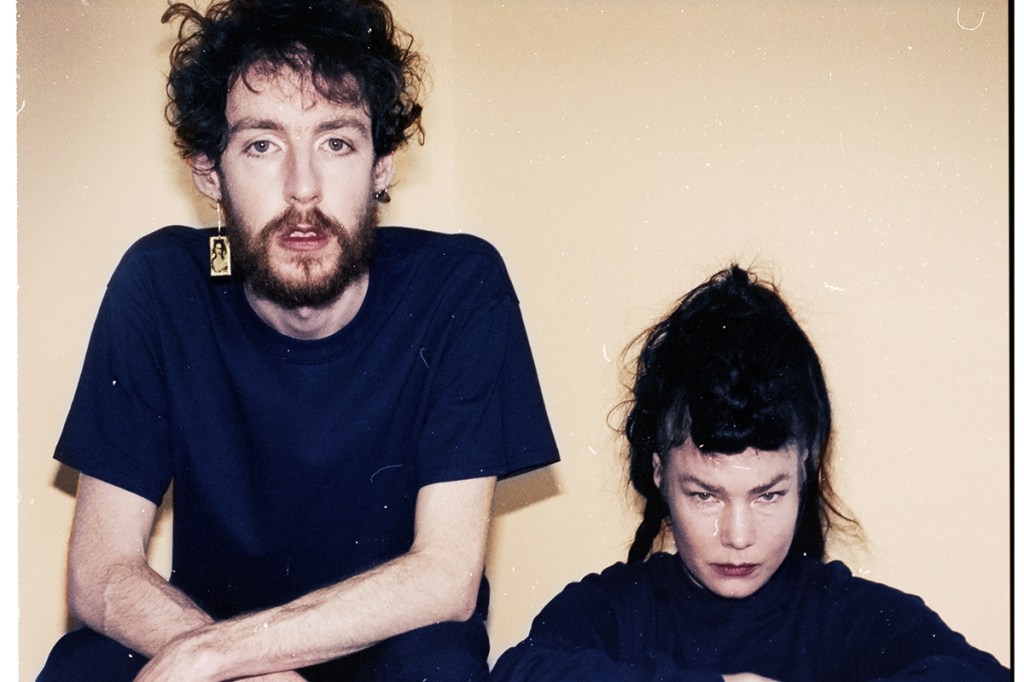
Rota Traces the Path of Hope and Light Through the Fog of the Troubled Mind on “How Not To Write A Poem About Depression”

Rota’s spoken words song “How Not To Write A Poem About Depression” recalls the contemplative style of Hymie’s Basement. But rather than that blend of nascent 2000s indie rock and alternative hip-hop, the sounds that accompany the words here seem to have the aesthetic of what might be described as time lapse beat making with the environmental sounds one might hear on a walk Rota takes to clear his head of the nervous energy and existential crisis imbued, daydreamy self-examination. Various tones run through along with percussive sounds that change throughout the piece so that one can’t really pigeonhole the rhythm to a specific style, rather it mirrors the free verse structure of the lines of poetry. One hears thoughts on very immediate and relatable strategies for holding it together and staying focused like trying to be well in order to keep going and “hoping not to be broken just open and candid.” Rota considers the subtle but pervasive power of loneliness as an aspect of depression that Prozac can dull but not completely vanquish. But perhaps the most perceptive and poignant parts are when Rota discusses the overused metaphor of artist or any human as a phoenix being reborn after burning out and how that cognitive construct can limit your ability to reconceptualize your life in healthier and more sustainable ways even though it’s better to be “more phoenix than zombie, more rib cage than metaphor.” The organic structure of the song flows in a way that seems to reinvent itself at every turn like so many of those turn of the century alternative rappers did while adopting soundscapes that more creatively and accurately established and complimented mood in a manner synergistic. Rota seems intimately aware of the need for verbal precision and in capturing the different pathways the mind of the thoughtful and mindful person follows it seems like he gathered potentially divergent ideas into a coherent if informal statement. Listen to “How Not To Write A Poem About Depression” on YouTube and connect with Rota at links below.

Rota on Twitter

Rota on Instagram

Gus Englehorn Chuckles at His Own Youthful Naivete on the Gloriously Strange “Exercise Your Demons”

Gus Englehorn, photo by Ariane Moisan

Gus Englehorn appears as a charismatic Christian minister in the video for “Exercise Your Demons” in full sales/charlatan mode, suit, headset mic and all. But this far too convincing strangeness goes into an exercise video like you’d see on late night TV but this one blurring the metaphor of exorcism and exercise as in to bring forth one’s demons and let them fly out for a change instead of holding them in or trying to expunge them from the psyche. This all set to a propulsive guitar jangle pop song and Englehorn’s always bizarrely fun and unique vocals. When Englehorn repeats mantra-like the lines “young and dumb,” “for years to come” and “I was so dumb” you recognize that truth and regret for yourself. The combination of spoken word and singing on the tracks from the singer-songwriter’s forthcoming album Dungeon Master (due out April 29, 2022 on Secret City Records, pre-order here) combined with eerie yet cheerful synths and unexpectedly solid pop songcraft including this track promise one of the standout albums of 2022 in terms of originality and making odd yet incredibly relatable ideas accessible through a cultural insight that only coming at subjects from an idiosyncratic angle and yield.

Gus Englehorn on Facebook

Gus Englehorn on Twitter

Gus Englehorn on Instagram

gusenglehorn.com

Belief Imprints Soothing Textures and Soundscapes on Your Brain With “Ulu”

A tonal wind in the distance brings us in to Belief’s single “Ulu” before a steady minimal beat indicates the next phase of the song. Although that wind persists like an emotional context for the song, a lightly distorted synth melody flares falls in the mix, subtle winding drones whisper in the middle distance, a simple, light electronic bass line joins the shuffling rhythm that takes over as the melancholic wind fades to be replaced by a hazy keyboard figure. But the motifs return before the outro and the mood is reminiscent of late 2000s minimal and dub techno, with roots in 90s dance-oriented IDM, in its evocation of a soothingly chill atmosphere of deep contemplation. The project is comprised of Stella Mozgawa (perhaps best known as the drummer for Warpaint whose considerable skills and perceptive ear has contributed to records by Kurt Vile, Kim Gordon, Cate Le Bon, Courtney Barnett and others) and Bryan Hollon aka Boom Bip (who is in the electronic group Neon Neon, in which Mozgawa once toured) and if this track is any indication it taps into their collective knack for generating textures and soundscapes with rhythms to anchor the emotional imagery in your brain with a gentle touch. Listen to “Ulu” on YouTube and follow Belief at the links below.

Belief on Instagram

Brisa Roché & IX Suggests Action Over Nostalgia in Love on Techno Pop R&B Single “The Time”

Brisa Roché & IX, photo courtesy the artists

“The Time” by Brisa Roché & IX is clearly steeped in electronic club music with the expert production in the synths and beats organized in the kinds of chapters you’d set up in Ableton Live or another platform for composing and performing modern electronic music. But the aesthetics of the song are reminiscent of the charm of lo-fi pop music but with a feel like something more intimate than the average bedroom pop song you’re likely to hear now that the format has gone from underground to live in large concert halls and even stadiums. And that delicacy of feeling suits a song about wanting to return to a time in a relationship not when things seemed new or other such clichés but to a place in life summed up nicely in the line “How I long for the time when we took the time.” You know, when things don’t seem rushed when you make space for each other and can give the relationship and the special bond you feel the time and energy it deserves. There is an air of nostalgia but it’s not the variety that mourns a past that will never be again but an expression for a fondness for a time that can be again if the people involved can find a way to prioritize what they have together. It can be a challenge given the demands of modern life and trying to live as an adult but Brisa Roché & IX suggest that knowing it’s possible means it can happen again given the will to make it so. Listen to “The Time” on YouTube, look for the forthcoming album BRMD from which the track is taken and connect with the Dutch duo at the links below.

Brisa Roché & IX Music Links

Brisa Roché & IX on Apple Music

Bryce Terry Rushes Us Toward a Meeting With a Tranquil Infinity on “Archangel”

“Archangel” closes out Bryce Terry’s new EP Nine Hundred and Ninety-Nine Papercuts. After the perilous soundscape of “Asylum” and its nervous energy like being in the head of someone running from a mysterious threat and wandering to safer space and the jittery, percussion driven rhythms of “Acetone,” “Archangel” seems like a fusion of Terry’s creative instincts and methods for this release in combining a minimal techno style in the production but with the moody and unpredictable directions one might expect from an IDM track. The almost vocal sound near the beginning of the sounds like an announcement made indistinct by distance but not by volume. A shuffling beat and the motif of that announcement sound accenting the paces of the song that feels like an urgent walk bolstered by bright arpeggios of melody to suggest a focus with a clear destination in mind, a sense of mission punctuated by moments of contemplation manifested as linger, low end pulses. By the end of the song the ethereal drone that floats over all the frenetic energy of the rhythm unites for a denouement of reaching the end of a road of amplified activity. Listen to “Archangel” on Spotify as well as the rest of the Nine Hundred and Ninety-Nine Papercuts EP and connect with Terry at the links below.

Bryce Terry on Apple Music

Bryce Terry on Instagram

SeepeopleS Mix Surreal, Fantastic Imagery With Tones of Melancholic Acceptance in the Video for “Two Silhouettes”

SeepeopleS, photo courtesy the artists

With figures animal heads (maybe a llama, dogs, rabbit, birds) frolicking as if in an animated collage of classical paintings and later fish swimming in the painting of a sea dissolving to reveal an aquarium in which one of the aforementioned figures is sprinkling in fish food flakes, the video for SeepeopleS’ single “Two Silhouettes” should seem extremely weird. But the delicate psychedelic, chill country pop flavor of the song makes the bizarre seem accessible especially if you’re already someone that has long appreciated the surreal and you grew up with Yellow Submarine, The Krofft Supershow series and Nickelodeon’s Calliope program. The shimmer on the guitar work like pedal steel in the context of the band’s genre-bending instincts this time threading chamber pop with countrified freak folk makes the tone of melancholic acceptance and wistful nostalgia of the song seem more poignant and hit a little harder. Songs about breakups can be a little corny but this one really expresses poetically how your limitations as a human and the little mistakes you feel you made can really come back to haunt you. Watch the video for “Two Silhouettes” on YouTube, connect with the pop rebels SeepeopleS at the links below and look for the release of the group’s eighth album Field Guide For Survival In This Dying World on their own RascalZRecordZ imprint later in 2022.

seepeoples.com

SeepeopleS on Twitter

SeepeopleS on Facebook

SeepeopleS on Instagram

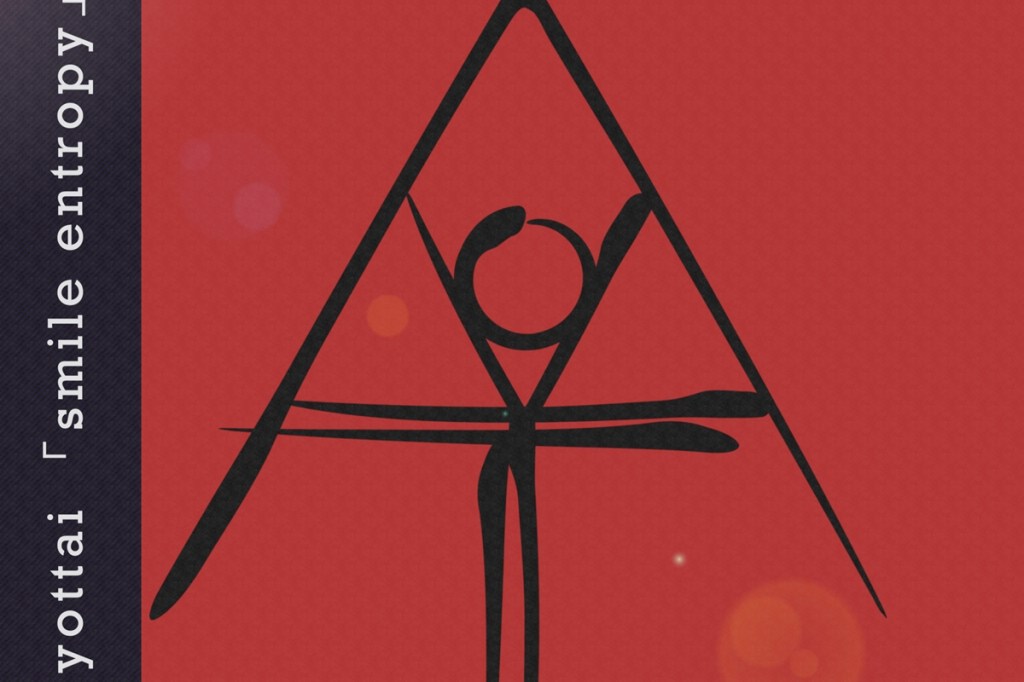
Yottai Bends Time and Tones on the Otherworldly Witch House Track “smile entropy”

When “smile entropy” begins you might think Estonian witch house project yottai is giving us a kinder, gentler experimental techno track. But when the vocals come in there is something alien yet welcoming amidst tonal swells, drones and processed beats. You feel like you’re listening to a song in reverse with a beat that moves in forward motion. The music video for the song makes this effect explicit with lyrics displayed in mirror image. While one vocal is distorted and almost in call and response fashion accenting the main vocal line the other sounds pitch shifted and effected to make it more a sound in the music more than words with any essential meaning. And that may be one aspect of the treatment of those vocals but overall the song takes you out of normal time, like a compound time signature strategy to the rhythm that opens up the possibilities of where the song can go and the moods it can evoke. The song is thus reminiscent of Tara the Android’s video for “I Feel Fantastic” as done by John Bergeron. Here the music is also subversive and sonically creative but not creepy, like if Tara went on to be an underground techno star after her pop career didn’t quite pan out as hoped. Watch the video for “smile entropy” on YouTube and follow yottai at the links below.

Yottai on Audiomack

Yottai on Bandcamp

Yottai on Twitter

Yottai on Facebook

Yottai on Instagram

Plumes Conjures a Mood of Romance and Skullduggery on “When I Walk In”

Plumes, photo courtesy the artist

Veronica Charnley of Plumes mixes a Twentieth Century classical sensibility and indie pop. The single “When I Walk In” as depicted in the visually striking music video is written almost like one side of telephone conversation between people in the cryptic beginnings of a deeply atmospheric thriller. The scenes of a getaway cottage in the American west near a mountainous landscape. There is something ominous in the tone of the song though it is also introspective and beautiful in its leisurely pace. The intricate piano figures seem to sketch the outlines of the arc of emotions in their complexity. The lyrics are the words of someone who felt a special connection with another person with the tender feelings and fondness lingering even though it seems obvious something is off though perhaps things are not at an end but in need of examining if and where things went awry as there is no attempt to villainize in Charnley’s words. Could be a figment of my imagination but I hear a nod to Debussy’s “Arabesque No. 1” in the structure and mood of the final third of the song which enhances an air of mystery to the song that also allows for a song of potentially mixed emotions resolve with a sense of satisfaction. Watch the video for “When I Walk In” on YouTube and follow Plumes at the links below.

Plumes on Instagram

Modern Moxie Navigates Past the Romanticism of Nostalgia on the Title Track of its New Gutter Honey EP

Modern Moxie, photo by Dries Vandenberg

The title track to Modern Moxie’s new EP Gutter Honey sounds like an unlikely blend of 60s pop and Joanna Newsom. In its wistful melodies and yearning tones there is a delicacy of feeling that singer Madison Lucas’ unconventional vocals articulates well, a tempered vulnerability that never lost its sensitivity. Hearing the plucked guitar and the waltz-like pace one thinks of the way cinema depicts memories of times long gone and the song certainly seems to be one about looking back on one’s life with a mix of sentimentality and regret. Guitar bends mark the ends of passages like a sonic halo to honor a bit of grief over having passed on to another phase of life. It’s a strong end to an EP that goes beyond a fond nostalgia to the navigation complex and perhaps conflicted feelings to bring greater clarity that simply holding up an earlier part of life as the “good old days” and because of that it is reminiscent of the early Rilo Kiley albums as well that also tied keen pop songcraft with lyrics that express truths that often elude putting into words. Listen to “Gutter Honey” on Spotify, listen to the rest of the EP on Bandcamp and follow Modern Moxie at the links below.

modernmoxieband.com

Modern Moxie on Twitter

Modern Moxie on Facebook

Modern Moxie on Instagram

Mokina’s “Departures” is Imbued With a Sense of Hopeful Anticipation for a Journey Ahead

Mokina, photo courtesy the artist

“Departures” is the intro to Mokina’s forthcoming album Love is Also OK. Immediately with its expansive synth drone and minimal melodic tonal figure it makes you feel like you’re getting ready for some major life changing journey with a spirit of hopefulness and anticipation. Her vocals sound like announcements in a crowded train station or airport that you can barely make out but which has a calming effect on you because they’re not yet announcing your own departure. The drum solo mid song sounds almost unrecognizable in its subtlety nearly to the point of abstraction with a gentle yet energetic performance. It hits like the sound of waves lapping at the shore nearby or a train arriving, further setting a mood of relaxation. The unhurried mood of the song is so inviting and relaxed that you kind of wish many situations in life could have such an aspect and that all journeys could begin with such a spirit of calm. Listen to “Departures” on Spotify and follow Mokina at the links provided.

Mokina on Facebook

Mokina on Instagram