
Queen City Sounds Podcast S2E49: Ivan Julian

Ivan Julian, photo by Sam Chen

Ivan Julian is a guitarist, singer and songwriter who many may know as a founding member of Richard Hell and the Voidoids. He has also contributed to music by as well as performed with the likes of Isley Brothers, The Clash (for instance he played on “The Call Up” from 1980’s Sandinista!), Matthew Sweet (with whom he toured for a number of years in the 90s), The Bongos, Shriekback and others. The child of a Navy officer, Julian spent a great deal of time living in other parts of the world including Haiti and Cuba but ended up in Washington D.C. as happens with families who have jobs with the federal government. Julian began playing guitar in his early teen years and was a touring musician at age 17 as a member of The Foundations. In his 20s Julian was part of that influential CBGB’s scene and crossed paths with a broad swath of the punk world and No Wave scenes and formed a group called Lovelies in 1988 with his then life Cynthia Sley of Bush Tetras. In February 2023 Julian released his new album under his name called Swing Your Lanterns, an album about the nature of character in a time of troubles and how that overlaps with the human condition, it’s an album about timeless themes of love and loss, dreams and contemplating the deeper meaning of it all. Musically it brings together the sounds of Julian’s long career with elements of punk attitude, blues, R&B, pop and art rock. It finds Julian in an imaginative mode with poignant commentary on our current era.

Listen to our interview with Julian on Bandcamp and give a listen to Swing Your Lanterns on Bandcamp where you can also purchase the album on digital, CD and pre-order the limited edition 160 gram vinyl.
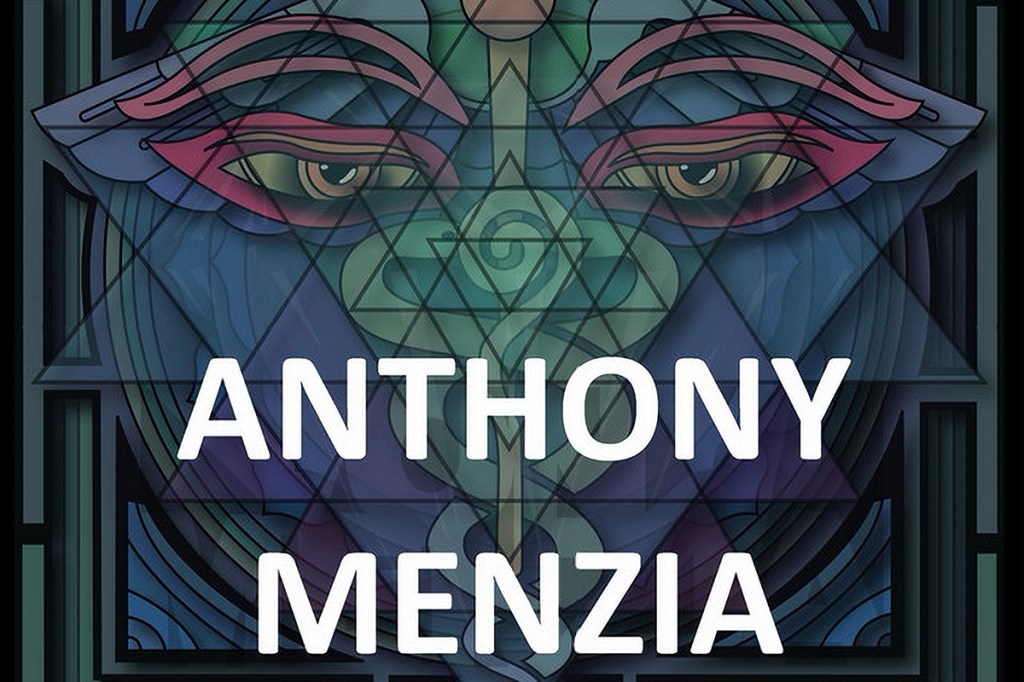

Anthony Menzia Weaves Together Spectral Drones and Organic Art Rock Beats to Craft the Darkly Beguiling “The Witch”

The artwork for Anthony Menzia’s single “The Witch” sets the mysterious mood for a song that doesn’t fit neatly in any single genre designation. It’s a design suggesting simultaneously a face, a sword, a caduceus as an image like stained glass in the chapel of the mystic of a forgotten spiritual faith.The song itself is a journey from darkly shimmering electronic shimmers over a an organic beat seemingly tapped out with sticks on wood while pulses of distorted sound establish a rhythm before processed vocals come in reminiscent of Barry Andrews of Shriekback circa 1986 and Big Night Music. It’s hushed and sits in the mix, ghost-like. Tones hover brightly and dissolve like swarms of luminous insects coming together like a temporary colony and dispersing. The lyrics are a bit enigmatic making references to not having to guess what’s on someone’s mind and directions to swivel one’s hips if under the spell of the person singing. Is it an inducement to dance or an attempt at seduction of the carnal and/or spiritual kind. Difficult to say but the song sounds like something you’d hear in one of those elevated horror movies in a scene where more mundane characters are introduced to a secret society or a clandestine subculture that promises a more interesting life. Listen to “The Witch” on YouTube and follow Anthony Menzia at the links provided.

Anthony Menzia on Twitter

Anthony Menzia on Instagram

The Minimalist Sound Collage of Tallinn’s “At the Freeport” Questions the Inevitability of the Transformation of High Art Into a Form of Currency in Late Capitalism

Tallinn, Varieties of Exile II cover (cropped)

Tallinn is the project of Scott Whittaker who is working on a trilogy of EPs that “deconstruct the jazzy sophistication of soft rock with corroded noise and experimental textures.” That succinct description fits the track “At the Freeport” from Varieties of Exile II EP (out May 25, 2020). The song is like a collage of sound utilizing marimba as both a textural and rhythmic element, what feels like samples of sounds as quick swells of tone and drone (the latter in the form of what sounds like a disintegrating tape of an electronic organ played backward) and lightly phased vocals. The effect is reminiscent of arty post-punk band Shriekback at its most avant-garde. The percussion and impressionistic guitar work ground the song while the other elements seem like blown out ghosts that come in to haunt the song fitting its themes of questioning whether its inevitable that high can become a form of currency in the process of universal commodification under late capitalism. The song doesn’t answer the question but it does provoke contemplating to whom does great art belong and to whom do great do great ideas belong in the end. And one can easily conclude that all of it can and should benefit the greater human community and coming to that realization does that suggest other obvious parallels in how we organize our political and economic lives? That the song can prompt such a string of thought suggests that maybe art can be inherently a method of communicating and inspiring change in a way that transcends a culture that turns all activity into a transactional relationship. Listen to “At the Freeport” on Soundcloud and connect with Tallinn at the links provided.

https://soundcloud.com/xtallinnx
https://xtallinnx.bandcamp.com
https://twitter.com/xtallinnx
https://www.instagram.com/xtallinnx