
Queen City Sounds Podcast S2E38: David Libert

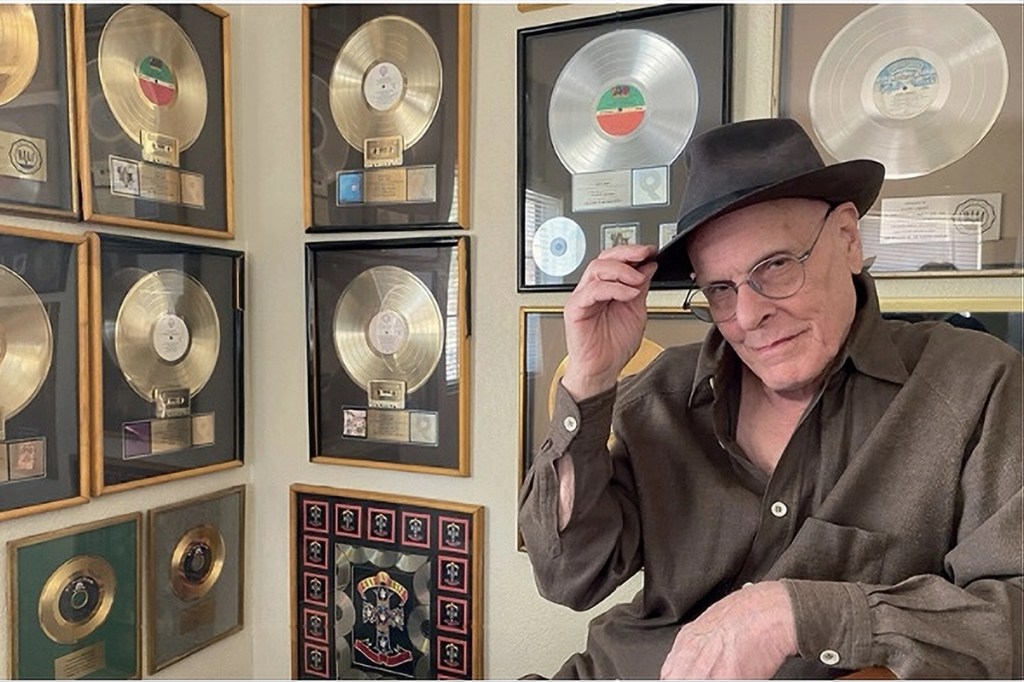
David Libert, photo courtesy David Libert

David Libert has lead a storied life in his more than fifty years in rock and roll as a musician, songwriter, tour manager, booking agent, producer and, briefly, drug dealer on Sunset Strip. He recently collected many of his memories of that career in his recently released autobiography Rock and Roll Warrior (September 23, 2022, Sunset Blvd. Books). In his youth Libert was a member of The Happenings who scored hit records including “See You In September” and a cover of “I Got Rhythm” that spent several weeks on the Billboard Hot 100 Singles charts peaking at number 3. While in that band Libert was the de facto guy that did all the unglamorous things in a band that a manager usually performs and that lead to his stint as the tour manager for Rare Earth before taking on that role with the band Alice Cooper from 1971-1975—arguably the group’s most productive creative period. After moving to Los Angeles following that run with Alice Cooper he came to represent George Clinton and Parliament/Funkadelic, Bootsy’s Rubber Band and The Runaways. Libert also represented Living Colour, Sheila E., Vanilla Fudge, Cactus and a bevy of other artists. Libert turned 80 on January 20, 2023 and his autobiography and his recollection of his life and career are extraordinarily lucid and entertaining. In the interview listen for Libert’s amusing and interesting story about Guns N’ Roses.

Listen to our interview with Libert on Bandcamp and to order a signed copy of Rock and Roll Warrior please visit Sunset Blvd. Books.
SeepeopleS Return With the Urban Folkloric Examination of Our Habits of Psychological Self-Abuse in the Video For “Shame”

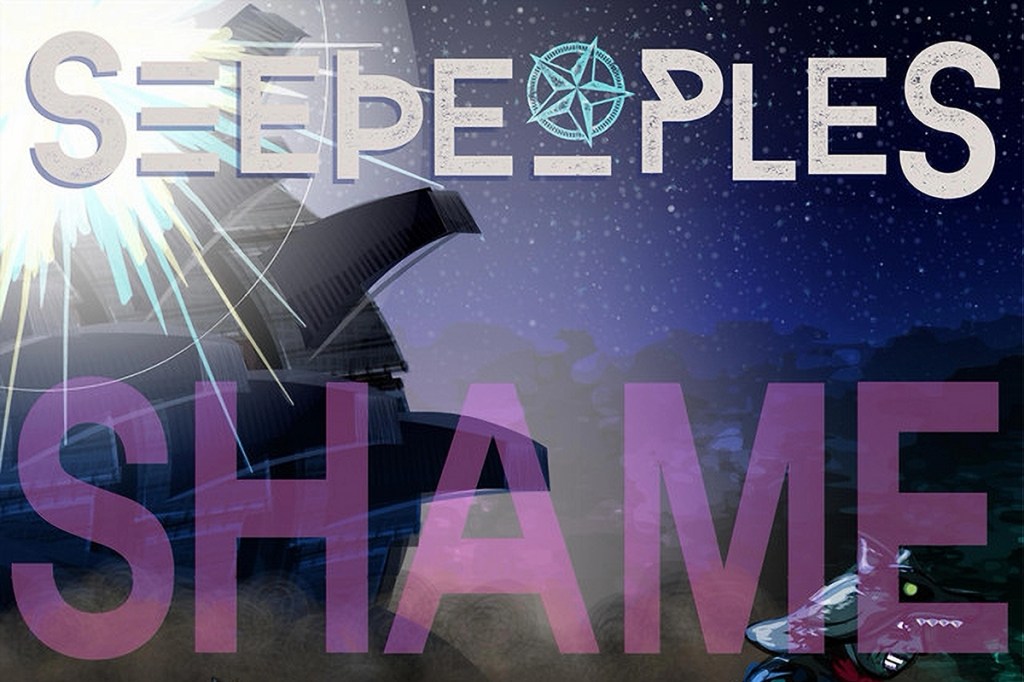
“Anti-genre” indie rock tricksters SeepeopleS (which includes Tim Reynolds of Dave Matthews Band and members of Mophine, Paliament/Funkadelic, Spearhead and Lynrd Skynrd) are back with a video by Pete List for the song “Shame.” In the melancholic colorings and tone of the song and the situation of what’s clearly a family splitting up. A father is shown arguing with a mom with the child looks on, fire bursting from the father’s mouth depicting the kind of heated rhetoric that happens sometimes when a relationship splits in the not at all amicable way. A tender guitar riff runs through even as the song reaches an almost orchestral climax. The song unfolds in slow blooms of melody and the vocals are regretful and introspective spelling out the ways one can become disheartened. Lines like “with every passing moment I struggle to believe in love” and “someone’s always crashing the bus, you get used to the horror, the pain” hit hard but then there are them moments of realization such as “Life is not a game or a labor, living isn’t waiting for an angel or a savior, it’s insane.” And the choruses that include the word “shame” use the word as a mantra as a reminder that being able to feel how you know things don’t have to let fear or the heartache color every moment of your life even when it all feels like a chain of misfortune and tragedy. One could take the line “Don’t be afraid because you’ll be dead soon anyway” as a resigned, cynical but the video puts it in a different kind of context. The kid seems to have absorbed the angry ghosts that had gathered around him and turned into an animal that goes on the run from his troubles only to find himself facing down an armored military faction from which he and others of his have to run but only escapes by turning into himself and witnessing what looks like his own funeral but it’s a meta moment as the animal spirit waves goodbye to the kid as if setting him free from the shackles of his own anxieties after a dream conflict of epic proportions. It fits a song that really is a journey through dark, existential realizations that seem to hit us as the absolute truth in those low periods in our lives when everything seems to pile up and seem completely insurmountable. But the song with this video shows us how we can build the monsters in our minds better than anyone else and dissolve them as well and we can take on the real world as it is once the internalized melodrama fades. Shame in this song serves many rhetorical and symbolic roles including our conscience, our ability to take on psychological baggage because of our cultural conditioning and an assessment of the world we see and what it shouldn’t be but too often is. It’s a catchy pop song but has unexpected depths. Watch the video on YouTube and follow SeepeopleS at the links below.

SeepeopleS on Facebook

SeepeopleS on Twitter

SeepeopleS on Instagram

seepeoples.com