Easy Sleeper’s Raucous and Melancholic Jangle Pop Single “Pleasure Thrills” is a Song About Pacing Yourself Instead of Burning Out

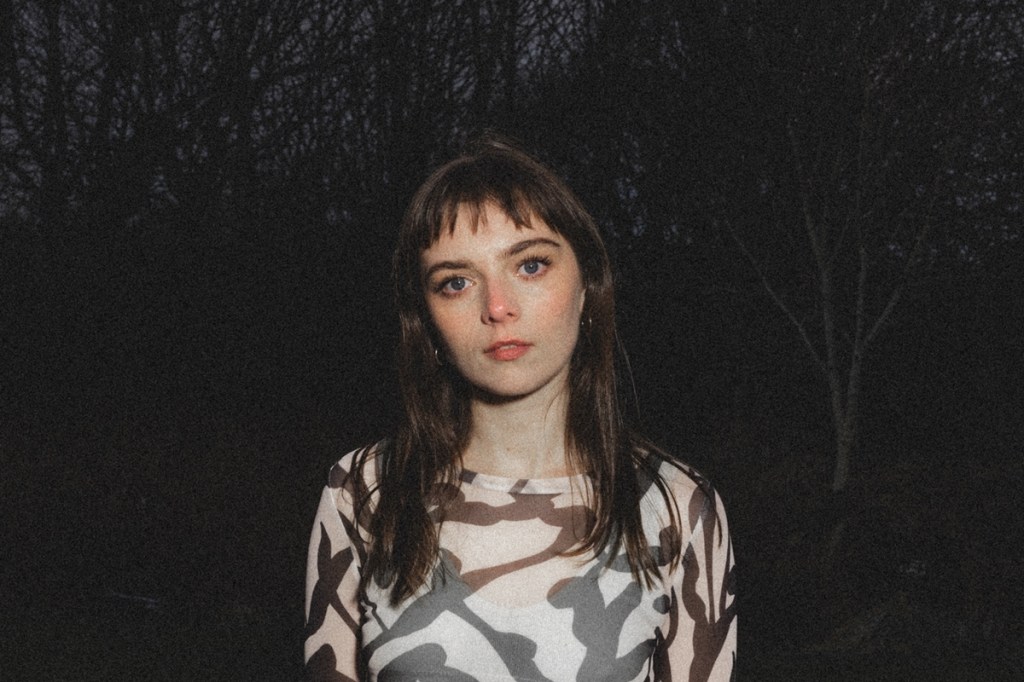
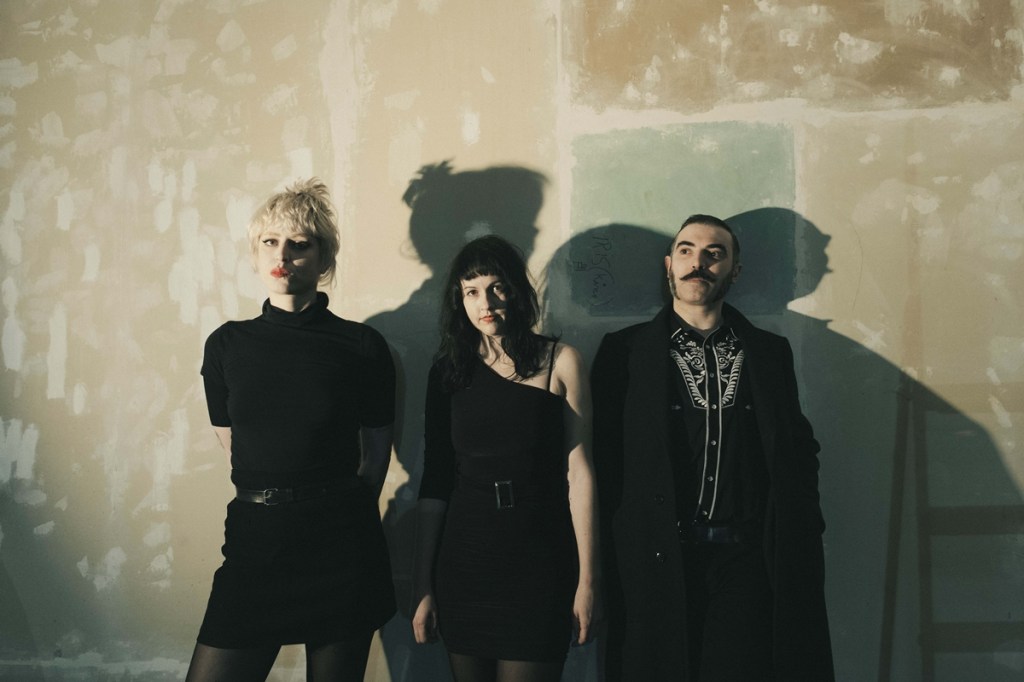
Easy Sleeper evokes a a deep sense of melancholic nostalgia and regret on “Pleasure Thrills.” Jangle-y guitar chords ring out with great spirit and then hang and linger accented by a subtle but strong bass line and framed by especially expressive percussion. The vocals weave a story and commentary about how in life there’s a lot of pressure to participate in pretense and competition under the misunderstanding that the choices offered to us are the only ones available and how maybe choosing a different path and way of being might be for the best. Lines like “Two conclusions pick the third one” suggest there’s always a different way of thinking. And the lines asking why you can’t just slow down or shut down instead of chasing after some dubious social reward sound like a call for not making decisions in haste and constantly living life like there’s a finish line. “You’ve only heard of meltdown,” that lyric concisely captures how a lot of people go through life catastrophizing when they crack periodically under their own self-imposed pressure, and who hasn’t at some point in their lives, when that could be bypassed by pacing oneself and forgoing imagined potential glory. The title may have another meaning completely but it fits how a life lived in bipolar fashion can seem exciting and fun but at what cost? Musically the song is reminiscent of 2000s indie pop and the kind of underground power pop that informed it with intricate melodies and raw yet tender moods. Listen to “Pleasure Thrills” on Spotify and follow Easy Sleeper at the links below. Look for the band’s next record due out in the fall.

Easy Sleeper on TikTok

Easy Sleeper on Instagram

Sebastian Müller’s Remix of E. Terre’s Ambient Song “Butterflies In A Field” is Like a Beautifully Negative Image of the Ethereal Sparkle of the Original

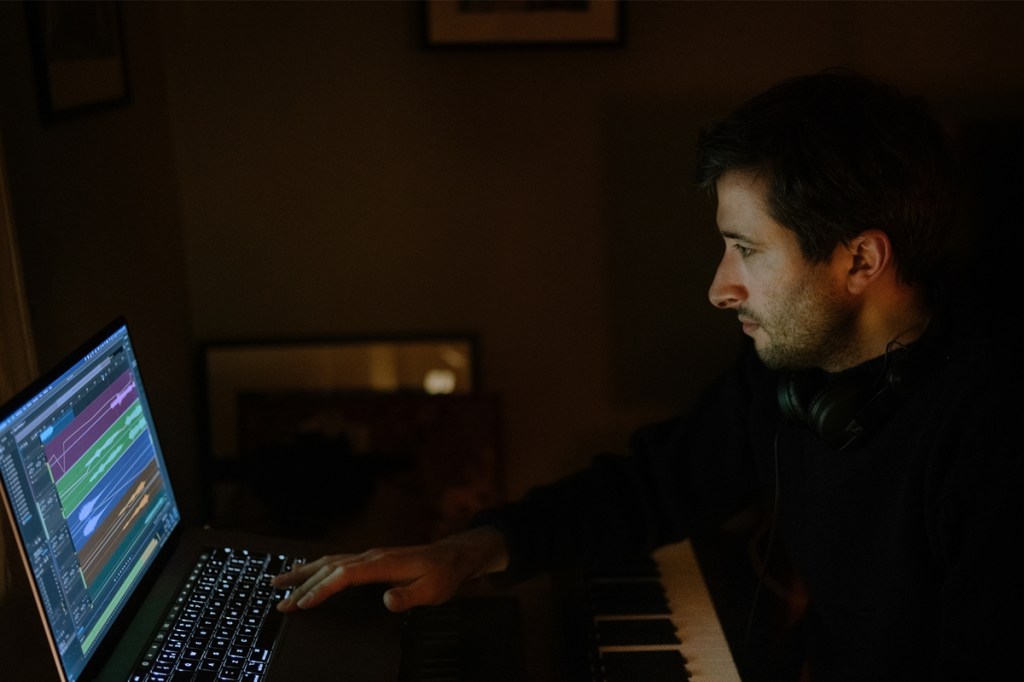
Brighton, UK-based artist Sebastian Müller took E. Terre’s song “Butterflies In A Field” from the latter’s 2023 debut EP A Constant Collage and truly changed its character and energy in the remix. The bright and effervescent quality of the original in Müller’s re-work is preserved as an undercurrent and the textural elements emphasized. The effect is something that sounds like a musical extrapolation on the frequences of water flowing briskly in an underground cave. The luminescent sounds more like something experienced in a dark environment rather than above ground in the sunlight. Or on a cloudy day with the shimmery dynamic of the original processed so the lower frequencies are emphasized lending the remix a paradoxically darker yet still resonant aspect that is like the musical equivalent of a negative image of E. Terre’s shining and sparkly original. Listen to “Butterflies In A Field – Sebastian Müller Remix” on Spotify.

Joh Chase’s Charming Folk Pop Single “When I Got This Place” is a Song About Being Content With Where You Are in Your Head and on the Planet

Joh Chase, photo by Shervin Lainez

Joh Chase drives down the surprisingly un-glamorous streets of daytime Los Angeles in the video for “When I Got This Place” and it serves as a perfect companion to the song’s lyrics. The spare and lively guitar work and Chase’s intimate and immediately engaging vocals deliver a song that seems to be about what it’s like to move to a place that’s supposed to mean so much more to so many people and a place many people go to make their dreams come true only to find that it’s often a lot different than some romanticized vision from film and television. But Chase’s song isn’t about disillusionment, it’s about coming to appreciate where you are geographically and in life. And to manage expectations and accept things as they are. Perhaps even to appreciate the uniqueness of where you find yourself and its unique charms. Chase’s song is an uplifting and finely crafted pop song filled with a gentle spirit and sense of acceptance that isn’t common enough in music at the moment. Watch the video for “When I Got This Place” on YouTube and follow Joh Chase at the links below. Chase’s album SOLO dropped on April 26, 2024 via Kill Rock Stars.

Joh Chase on Facebook

Joh Chase on Instagram

McDead’s “90” is a Cinematic, Psychedelic Big Beat Dub Dance Banger

McDead, photo courtesy the artist

You never quite know what you’ll get when you listen to a McDead song. Kev Edinborough’s influences and inspirations are diverse and seemingly hitting him in a serendipitous an intuitive fashion from track to track. “90” sounds like it crawled out of some hip post-Bristol trip-hop heyday and aftermath of the Hacienda closing in Manchester underground. It has a solidly moody, fuzzy bass line that pulls us in immediately to be swept up in psychedelic shimmer, breakbeats and an echoing keyboard melody that surrounds and drops in and out of the track while heavily processed soulful vocals haunt a deep inner place of the song. The subtle stereo effects in the production is masterful in placing the sound in and the way the tones decay in the delay and seem to swim around and linger briefly or hang and resonate into the ether. The song is impressive for how it has multiple hooks that make it memorable listen that stays with you. It belongs in a Jim Jarmusch film. Listen to “90” on Spotify and follow McDead at the links below.

McDead on Twitter

McDead on Facebook

McDead on TikTok

McDead on Instagram

McDead on Bandcamp

McDead on YouTube

Duchamp-Killer’s Video For Psychedelic IDM Track “Be Strong now and ever” is Like an Analog Video Dream Sequence

For the full effect of Duchamp-Killer’s “Be strong now and ever” definitely watch the psychedelic music video that embodies the glitches and high contrast sounds in visual form. A shuffling beat flows under other more industrial rhythms, swells of distorted synth, warping melodic keyboard sounds, burbling tones, bass drones and processed vocal samples. It has the aesthetic of that fusion of underground cinema shot on VHS and 2000s computer video games and art with an endless flow of visual collages paired with music perfectly aligned with its almost free form presentation of creative impulses. At times it comes across like what a live feed from a cybernetic jack from a hacker in a cyberpunk novel would look and sound like if that hacker found a creative outlet of running a form of a silent rave. Fans of 90s IDM especially Download (the long running project of cEvin Key of Skinny Puppy and others) will appreciate the level of sonic detail and the otherworldly retrofuturist vibe here. Watch the video for “Be strong now and ever” on YouTube and follow Duchamp-Killer at the links provided.

duchamp-killer.weebly.com

Duchamp-Killer on TikTok

Freedom Fry’s Electro Funk Pop Single “Midnight Serenade” is a Celebration of Memorable Chance Romantic Encounters After Dark

Freedom Fry, photo courtesy the artists

Freedom Fry hit some nostalgic notes with its new single “Midnight Serenade.” In the beginning the wordless vocal phrase, repeated later as a kind of chorus, and mood of the song is reminiscent of Suzanne Vega’s 1987 hit song “Tom’s Diner.” This resonance feeds into how the song has the sound of a time of day more than suggested by the title. And the lyrics of thoughts looking back on a chance potentia romantic encounter with a stranger that in retrospect feels like it could have come from a dream. Then to subsequently entertaining fantasies of what could have been and might still be after our narrator sobers up and can’t stop thinking about “our midnight serenade.” The funk guitar riff and sweeping synth melodies soaring over and under the vocals and weaving throughout the song all accented by a nicely subtle rhythm lingers long after the song is over too, the mark of we well crafted pop song as is usual for the duo. Listen to “Midnight Serenade” on Spotify and follow Freedom Fry at the links below.

Freedom Fry on Facebook

Freedom Fry on Instagram

OTOTOMY Hurls Free Associating Rhythmic Glitches, Digitally Mutated Vocals and Caustic Textures Together for the Psychedelic Noise Piece “Chairs”

The curiously titled “Chairs” by Finnish noise project OTOTOMY is a collision of power electronics, nightmarish vocal processing, jagged, lo-fi industrial beats and high-pitched distortion. Its disorienting roars have an odd organic logic like if you had to be a computer sorting through the recycling bin of an editing bay and attempt to make sense of the world by threading together the disconnected digital detritus of weeks of frantic work. In that roiling haze of sounds we hear fractured percussion and frayed waves of white noise constantly cresting like a video signal perpetually glitching out and repeating in a harrowing stutter before sputtering into nothingness. And that’s how the piece ends: abruptly and without any hint of a finished theme thus completing the proposed aesthetic above of the way we casually disregard of edits of our digital works splicing them off from more desirable content. With what we have left the mind imposes informal meaning and order and thus that is part of the appeal of the track as it invites interpretation with its furious soundscaping and relentless, rhythmic textures. Like if Butthole Surfers had emerged in the 2000s and didn’t bother with even the attempt at conventional song structure as a baseline before heading off into pure weirdo territory. Listen to “Chairs” on Spotify and follow OTOTOMY at the links below. The project’s new album FAILURE released March 16, 2024.

OTOTOMY on Instagram

OTOTOMY on Bandcamp

OTOTOMY on YouTube

Interview: Michael Gira of Swans on The Beggar and the Organic Development of His Music

Swans, photo courtesy the artists

Swans are the influential, experimental rock band formed in New York City in 1982 as one of the standout acts of the no wave scene. Fronted by singer, songwriter and multi-instrumentalist Michael Gira, the group’s ever-evolving lineup and sound has helped pioneer and in many ways define aspects of noise rock, industrial music, post-punk and in later eras of the band post-rock. Its earliest records were brutal affairs of a stark beauty and unsettling intensity. By the last half of the 80s singer and keyboardist Jarboe had joined the band and its music began to increasingly incorporate a musical intricacy, melodic ambiance and emotionally nuanced delicacy that became a regular feature of the songwriting. And for years the constant members of the band were Gira, Jarboe, and longtime guitarist Norman Westberg. Swans might have come to an end on a high note following the tour for the sprawling epic of the masterful 1996 album Soundtracks For the Blind. But in 2010 Swans reconvened and began another great arc of songwriting with songs that had an even more orchestral aesthetic than in the past and a series of albums that have delved into themes of existential terror, mortality, death and the search for meaning later in life in a world seemingly on the brink of unraveling. The latest Swans record, 2023’s The Beggar, finds Gira and his collaborators manifesting some of the songwriter’s most personal statements in songs that experiment even more deeply into modes of expression that disregard conventional notions of song structure and length in favor of experiential truth.

Swans is currently on tour in support of The Beggar for its first full North American tour since 2019 (band member Kristof Hahn Is the opening act) with a stop at the Gothic Theatre in Englewood, Colorado on Tuesday November 7, 2024 (7pm doors/8pm show). We recently had a chance to interview Gira via email about the music, his interactions with the public and the works of other artists and the new album.

Tom Murphy: In your social media presence you frequently share films, other works of visual art, music and literature that you’ve been taking in that has had an impact on you. Do you find yourself drawn to particular works that you encountered earlier in your life that resonate especially strong with you now and why so?

Michael Gira: I share as little as possible about Swans and myself on our social media accounts. I only post about Swans when it’s pertinent to a new release or a tour etc. I find the medium appalling and disgusting, but I recognize it’s one of the few ways we have of letting people who are interested know when there’s something happening with the music they might like to know about. In the meantime, I post about visual artists or writers or music that I find compelling. More specifically to your question, on a personal level I often find myself returning the art of Francis Bacon, the writing of Jorge Luis Borges, and the music of Nico.

What newer artists and work have you found especially fascinating and even inspirational of late and why does it resonate with you so strongly?

The music of Maria W. Horn is fantastic and I recommend it highly, as well as her work with the singer Sara Parkman (as Funeral Folk).

As a writer of music and literature do you find encountering and absorbing the creative work of others an essential part of your process?

No. It’s enough of a struggle to make something that seems worthwhile without thinking about other people’s work.

Swans albums, especially those since reconvening, seem like quite a production. Do you approach writing and recording them in a method similar to a film director in assembling the talent and collaborators to realize them and then perform them live?

No matter how strongly I vow to keep things simple, each album inevitably burgeons into a cascade of chaos and conflicting forces and then ultimately the creative act is figuring out how to find order in the mess I’ve made for myself.

The Beggar feels like a bit of a different record for Swans. Its tensions, pastoral daydreamy sounds and spirit of unease in certain songs feels like its coming from a different place. Like a musical Ecce Homo. Were there personal insights that have come to you recently in your life that helped to shape the songs you wrote for the album?

The music and the words grow organically somewhere inside my experience and I shape them as dispassionately as I can into a form that seems compelling and irreducible. I don’t think about content much, per se, though I presume it’s there.

You have lived on both coasts of the USA and abroad but are now based out of New Mexico. Has living in The Land of Enchantment had an influence on your creative work?

Not at all, no. I’m never home anyway.

You have said that when you were finally able to work on The Beggar that it was like “he moment in The Wizard of Oz when the film changes from Black and White to Color” and now you’re feeling optimistic. What do you think accounts for what might seem like a shift in outlook for you?

I’ve realized that I feel most alive when I’m doing what I was put on earth to do, which is to make music as best I can. The period of isolation during the pandemic was a prolonged suffocation. I’m sure it was the same for many people.

The artwork for The Beggar includes images of a heart and lungs. What is the significance of that imagery for the record?

These are the internal organs that I have found to be most crucial, personally.

Perhaps you’ve discussed this elsewhere but the sleeves/CD covers for many of the current editions of Swans albums available seem to be printed on paper that looks unbleached. What about that look and texture do you think suits your music and its presentation?

I like for the work to be tactile, a palpable physical object.

Live you seem to perform longer pieces of music like “The Seer” and “Bring The Sun Toussaint L’Overture” (which is a choice historical reference). Might we see “The Beggar Love (Three)” on this tour? What is the appeal for you of performing these longer compositions on tour?

Live, the music grows and grows and grows over the course of a tour. The opening piece of our current set has now morphed into something like an hour and 20 minutes. Don’t ask me why this happens. We follow the music; it leads us. We’re inside it and it controls us, I guess would be the best way of putting it.

TV FACE Presents a Stark and Brutal Portrait of Disablism in the Video for Seething Post-punk Single “Black Bag”

TV FACE, photo courtesy the artists

Six months after the release of its debut full length Tide of Men, Lancaster, UK’s TV FACE released the video for its song “Black Bag,” directed and edited by guitarist and vocalist Steve McWade The black and white footage seemingly shot in the basement of an old asylum is as grim as the subject matter of the song. Very few bands would write a song about disablism and the neglect, disregard and institutional brutality visited upon those deemed disabled either in body or psychology (and of course the interlinked nexus of the two). The song has the band’s signature sharp edges and angular rhythms with spirited vocals and a knack for crafting a sound that in its surging and frantic paces embodies a righteous frustration and outrage that has not nearly enough outlets for catharsis. Except that TV FACE always seems to have its attention on often neglected aspects of society and humanizes the situations with a vivid and energetic presentation and creativity. Watch the video for “Black Bag” on YouTube and follow TV FACE at the links provided. Tide of Men is out now on limited edition 180g yellow vinyl, CD and of course digital download and streaming.

TV FACE on Twitter

TV FACE on Facebook

TV FACE on Instagram

Strange Men Subvert Prevailing Paradigms of Normality on Fuzzy Garage Punk Single “Do What the Boys Do”

Strange Men, photo by Laura Cohen

Strange Men’s single “Do What the Boys Do” was written amidst a mental health and overdose epidemic and its splintered guitar buzz is the perfect embodiment of fractured and fraught emotions, psyches and lives but also as a mirror image of the more tranquil passages. And the rest of the song with the melodic vocals transitioning to those more desperate and feral trace a path that seems to be a part of daily life in the world now. The all too common cultural narrative of the fiction that the truly valid people have it all together and anyone experiencing a breakdown of any aspect of their life is probably a degenerate and worthy of judgment or pity at best and persecution and deprivation at worst is discarded here. Strange Men’s song rages against this mindset with compassion and a raw honesty fusing fuzzy garage rock and punk spirit. The music video is too a subversion of aesthetics. Co-directors George S. Rosenthal and Panda Duke (aka Kyle Casey Chu) attemped to shot and edit live in a single take with the band running between marks while eight cameras were running. The footage was slowed down and fed into AI programs to simulate missing frames and upend the usual use of the technology to create something intentionally unsettling and surreal. It is a perfect collaboration and synthesis of aesthetics and concept. Watch the video for “Do What the Boys Do” on YouTube and follow Strange Men at the links below.

Strange Men on Instagram