“Little Bird” is talker’s Self Care Song About Breaking the Cycle of Psychic Death By a Thousand Cuts

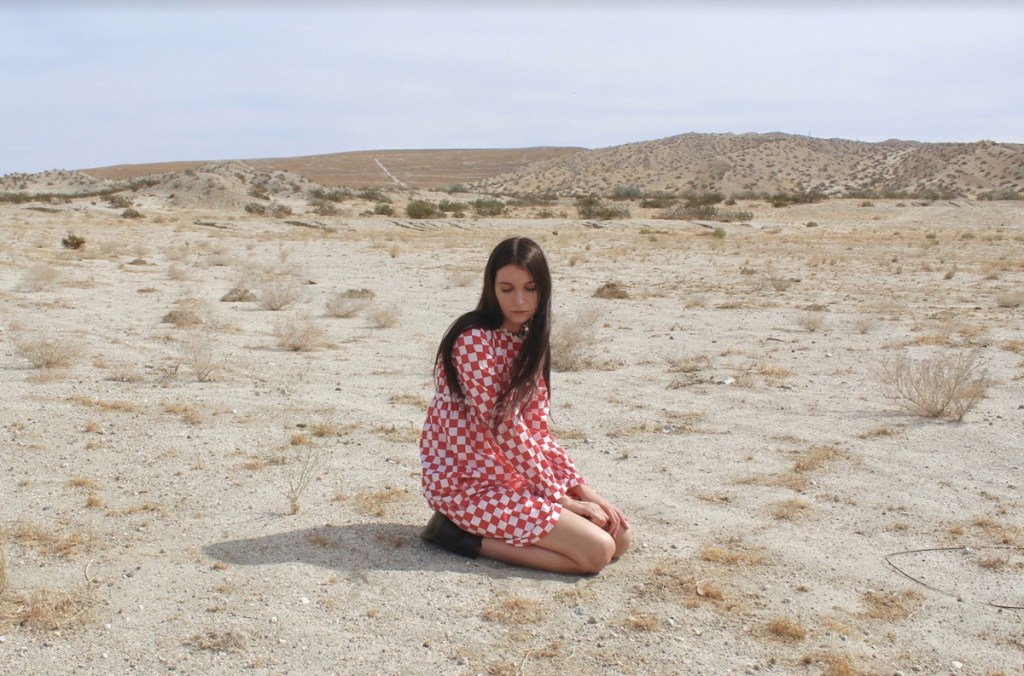
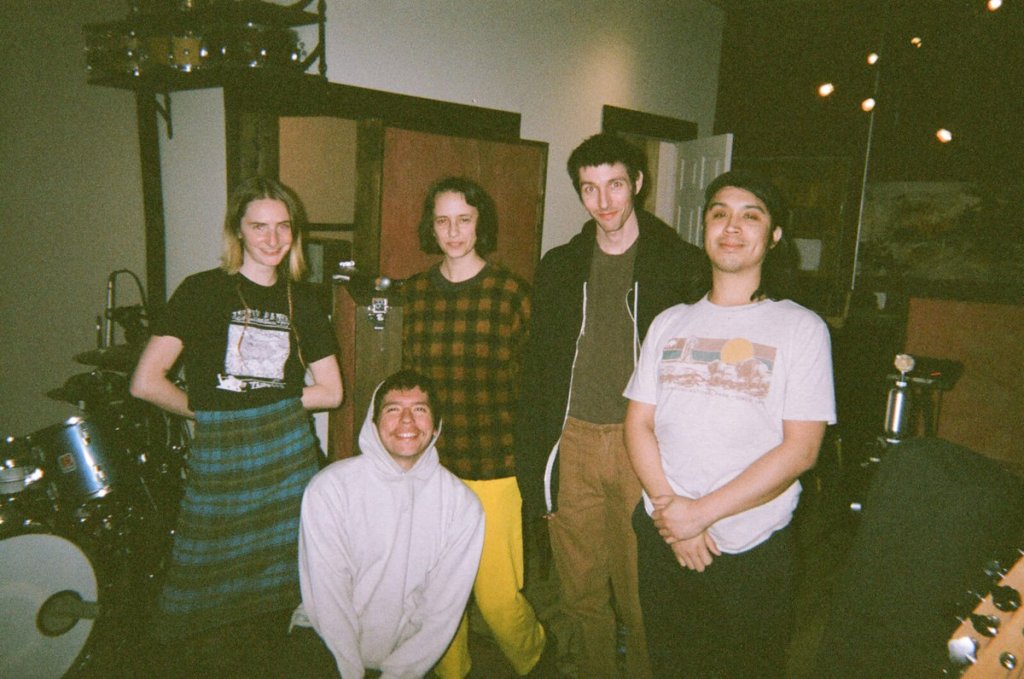
is the new EP from talker and her songwriting experiments in expressing a set of feelings and experiences with great poignancy and invention is obvious across the whole release. The song “Little Bird,” though, finds talker centering her warmly luminous vocals to relate a memory of being in a place in life where you feel like someone else or yourself conditioned by what you’ve learned to expect out of life is chipping your dignity and identity away. With your self-respect thus eroded it feels difficult to break away from that cycle of dysfunction and yet awareness of that state of affairs is a message to your psyche in itself. The song doesn’t promise some miracle rescue or some throwaway line about how things are going to get better and no cheesy sentiments about triumphing over this time in life it suggests that you have within yourself the ability to move beyond that head space simply by seeing things for what they are and sometimes hearing that in a song or, heck, writing the song is the catalyst. Which is a more creative and practical approach to conveying that content. Listen to “Little Bird” on Spotify where you can listen to the rest of the EP and follow talker at the links provided.

talker on TikTok

talker on Facebook

talker on Twitter

talker on Instagram

King Monday and Azileli Encourage Finding Your Own Path With Integrity on Downtempo Dreampop Track “Sleepwalker”

King Monday and Azileli, photo courtesy the artists

“Sleepwalker” from King Monday’s new EP features Azileli on a track that begins with lush, environmental ambiance that gives the impression of waking up refreshed in a room bright with morning sunlight. As the song progresses the streaming tones and textural rhythms trace the lyrics about someone who seems to be singing to herself like she’s looking in from the outside and gentle nudging herself into action after feeling like she’s been observing the world as it is but going through life like she’s powerless or passive. This after being taught that she can have anything she wants any time but what does that mean if you don’t know what you want? And this is such a common phenomenon in the world where our upbringing and culture doesn’t encourage an awareness of personal purpose much less discovering one of our own. The line “I’m so sick, I’ve been living with my eyes closed” expresses that turning point in consciousness where that state of things becomes intolerable and you push yourself into new personal territory even if you don’t know where you’ll end up but at least you can make your mistakes on your terms and learn what you want your life to be about with integrity. The song’s gorgeously composed electronic, downtempo dream pop is instantly compelling and alluring and in the process of listening it challenges in the gentlest way possible to consider where you are and where you want to be. Listen to “Sleepwalker” on the BonFire Records Soundcloud and follow King Monday on his personal Soundcloud and on Spotify.

The Soft, Psychedelic Soundscapes of A Beacon School’s “Dot” Are a Map of the Evolution of Our Creativity and Consciousness

A Beacon School, photo from Bandcamp

“Dot” is A Beacon School’s first release in three years and its free flowing swirl of colorful tones promise some deeply imaginative soundscaping in the forthcoming album due out sometime in the hopefully non-too distant future. Its gentle psychedelia and expansive dynamic is an interesting choice for a song that blends a contemplation on creating a work of art and a reflection on one’s own life. The way one creates say a visual work or a song from conceptualization stage to execution in sketches and stages, parts and passages and going through life considering what paths to take, small choices that establish an overall pattern that you hope you can consciously guide or set in motion in ways that unfold to one’s satisfaction. In both cases imagining you’ve discovered a new method, a new aesthetic, a dramatic breakthrough in one’s creative work and life only to discover patterns that emerge from the character you’ve made for yourself. And yet in that realization is the consciousness of ways to work with instincts and habits and break or transform them in ways that seem viable and sustainable. And ideally through multiple iterations of these attempts we can establish more rewarding patterns in art and in life. Musically the layers of synth and flow of textures is reminiscent of the dream pop of Sound of Ceres and the main melodic line in the song strongly resonates with that of Stereolab’s “Blue Milk” so that an unconventional free jazz element provides an informal structure to the way the song organically resolves in a way that keeps your attention to the end. Listen to “Dot” on YouTube and follow A Beacon School at the links provided.

A Beacon School on Facebook

A Beacon School on Twitter

A Beacon School on Instagram

Graffiti Welfare’s “Volume” is a Hypnogogic Pop Song for Insomniacs Everywhere

Graffiti Welfare, photo courtesy the artist

Graffiti Welfare are on to a very real personal phenomenon with the song “Volume.” It’s something that could only happen from the late Twentieth Century onward but reflects an aspect of human psychology and culture that goes back to our most ancient of days. The shimmering tone and ethereal vocals with some fairly funky bass, synth drone and expressive percussion cast a dreamlike quality on the song and the lines “Turn the television on while I get some sleep/Leave the volume up, man it’s the same to me” that open the song expresses how familiar sounds and energies can soothe our minds so that we can get adequate rest. Not everyone but the kinds of people who maybe in ancient times had the habits of being aware of environmental sounds and when those sounds and sense of movement remain familiar their nerves could relax some but when that normalcy is interrupted they shock to awareness. “I’m scared the volume will cut out/While I’m asleep/Next day no voice on the street” speaks to that ancient mindset adapted to a modern context. Even when a television station will broadcast different programs there is a kind of constancy and predictability to the sound level and dynamics that is not unlike the fires going on, the sound of wind in grass, the regularity of water lapping at the shore and so on. On another level the song articulates what it’s like to have a survival mentality where maybe you feel like you have to be hyper vigilant and pin your ability to relax on these unconventional cultural tools that might actually agitate people not saddled with those sensitive instincts. Musically it’s like a psychedelic, moody synth pop song that fans of Nation of Language and Lake Trout might enjoy. Listen to “Volume” on Spotify and follow Graffiti Welfare at the links below.

Graffiti Welfare on Twitter

Graffiti Welfare on Instagram

REX and Jonatan Egholm Keis Present an Elevated Horror Short Masterpiece in “FORWARD”

Danish synth band REX gives us an existentialist, elevated horror short with its video for the song “FORWARD.” The narrative of the video suggests a young woman struggles with abuse both emotional and physical when a mysterious figure with glowing eyes steps out of the fog enshrouded countryside to guide her to take drastic actions of revenge and self-liberation. Musically the song is reminiscent of what S U R V I V E did for Stranger Things or a less dance music oriented version of the kind of music Boy Harsher did for its own long-form music video/horror movie The Runner. But paired together the music and video directed by Jonatan Egholm Keis works powerfully well in an elegantly executed fusion of the two art forms. Though a dark story of the catharsis of abuse and the purging of the amplified anxiety of PTSD, the mystical, hooded figure ultimately seems benevolent the way a visually similar figure does in the 2010 film Uncle Boonmee Who Can Recall His Past Lives where there is no question of the figure’s benevolence even if its image is visually ominous. Watch the video for “FORWARD” on YouTube and connect with REX at the links below.

REX on Facebook

REX on Bandcamp

REX on Instagram

rexcollages.com

House of Light’s “House of Love” is a Darkwave Synth Pop Fusion of Nostalgic Yearning and Rediscovering Romantic Ecstasy

House of Light, photo courtesy the artists

House of Light orchestrates multiple streams of tone on “House of Love” to give the song its bright and urgent yet melancholic vibrance. The lead single from the group’s new album 21st Century Prayer (out soon on Bandcamp) is reminiscent of that strain of modern darkwave that taps into the better end of the first wave of Gene Loves Jezebel and The Mission UK. Except that House of Light seem more keen on delivering classic pop hooks more in the vein of synth pop of that era as well for a sound that reconciles that tonal darkness and spirit with an upbeat dynamic. Fans of Actors, Bootblacks and Wingtips will find a lot to like about the way House of Light uses guitar tone to cut a scintillating figure through the soundscape in sync with the rhythm. Is the potential nod to Sisters of Mercy’s “Temple of Love”? Possibly but either way another touchstone for House of Light, surely. Whatever is in the mix, it’s an aesthetic that recalls an earlier era of music while imbuing it with a modern resonance and sensibility. The music video for the song shows the group seemingly performing in a repurposed church with projections of luminous washes and the surrounding architecture looking like some music video only seen on a public access music video program and thus adding a layer of mystery to the song’s impact. Watch “House of Love” on YouTube and follow House of Light at the links provided.

The House of Light on Facebook

The House of Light on Instagram

The Big Sway’s “Almost Home” is Like a Love Letter to Life on the Road in a Touring Band

The Big Sway, photo by Joe Macfadzen

“Almost Home” is The Big Sway’s first single from it’s forthcoming album We Made This For You (due out Summer 2022) and its frantic pace story finds a manifestation in the unusual music video. It depicts a dashboard hula dancer with a ukulele “dancing” in time with cross country road trips juxtaposed with images of monstrous driver and passenger in the car, time lapse traffic to exaggerate the chaotic nature of of traveling by car and interstate maps. Musically it’s a cousin to for much of the song to Zen Arcade-period Hüsker Dü but then in the last section of the song things slow down to a tranquil and echoing melody with Polaroids of the trip scrolling across the screen. It’s a lot like touring in a band. A lot of hurrying up and packing in a lot of shows and other action into a compressed period of time and not having a lot of time to think and unexpected periods of having time away from the focus of the tour which is getting to the venues and playing and loading out and finding a place to sleep before hitting the road again. It can be frustrating and fraught but there is a certain excitement to it even when you run into a less than idea situation at a venue, with a particular show with the outcome thereof and so on—it’s all a part of the adventure that seems over so soon. Then at the end that sensation of getting home after a long drive and how surreal and tranquil it feels and comforting and then taking the time out to reflect before returning to regular life seems to take on greater significance than merely coming home after a vacation. The Big Sway captures those emotions perfectly in this song and whether it’s sort of a love letter to the life of a band on tour it sure sounds like it and Damon Bishop’s music video a fantastic visual representation of that time as well. Watch “Almost Home” on YouTube and follow The Big Sway at the links below.

The Big Sway on Instagram

thebigsway.com

Queen City Sounds Podcast Ep. 25: Reverb and The Verse

Reverb And The Verse, photo by Tom Murphy

Reverb And The Verse has been going in Denver since 1999 when Shane Etter and Jahi Simbai (aka Providence) met through friends who figured they might gel as a duo. Between Etter’s technical wizardry with synthesizers and production and Simbai’s deft and thought-provoking wordplay Reverb And The Verse became a staple in the local underground music scene. But their wide-ranging musical interests and eclectic aesthetics always seemed to make them perhaps too experimental or not otherwise right for the hip-hope scene and too hip-hop for other scenes. And yet Etter and Simbai have produced an impressive body of work across ten albums including their 2022 and final album BLACKWALL. From jump it’s a decidedly different and engrossing album that hits like a secret and great industrial or darkwave record but with a hip-hop production aesthetic (of course much of industrial production was inspired by hip-hop sampling techniques and sequencing) and Simbai’s commanding vocals and incisive social analysis. One would hope that in an era when Vince Stapes, Earl Sweatshirt, Danny Brown, Tyler the Creator, Death Grips, Moodie Black, Dälek and clipping. thrive that Reverb And The Verse would have been embraced by a wider audience but time will tell. BLACKWALL is arguably the duo’s finest moment across a catalog of consistently impressive and imaginative work with something to say with poetic finesse. All of it can be found on the Reverb And The Verse Bandcamp page.

We had the opportunity to sit down with Etter and Simbai to discuss their backgrounds in music, engineering (not the musical kind) and the ideas and experiences that shaped their extraordinary music. Listen below on Bandcamp and look out for a vinyl release later in 2022 and, with any luck, live performances of these songs and news of what the artists will do next.

reverbandtheverse.com

Reverb And The Verse on Instagram

Live Show Review: IDLES and Automatic at Mission Ballroom 4/19/22

IDLES at Mission Ballroom 4/20/22, photo by Tom Murphy

Somewhere between when IDLES last played Denver at Larimer Lounge on October 1, 2018 and 2022, the Bristol-based rock band turned from small cult band to much wider international following going from a room that supposedly has a capacity of 250 to Mission Ballroom at 3,950. Who can say what happened. Maybe more people got on board when Ultra Mono came out during the peak months of the pandemic and Crawler in the fall of 2021. Its appeal has certainly been much broader than might have been suspected four years ago. The group resists easy and obvious genre tags like punk and post-punk much less post-hardcore but the spirited performance, the explicit anti-fascist bent of the lyrics and the attitude of this show even on such a big stage sure made it feel like IDLES came out of the punk or at least UK pub rick lineage.

Automatic at Mission Ballroom 4/20/22., photo by Tom Murphy

Automatic from Los Angeles opened the show with its minimalist aesthetic. No guitars but bass, synths and drums with all three members performing vocals with Izzy Glaudini (synths) doing most of the leads, Halle Saxon (bass) doing many of the backing vocals and Lola Dompé (drums, daughter of Kevin Haskins of Bauhaus fame) putting in lead vocals at various points in the set. Musically it was reminiscent of minimalists like Young Marble Giants with a touch of Stereolab and Delta 5. They seemed like a retro-futurist pop band with a visual style that resonated with a 1990s vision of a band from 2049. In some ways the music recalled the unconventional rhythms and otherworldliness of Suburban Lawns or LiLiPuT and the mix of organic sounds with the more electronic was well-integrated and imaginative. The new Automatic album Excess releases on June 24.

Automatic at Mission Ballroom 4/20/22., photo by Tom Murphy

Automatic at Mission Ballroom 4/20/22., photo by Tom Murphy
IDLES at Mission Ballroom 4/20/22, photo by Tom Murphy

With the forcefulness and aggression inherent in its live energy IDLES could both alienate and inspire people. What made the band appealing to so many people early on was its stridently political yet humanistic and populist lyrics tempered with an embrace of sensitivity and openness singing of deep psychic pain with a raw and refreshing honesty and authenticity. The music felt like a way to redeem aspects of UK “lads” culture by cutting out the misogyny and, well, working class manifestation of racism and xenophobia while preserving the energy that is exciting to music aimed at that demographic. Because it was so authentic and real and spoke in direct language, the group couldn’t help but expand its audience with people who realized those old and outmoded ways didn’t belong to their core identity. At the aforementioned show in Denver, IDLES utterly erased the barrier between attendee and performer with lead singer Joe Talbot spending most of the time off stage and among the people who showed up with an infectious energy that swept you up in the the momentum the band built throughout the show.

IDLES at Mission Ballroom 4/20/22, photo by Tom Murphy

This performance expanded on the raw charisma and power of the smaller show and translated it all to the much bigger stage. Was it punk? Sure, but more like an AC/DC show minus the wack lyrics and lines about wanting to cut your cake with their knife. Mark Bowen wore a dress and cut back on what might have been seen as the hypermasculinity of the performance if the sensitive and thoughtful songs about personal struggle, pain and loss could be missed in the sheer, visceral excitement of the show. Never once did anyone in IDLES seem to complain about the altitude, they just poured themselves completely into the show. Lee Kiernan often seemed to be dangled and whipped about by powers beyond his control and toward the end of the set Bowen went out into the audience and sang. Kiernan stepped down off the stage and played among the people and Talbot too went out into the crowd—things that you don’t often see at a place like Mission Ballroom.

IDLES at Mission Ballroom 4/20/22, photo by Tom Murphy

All of the antics were certainly worth going to the show alone but it’s the songs of IDLES that were most riveting. Beginning the show with the appropriately titled “Colossus” and on into a roughly nineteen song set that included the tender yet intense “Mother,” the nihilistic yet transformative “Crawl!,” the surreal yet poignant “A Hymn” and closing with “Rottweiler” IDLES were on fire. One thing that seemed perhaps not so obvious but striking is that with a show like this with songs such as these IDLES is putting into practice a way for people to question their angst, their masculine identity and their aggressive impulses and channel that energy in ways that are more compassionate and humane rather than pretend its not there which is as creative a project as any overt musical goals. Before “Rottweiler” Talbot informed us that “There’s one thing we don’t love and that’s fascism and this is an anti-fascist song by an anti-fascist band.” Ending on that note of unity but showing where one of the lines is with acceptable behavior and worldview IDLES didn’t preach so much as make an easy statement of solidarity with the human condition and how fascism erases those conversations between people.

IDLES at Mission Ballroom 4/20/22, photo by Tom Murphy

“Don’t Talk” Finds moodring Charting the Poetry of a Messy Breakup With Elegant Soundscapes

“Don’t Talk” by moodring is one of those songs that sounds so sunny it’s like a musical manifestation of a TV version of California. But like the actual California there’s a real version with all the regular human challenges and this tune sounds like the kind of song that delves into a nuance of human relationships and interior life that can wash by you if you don’t take the time to think and feel it through. It’s a beyond break-up song. But sung from a melancholic perspective of a person who is ready to move on from a situation that became intolerable but the other party keeps wanting to re-enter her life by lingering around the edges of her life. Singer Charli Smith somehow makes the chorus of “Don’t talk through nothing if you’re not just gonna walk back” work with Brandon Brewer’s careful production and rhythm. And in doing so makes a very heavy sentiment seem to float away like the wearied anxiety the situation must produce. Fans of Japanese Breakfast will appreciate the palette of sounds and the way the duo writes bright and moody melodies in a dream pop/bedroom pop style that linger with you. Listen to “Don’t Talk” on Spotify and follow moodring at the links below.

Moodring on Instagram