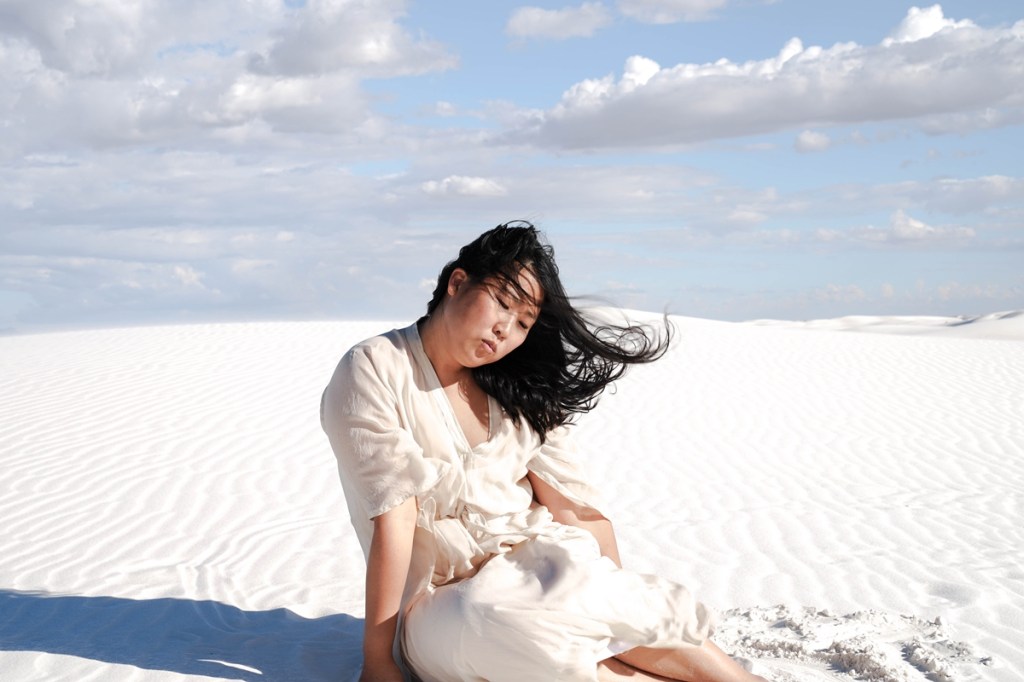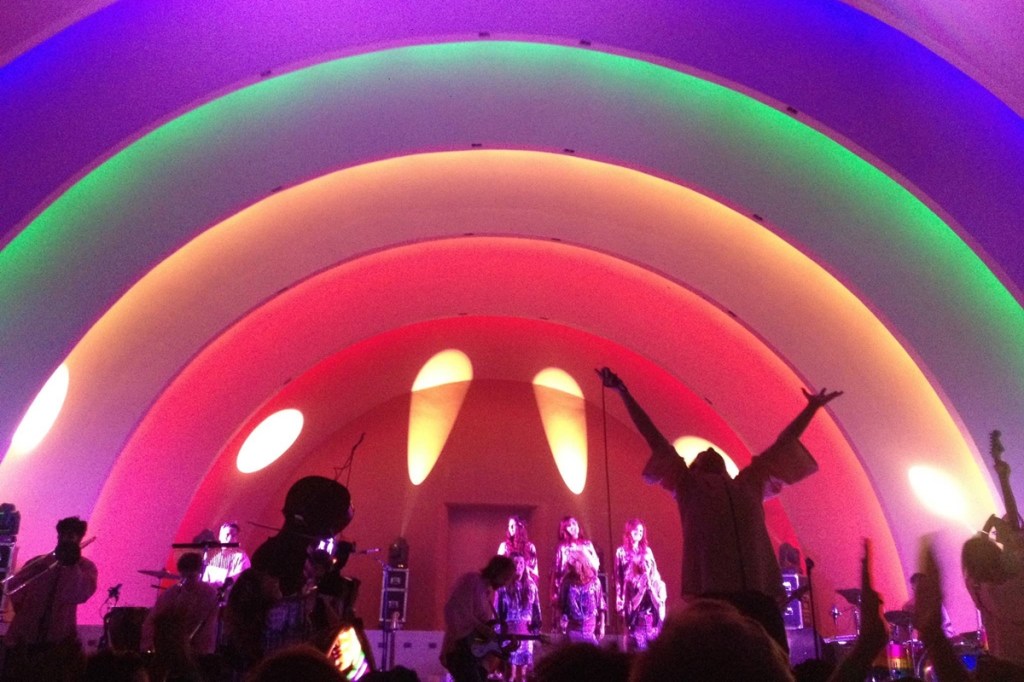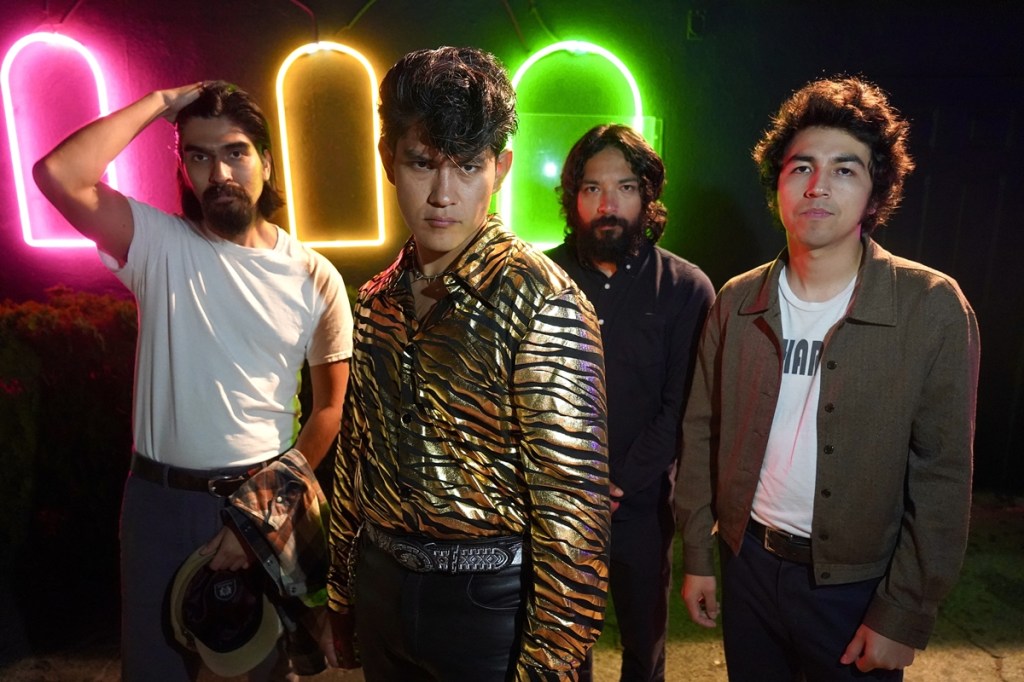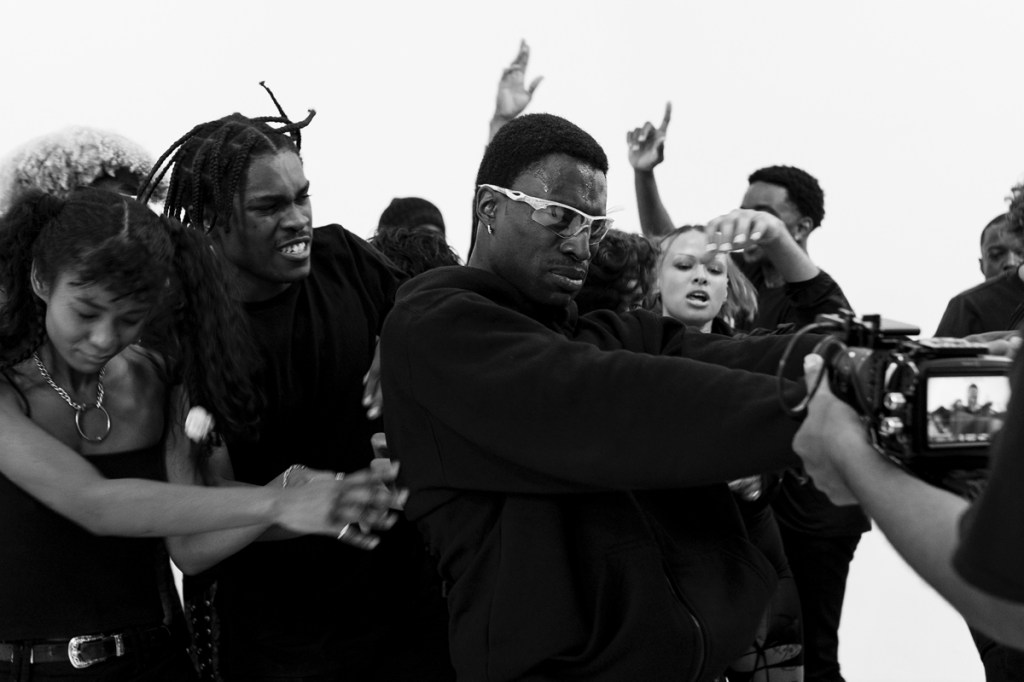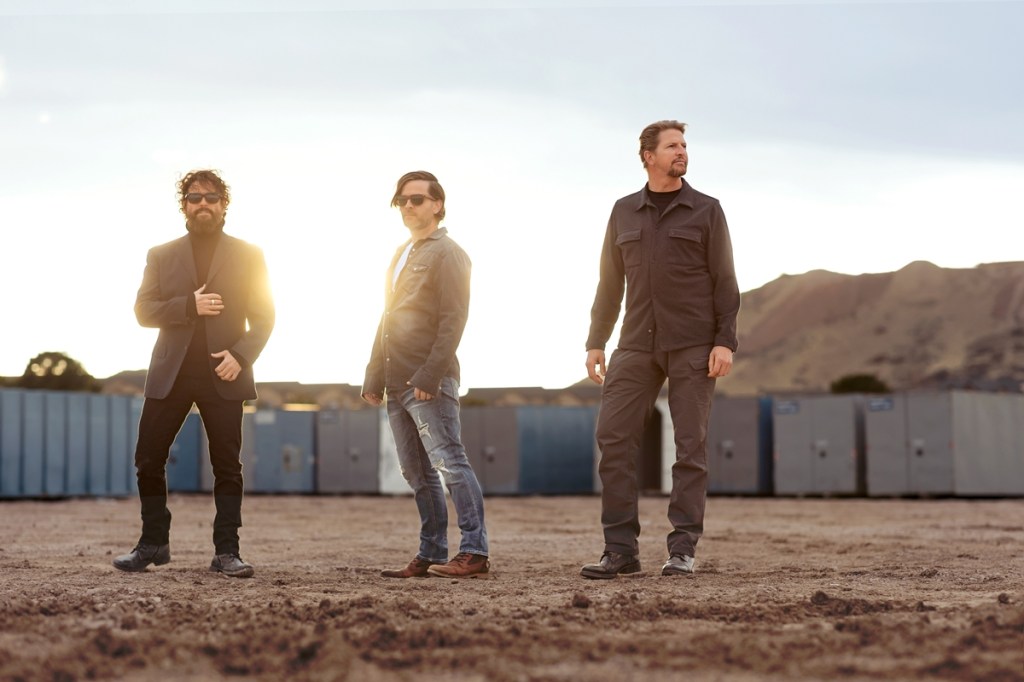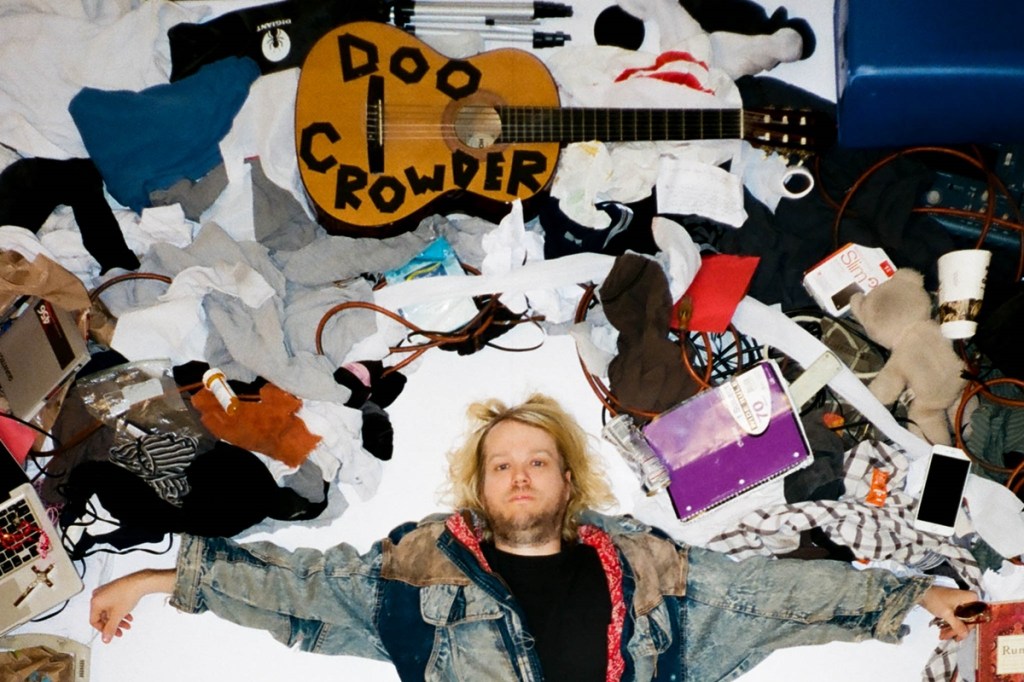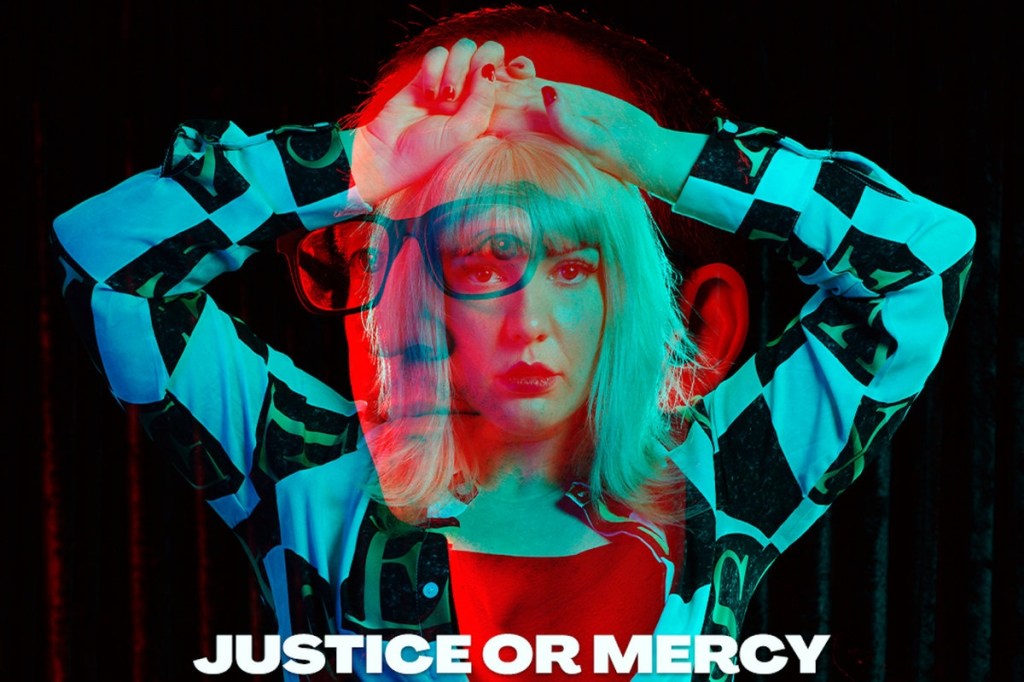
Alexandra John Layer Personal Darkness With Catharsis on the Cinematic Synth Pop of “Demons”

Alexandra John, photo courtesy the artists

The slowly increased volume that introduces us to Alexandra John’s “Demons” works well in the context of the music video for the song. The way the song adds and removes layers to give it an emotional dynamic like an intensity of feeling and a moment of clarity as reflected in the lyrics about someone struggling with inner demons and maybe someone who is trying to push push our narrator further into the dark side she’s trying to push beyond. The lush synth melodies driven by lightly distorted electronic bass and minimal percussion bring to the song a touch of classic early chillwave but with a cinematic feel that is more akin to a more upbeat side of Electric Youth. The music video directed and edited by Jake Hays with cinematography by David Gordon has a beautifully dark horror movie aesthetic that fans of Boy Harsher’s treatments on The Runner or Anthony Scott Burns’ visual moods on Come True will appreciate as those films are a fine modern examples of the fusions of music and cinema that don’t shy away from extensive use of visual as well as thematic darkness. Watch the video for “Demons” on YouTube and follow twins Liza Cain and Weston Cain as Alexandra John at the links below.

Alexandra John on TikTok

Alexandra John on Facebook

Alexandra John on Twitter

Alexandra John on Instagram

alexandrajohnmusic.com

Live Show Review: Ezra Furman and Grace Cummings at Gothic Theatre 5/28/22

Ezra Furman at Gothic Theatre 5/28/22, photo by Tom Murphy

For some reason Ezra Furman’s reputation as a more folky indie rocker persists to this day, certainly among people who checked out of the songwriter’s career during the period with The Harpoons. And then perhaps transferring that impression onto Furman’s early solo albums. But this performance wasn’t the kind of thing you leave with any impression other than Furman is a fiery and charismatic singer and guitarist whose passion and conviction is imbued with an irresistible righteousness of purpose and deep compassion for the tender and vulnerable sides of anyone that has ever had to deal with the persecution of a society and culture that too often denies full humanity to various groups of people that are dismissed as a minority group. With rising worldwide fascism it was the kind of show that felt like a solid strike against that poisonous ideology and an act of rebellion completely embodied in the energy of the music.

Grace Cummings at Gothic Theatre 5/28/22, photo by Tom Murphy

Australian singer-songwriter Grace Cummings opened the show with her full band. Anyone that got to hear any bit of Cummings’ 2022 album Storm Queen may have rightfully expected a fiery performer with a gritty voice and larger than life presence. The Cummings in person seemed extremely personable and authentic with a dry and self-effacing sense of humor. But that in no way undercut her raw power as a vocalist and musician whether she was playing guitar or sitting at the piano. There was a magnetic command of the material that was both vulnerable and nuanced and thrillingly powerful. Evidently due to health issues the band was a tiny bit off their game but having no frame of reference it sure didn’t seem like anything was missing from the performance and if one has to imagine a flaw it’s that you could tell Cummings and the band would grow and refine and hone their performance and the precision with which it delivered the material in ways not yet created.

Grace Cummings at Gothic Theatre 5/28/22, photo by Tom Murphy
Ezra Furman at Gothic Theatre 5/28/22, photo by Tom Murphy

A song-by-song or strictly linear breakdown of the Ezra Furman set wouldn’t do justice to the impact of the performance. The energy was like seeing a legendary rockabilly artist from decades ago that discovered punk in their later years and embraced the raw vitality of that music completely and plugged it into a body of superior musicianship and songwriting and took that challenge to write songs about life from the perspective of someone who had to live on the edge, on the boundaries of polite society because one’s authentic self isn’t ready for prime time. But no one’s life, presented with absolute honesty even emotionally is really built for dissection and scrutiny in order to pass judgment based on a questionable barometer of morality. Something about these songs gave one the sense that Furman had long ago figured out that rock and roll and thus a liberated human spirit isn’t something that fits neatly into a box crafted by people who seek a very narrow and specific sense of psychic comfort based on a sense of existence and identity that can feel like a straightjacket to most people if they’re not trying to conform in order to benefit from a fragile power dynamic that would collapse if it faced any real resistance.

Ezra Furman at Gothic Theatre 5/28/22, photo by Tom Murphy

Songs came from across Furman’s solo catalog including cuts from the forthcoming All Of Us Flames (which releases August 26, 2022) like “Forever In Sunset,” “Book Of Our Names” and “Point Me Toward The Real.” The studio versions of the songs are like a modern take on a fusion of R&B and Lou Reed. Live the material felt like anthems aimed to blow open a door to personal liberation because Furman didn’t skimp on the intensity and what felt like off the cuff yet punk spiritual banter between songs. Maybe the fact that Furman is a trans woman gave the show some of its edge but really the material and Furman’s presence as someone delivering insightful emotional truth rooted in a reality informed and driven by deep personal experiences but which flowed forth as uplifting. There was a basic level of human solidarity one felt from Furman that isn’t always there at a rock show and Furman’s willingness to put herself full into committing to a premise of seizing one’s own power and ability to connect with people to remind them of their own humanity and interconnectedness with community was impossible to ignore or miss.

Ezra Furman at Gothic Theatre 5/28/22, photo by Tom Murphy

Erika Wester Reflects on the Dubious Charms of a Dysfunctional Relationship on “Wanted To Be Like You”

Erika Webster, photo courtesy the artist

Erika Wester builds the soundscape of “Wanted To Be Like You” beginning with a spare acoustic guitar riff and minimal keyboard and percussion. Her hushed and expressive vocals describe a relationship that seems dysfunctional on multiple levels and the progression of the song gives the impression of Wester navigating troubled emotional waters which is an image she employs as a symbol of infatuation and being in sync with someone, or feeling like you are, until you realize that you’re not of a similar mind about the relationship and that one person might be emotionally in a place where they can’t be present with you and you can’t always be the person to pull them out of a bad place all the time. The lines “Wanted to be like you/Till I watched you drown” in the chorus and later in the song “Did you date me/And think there’s be no doubt?/Ain’t it lovely/Until the truth comes out” doesn’t spell out explicitly but makes clear something many people realize at some point in a relationship that’s bad for them and that’s that some people, and most people at some point in their lives and perhaps often enough at the beginning of the relationship, don’t want to be with a real person with a history and flaws and misunderstandings and, well, needs, normal human emotional needs. Without saying so word for word Webster has written a song about someone who has moved on and developed as a person who knows herself and other people better and recognizes that she deserves better than someone who won’t grow and has no seeming emotional incentive to do so but that she doesn’t have to be the one to help facilitate that change. Sure, it’s a pop song with an element of the ethereal running through it but the instrumentation becomes more lush as the song progresses to its inevitable conclusion like the work of art mirrors the psychological growth suggested in the lyrics. Listen to “Wanted To Be Like You” on Spotify and follow Wester at the links provided.

Erika Wester on TikTok

Erika Wester on YouTube

Erika Wester on Instagram

Erika Wester on Apple Music

Tobias Karlehag Models the Blooming of Flowers in the Early Morning Sun on the Organic Ambient Track “ORQUIDEA”

Tobias Karlehag, photo courtesy the artist

Tobias Karlehag’s “ORQUIDEA” progresses from hazy white noise background to bell tones struck and textural sounds of physical objects used to create the incandescent melodies to a place where the sound waves create a natural distortion on the recording. It grounds a reflective mood with a tangible presence of sound that conveys an organic tranquility that expands beyond the initial tonality as the bell sounds resonate out to create what sound like interference patterns droning onward and decaying into the distance as though approximating an abstraction of the dynamic of the flowers invoked in the title (orchids) as it opens up with its first bloom. It’s sounds like a meditation on delicate and often unseen natural processes that can seem mystical in real time and symbolic of the cycles of the universe. Listen to “ORQUIDEA” on Spotify and follow Tobias Karlehag at the links below.

Tobias Karlehag on Instagram

Tobias Karlehag LinkTree

Springworks’ Video For “Pocket Theory” Accentuates Its Library Music Meets Madchester Energy

The gentle psychedelia of “Pocket Theory” by Springworks has a refreshing energy that has the quality of feeling like waking up from a good sleep. The effervescent tones like several tiny belltones twinkling in the mix and the production on the song with an ever expansive dynamic is reminiscent of Thomas Newman’s music for Real Genius and his older brother David Newman’s score for Heathers. Which is to say it’s cinematic and conveys a tangible sense of place and projects a mood that can suit whatever visual environment to which it’s put. In the case of the video for the song it’s a collage of old science videos and psychedelic images like content pulled from a box of VHS tapes found at a thrift store and repurposed to breathe new life into its potential meaning and significance when combined with “Pocket Theory” and its Madchester-esque good vibes and seemingly endless uplift until the song fades out into a tranquil drone over sampled industrial video speech. Watch the video for “Pocket Theory” on YouTube and connect with Springworks at the links below.

Springworks on Facebook

Springworks on Instagram

springworksband.com

September Stories Presents a Colossal Portrait of Feeling Trapped by in One’s Own Mind on “I’VE BEEN THINKING ABOUT DYING TOO MUCH”

September Stories, photo courtesy the artists

September Stories employ a spoken word element for the lyrics to “I’VE BEEN THINKING ABOUT DYING TOO MUCH” while the music itself is stark to match the intense and unadorned vocals. The lyrics repeat and in the second iteration the drums come crashing in and the vocals raise in an amplified sense of desperation uttering words of abject alienation and the realization of being doomed by one’s own psychology and feeling trapped by a hopelessness so deep it turns into a self-reinforcing cycle of emotional self-sabotage that feels with great certainty inescapable. Though very different sonically fans of Big Black, Slint and OXBOW will appreciate the bleak imagery and poetic evocation of confronting one’s own worst enemy within one’s own mind. Listen to “I’VE BEEN THINKING ABOUT DYING TOO MUCH” on YouTube and check out the rest of the new September Stories EP I STAND IN AWE OF THE GREAT UNKNOWN on one of the streaming services below and follow the group at the links provided.

September Stories on Facebook

September Stories on Twitter

September Stories on Instagram

September Stories Big Cartel store

Warning Light’s “Eveningside Decks” is Like the Soundtrack to a Retrofuturist Noir

Warning Light, photo courtesy the artist

“Eveningside Decks” opens Warning Light’s latest album Inner Spaces with a an air of mystery and trepidation. Imagine walking home alone in the twilight and you take a trip down an unfamiliar street with houses of unusual shapes with doorways opening directly onto the sidewalk and you see one open with a flickering light illuminating a darkened alcove because it’s near the end of fall. Your curiosity gets the better of you and you look inside and find an empty living room with no windows and a television screen tuned to, unusual these days, to the static of a channel off broadcast. Then a figure comes on the screen and welcomes you to sit and you do and you are invited by this stranger to help with a mission of great importance and great reward if you so choose to come on board for what promises to be the adventure of a lifetime but one that has to remain hush hush. The distorted synth drones and hovering tones set to a meditative, accented beat suggests the air of futuristic film noir with the vibe of Tangerine Dream’s 1980’s soundtracks, like music for a film inspired both by Murakami and Ridley Scott. Listen to “Eveningside Decks” on Soundcloud and give a listen to the rest of Inner Spaces on Bandcamp.

Live Show Review: Pity+Fear (a travesty) at Buntport Theater 5/27/22

Miriam Suzanne and Josie Cool in Pity+Fear (a travesty) at Buntport Theater 5/27/22, photo by Tom Murphy

Pity+Fear (a travesty) was the latest original show from Grapefruit Lab and in general it might be described as a darkly comedic Greek tragedy that per the press release for the production explores “what it means to be alive, to tell the truth, and to change over time.” The set was in the modest setting of the Buntport Theater with some lighting, a low stage, a ladder, reams of documents that the characters use to consult for information and little else. One immediately thinks of Samuel Beckett’s 1953 existential play Waiting for Godot with its own minimalist set and two characters engaged in witty and conversational dialog about the significance of existence as well.

Pity+Fear (a travesty) at Buntport Theater 5/27/22, photo by Tom Murphy

The two leads for this play, Miriam Suzanne and Josie Cool (who also performed music at various points to accentuate and complement the themes of the play), use the vehicle of delving into both the fraught mythology of the Greek mythological figure Agraulos in parallel with foundational stories from their own lives. There are three myths about the death of Agraulos, all contradictory, but all of which reveal something significant about the Greek view of women and identity with one myth saying how Agraulos and one of her sisters opened a box containing the monstrous offspring of one of the gods and going insane and throwing themselves from the Acropolis (in Athens) or off a cliff; another that Agraulos sacrificed herself for the good of Athens and in the third that Agraulos stood in between Hermes and her sister and was turned to stone for her trouble. All stories that extol blind obedience and sacrifice. But Suzanne goes deep into Greek theater history and in unraveling stories that serve as the foundation of our culture and to a large extent our own identities and relationships with one another between that mythological framing and deconstruction Suzanne and Cool examine and deconstruct the seemingly arbitrary rules for how we learn and build our own identities.

Pity+Fear (a travesty) at Buntport Theater 5/27/22, photo by Tom Murphy

What made that exploration of myth and personal anecdotes from life that included stories of figuring out confusing and emotionally traumatizing situations and others finally illuminating and life affirming so poignant and effective is that Suzanne and Cool are both trans women. Suzanne’s story about how her mother had a dream of having a boy before her brother was born and not having a dream of gender for Suzanne beautifully illustrated how we subconsciously know we can know truths about ourselves before we have the language for them. Juxtaposed with the myths that represent cultural norms that often impose identity and mores even when they serve little but ritualized tradition.

Pity+Fear (a travesty) at Buntport Theater 5/27/22, photo by Tom Murphy

Both Cool and Suzanne made the material which could have been perceived as academic or theoretical seem immediate with an obvious gentleness and awareness of how these subjects impacted their own lives in a very real and direct way. Maybe it was a reference or a quote from another thinker but when Suzanne said “The body has little regard for theory” it hit with the ring of truth because humans often have all these ideas that they insist are the truth merely because there is a consensus of the moment based on incomplete information and stating that one point in an evolving comprehension of a matrix of interrelated phenomenon and existences is static and eternal. Science is catching up to a non-binary view of gender in DNA as a spectrum but of course that’s been a fact that theory has taken a long time to account for and thus Suzanne’s aforementioned quote seems even more relevant.

Pity+Fear (a travesty) at Buntport Theater 5/27/22, photo by Tom Murphy

With the right wing trying to erase the existence of transfolk or trivialize that identity as a choice like what clothes to wear, a play like this bypasses that analysis and offers real insight into the nature of how we construct identity whether you’re trans or not. It challenged, without aggression, the very stories we learn and internalize from culture going back centuries and in doing so suggests a more compassionate and human way to understand the personal, familiar, societal and religious stories that inform who we are and we who can be and chart a path to embracing are true selves beyond rigid categories as everyone has multiple identities they navigate every day of their lives whether or not they are conscious of that fact. Pity+Fear (a travesty) was, beginning to end, incisive, insightful, sensitive and at keen times humorous without trivializing anyone’s struggles and challenges.

Pity+Fear (a travesty) at Buntport Theater 5/27/22, photo by Tom Murphy

Primer Eases the Poignant Pains of Great Personal Loss in the Illuminated Melodies of “Things Fall Apart”

Primer, photo courtesy the artist

“Things Fall Apart” starts off by placing the song in a mood of mysterious nostalgia with the rising and warping tone like something from a latter day soundtracking of a silent movie. When Alyssa Midcalf’s vocals come in it’s like something from the edge of daydreams as they seem to be lit up from within amidst the luminous fog of the layers of synth melody and the wash of melodic drones. It feels very orchestrated and given the title and some of the enigmatic lyrics it has the effect of bandaging oneself from a traumatic and overwhelming experience that leaves you on or over the edge of emotional collapse without much relief so your mind creates the kind of music that feels like gauze on the psyche as a comfortable shield that allows for the processing of the pain and to heal as best you can when depending on the specific experience maybe you feel like you never can. The song sounds like it’s about the loss of an important person in one’s life and the complicated and messy feelings that can come about from something so final. Maybe you put some distance from yourself and those feelings within yourself, maybe some dissociation as a method of coping through the act of creation and to make things that remind one of better times emotionally the way sound can tap into the nostalgia centers of your mind and redirect the crushing and poignantly painful feelings that won’t go away, the memories that can haunt you for a lifetime. Midcalf seems to have used her most recent album Incubator as a vehicle for restarting her life through creativity while honoring her experiences and maybe that can be a helpful thing to hear for anyone that has been through a rough patch. “Things Fall Apart” certain exemplifies the project. Listen that song on YouTube and follow Primer at the links below where you can explore the rest of Incubator on Bandcamp.

Primer on Instagram

Shady Baby Makes Reconciling With Your Dark Side Sound so Fulfilling and Thrilling on “Come to Life”

Shady Baby turns confusion and melancholia to a joyful burst of nervous energy and despair channeled directly into catharsis on its single “Come to Life.” The music has that kind of driving, angular, urgent quality akin to some of the more upbeat tracks from The Dandy Warhols’ 2000 album Thirteen Tales from Urban Bohemia. Rosettes of guitar riff pausing before charging forward. Early in the song we hear about some of those half-measure attempts to stave off appearing human and denying one’s vulnerabilities without being aware that some of the aspects of our personalities suppressed are normal and that having normal feelings and being able to get hurt are not weaknesses unless you’re really dedicated to that premise as conditioned by society. Also to perhaps see that aspect of one’s psyche as a personal villain threatening to everything you hold dear. But the chorus of “I feel it coming, it’s the darkness I’ve been fighting come to life” points out how this nightmare of psychological reconciliation with one’s shadow side can feel like a welcoming and thrilling experience when you stop trying to resist your feelings and instincts and that welcoming them into a whole personality isn’t that scary and in fact expands how much of life you can experience and yes feel that the stoic block of conventional society, Western and non-Western, makes impossible until you ignore the repression and come into your full powers as a human. Listen to “Shady Baby” on Spotify.