


Thursday | 12.01
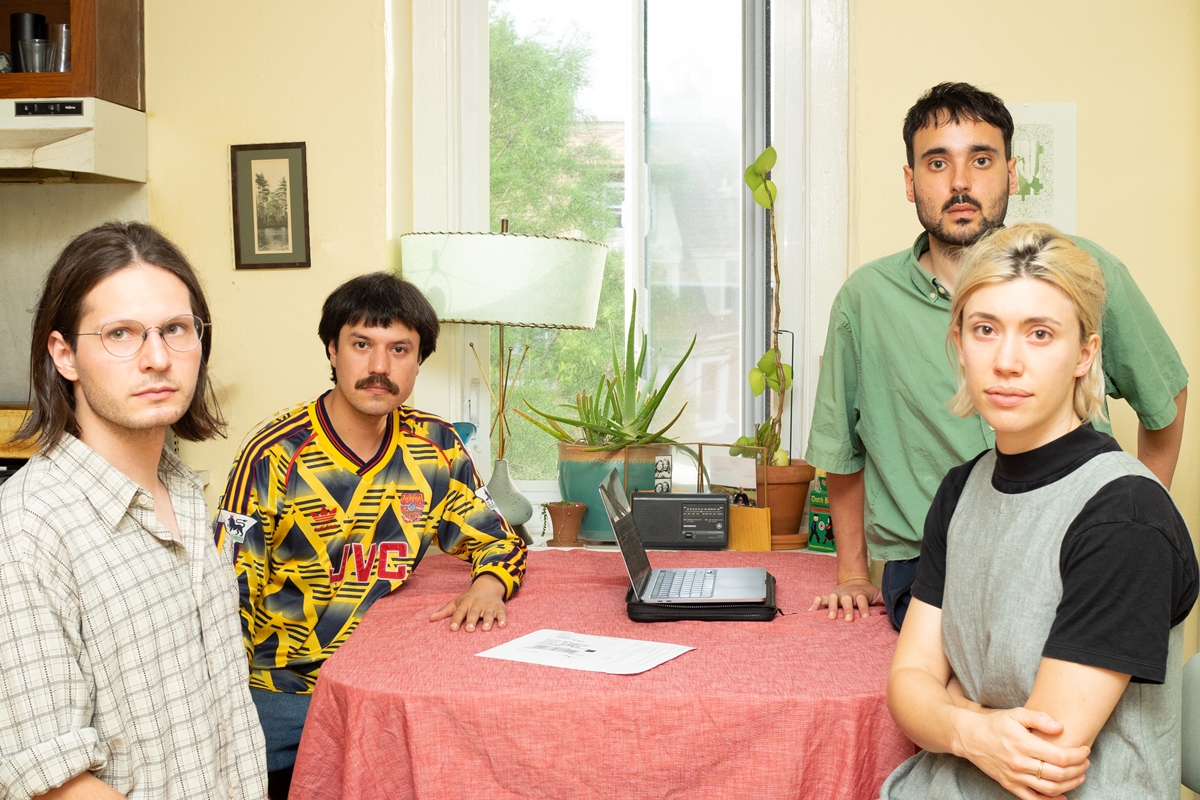
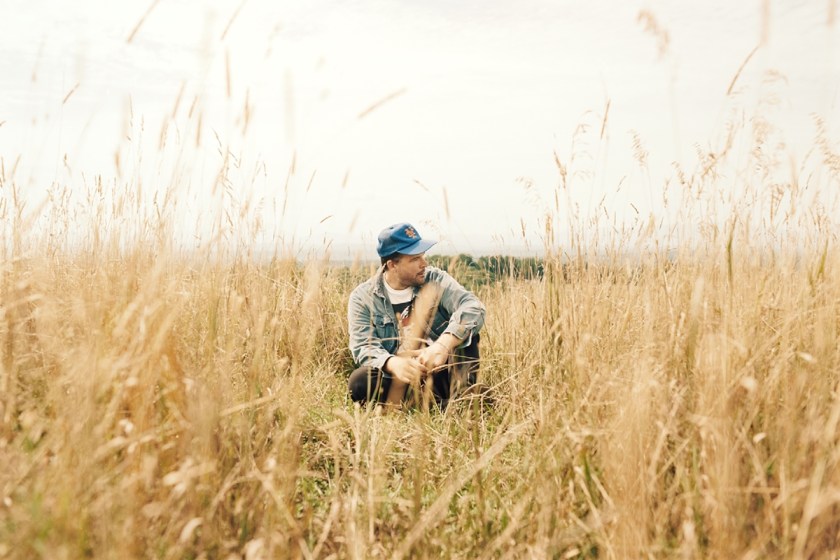
What: Wild Pink w/Trace Mountains and Knuckle Pups
When: 7
Where: Globe Hall
Why: Wild Pink’s John Ross wrote one of the great story albums of recent years with 2021’s A Billion Little Lights and its themes of coming to terms with adulthood while staying connected with one’s creative life and navigating the temptations to ditch music as the occupation of adolescence. And how through creative work one can explore an evolving sense of meaning that hits you throughout your thirties and the rest of your life. 2022’s ILYSM (an acronym for “I Love You So Much”) takes that perspective to examine the details of life that deepen one”s bond with the people in your life. Knuckle Pups in from Denver released a deeply self-reflective album with 2022’s TV Ready in which the ambitious pop band fuses radical vulnerability with a compassionate honesty that is not nearly common enough in the realm of indie rock or any form of music today. Sometimes earnestness can seem like a pose but with Knuckle Pups it seems inspirational in its lack of pretension.
Friday | 12.02
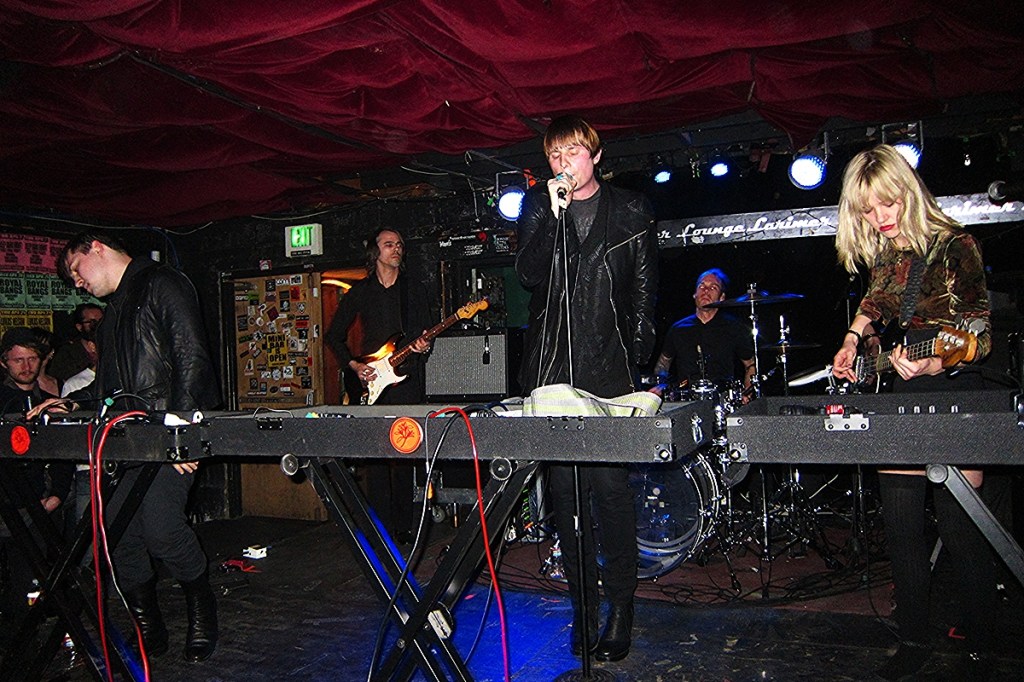
What: Cold Cave w/Voight and Hex Cassette
When: 7
Where: The Oriental Theater
Why: Wesley Eisold of Cold Cave has been mostly been releasing singles and EPs since the most recent full length album Cherish the Light Years came out in 2011. His most recent Fate in Seven Lessons (2021) is well within the realm of modern darkwave post-punk with his usual gift for teasing grit and darkness out of the songwriting although plenty of the music has a beautifully melodic melancholia reminiscent of New Order. Eisold has also been involved in a bit of writing including his work with the late, great Mark Lanegon on the book of poetry Plague Poems (2020). Opening the show are two Denver acts. Hex Cassette’s confrontational industrial dance music challenges notions of the role of artist and audience and breaking that barrier for a collective experience. Voight seems to be making good on its threat of completely injecting techno into its own searing shoegaze-infused post-punk and emotionally intense music.
Friday | 12.02
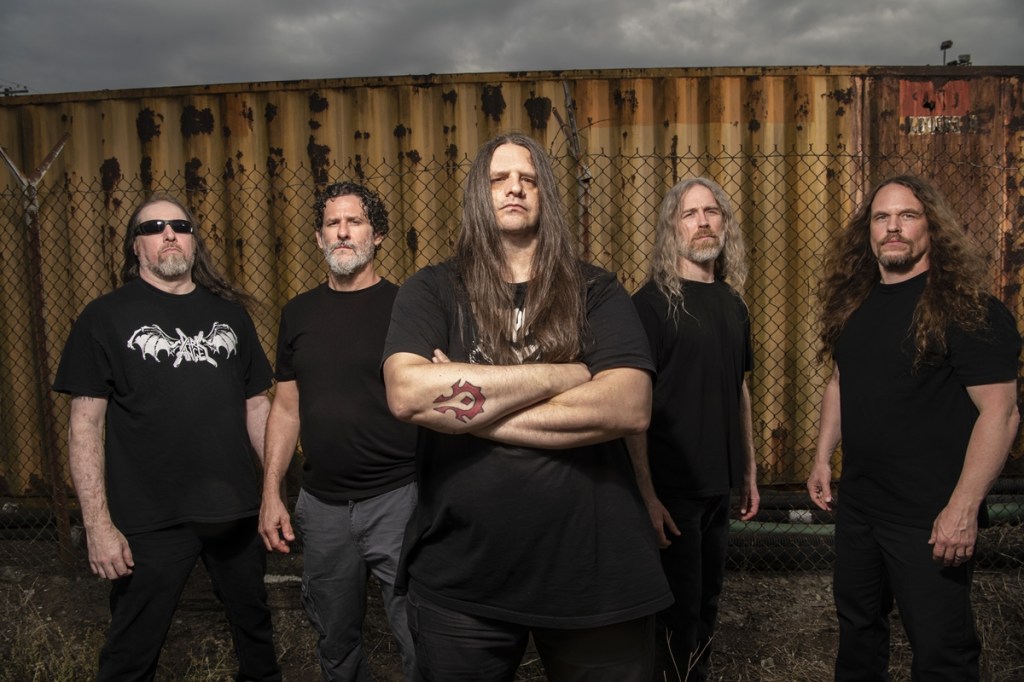
What: Decibel Magazine Metal & Beer Fest Denver 2022 Day 1: Cannibal Corpse, Dark Funeral, Immolation, Black Anvil, Onyx and In The Company of Serpents
When: 5
Where: Summit Music Hall
Why: This unique event includes some pretty extensive beer tasting for those so inclined but the real reason is to get to see some of the great extreme metal acts of today. That includes death metal legends Cannibal Corpse whose over the top gory lyrics have been banned in various countries despite how obviously absurd they are in the vein of the most demented horror movies of the 80s but really just more creative than a lot of those films. And the music itself stands up well in upholding the brutality of the lyrics with a technical proficiency worthy of the name of the band. Get there early to catch the bluesy, cinematic doom band from Denver In the Company of Serpents who don’t play Denver as much as they once did these days.

Saturday | 12.03
What: Decibel Magazine Metal & Beer Fest Denver 2022 Day 2: Pig Destroyer, Skinless, Wayfarer, Of Feather and Bone and Wake
When: 4
Where: Summit Music Hall
Why: Day two of this event includes more noteworthy acts out of the broad world of extreme metal including performances from Denver’s masters of cinematic doom, Wayfarer, the caustic death grind onslaught of Of Feather and Bone, the blackened grind of Calgary’s Wake and grindcore legends Pig Destroyer whose contorted and savagely brutal music is a fitting companion to JR Hayes’ darkly incisive lyrics about human experiences on the edge.

Saturday | 12.03
What: Soccer Mommy w/TOPS
When: 7
Where: The Ogden Theatre
Why: Sophia Allison has been writing music and performing as Soccer Mommy since she was in college before dropping out and moving back to Nashville to pursue her career as a musician full time. It helped that she had a record deal with Fat Possum which released her debut album Clean in 2018 before she turned twenty-one. The album’s emotional openness and unabashed embrace of unconventional melody and song structure while crafting undeniable hooks garnered the record widespread critical acclaim. The most recent Soccer Mommy album Somtimes, Forever (2022) was produced with Daniel Lopatin aka Oneohtrix Point Never and the team-up brought to Allison’s particularly confessional lyrics and always imaginative guitar work an experimental edge and sound design element for the songwriter’s most musically adventurous recording of her career thus far. Additionally, the lyrics probably startled listeners that expect artists to be vague in their sentiments in a pop song setting but hasn’t Allison been poetically pointed and vivid in her words all along? Opening the show is Montreal’s indie pop band TOPS whose gentle yet passionate compositions seem like they’d be pretty light and airy live as well but at the show the band seems to exude an unexpected vitality.

Saturday | 12.03
What: HaemoGoblin and Fast N Loose at L. Lazer art opening
When: 9
Where: The Crypt ($10 cash)
Why: HaemoGoblin is an electronic duo that will be performing what it calls a ritualistic invocation. Calling the performance “Inauguration” what you will see is a “mini stage play set to music, designed to disorient, disturb and ‘shake awake’ the audience for a half hour or longer.” What will this look like? Well, veteran carnie frontwoman Ortenzia von Deadworry and S.S.G. her “summoned demon” synth player will definitely bring some theater to an often very predictable local music scene. Also on the bill for this art opening featuring the work of L. Lazer is Fast N Loose is a Motorhead tribute band.
Sunday | 12.04
What: The Soft Moon w/Nuovo Testamento and Kill You Club DJs
When: 8
Where: Hi-Dive
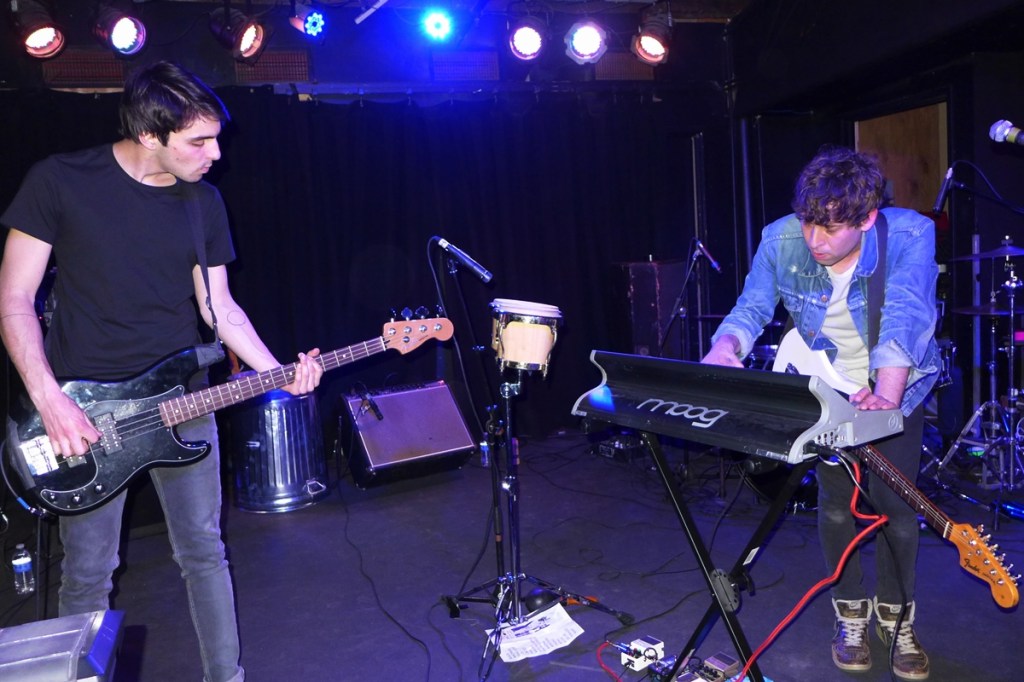
Why: Luis Vasquez was a little ahead of the curve when he launched The Soft Moon in 2009. Originally a solo project, The Soft Moon evolved to become more of a live band that brought Vasquez’s songs of nervy energy and anxiety-purging urgency to life. His most recent album is 2022’s Exister which in the wake of one of the most challenging periods in recent world history on a wide scale is a catharsis of overcoming the enervating influences that come your way and considering the mere continuation of existence a triumph in itself. The songs seem to have leaned more into the industrial side of Vasquez’s songwriting with some real visceral power driving the moody atmospherics. Los Angeles-based darkwave/synth pop band Nuovo Testamento opens the show.
Sunday | 12.04
What: Hembree w/Little Hurt, False Report and Mae Mae
When: 7
Where: Larimer Lounge
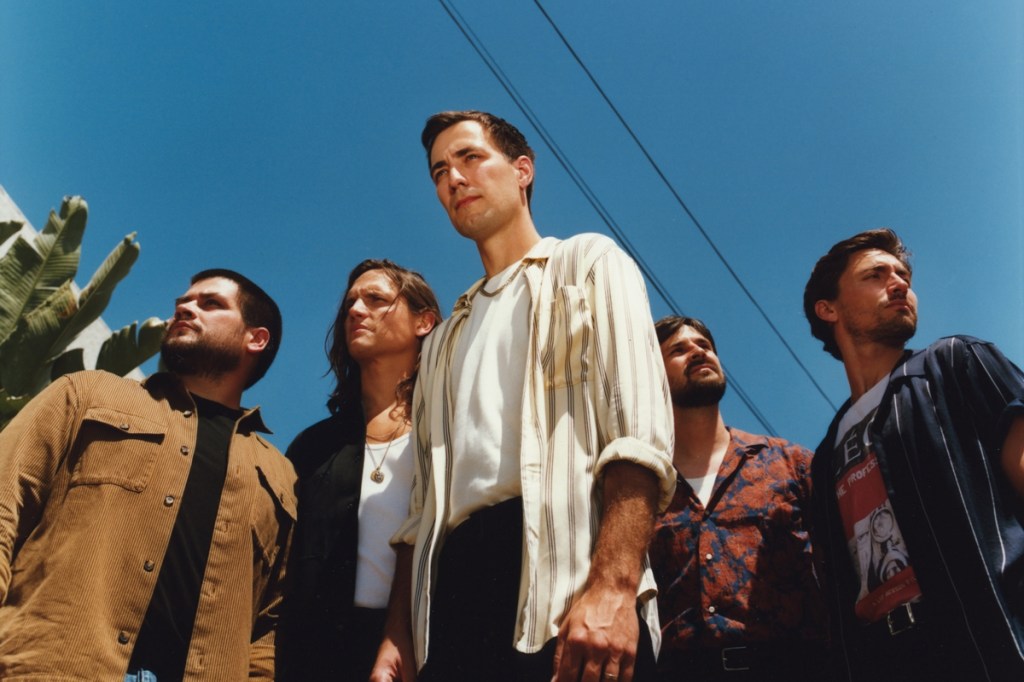
Why: Hembree from Kansas City, Missouri that formed in 2015 and its big break to a national audience was the placement of its single “Holy Water” in an Apple ad during Super Bowl LII. The group’s tight rhythms serve as a foundation for the rest of the songwriting to stretch out whether into focused, unadorned rock songs or expansive, moody pieces and the techno-underpinned indie funk that is at the core of its sound. The group’s new album It’s a Dream! is a record tinged with nostalgic examinations of the roots of current anxieties and insecurities expressed in hazy melodies and resonating tones driven by a hypnotic beat. On the surface it may sound like another current indie rock offering with more than its fair share of more imaginative songwriting but Hembree really charts an internal journey in which one is prepared to exit the gauntlet of lucid dreams trapped in feeling everything until it makes sense and after one is able to move through tangled emotional memories.
Monday | 12.05
What: The Lemonheads w/Bass Drum Of Death and On Being an Angel https://www.bluebirdtheater.net/events/detail/443688
When: 7
Where: The Bluebird Theater
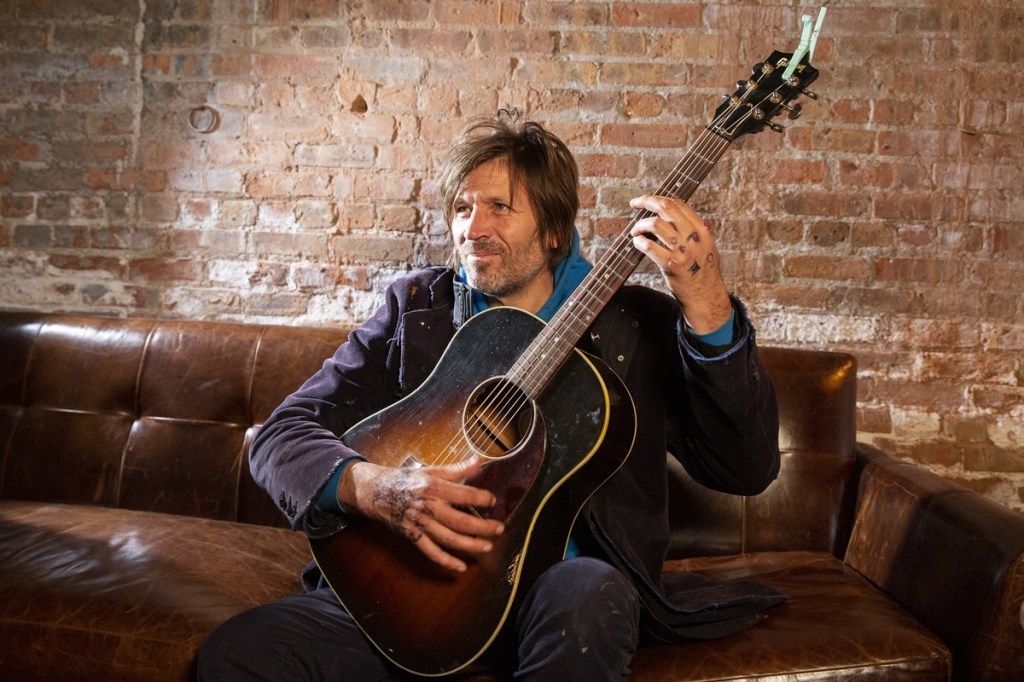
Why: The Lemonheads are one of few still extant bands to have come to prominence during the alternative rock era that didn’t quite fit in with the more trendy subgenres that made that era one of the most vibrant in the history of popular music. Its own brand of power pop was a vehicle for the songwriting of only constant member, singer and guitarist Evan Dando. The latter seems to have an ability to look into situations and people and extrapolate poetic insights with a compassionate perspective. The title track of the group’s 1992 breakthrough album It’s A Shame About Ray isn’t just about a troubled person who doesn’t fit in with any school and its politics, it’s about feeling like a perpetual outsider and the rest of the songs on the record are vivid stories about people we all know and might even be in a way that didn’t comport with the tales of desperation one heard in a lot of grunge and too “dark” for more faux posi faire of that era to now. Ever since The Lemonheads went on hiatus in 1997 and returned to operations in 2005, the group hasn’t been prolific with original material but Dando’s interpretations of artists that have influenced him on Varshons (2009) Varshons 2 (2019) have been a peek into what Dando’s brain has latched onto for inspiration and perhaps for this performance we’ll get to hear what the veteran songwriter has been up to in recent years. One thing is for certain his own songs have aged far better than those of many of his contemporaries owing in part to the gentle but raw honesty of the songwriting. Also on this bill is Bass Drum of Death originally from Oxford, Mississippi whose blues tinged noisy garage rock has a refreshing level of grit and menace befitting the name of the project.
Monday | 12.05
What: W.A.S.P. w/Armored Saint
When: 7
Where: The Oriental Theater
Why: W.A.S.P. is the kind of band out of the glam metal era in Los Angeles of the 1980s that more than any other group out of that world that courted controversy. Its music was and is a spirited, melodic hard rock with a strong sense of theater even in the songwriting. Sure its cover art for its debut single “Animal (Fuck Like a Beast)” with the circular saw codpiece offended people that took it more literally than could even remotely be intended. Certainly former guitarist Chris Holmes looked the buffoon drunk in a pool with his mother sitting by in the 1988 documentary The Decline of Western Civilization Part II: The Metal Years seemed to affirm the extreme and self-destructive hedonism associated with the band. But at its best W.A.S.P. were avatars of a music scene that could be cartoonish, bombastic and puerile while offering an alternative to a conformist puritanical culture with its lurid and triumphant storytelling. Perhaps co-headlining though less notorious is Armored Saint who also started in 1982 in Los Angeles and also pre-dated glam metal though often associated with that world of music due to the big hair and knack for solid melodic hooks. But like W.A.S.P. there was something with more edge than most of its glam rock contemporaries. While never quite having any mainstream breakthrough hits, Armored Saint was a staple of 1980s metal that has held up better than much of the music out of the 1980s Los Angeles heavy metal scene has.

Tuesday | 12.06
What: Palm w/Water From Your Eyes
When: 7
Where: Larimer Lounge
Why: As Water From Your Eyes, Nate Amos and Rachel Brown have made a career of using an eclectic and ever evolving palette of sounds to explore ideas and concepts through what could be considered dance pop. That is if your frame of reference might be the experimental electronic and punk out of New York and Los Angeles of the last fifteen years. Its 2020 album 33:44 is something you’d expect more out of a band on the Northern Spy label with its beautifully dire, ambient and modern classical soundscapes that are almost an homage to Penderecki’s “Threnody for the Victims of Hiroshima” crossed with Howard Shore’s work for the films of David Cronenberg. But the duo’s most recent album Structure at times sounds like what might have happened if Aphex Twin in writing Selected Ambient Works Volume II had decided to turn those into pop songs. Except that Water From Your Eyes inserts enigmatic spoken word elements that serve as a a meta narrative that re-configures traditional album structure and gives the whole album a non-linear quality made cohesive by reimagining the nature of how creative work is structured. Fitting that this arty yet incredibly accessible group is sharing the stage with Philadelphia’s art rock weirdos Palm touring in support of Nicks and Grazes, an album that sounds like the band challenged its members to go on separate retreats to clear their minds of contemporary influences and to immerse themselves in non-musical art forms and come back to make the kind of psychedelic rock record that comes across like a collage of playful daydreams and arranged in a way that brushes aside conventional structure itself.
Thursday and Friday | 12.08 and 12.09
What: OFF! w/Zulu
When: 8
Where: Hi-Dive
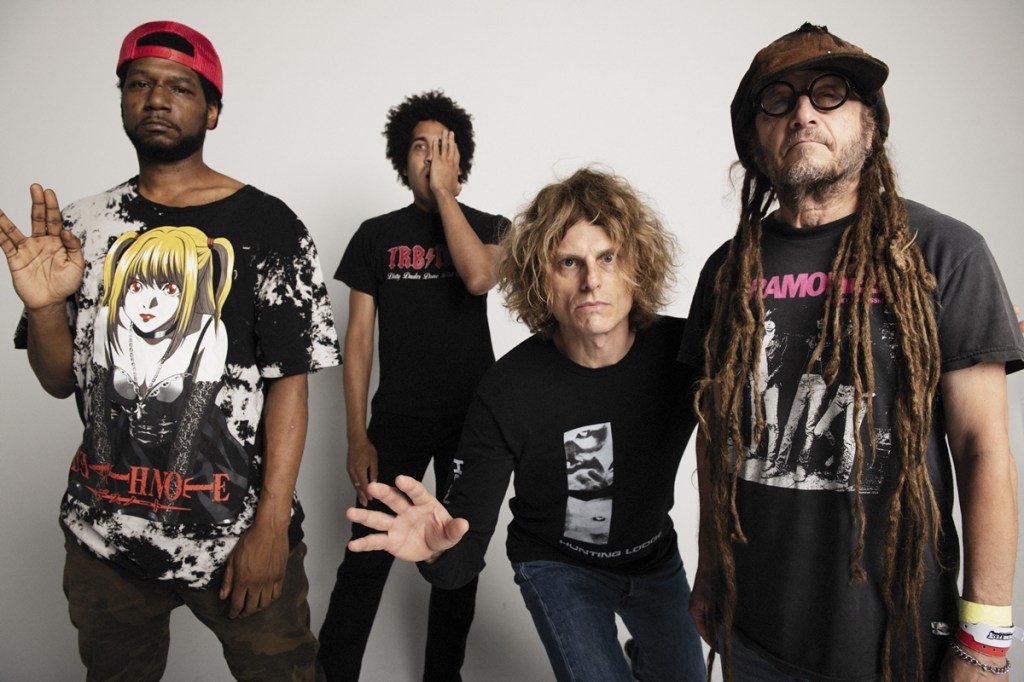
Why: OFF! is of course the newer hardcore project fronted by legendary vocalist Keith Morris formerly of Black Flag and of Circle Jerks. The current lineup includes founding member Dmitri Coats of Burning Brides on guitar and as of 2021 Autry Fulbright II on bass and Justin Brown on drums. After an eight year hiatus on releases, OFF! released Free LSD in 2022. It’s still the searing hardcore sound you’d expect from the group but there are some clear differences with what sounds like synth and other ambient sounds giving the songs a psychedelic feel that wasn’t so much a part of its earlier sound. A refreshing update for a band that still maintains the intensity and edge without being stuck in a stylistic rut. Opening both dates at the Hi-Dive is anti-racist powerviolence band Zulu which injects its music with R&B samples and eschews the tough guy stance of hardcore.

Friday | 12.09
What: Pond w/Cryogeyser — rescheduled to April 16, 2023
When: 8
Where: Gothic Theatre
Why: Pond has shared membership with Tame Impala over the years with lead singer Nick Albrook being involved with both bands for a few years and Kevin Parker serving as drummer in earlier years and as a producer until 2020. The polished psychedelic pop of its first eight albums was helped in no small part due to Parker’s influence in the production department but with the 2021 album 9, Pond has given us its most interesting record to date with more grit in its overall sound, some edge to its funk elements and a willingness to embrace some rawness in its sound as well as take its atmospherics into a realm flirting with space rock. Los Angeles-based jangle fuzz trio Cryogeyser opens the show with its melancholic, lo-fi dream pop.

Friday | 12.09
What: Obituary w/Amon Amarth, Carcass and Cattle Decapitation
When: 5:30
Where: The Fillmore Auditorium
Why: Obituary is touring ahead of the 2023 release of its new album Dying of Everything. After nearly 40 years as a band exploring the outer edges of the death metal format and pioneering some of that aesthetic it can be challenging to have something new to say with your music and a return to form can be tedious. But Obituary this time decided to stick to writing a strong set of material worthy of its pre-1997 split output. The dire messaging delivered with still convincingly brutal vocals but without cartoonish lyrics. Rounding out the bill are Seattle grindcore outfit Cattle Decapitation who are somehow both keenly aware of the absurdity and cruelty of modern human civilization and the need to ridicule the hubris of our species without making light of the situation in which we and other animals find ourselves due to a tolerance for savage forms of economic and social organization. And yes, grindcore/death metal legends/pioneers Carcass and Swedish, melodic death metal group Amon Amarth and its proclivity for lyrics about the Viking Age and a time before the Christian domination of Nordic culture.
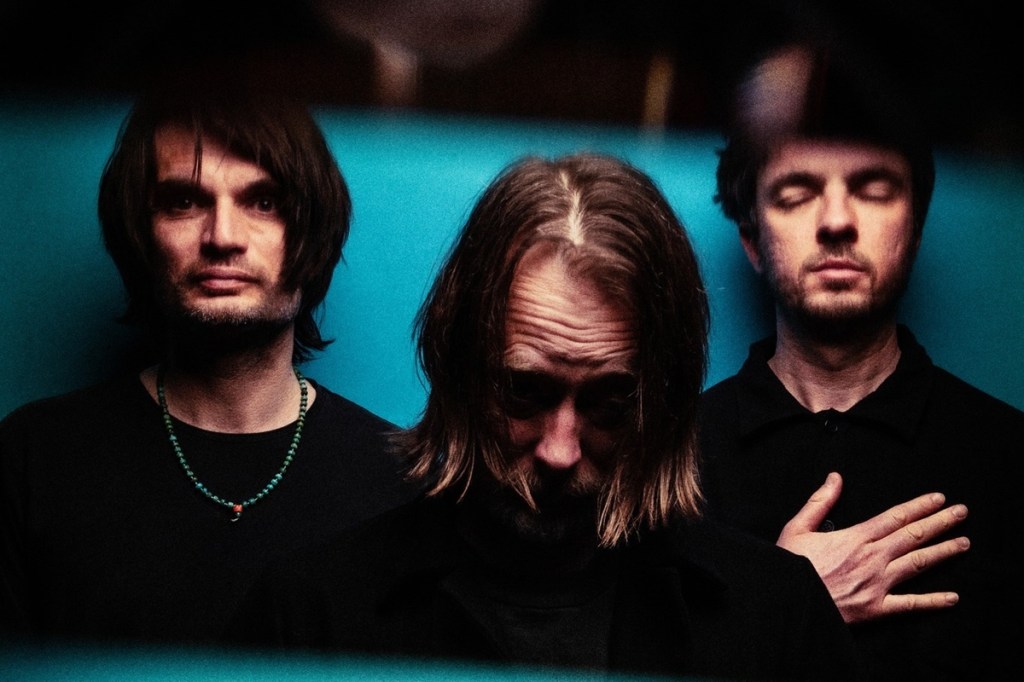
Saturday and Sunday | 12.10 and 12.11
What: The Smile w/Robert Stillman
When: 7
Where: Mission Ballroom
Why: The Smile is Thom Yorke and Jonny Greenwood of Radiohead fame with drummer Tom Skinner of Sons of Kemet. The trio made its debut at Glastonbury Festival in 2021 and its music produced during the limitations of association and collaboration during the COVID-19 lockdown emerged as an intimate and spacious, lonely set of melodies and fragile emotional expressions. In 2022 the group released its debut album A Light for Attracting Attention. The record is contemplative as one might expect with the musicians involved but also vulnerable and open in sentiments embracing a massive level of uncertainty and peril that continues to flow seemingly unchecked in a world beyond the ongoing pandemic and perpetuating a sustained anxiety that will have untold impacts for decades to come and written about in history books or their equivalent in some future time should such indulgences be permitted in a post-authoritarian era. The Smile seems to have written a record from the perspective of people keenly attuned to these concerns and not knowing if they’ll live long enough to see better days but not being attached to a sinking spirit of despair.

Wednesday | 12.14
What: Bartees Strange w/Pom Pom Squad and They Hate Change
When: 7
Where: The Bluebird Theater
Why: Bartees Leon Cox Jr. has worn various hats in his career both musical and otherwise. But he is perhaps best known for his music under the moniker Bartees Strange following his stint in in the post-hardcore band Stay Inside. With the release of his 2020 debut Live Forever, Cox has proven himself a master of writing emotionally nuanced and vulnerable pop songs that incorporate elements of indie folk and, synth pop and hip-hop but with a production element that seems to make the music and its complex arrangements hit with a stirring immediacy. Fans of Twin Shadow will hear some similar sonic touchstones and the sophomore album Farm to Table (2022) revealed more of Cox’s gift for genre bending to great effect in delivering songs that are at once deeply personal and politically charged.
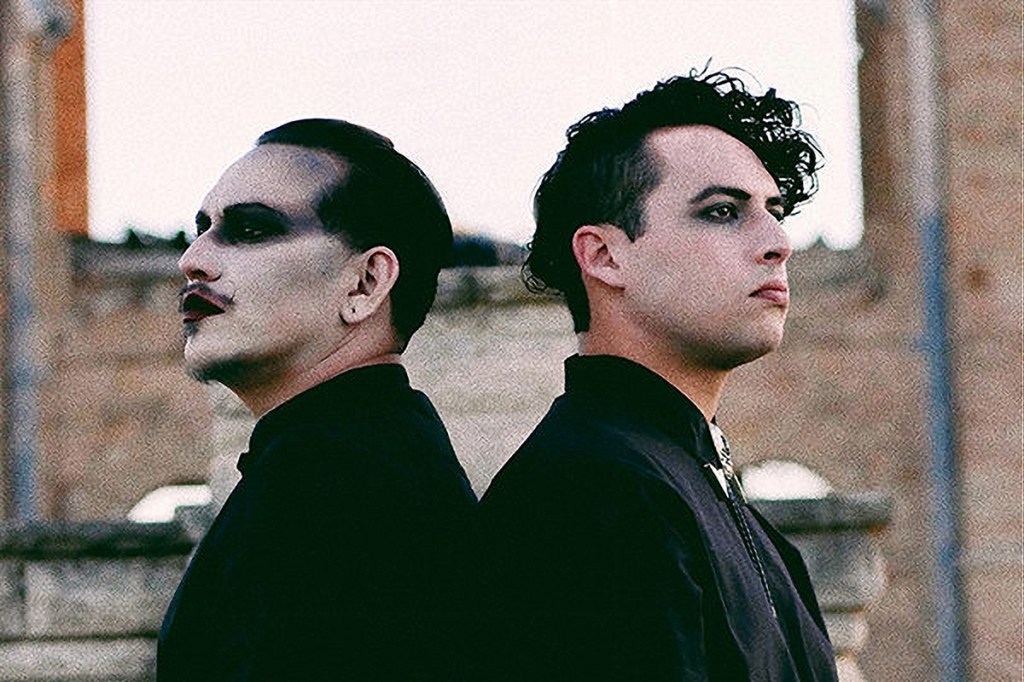
Thursday | 12.15
What: Twin Tribes w/Dancing Plague and Plague Garden
When: 7
Where: HQ
Why: Twin Tribes from Brownsville, TX have garnered no small amount of buzz for its blend of minimal synth and post-punk and a kind of vitality amid melancholic tones. Its most recent studio album Ceremony (2019) sounds like songs written during a flurry of peak emotions and capturing the urgency and desperation of a recent breakup. In most cities of size, Twin Tribes is performing in medium sized clubs but in Denver we’re fortunate to be able to catch the popular band in a small club like HQ. Dancing Plague is a darkwave solo act from Portland, OR whose dusky synth pop is like a darker OMD with some touches of influence from John Maus. In the interest of full transparency, the author of this blurb is in Plague Garden, a noteworthy post-punk/New Wave band from Denver.
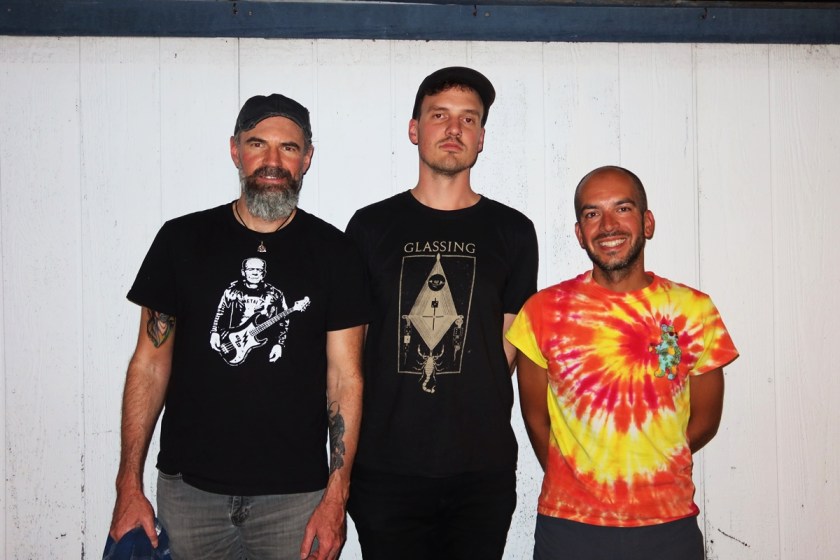
Thursday | 12.15
What: ABANDONS w/Old Soul Dies Young, Almanac Man and Fainting Dreams
When: 7
Where: Hi-Dive
Why: This show is a nice split of experimental noise rock and shoegaze. ABANDONS might at another time be considered a post-rock band but in its mix one hears bits of post-metal, noise rock and ambient and it live shows have a visceral quality with music that one might more expect to be performed in a more meditative spirit. Old Soul Dies Young is the kind of band that happens when guys who were way into post-hardcore and doom drop that sound palette for something more melodic and atmospheric but with the same level of sonic bombast. Almanac Man is like a collision of doom and borderline aggressive, Chicago style noise rock. Fainting Dreams is the kind of dream pop band that comes about when its members maybe came up through hardcore and death metal and are shedding the aggression and mathematical precision and heaviness for radical vulnerability and dreamlike tones.
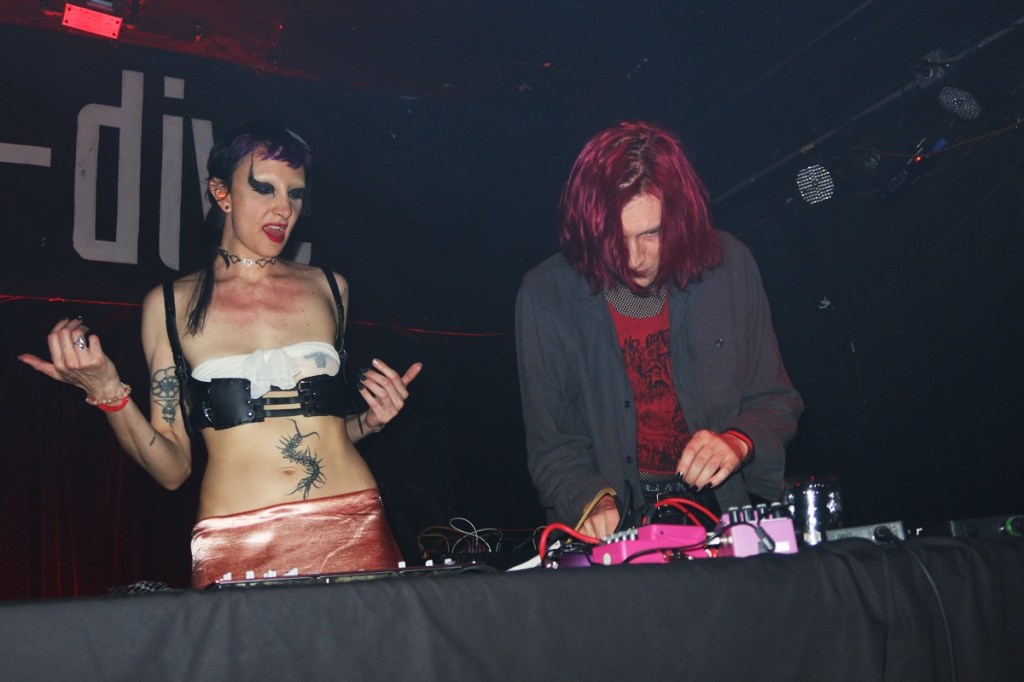
Friday | 12.16
What: Sounds for Charity: Avarice, Organ, No More Cheering, Gabriel Albelo
When: 7
Where: Glob
Why: Proceeds from this show go to Colorado Coalition for the Homeless. Warm weather gear and hand warmers also accepted. For your donation you can catch the glitch industrial dance stylings of Organ, Gabriel Albelo’s solo performance of his heavy psychedelic rock, Avarice’s dark, menacing industrial techno and the prepared noise environment soundscapes of No More Cheering.

Saturday | 12.17
What: Love Stallion w/Shanghai Metro Temple and Meet the Giant
When: 8
Where: Lost Lake
Why: Love Stallion is basically an 80s style glam metal band and if that’s your thing they’re definitely on the better end of the modern version of that with of course stage antics and style and the level of musicianship you’d expect. Shanghai Metro Temple is a fairly straight ahead indie rock band that sounds like it is heavily influenced by late 90s alternative and hard rock. Meet the Giant fuse downtempo electronic pop with post-punk, heavy shoegaze and imaginative soundscapes on the production end.
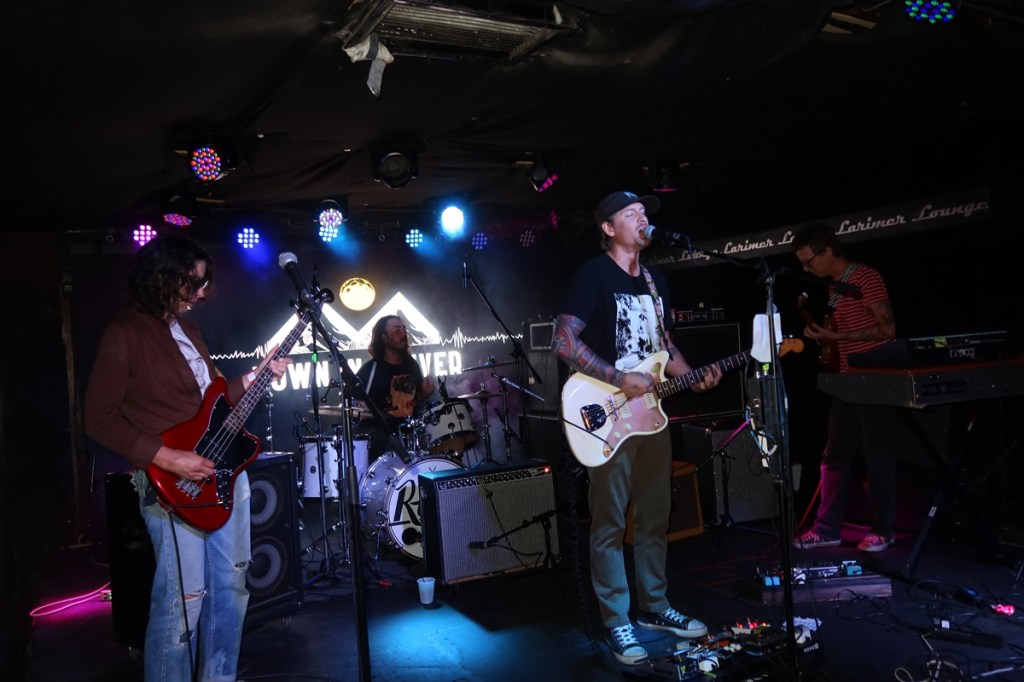
Saturday | 12.17
What: Bluebook w/Wave Decay and Mon Cher
When: 8
Where: Globe Hall
Why: Bluebook these days isn’t the experimental indie folk jazz band of its early days. Instead there is a darkness and not so buttoned downed, controlled intensity to the performances. Seems like Julie Davis is letting her flaws, anxieties and dreams hang more loosely with this version of the band and that has just meant its music has blossomed more and its sound palette greatly expanded with the inclusion of formery Monofog and Snake Rattle Rattle Snake singer Hayley Helmericks on drums and backing vocals, Jess Parsons on keys and other instrumentation and maybe even Anna Morsett on guitar. Wave Decay is the kind of band that sounds like it took the door through psych garage into more shoegaze sounds and all the better for it. Mon Cher’s music is a particularly transporting and lies somewhere between dream pop and downtempo jazz.

Saturday | 12.17
What: Milk Blossoms w/Meek and Knuckle Pups
When: 8
Where: Hi-Dive
Why: Knuckle Pups write radically vulnerable and thoughtful indie pop in the classic mold and its 2022 album TV Ready is both heartbreaking and uplifting. Milk Blossoms play a rare show with Michelle Rocquet now that she spends much of her time in New York City for professional and academic pursuits. So with this configuration of the band you’ll get the full dual vocal effect of powerfully rendered, tender pop songs that are irresistibly twee and cathartic.
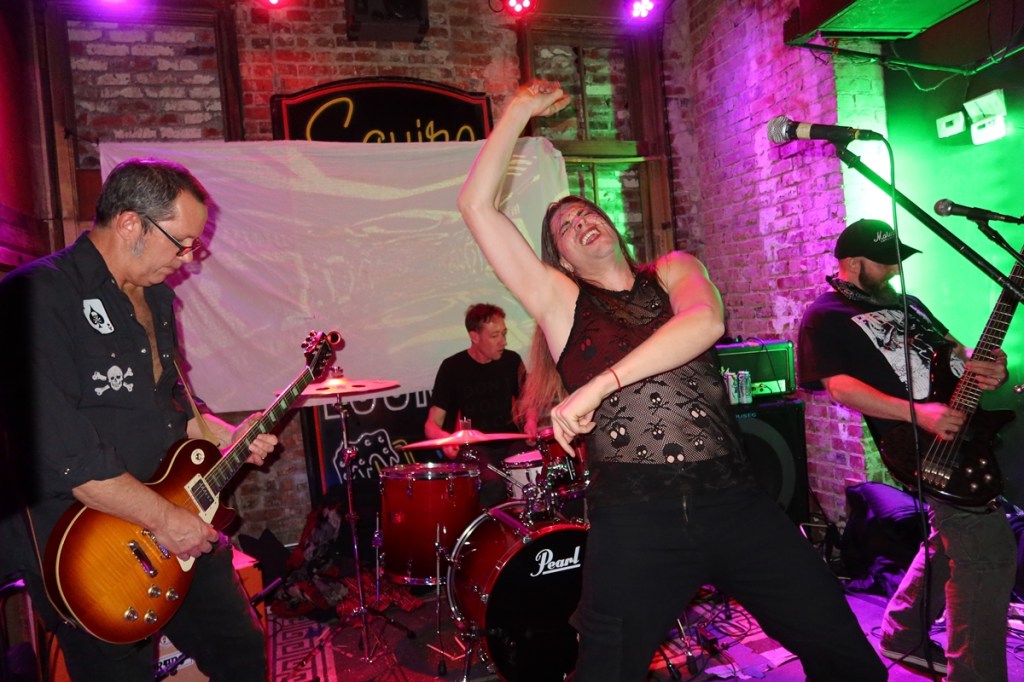
Sunday | 12.18
What: Never Kenezzard w/Zingaro, Sea of Flame and Master Ferocious
When: 3
Where: Globe Hall
Why: Never Kenezzard don’t really fit in with the metal scene so much though its blend of progressive rock sensibilities, doom and psychedelia finds it in a particularly more interesting corner of that realm of music. Sea of Flame are a sludge rock/doom band whose epic arrangements are not the rote edition of what doom has become. Master Ferocious somehow mix classic power metal with glam rock without seeming corny because the musicianship is so strong and the performance bordering on theatrical.

Sunday | 12.18
What: Alaska Thunderfuck Presents: The Red 4 Filth Tour
When: 7
Where: The Bluebird Theater
Why: Alaska Thunderfuck is perhaps best known for her competing in RuPaul’s Drag Race but over the last several years she has cultivated a pop music career. Steeped in modern electronic pop and a showcase for her outsize stage persona. Her latest album Red 4 Filth leaves behind some of the camp and humor of previous releases with a more obviously sincere set of pop songs that bring together sounds from hip-hop and classic modern pop including a cover of “All That She Wants” by Ace of Base.

Thursday | 12.22
What: FaceMan Western Jupiter vinyl release, Tivoli Club Brass Band and Anthony Ruptak
When: 7
Where: The Skylark Lounge/Bobcat Club
Why: Faceman celebrates the release of its latest album on vinyl as well as making available on vinyl for the first time its 2016 album Wild and Hunting. The band fronted by Steve Faceman has long offered finely crafted pop Americana with an experimental edge though its new album Western Jupiter shows an embrace of a more straightforward approach to songcraft. But every release is fulled with songs that have heartfelt and sharply observed lyrics in stories about life that feel like they’re part of your life because Steve has honed in on an aspect of culture and social reality that seems to be in the air in that moment. In years past Faceman has put on theatrical performances with set pieces and costumes that help to illustrate the music in dramatic fashion in collaboration with local visual artists who have helped to make these outfits and elaborate sets and pieces of artwork like the stage Megalodon of several years ago or the huge tornado of paper made for the epic Faceman’s 100 Year Storm event of 2016 at The Oriental Theater in which Faceman invited 100 bands to perform. So there’s a bit of community involvement and creative vision behind what drives the band even if it’s not necessarily abundantly obvious from listening to its excellent songs on their own.
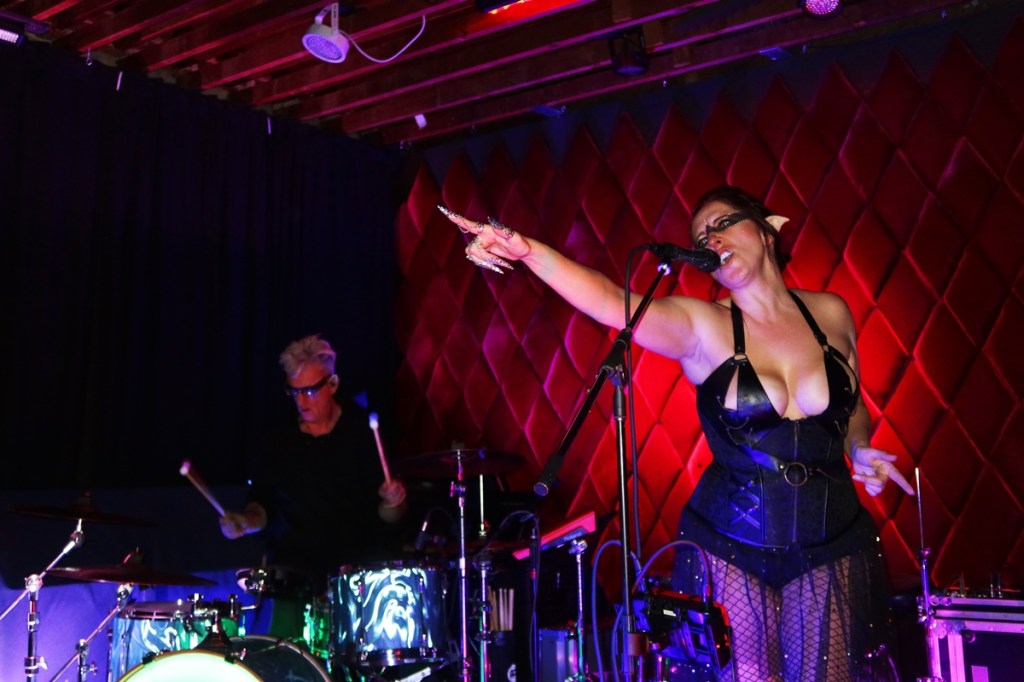
Friday | 12.23
What: Baby Baby, Gila Teen, SORROWS and Ray Diess
When: 7
Where: Enigma Bazaar
Why: Baby Baby is the indie dream pop project of Lily Conrad. Reminiscent of bedroom pop artists of the late 90s and 2000s and has the aesthetics of lo-fi but with better sound production than much of that stuff often had. Gila Teen is the genre defying emo-shoegaze-post-punk band whose eccentric songs nevertheless always seem to be a direct line into the anxieties and affections coursing through the cosmos at the given moment of the performance. SORROWS is an emotionally charged downtempo band comprised of vibrant vocals, elegantly crafted rhythms and electronic production. Ray Diess is one of the Denver scene’s most compelling darkwave pop artists operating today.

Friday | 12.23
What: Fast Eddy, Julian Street Nightmare and Morning Oil
When: 8
Where: Globe Hall (free)
Why: When garage punk and the more mundane end of psychedelic rock collapsed under the weight of its own hubris and fake excitement some of the people who were on one end of that broader scene with any talent or imagination had to do something different and Fast Eddy came out of that milieu as a solid power pop band. Julian Street Nightmare create music from a thrilling nexus of post-punk, surf rock and art rock. Morning Oil sounds like it took some bit of inspiration from the better part of 80s glam metal and The Dead Boys.
Tuesday | 12.27
What: The Roots and BIG K.R.I.T.
When: 7
Where: Mission Ballroom
Why: The Roots are the influential, jazz rooted hip-hop band from Philadelphia that many may also know for serving as the house band on The Tonight Show Starring Jimmy Fallon. Its use of live musical instrumentation has always set The Roots apart from most hip-hop groups whose use of samples is most often used to craft the beat and thus its live performances have a powerful physical presence that is impossible to duplicate otherwise. Big K.R.I.T. is the acclaimed rapper and producer from Mississippi whose eclectic production and socially conscious lyrics seem to hit at a very grassroots level of appeal with an accessible sound and a way of presenting heady ideas in a way that is both creative and personally relatable.
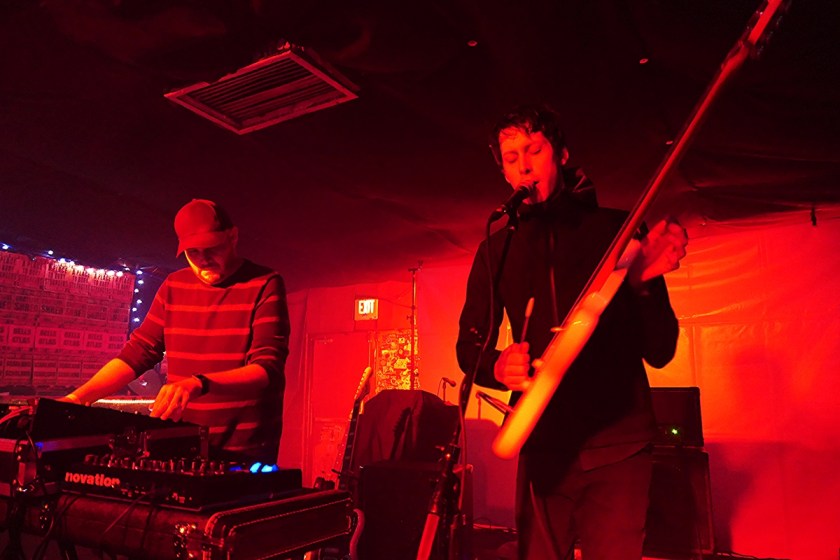
Thursday | 12.29
What: Watch Yourself Die, Voight, Sell Farm https://www.eventbrite.com/e/sell-farm-voight-wyd-at-the-mercury-cafe-tickets-481076160747?aff=ebdshpsearchautocomplete
When: 8
Where: Mercury Café
Why: Watch Yourself Die is kind of a post-punk supergroup comprised of members of Hex Cassette, Ray Diess and Julian Street Nightmare. Voight has long blurred the line between shoegaze, post-punk, darkwave and techno and infused it with emotionally intense live performances. Sell Farm might be an indiepop band but one that doesn’t see a reason why heavy dub and industrial music can’t be a part of the overall wheelhouse of sounds going into the project’s eclectic but always interesting songwriting.
Thursday | 12.29
What: Discomfort Creature w/Curious Things, Nightfishing
When: 8
Where: Hi-Dive
Why: Discomfort Creature is a punk band from Denver whose lineup includes current and former members of Gamits and Uphollow and this show signals the vinyl release of its 2021 self-titled debut on Snappy Little Numbers now that Chris Fogal is back in town for the occasion from his current residence in Switzerland. The record is an energetic fusion of pop punk and the more angular, Dischord-esque variety of punk.
Friday | 12.30
What: FOANS, Brotherhood of Machines (album release) and Luxury Hearse
When: 9
Where: Broadway Roxy
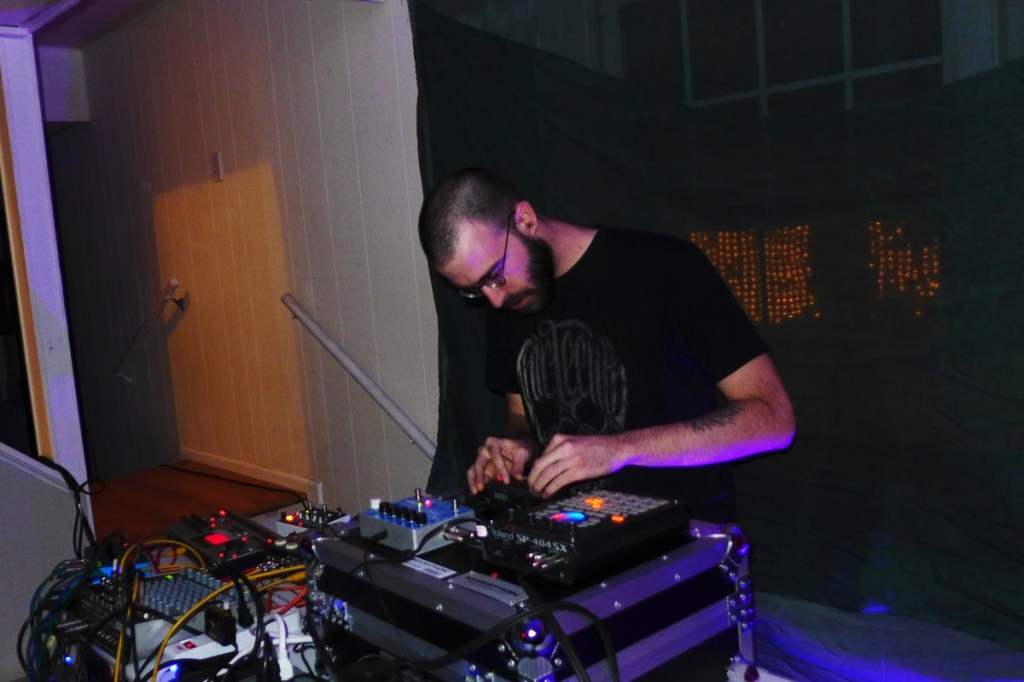
Why: FOANS is the brainchild of producer Andrew Dahabrah whose melancholic house and techno music has been at the center of Denver’s underground dance music world for several years. Luxury Hearse is the project of Dan Coleman (Blank Human) and Rin Howell (Psychic Secretary) that breaks the barrier between techno, ambient and musique concrète. Brotherhood of Machines is apparently returning with its first new release and album in over six years. The project live has been a mysterious and sonically rich example of where ambient, abstract industrial, techno and noise converge to produce a sound that establishes a deep sense of mood and place.
To Be Continued…






You must be logged in to post a comment.