JENTL Washes the Therapeutic Single “Better For Me” in Soulful Dream Pop and the Will to Change

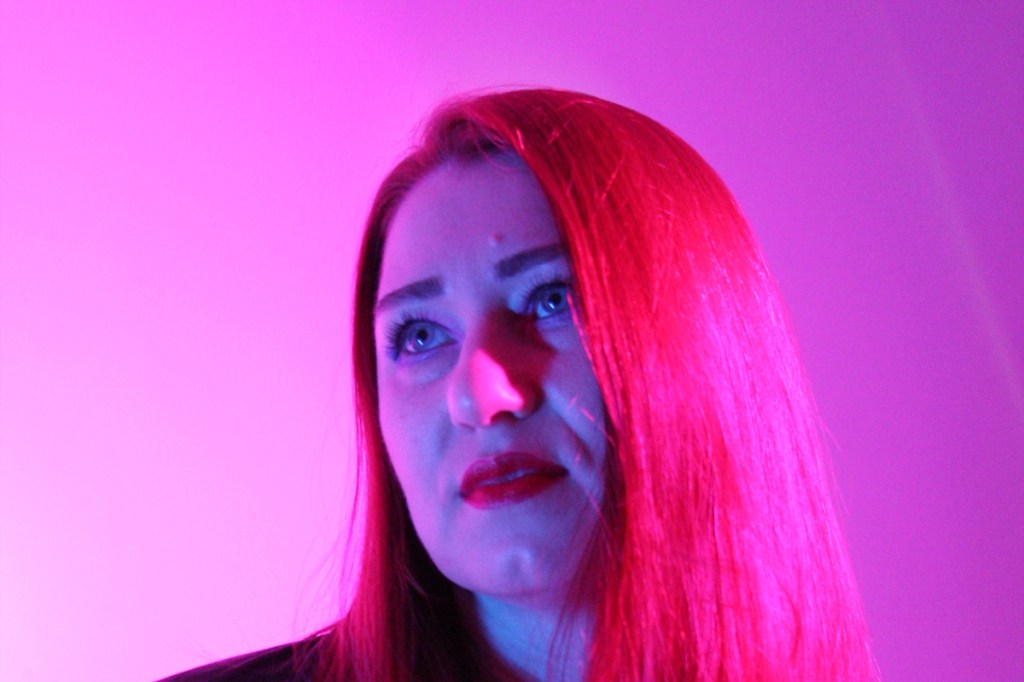
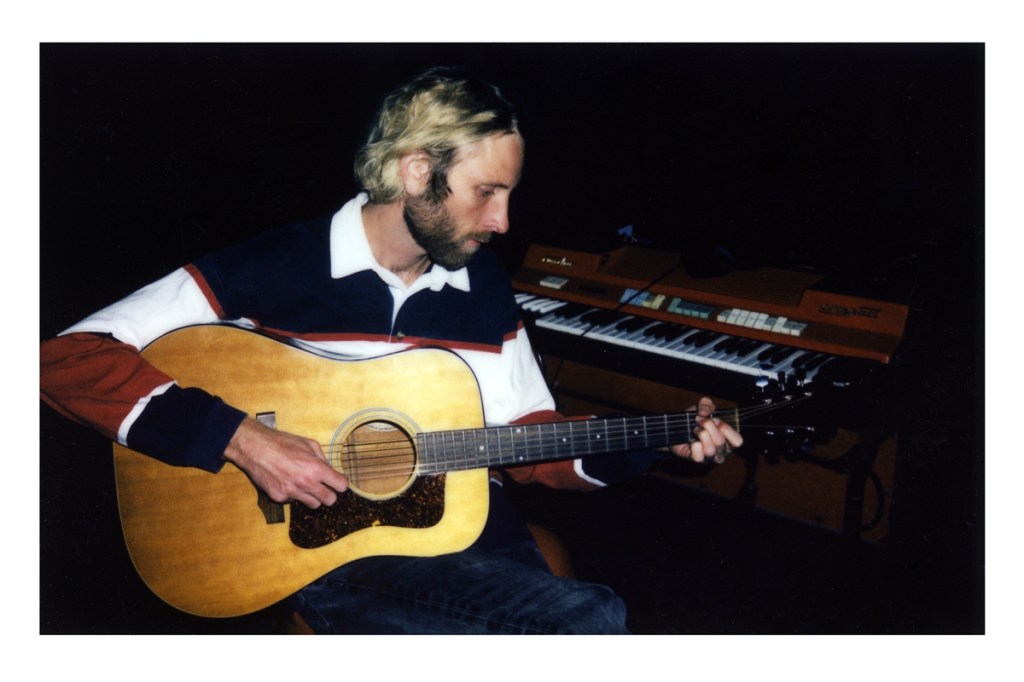
JENTL, photo courtesy the artist

JENTL brings a soulful introspection to his hazy pop song “Better For Me.” Accents of percussion and guitar touch at the edges of splashes of synth tone but the melody is ably carried by JENTL’s smooth vocals. He describes an immediately relatable feeling of how our own minds can sabotage our best intentions and instincts and reroute our energy into unproductive habits. JENTL questions the desire to get comfortable in the throes of a dysfunctional psychology because it inhibits the will to change. He ponders whether he’s a “good guy” but concedes “at least I try” and in that nugget of hope he finds the impetus to work toward behaviors and practices that are, yes, better for him. This deep exploration of personal accountability couched in lush atmospheres and luminous melodies just makes it seem like the best route overall and one that is easier than we might imagine when we’ve gotten comfortable with what are essentially self-destructive and soporifically twisted. This style of songwriting and purpose imbues the rest of JENTL’s new EP Terminal as well which released on April 7, 2023. Listen to “Better For Me” and the rest of the EP on Spotify and follow JENTL at the links below.
JENTL on Bandcamp

JENTL on Instagram

Richard Tripps’ Whimsically Dreamlike “Dog Days” Gives Us the Sounds of Life Outside the Endless Treadmill of Productivity

Richard Tripps, photo courtesy the artist

Richard Tripps’ ever so slightly husky voice lends an immediacy to “Dog Days” as he relates impressions of the end a time in life that feels comfortable and days pass at a leisurely pace because it’s too hot to do otherwise. But when that time ends, like a summer break or a summer vacation, you miss it a little and the people with whom you whiled-away the hours. Tripps expertly conveys that liminal moment. The percussion is light yet gives the song a vivid coherence. The synth, some of it sounding like a touch of Mellotron to give it a dreamlike haze, brings a charmingly whimsical spirit to the song and comes to the fore for an interlude before the outro. The song recalls the song “A Month of Sundays” by The Church from its underrated and top shelf 1984 album Remote Luxury and the way it conveys the way the relatively brief periods of leisure we get in life under the prevailing economic system allow us the time to stretch out our psyche to entertain the full feeling of life outside of the endless treadmill of productivity expected of us but which is antithetical to a full human life. Richard Tripps gives us a bit of that headspace with this song as well. Listen to “Dog Days” on Spotify and follow Richard Tripps on Instagram.

Cheree’s “Murmur” Seethes and Rages With a Fusion of Industrial Noise Rock and Anarcho Punk

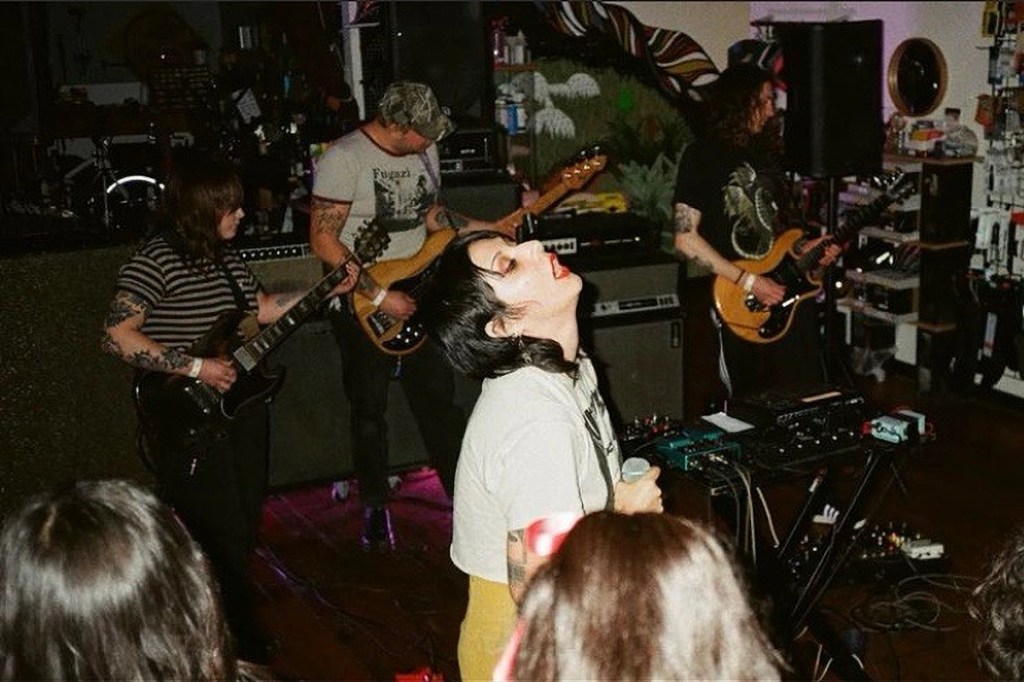
Cheree, photo courtesy the artists

“Murmur” begins with what sounds like a loop of broken, distorted guitar before Cheree bursts into layered, near chaotic aggression. The programmed drums sound like a particularly disciplined hardcore or death metal drummer because the rhythms aren’t just steady and urgent but seem to sync in when the band goes off the map with rapid echoing guitar and unhinged vocals. It’s like the wildest and most cathartic industrial music fused with noise rock’s disregard for standard melodic structure and the righteous fury of both a grindcore and anarcho punk band. Listen to “Murmur” on Spotify where you can listen to the rest of the band’s 2023 album Factory which is fueled with a similar fervor, intensity and beautifully thorny aesthetic. Catch up with Oakland’s Cheree at the links below.

Cheree on TikTok

Cheree on Instagram

The Dark Romance of Bad Flamingo’s Folk Rock Noir “Mountain Road” is Pure Laurel Canyon Gothic

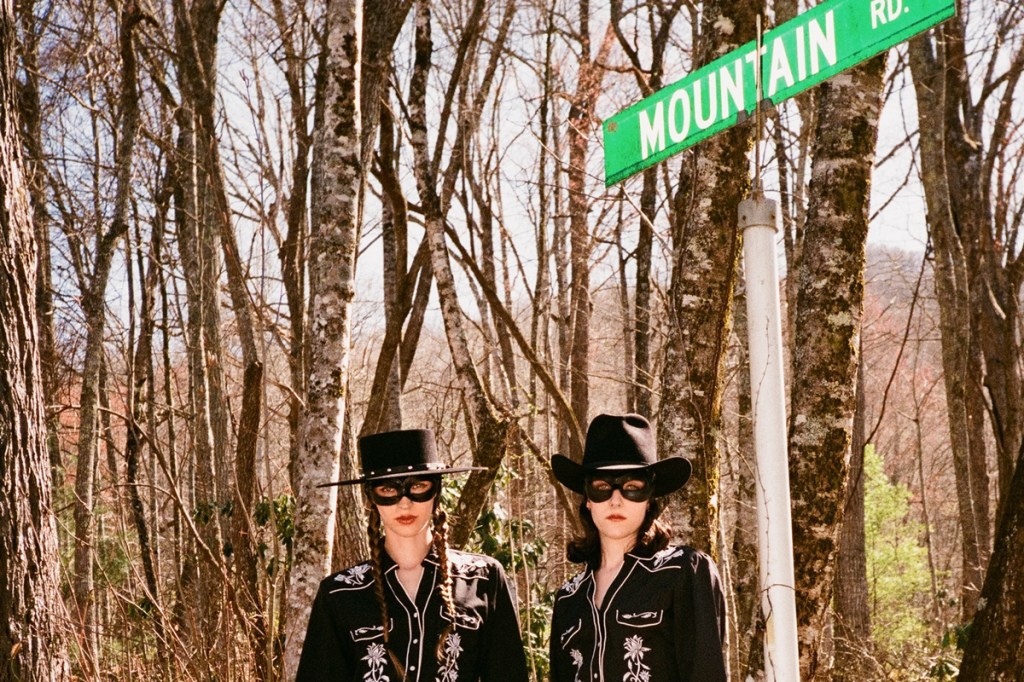
Bad Flamingo, photo courtesy the artists

It’s tempting to call Bad Flamingo’s recent run of singles, and really much of its earlier output, Laurel Canyon Gothic. “Mountain Road” is crafted from delicately intricate folk rock style guitar work, strings and near whispered vocals and one hears in its sonic DNA the sensibilities and musical spirit Donovan absorbed from West Coast bands in the USA in the mid 60s before writing his own interpretation of that collective sound on his 1966 album Sunshine Superman. There are the ghosts of “Season of the Witch” haunting “Mountain Road.” But Bad Flamingo’s song seems to be another one about a partnership on the run from the enervating tendrils of mainstream society and fueled by personal myths and narratives and the romance of how the adventure of it all is exciting and the secret greatness shared between two people except that it’s precarious and the lifestyle doomed in the end. It’s a twenty-first century noir like a darker early Gordon Lightfoot song and yet another fine example of the duo’s unique and consistently engaging songwriting. Listen to “Mountain Road” on Spotify and follow Bad Flamingo at the links below.

Bad Flamingo on Facebook

Bad Flamingo on YouTube

Bad Flamingo on Instagram

badflamingomusic.com

Urbanistic’sDream’s Synthwave Pop Song “Time Is Now” Encourages Us to Find Joy Through the Tough Times Because All We Are Promised Is The Present

Urbanistic’sDream, photo courtesy the artist

Alina Skiffska wrote “Time Is Now” for her Urbanistic’sDream project in Kyiv during the air alerts and blackouts in 2022. But the synthpop song is reminiscent of something that might have come out of the 1980s with the processed guitar sound and fusion of R&B and what was then called New Wave. And because of that it has a spirit and sound of unvarnished hopefulness and scrappy attitude. The words are forward looking, “Time is now/to be daring/Time is now, Time is now/forget your failing/The future is here in these neon lights.” Its bright melodies and upbeat rhythms infused with a steadfast energy is fitting for a song in which the songwriter has adopted an attitude of not being held back by the past or being discouraged by setbacks or defeats because one has to be in it for the long haul when you’re striving for not just your freedom but your very lives. Even without the context of the artist being from Ukraine and based out of Kyiv “Time Is Now” has the quality of a classic modern electronic pop song that encourages one to live your best life and push through your challenges even in times when you’re not feeling it because you’re living for a time when things won’t be so tough and and you can enjoy yourself even when they are because often enough now is all we are guaranteed. Listen to “Time Is Now” on Spotify and follow Urbanistic’sDream at the links provided.

Urbanistic’sDream on TikTok

Urbanistic’sDream on Facebook

Urbanistic’sDream on YouTube

Urbanistic’sDream on Bandcamp

Urbanistic’sDream on Instagram

Urbanistic’sDream on Apple Music

Stunts Breathe Life Into a Troubled Relationship Through Speaking the Poetic Truth on Baroque Pop Single “Sticky”

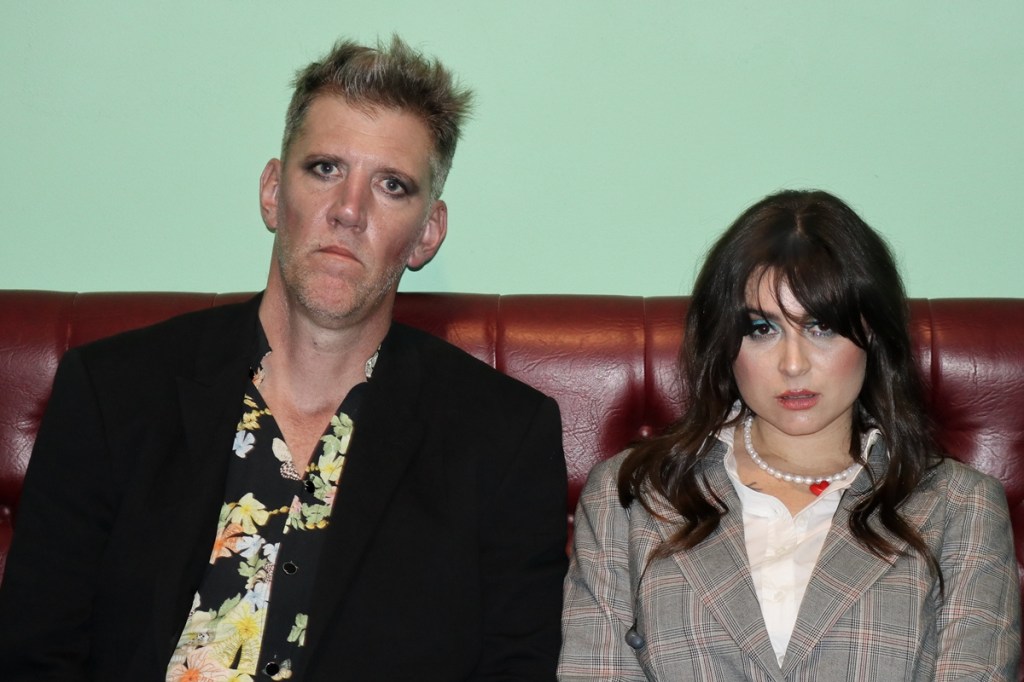
Stunts, photo courtesy the artists

Stunts conjure an era of music in its single “Sticky” where cabaret folk and vulnerable indie singer-songwriter sensibilities seemed to complement each other perfectly. Think late 90s and early 2000s America and Europe. But Stunts hail from a city south of Sydney, Australia called Wollongong yet Matty and Racey have roots in that aforementioned musical time period and bring an emotional authenticity to a song that gets very raw and real about what it is to live as a human in a time of great turmoil and challenges, in which an ambient angst and anxiety and yes exhaustion in navigating it all can take an underlying toll on everyone and their relationships which can at the best of times be a work in progress. With spare spare guitar, male and female vocals in resonant harmony and taking lines throughout, “Sticky” gets to it with the opening lines “We’re fucking numb/And I come and I come, for fun and I’m done/We’ve been fucking sad, and I’m bad/And you’re mad and I’m sad because I’m bad.”Without having to spell it out explicitly the songwriters poetically capture how because you want things to work out sometime you will put aside the discomfort and the hard questions and conversations until you’re spent. But in this song those coping mechanisms and real feelings and lack thereof (a problem in its own right) are expressed until the key question comes up, “Are we ok? Not the easiest thing to say/Are we ok?/I think we’re ok, today.” And the answer in the melancholic outro chorus is that by being honest with how things feel in the moment that it’s okay to not be okay, as the modern expression goes. The song could be incredibly sad but its rhythms and swells of sound bringing in percussion and a more lively guitar riff express a will to get through these times now that the truth can be expressed without feeling like it has to be hidden and maybe, just maybe, this partnership is worth sticking it out. Listen to “Sticky” on Spotify, where you can listen to the group’s new album Housework (released April 7, 2023) and follow Stunts at the links below.

Stunts on Facebook

Stunts on YouTube

Stunts on Bandcamp

Stunts on Instagram

Robots of the 80s Give Us a Glimpse Into the Wondrous World of Sentient Musical Machines From Its Album Chance of a Lifetime in the Video For “I Want To Be”

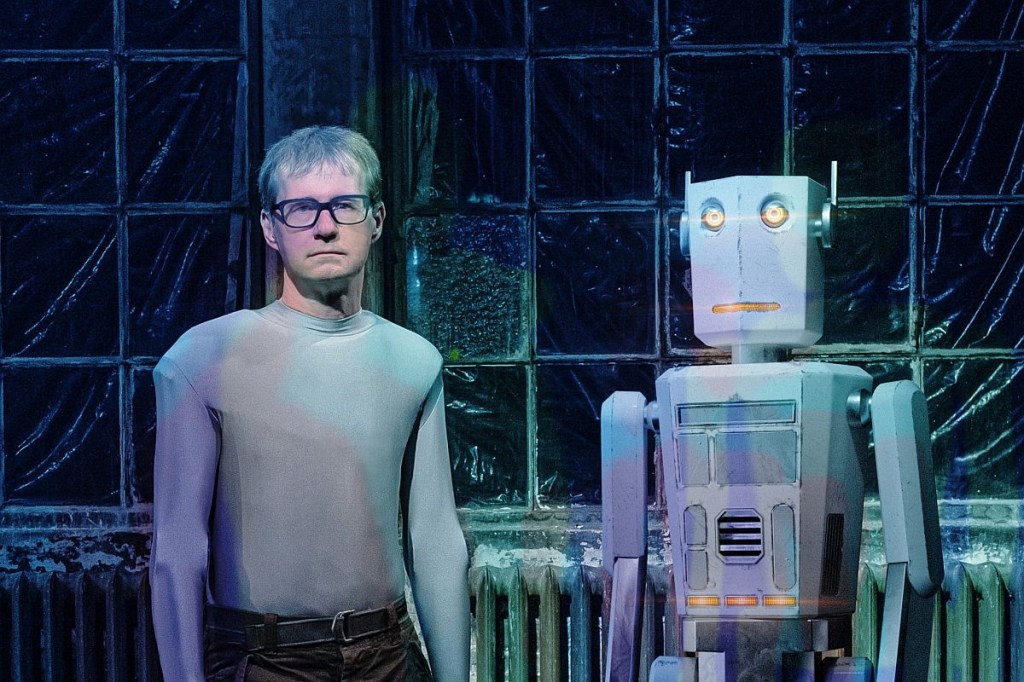
Robots of the 80s, photo courtesy the artists

Robots of the 80s introduce us to a wondrous yet dystopian vision of science fiction future in the video for “I Want To Be.” The song with its saturated synth melody and strong rhythms is almost like a sequel to Kraftwerk’s 1978 song “The Robots” with a more modern compositional sensibility and decades of the development of dance beats informing the sequencing of the song. We see the robot in a factory dancing among other robots on an kind of assembly line but this robot attains self-awareness and depicted in both full graphics and the more white outlines in wire framing style the robot speaks to how it wants to be a robot and doesn’t want to be a man but that it wants to be free, presumably to be what a robot is and what it can be free of needing to identify with the human context of existence that instigated it coming into being. The video designed, directed, animated and produced by Lorenz Foth with a robot design for the main character Rael by Dr. Chao Wang is both retrofuturistic and of the moment in terms of how the animations manifest more like an advanced MMO rather than something that would have emerged in the 1980s, project name aside, but with the aesthetics of that decade. It’s a fascinating watch and listen and the first single from the band’s new album Chance of a Lifetime which released on June 2, 2023. Watch the video for “I Want to Be” on YouTube and follow Robots of the 80s at the links below.

Robots of the 80s on Facebook

Robots of the 80s on Twitter

Robots of the 80s on Instagram

robotsofthe80s.com

Madam Bandit Traverses the Path of Working Through Arbitrary Social Standards in the Striking Music Video for Vulnerable Indie Pop Song “Happiness”

Madam Bandit, photo courtesy the artist

Madam Bandit strikes a particularly intimate tone in “Happiness.” It has a spare beat, minimal guitar and hushed synths with the focus on her journal entry style lyrics. In the music video we see her putting on makeup and then removing it in time with the arc of the story of the lyrics as she goes from the true self to the artificial appearance and back to embracing an expanded, genuine self. The songwriter had apparently grown up in a strict religious community with its dictates on behavior and appearance and left it and in doing so there’s the risk of feeling alone and disconnected from the world you knew. But the song works beyond the specific context because it’s one about personal liberation and we all go through our own paths to self-discovery and psychological liberation in life if we’re fortunate enough to come to the realization that we don’t need to conform to strict standards if we don’t want to and we can find out place in the world and we don’t have to tie our own sense of self and ability to experience happiness to fitting in with a strict religious community’s mores or those of the mainstream society marketed to us endlessly in mass media and culture. Madam Bandit’s poignantly haunting song reflects the fragility and vulnerability of the uncertainty and insecurity one can feel before attaining the self-knowledge and experience to know there’s much more to the world and to life than where and how you were raised and how you’ve enculturated yourself to conform to arbitrary standards not that many people care about either and often actively or at least passively dislike. Watch the video for “Happiness” on YouTube and follow Madam Bandit at the links below.

Madam Bandit on TikTok

Madam Bandit on Facebook

Madam Bandit on Instagram

Girl As Wave Projects an Aspirational Will to a Better and More Fulfilling Life on Synthpop Song “Future Version”

Girl As Wave threads together musical ideas of the past with production methods of the present in crafting the synth pop aesthetic of “Future Version.” Reminiscent of early, electroclash period Ladytron and early Boy Harsher, the song expresses a yearning for something better, “always searching for the future version” of her self, of her life but it always seems “out of reach” yet there is a sense in the song that she isn’t completely sure what this vision of a more fulfilling tomorrow and person to become might be whether “someone on TV” or “someone in my head” and you hear the weary frustration of that in the song but also a will to keep going and in the song’s saturated tones and upbeat melody there is more than a glimmer of hope for something for which to strive rather than no hope at all. Listen to “Future Version” on Spotify and follow Girl As Wave at the links provided.

Girl As Wave on Facebook

Girl As Wave on Twitter

Girl As Wave on YouTube

Girl As Wave on Instagram

Girl As Wave on Soundcloud

Janna Pelle Indulges the Comforting Reverie of the Lingering Romantic Feelings for a Lost Love on “Know Too Much”

Janna Pelle, photo courtesy the artist

There is a hazy softness to the synths in Janna Pelle’s “Know Too Much” that is matched in the spacious production on her vocals in the beginning of the song And repeated again later on into the song to express musically the lyrics in which the singer reflects on being haunted by the memories of a lost love. But this granular tone clears up in the part of the song near the beginning when the fog of lingering love for someone in her past parts for a moment only to be enveloped by the spell of romantic reverie once again because even though it’s past-tense there is something comforting and pleasant in revisiting that feeling when you know you can step out of it at the proper time. The finely accented drums act as an emotional anchor throughout the dreamlike atmosphere of the song and it is the percussion that cuts through with the greatest clarity throughout. The title of the song also suggests a self-awareness with indulging feelings of tenderness and affection for someone you had to leave behind. Listen to “Know Too Much” on Spotify and follow the songwriter, multi-instrumentalist, drummer and producer Janna Pelle at the links below.

Janna Pelle on Facebook

Janna Pelle on Instagram

Janna Pelle on Soundcloud