Cleopatrick’s Bitcrushed, Lo-Fi Single “BAD GUY” is an Anthem Against Being Villainized

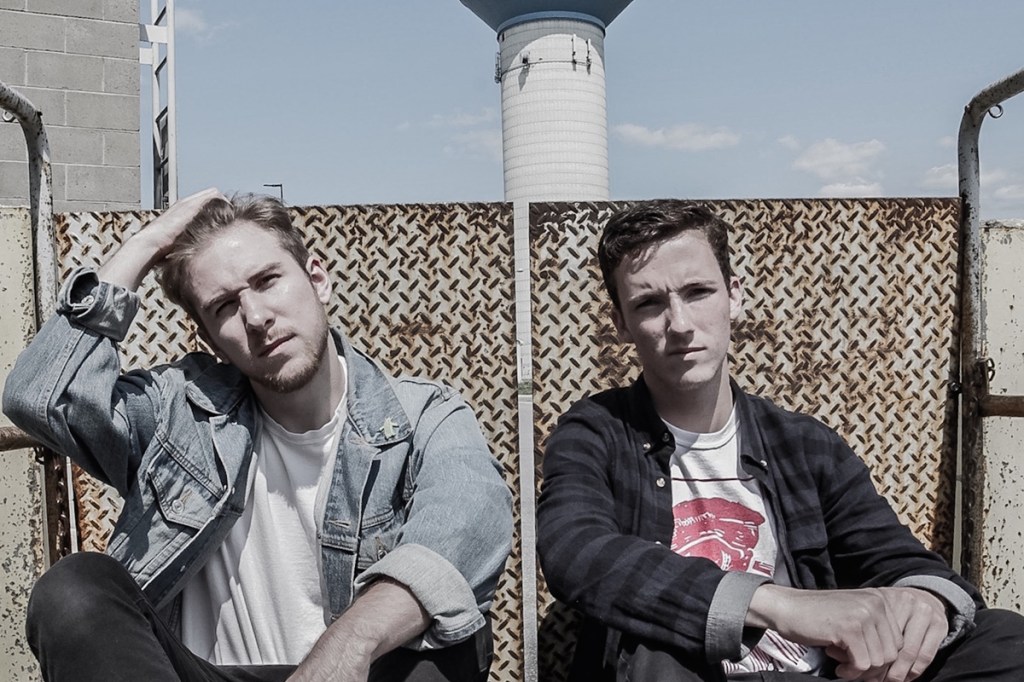
cleopatrick, photo courtesy the artists

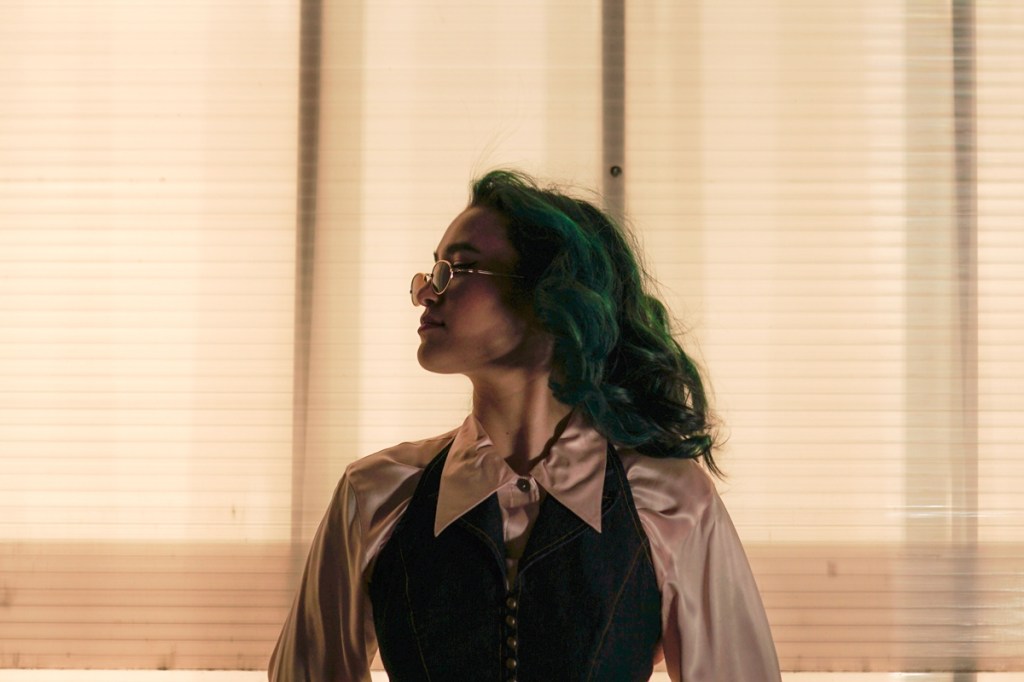
Canadian rock duo cleopatrick released its new album FAKE MOON on March 14, 2025. The video for “BAD GUY” looks a little like something out of a Dash Shaw film but done with graphics straight out of a 16-bit video game. With an unusual plot to go with the video including escaping the situation and the world through a trip on a craft that looks like the moon. Which fits how glitchy the production is on the track with the vocals and other sounds bit-crushed ever so slightly. The effect creates a sense of vulnerability and as the song progresses a lo-fi psychedelic sound. The song seems to be about the feeling of being made to feel like the villain in the life story of someone yet again in some psychodrama that gets really old. The song is almost diametrically the opposite in sound and tone from the music on the group’s outstanding 2021 debut album BUMMER but it also expands upon how Luke Gruntz and Ian Fraser have essentially mixed and matched aesthetics within their music that overtly taps into 90s alternative rock with some urgency and aggression but also electronic music and hip-hop production techniques. This song is even a step removed from that fusion and its admittedly grimy and gritty charm. Like the rest of FAKE MOON the vibe is gentler but no less connected to raw feelings and emotional honesty. Watch the video for “BAD GUY” on YouTube and follow the Canadian band at the links below.
cleopatrick.com

cleopatrick on Facebook

cleopatrick on Instagram

Robert Ascroft’s “Dorian Gray” is an Existential Dream Pop Song About Embracing Our Lifelong Becoming

Robert Ascroft, photo courtesy the artist

Robert Ascroft fully incorporates his experience as a photographer and director in Hollywood and songwriting in the beautifully haunting video for his song “Dorian Gray.” With ethereal vocals from Ora Cogan the song is a processional of recursive, dream pop streams of guitar and gently accented percussion with shimmery strings gilding the edges of melody. It’s a song that appears to be about people preserving a memory of each other as they once were in a good time of life with impressions that resonate across years even as we change with age though the emotional attachments remain though those evolve and grow with us with the people with whom we share a special bond. The video shows two marionettes looking into funhouse mirrors and accept the distortions as one aspect of perception and how we perceive ourselves in a particular moment isn’t the full truth nor the one most enduring, certainly not in the minds of others. The song seems to suggest that we can accept the impermanence of life and ourselves and embrace the changes as part of a bigger picture, a lifelong process of becoming who we will be and learning along the way. Fans of Slowdive will appreciate the languid sweeps of gossamer tone in slow motion and the rosettes of guitar tone that blossom and fade into the backdrop of swirling tones that keep the song in a comforting and dreamlike state. Ascroft’s latest album Echo Still Remains released on February 14, 2025 via Hand Drawn Dracula. Watch the video for “Dorian Gray,” directed and shot by Ascroft as well, on YouTube and follow the artist at the links provided.

robertascroft.com

Robert Ascroft on Twitter

Robert Ascroft on Facebook

Robert Ascroft on Instagram

Laurel Smith Takes Down the False Strength of Tough Guy Antics on Lushly Energetic Hip-Hop Single “pink gun”

Laurel Smith, photo courtesy the artist

Laurel Smith’s energetic flow of words on “pink gun” pairs well with a string sample like a sanshin riff over a pulsing electronic bass line and boom bap rhythms and percussion. It’s like if a downtempo song had some scrappy attitude. That suits well a song taking aim at the type of insecure man that dismisses women that don’t fit some narrow and problematic view of how women are supposed to be like women are a product they’re ordering online. Smith in the song becomes a nightmare for that kind of man and the song has the type of attitude that turns the dismissive attitude back on the one who is used to dealing it out but with interest. In the end the song also unmasks that “meninist” or incel prose as some laughable tough guy thing when really the lack of sensitivity and vulnerability diminishes your humanity, that thinking of gender roles and relationships in a twisted version of even traditional senses is at best odd and leads to self-destructive behavior. The lush production and low key sense of menace and not so understate confidence makes the song appealing from its first moments and carries through to the end. Listen to “pink gun” on Spotify and visit Laurel Smith’s LinkTree for connections to her online presence.

Laurel Smith LinkTree

Emily Kinski’s Dead’s Darkwave Pop Single “Black Light District” is a Celebration of Subculture

Emily Kinski’s Dead, photo courtesy the artists

The zombie film aesthetic of the video for Emily Kinski’s Dead’s single “Black Light District” serves as a kind of metaphor for the song. The industrial darkwave song is an homage to underground culture and how the environs, music and style of a particular subculture might put off plenty of people but it’s a place where you can feel like you belong and be yourself. And horror cinema and its own creative heights can be off-putting to a certain type of person but the charms of which seem obvious to others and can be cathartic for the kinds of real life fears and trauma we experience. And it’s fine that not everyone is into that and the kind of distorted vocals one hears on this track because it’s “spooky” but they’re missing out on its beautifully haunting and urgent melody clearly expertly crafted dance beat. But people who appreciate a synth pop with a dark edge without the future pop aftertaste will love it. Watch the video for “Black Light District” on YouTube and follow Emily Kinski’s Dead at the links below.

Emily Kinski’s Dead on Instagram

A Place To Bury Strangers Rejects the Emptiness of Dystopian Despair on “Plastic Future”

A Place To Bury Strangers, photo by Ebry Yildiz

A Place To Bury Strangers isn’t a band one often associates with social commentary yet those ideas have long been in the music cast often in terms more personal. But “Plastic Future” and especially with the music video directed and edited by Dylan Mars Greenberg the words and visuals point to how in life as we’ve been having to live it if we’re even trying to keep up with the way things are in a functional way our attention is pulled in all directions and our time and energy segmented and chiseled off of us in a way and we can feel atomized by this thing that at one time might be described as “the future” but is really just an overly marketed and imposed way of being and living no one really asked for and which encourages us to abandon normal, analog humanity in pursuit of what? Elusive and ephemeral rewards in the world of social media? Jobs that demand all and give little while under the distant boot of some tech oligarch and their trickle down control or every moment of your life? The shock and awe and outage cycle of modern politics as fascism rises against feckless “opposition” and undermined institutions? It’s all a lot and it can overwhelm you. But in the line “I won’t let love go/As I let go of the future” Oliver Ackermann has identified that a central hope lies in our essential humanity and the capacity to feel something more appealing and powerful than fear, hatred, greed, anxiety and despair. Musically it’s a bit different with the emphasis on the rhythms and less so on the divinely noisy and scorching guitar work that has been the hallmark of the group’s sound but it’s latest album Synthesizer (2024) isn’t short on new directions for A Place To Bury Strangers. Watch the video for “Plastic Future” on YouTube and follow the new york band at the links below.

A Place To Bury Strangers on Twitter

A Place To Bury Strangers on Facebook

A Place To Bury Strangers on Instagram

A Place To Bury Strangers on Bandcamp

Waves_On_Waves’ Tragically Romantic Single “Bloody Valentine” is a Melodic Earworm of Darkwave Post-Punk

Waves_On_Waves, photo courtesy the artist

Listening purely musically to “Bloody Valentine” Waves_On_Waves (with Crimewave and Waves On Waves After Dark) one hears the chimy, lingering guitar work and pulsing synth and rhythms of an updated synth pop song. Mark Christopher Sevier’s expressive vocals match the unconventional melodic progression of the song all while he creates the image of the kind of tragic romance he may have witnessed, experienced and was involved in while part of the Goth scenes of Los Angeles and New York of recent years or at least the myth of it and the ways people find solace in and relief from their psychic anguish whether in relationships, creative transmutation of personal turmoil or self-destructive acts that distract at least for a little while and maybe carry you through the times when things seem to press so hard against your emotional state. Whatever the inspiration, the songwriters and producers for the track have crafted an earworm of a darkwave flavored post-punk track with an elegant flair and sensitivity with the subject matter. Watch the video for “Bloody Valentine” on YouTube and follow Waves_On_Waves at the links below.

Waves_On_Waves on Facebook

Waves_On_Waves on TikTok

Waves_On_Waves on Instagram

Waves_On_Waves on Bandcamp

Pink Turns Blue’s “Dancing With Ghosts” is a Song About the Will to Break From Stifling Relationships

Pink Turns Blue (Mic Jogwer), photo by D. Vondran

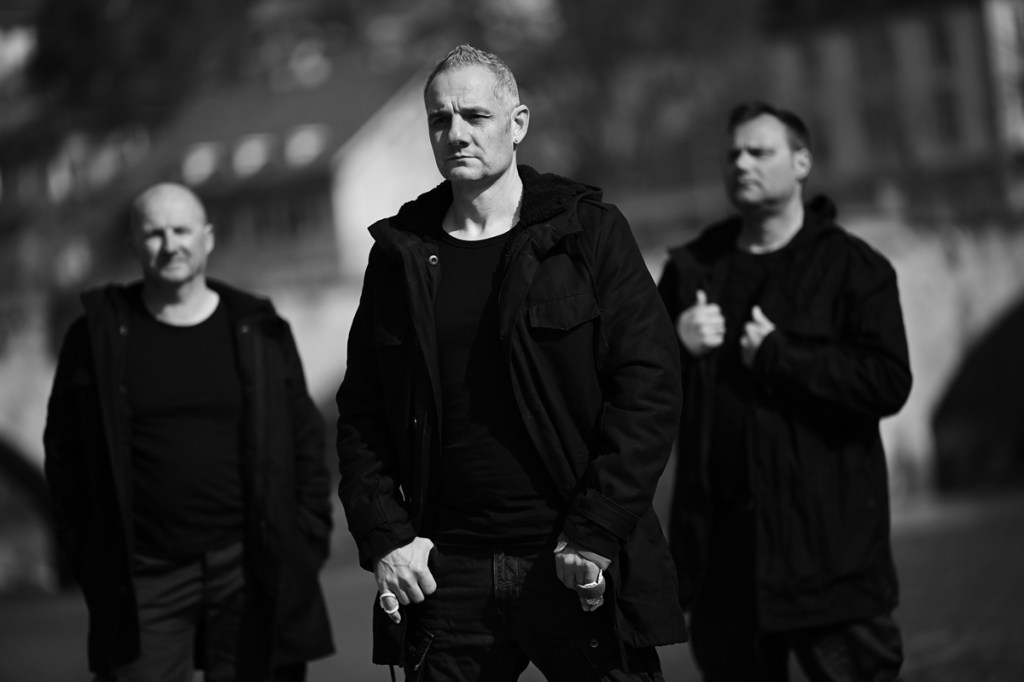
Pink Turns Blue released its new album Black Swan on February 28, 2025 and the singles put out around the release of the album hint at the album full of self reflection on interpersonal conflict, inner struggles and the yearning for growth and satisfaction rather than a familiar yet stifling situations that can off shape and define our lives. “Dancing With Ghosts” and its brooding yet urgent melodies dives into the latter directly. The music video depicts a young man who is trying to escape from a family dynamic filled with the kind of turmoil and conflict that does no one any good and in the video we see not just him seeking freedom and fulfillment outside the family but also the mother and father characters who fight looking on reflectively especially at the end. In that way it becomes obvious the song is about how we are all participants and victims of this dysfunctional normal in our own ways and sometimes simply removing oneself from the situation can be the best choice for many of us and one to which we may be driven before we understand that’s what’s going on. The jangly shimmer of the guitar melody paired with the melancholic vocals make the song stick with you reinforced by the strong emotional hook of the imagery of the video. Watch that video on YouTube and follow Pink Turns Blue at the links below. Black Swan is now available on vinyl LP, CD, digital download and streaming.

Pink Turns Blue on Wikipedia

Pink Turns Blue on Twitter

Pink Turns Blue on Facebook

Pink Turns Blue on Instagram

Impulse Nine’s Cinematic Epic “Call of the Void” Combines Fiery Doom Drone and Modern Classical Sounds For an Emotionally Charged Journey Through Inner Space

Impulse Nine, photo courtesy the artists

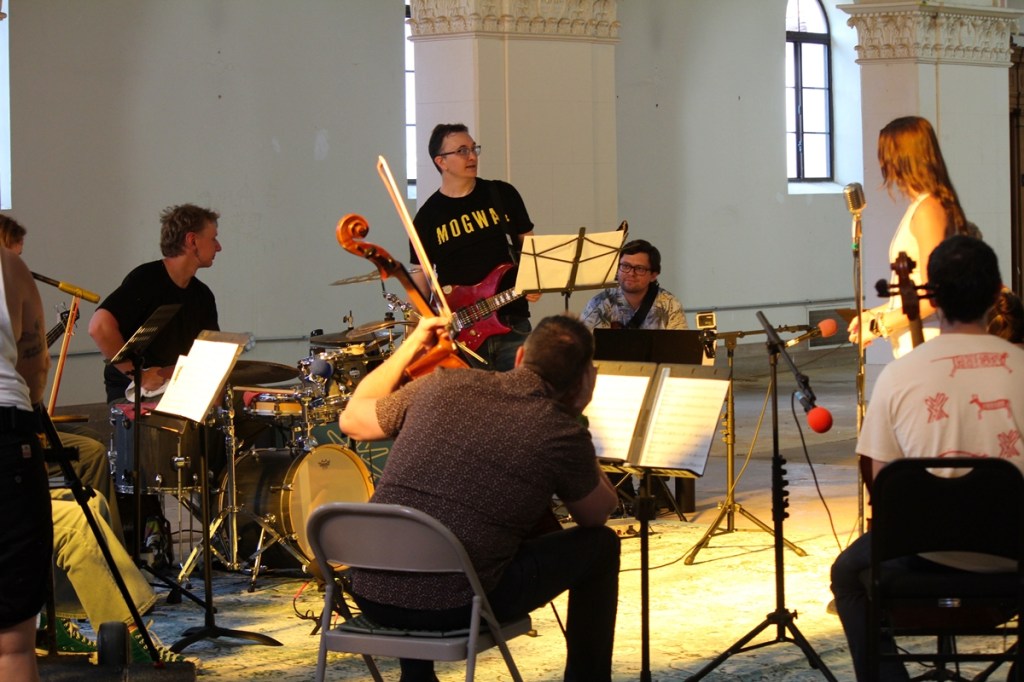
When Impulse Nine’s cinematic opus “Call of the Void” opens with drone and brass horn sounds you might not expect the distorted field that comes into the track that cycles up and then back down before the song takes off further into a mysterious horizons as suggested by the title. One might be excused for imagining a collaboration between SunnO))) and Philip Glass composing especially as the hazy clears into the spaciousness of a pristine piano melody warped ever so slightly by reverse delay processing to just give it a tinge of the weird and otherworldly at the edges. The piano becomes more urgent and discordant as the song swings right back into fiery, distorted, engulfing drones like something you’d expect to hear in a Mogwai song, punctuated by majestic piano chords and processional percussion. Impulse Nine really sustains the moods throughout while coming together as a kind of heavy music orchestra that expertly shifts complementary tones and textural elements so that even with the drones going it never feels static. Rather, you feel like the song is taking you somewhere you want to go even if you don’t know where that might be. The mix is so well blended that you can hear the glimmer of piano and keyboard melody clearly in the blaze of guitar sounds drum accents in the last half of the song and the contrast of the more distorted sounds with those more pristine establishes an elevated mood but one that inspires reflection and acceptance. In the last portions of the song the foundational elements shift slowly into a tranquil dynamic that is as soothing as it is satisfying like you’ve really been through something glorious with the band and it’s time to let go of those peak moments and embrace the peace with which the song leaves you. Listen to “Call of the Void” on Spotify, its seventeen minute length seems to go by quickly, and follow Impulse Nine at the links provided.

impulsenine.com

Impulse Nine on TikTok

Impulse Nine on Instagram

Impulse Nine on Bandcamp

Impulse Nine on YouTube

A.M. Architect Sets Your Mind at Ease With the Soothing and Transporting Flow of Downtempo IDM Bliss on “Eli”

A.M. Architect, photo courtesy the artists

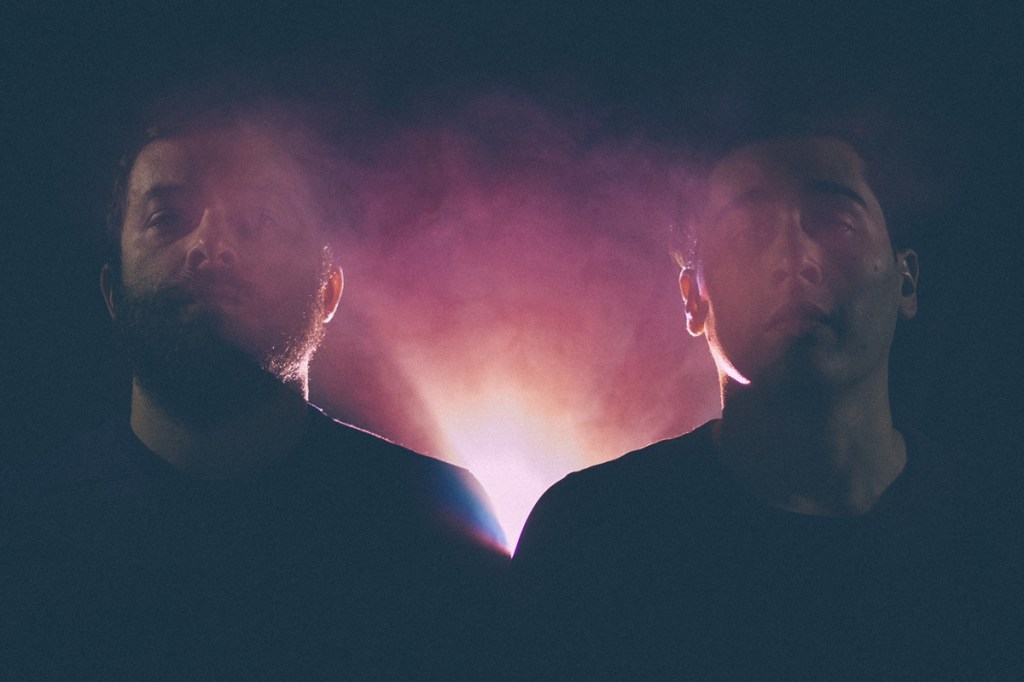
Electronic duo A.M. Architect released its new album Avenir on February 7, 2025. Comprised of Diego Chavez and Daniel Stanrush the project brings together ambient streams of tone and minimal techno sound design with generative visuals for a uniquely evocative presentation of music. The video for the single “Eli” reflects the attention to tonal detail and the way the sounds interact with one another flowing over a minimal, finely textured beat. The spare and soulful vocals complete an impression of the song as an analog experience though it clearly draws upon a deep knowledge of digital production visually and musically. It’s almost a downtempo song or the offspring of another branch of electronic music that blossomed in the 90s as well with IDM. Whatever its roots the song has a flow that eases into your mind and soothes the mind with lingering guitar and crystalline keyboards that drift and carry you into tranquil psychic territory with seeming effortlessness. Watch the video for “Eli” on YoTube and follow A.M. Architect at the links below.

amarchitectmusic.com

A.M. Architect on Twitter

A.M. Architect on Facebook

A.M. Architect on Instagram

A.M. Architect on Bandcamp

Prismia Draws Us Into an Emotional Liminal Space of Connection and Dreams on Synth Pop Single “Blue Hour”

Prismia, photo courtesy the artist

Prismia’s “Blue Hour” opens with a dreamlike harmonic drone behind Prismia’s melodiously introspective vocals as a pulse of tone marks time. Altogether the mood feels like a deep late night mood and in the video directed by Quinn Warner we see images of the singer against a dark field and in a wooded, mountainous area by a river in cyan hues among friends. The song has a delicacy of feeling like a shared, cherished experience and we get a hint of what might have inspired the song and staying up until dawn talking because you don’t want the conversation to end but where natural boundaries draw a line from which one can pick up again at a later time. It’s the kind of song you would want to hear in a poignant moment in the kind of existential drama where people come to realizations about what’s truly important to their lives being connecting with people and doing meaningful things that inspire and stir the heart rather than the chores most of us have to settle for in order to get by. But the song rightly points to how that needn’t be our focus and we can shut down that mode of being and leave it behind even if for a short time. Watch the video for “Blue Hour” on YouTube and follow Prismia at the links provided.

Prismia on Facebook

Prismia on TikTok

Prismia on Instagram