The Intricate Guitar Work and Dynamic Swells of Feeling on Amberhill’s “Indecision” is the Perfect Embodiment of the Romance and Mixed Feelings of an Unrequited Love

Amberhill1
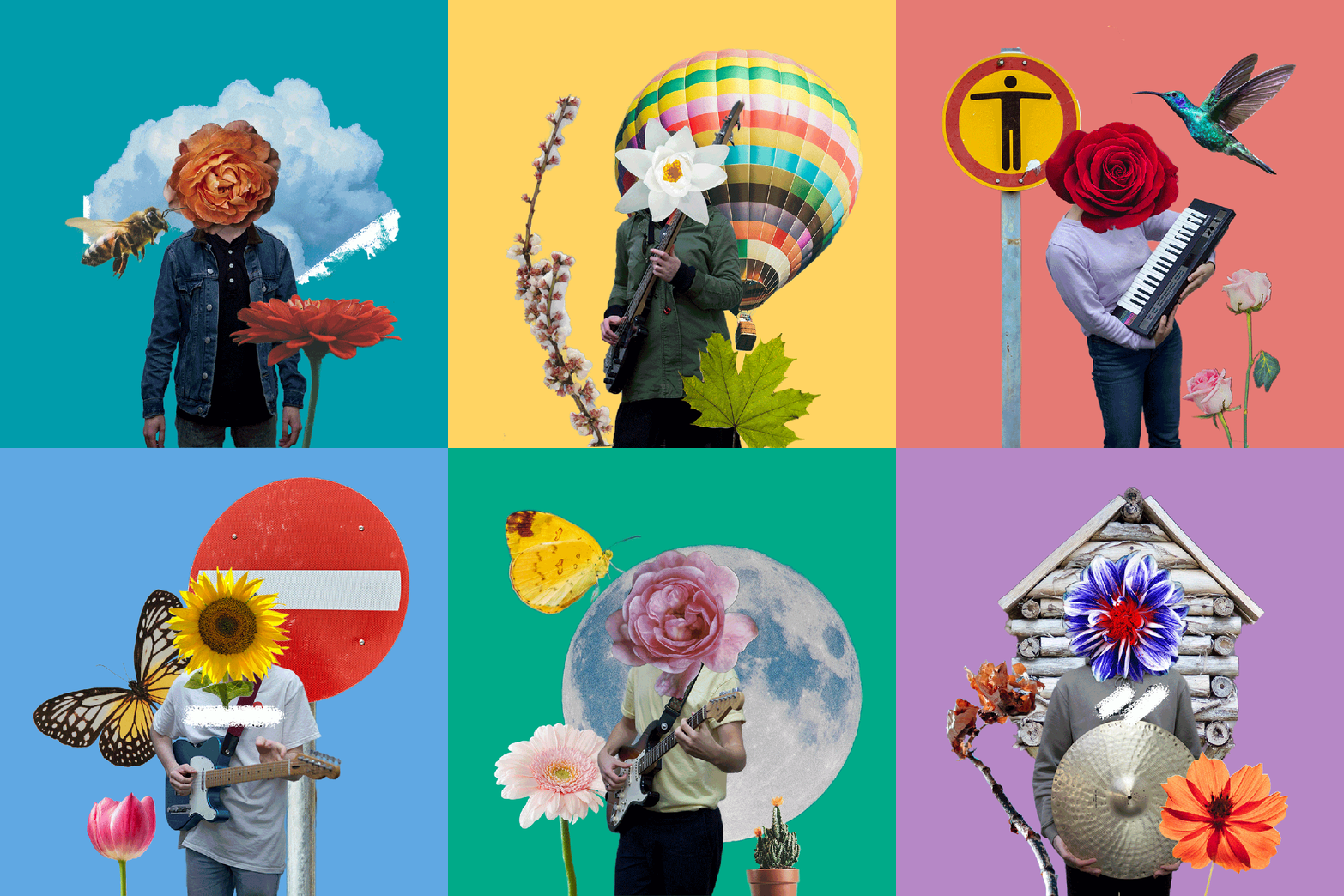
Amberhill, imagery courtesy the artist

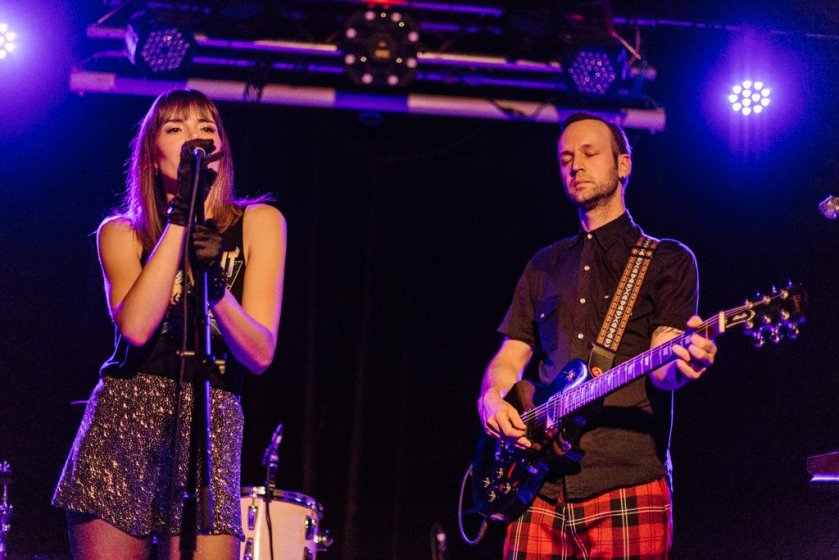
“Indecision” by Amberhill begins, oddly enough, on a note of raw musical enthusiasm before falling back into a melancholic introspection. But throughout the intricate, math-y guitar work threads the song with the fragile emotions and nervous energy one would expect of a song about a love long desired but never fully acted upon—the sort of subject matter of many an emo song. The upswinging arpeggios and emotional exuberance and countermelodies, though, set “Indecision” beyond the purview of emo throwback. The musicianship is technically proficient but the performances heartfelt, the delicacy of feeling in the lyrics are informed by an emotional nuance that speaks to an understanding of the human heart that goes beyond the black and white feelings of adolescence. There is a care and a warmth to the romantic tones of the Joshua Lau’s singing and the rush and dissolution of mood evolve with the dynamism of the tides reflects the songwriter’s intimate familiarity with the ways one’s feelings evolve over time and the way strong feelings dilates your experiential time. The synth work in the song in particular enhances the whimsical, daydreaming quality of the sparkling guitar giving the track a sonic depth that isn’t always there with music written in a similar or adjacent style. “Indecision” is the lead track on the project’s forthcoming album Motion & Bloom but for now you can listen to the song on Spotify and follow Amberhill on the band’s Spotify artist account.


“New Angels” by Tess Posner is a Song of Resistance to the Despair in the Agony of the World Today

TessPosner1_sm
Tess Posner, photo courtesy the artist

Tess Posner wrote “New Angels” as a response to her witnessing a man being killed but not covered by the local news. But the song is also inspired by what seems to be a never ending series of catastrophic events in the world of late including the 2018 Camp Fire in Northern California that devastated huge swaths of the forest and sent smoke into the air affecting the environment and living creates far beyond the borders of the state. Posner’s dynamic vocals range from the close and personal to the soaring and in her words we hear the ways in which despair can be instilled in us but also how we can resist giving in to that psychological paralysis that makes even worse consequences inevitable. Posner offers no shallow and pat answers or the insipid hopes and prayers pabulum. She evokes her own reaction to events and how she tries to transform despair into hope and action in spite of the pain and struggle hinting that maybe we all need to be the world’s new angels in the ways that we can in order to turn things around. Listen to “New Angels” on Soundcloud and follow Posner at the links provided.

sonicbids.com/band/tessposner
soundcloud.com/tessposnermusic
open.spotify.com/artist/6E0ipJwSn72SyGZUHAp2ht

Alicia Enstrom Invites Us to Step Out of Our Everyday Contexts to Look at Our True Selves on “Half Moon”

AliciaEnstrom1_crop
Alicia Enstrom, photo courtesy the artist

Plucked violin and mysterious vocals that arrive with a brief melodic fanfare open Alicia Enstrom’s “Half Moon” letting us know we’re entering otherworldly territory. Enstrom’s compositional structure is unusual in that she dispenses with the verse chorus verse structure of a pop song entirely especially in the middle of the song where the sonic fog effervesces and her voice wanders through luminous white noise and abstract, melodic tones, enshrouded by rising, crystalline notes as though shedding the expectation of everyday, mundane reality and lifting off to her own psychological space and not defined by convention and she takes us, the listener, along on that journey and invites us on one of our own showing how its not so very difficult to step out of the contexts that have hemmed you in and shaped your psychology in ways maybe you don’t fully understand until you step away from the world you think you know for a moment and can see yourself for who you are. The song is part of Enstrom’s Monstrosity EP due out September 6, 2019. Listen to “Half Moon” and watch the video on YouTube and follow Alicia Enstrom on her Spotify account.

On “Dress to Kill” The Qualia Show How Our Most Existentially Disheveled and Unraveled Moments May Be Our Most Liberated and Real

TheQualia1_sm
The Qualia, photo courtesy the artists

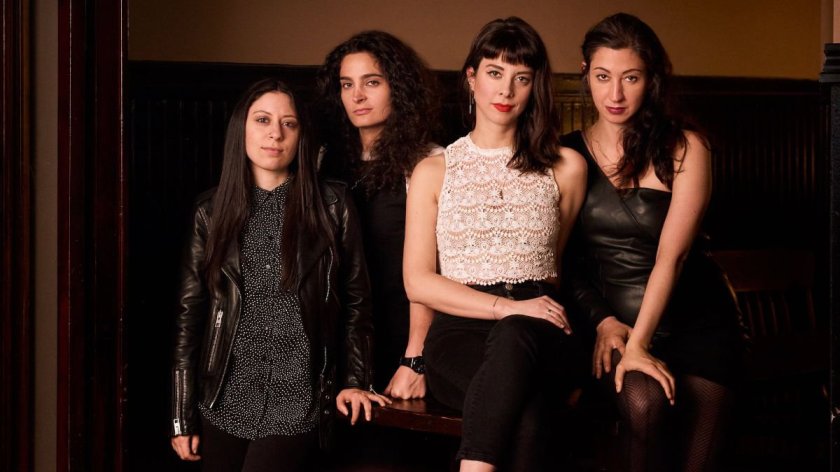
The Qualia really capture what it feels like to look good on the outside but falling apart on the inside on “Dress to Kill.” The first part of the song is cast in jangle-y guitar sounds and a borderline menacing cadence. But a little over halfway through the tone is more ethereal and melodic, the vocals more soaring as the subject of the song can’t contain the geyser of anxiety any longer, the pressure of keeping up appearances discarded completely. The touch of synth melody and echoing guitar is reminiscent of the simple but evocative way The The used to use similar elements to mix earnest instrumentals with the electronic. In the end the song addresses how maybe in our most exposed moments about which we should be most embarrassed might be the only times in life we’re fully free to be who we are even if others are repulsed by our reality and we end up isolated from “respectable” company. In the closing moments of the song it feels like The Qualia is saying it’s worth it for those moments of honesty and personal liberation from the manufactured constraints of hypocritical polite society. Listen to “Dress to Kill” on Soundcloud and follow The Qualia at the links below.

soundcloud.com/thequalia
open.spotify.com/artist/5J077J4BRkCAww4nEVPmti
youtube.com/thequaliany
thequalia.bandcamp.com
twitter.com/thequalia
facebook.com/thequalia
instagram.com/thequalia

In the Video for “Sorceress,” Desert Sharks Help Awaken People to Their Own Inner Mystical Punk Power

DesertSharks1
Desert Sharks, photo courtesy the artists

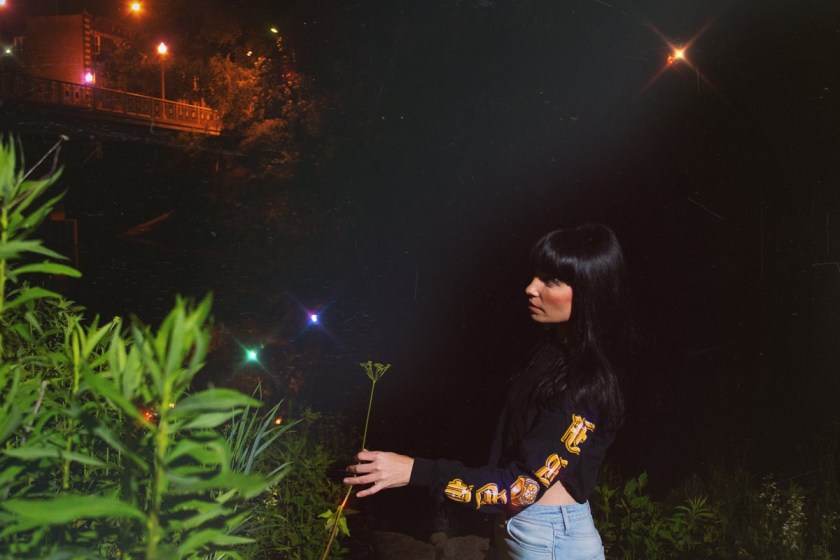
In the music video for “Sorceress,” the band Desert Sharks looks like a cool, Goth street gang with more than a passing familiarity with the occult. But the music is like a fuzzy, more garage rock Dum Dum Girls—the anthemic dynamics and tight vocal harmonies. The song is a celebration of recognizing and using one’s powers whether musical or personal in other ways with the symbol of the “sorceress” as the kind of magical, subconscious power we all wield in life if we choose to run toward and cultivate rather than away from the non-linear, dark side of our consciousness. In the video various people are “awakened” to their possibilities through a kind of magic touch and prematurely aged but in possession of supernatural powers. Maybe it wasn’t meant as anti-ageist but an interesting detail nevertheless as the newly old are brought under the spell and into the circle of the mystical punk rock gang. That this kind of message comes through the auspices of a song reminiscent of an ultra-catchy Ramones-esque surf punk song is a major bonus. Watch the video on YouTube and follow Desert Sharks at the links below.

desertsharks.bandcamp.com
twitter.com/Desert_Sharks
facebook.com/desertsharks
instagram.com/desertsharks

“Strange Bodies” is the Broodily Suggestive Chapter of a Dark Rock Opera Unfolding

ParliamentCat1_crop
Parliament Cat, photo courtesy the artist

In writing “Strange Bodies” for his solo project Parliament Cat, Douglas Guerra seems to have had in mind some kind of rock opera and we get a peek into some late chapter of the drama. The lead character, a kind of anti-hero is taking stock of the action up to now. “Where did you place your excitable ways?” is the opening line before going into a story of the pursuit of a one night stand. The lonely piano line and chilling synth washes imbue the narrative with a dark and creepy quality to match the chorus of “strange bodies” which sounds more like a strange rationalization than fact. Like the mantra of someone who thinks that being intimate with another human means you can really be strangers and that both parties will walk away without any lingering emotional connections. It’s that disconnect and the articulation thereof that gives the track an eerie quality beyond the brooding atmosphere. It makes you wonder what brought both people to this place like we’re seeing one slice of a multi-perspective movie and in fact only one aspect of the narrators life. Guerra says the song is “A dark ballad that illustrates a forbidden one night stand” so the lurid underbelly to the tale is established. And as a song that suggests much more to the story, it works on its own but makes you want to hear more. Listen to the song on YouTube and follow Parliament Cat at the links provided.

open.spotify.com/artist/0RNIO2vspk1iNxLi11mE8e
instagram.com/theparliamentcat

“The Fruit” by Toronto’s Jazz Funeral Tells a Dark Tale of Why We Desire What We Do

JazzFuneral4
Jazz Funeral, photo courtesy the artists

What you’re about to read shouldn’t make sense but listening to Jazz Funeral’s “The Fruit” brought to mind the video for Bonnie Tyler’s “Total Eclipse of the Heart.” The pacing, the visual mood of the video. Like an alternative soundtrack to the 80s pop classic. Except that Toronto’s Jazz Funeral, musically, is more like Floodland period The Sisters of Mercy, like “Colours” and “Neverland.” The brooding melody and distorted synths, the low bass drone, the flares of tone that linger and flicker away. But Jazz Funeral’s sonic character is a little brighter while the subject matter of the song hits at the more personal and mythological. Words of the narrator’s “body breaking all the time” and of “noises heard down the block” and of escape by necessity or inclination. With the lyrics “what’s it worth to you, you know you don’t really get to choose the fruit” one can take away many things in the context of the rest of the song but one interpretation is the critical pedagogy view of education in that we go through life thinking we know what we want and what we need but we’ve all been conditioned and often our desires are shaped by outside forces internalized and until we become aware of this fact and learn to deconstruct these seemingly instinctual sides of our personality for what they are we will never be in control of our own lives from base impulses of desire and our aspirations when our dreams and psyche have been colonized and warped to serve a purpose that might even be detrimental to us and has been driving our entire lives in ways we wouldn’t choose to if we were fully conscious of what’s been going on in our heads. Do we really want what we think we want and why do we want those things? “The Fruit” dares to question such a fundamental side of our personalities. The song can also be enjoyed as simply a powerful and engrossing neo-darkwave track about fractious relationships but its composition and lyrics suggest a depth, intellect and soul searching that is rare in popular music. The group recently released its new EP The Fruit. Listen to “The Fruit” on Soundcloud and follow Jazz Funeral at any of the links below.

jazz-funeral.bandcamp.com/releases
instagram.com/jazz.funeral

“Where We Live” is Born Days’ Ray of Light in the Fog of Personal Darkness

BornDays3_sm_crop
Born Days, photo courtesy the artist

“Where We Live” is the kind of song that is able to tap into the pleasure centers reached by both 80s inspired minimal synth and the retrofuturist pop of an Alice Glass. The multiple rhythms running throughout the song let each minimal layer shine and the vocals to resonate in all their melancholic glory. There is an iciness to the melody suggesting creative gestation through the winter months and fully manifesting the music as the days get longer but still in the grips of the mood that inspired the writing of the beautifully desolate arpeggios and the breathily introspective vocals that illuminate the dark hues of the song with a ray of hope. Look for the Where We Live EP out Oct 4 through Rain Heart Records.

soundcloud.com/borndays
borndays.bandcamp.com/album/be-true
twitter.com/borndaysmusic
facebook.com/borndaysmusic

Andalou-dog’s “Blinding Light” Suggests That as Powerful as the Negative Ghosts of History Past Can Be, Their Repeated Manifestation Today Isn’t Inevitable

Andalou-dog1_crop
Andalou-dog, image courtesy the artist

“Blinding Light” and its layers of processed piano sounds like the modeling of leaves falling from trees in the autumn wind. Apt for a song looking back on the past of the echos of voices long thought dead or in perpetual hibernation or whose energy was transformed into something more productive, beginning as it does with an electric insect buzz, introspective, minimal, melancholic piano and a reverted echo of a Mussolini speech. Though the winds of authoritarianism have blown throughout the world once again with leaders spouting that sort of rhetoric familiar to those who lived through the first half of the twentieth century Andalou-dog’s song beckons us not to succumb to those voices much more to the despair that comes with thinking they are more powerful than they are. The song suggests that as strong and seductive as the wave of emotion and intensity can be it can dissolve into nothing nearly as easily if we do not amplify the phenomenon and deprive it of support in the various ways we can because few things are inherently inevitable in the political and cultural sphere, all things being contingent on the context for them to manifest whether fascism or inspired art and social justice movements. Listen to “Blinding Light” on Soundcloud and follow Andalou-dog at the links below.

soundcloud.com/andalou-dog
open.spotify.com/artist/485ZPlo3NvLsQtGB5GWCFw
andalou-dog.bandcamp.com/releases
facebook.com/AndalouDogMusic

On “How Do You Sleep At Night” Phay Bridges Gives Voice to the Agony and Frustrations of Those Who’ve Kept Quiet About Abuse

PhayBridges1_sm
Phay Bridges, photo courtesy the artist

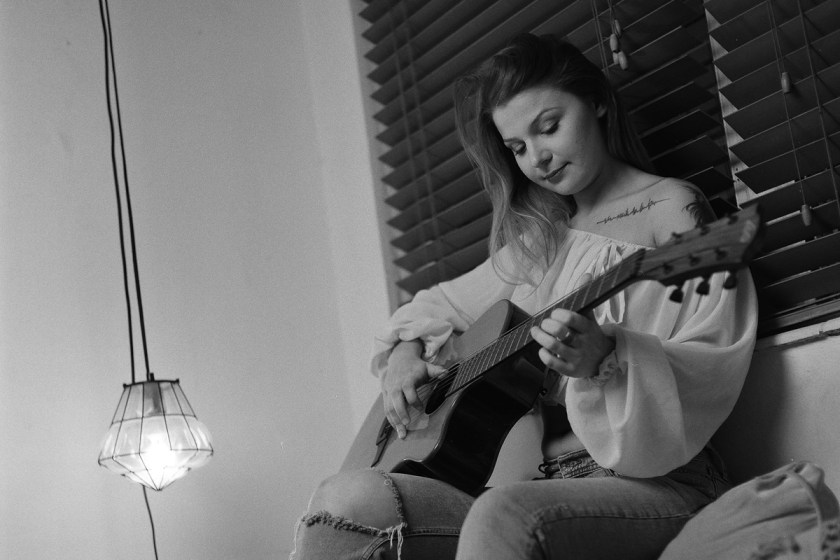
With a languid pace and a mix of smoldering, cathartic anger, Phay Bridges imbues her song “How Do You Sleep At Night” with the appropriate level of righteous indignation directed toward an abuser. Of course we’ve heard countless stories of these people like Harvey Weinstein and Jeffrey Epstein who used their wealth and power to abuse women and to cover up that abuse for decades. But in our own immediate lives we probably know a few people who on a far lesser scale power trip and abuse as a boost to their own fragile egos when they have a temporary place of minor power and influence over others whether in the workplace, in a community, in social circles, in a family or in a relationship of any kind that they use to peddle “favors” or take out some sadistic outlet on whoever they can. Bridges’ voice articulates the feelings most people swallow or bury to get through those times and coupled with the expressive, fiery guitar work it does so without malice but a call to conscience without letting the abuser off the hook. Look out for her debut full-length due out in fall 2019. Watch the lyric video on YouTube and follow Bridges at the links provided.

facebook.com/bridgett.mess
instagram.com/phaybridges