“Mont Crevelt 4am” by Flexagon is an Ambient Tone Poem Evoking the Sounds and Sights of the Early Morning Hours at the Harbor

Flexagon1_Crop
Flexagon, photo courtesy the artist

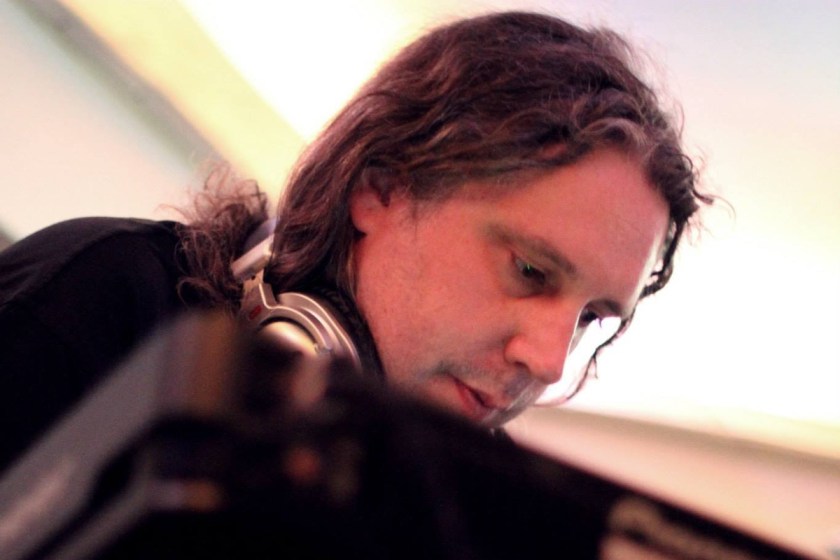
The baseline for Flexagon’s single “Mont Crevelt 4am,” as for the rest of the tracks of his upcoming album Nocturnes East due out January 24, 2020, is found sounds and field recordings done in the early morning at the time and place cited in the song title. Sometimes the sounds inspire the music, sometimes the music comes first and one of the recordings suggests itself in the pairing. The result is an ambient track with a powerful sense of place, of environment and of a mood that while intentional isn’t purely manufactured. “Mont Crevelt 4am” is named for the location on the southern side of the entrance to St Sampson’s Harbour in Guernsey, UK, one of the Channel Islands near France. It suggests dappled moonlight on the water with the delicate bell tones and drifts of fog with the lingering synth over sound of water lapping against the shore. In the distance you can hear men talking discussing who knows what at that hour. But it all combines to create a kind of tone poem in your mind that takes you to that place, for most of us, a place we’ve never been, which is one of the great powers of music and art generally. Listen to “Mont Crevelt 4am” on Soundcloud and follow Flexagon at the links provided.

flexagon-music.com
soundcloud.com/flexagon-music
flexagon.bandcamp.com
twitter.com/flexagonmusic
facebook.com/flexagonmusic
instagram.com/flexagonmusic

Fun Balloon Animals Create a Futuristic Home Invasion Horror Movie Soundtrack With its Frankenstein-inspired “The Death of William”

FunBalloonAnimals5_crop_sm
Fun Balloon Animals (The Narrator), photo courtesy the artists

Fun Balloon Animals took inspiration from Mary Shelley’s Frankenstein for the themes of its self-titled album (released on Halloween 2019, appropriately enough). The single “The Death of William” from about the middle of the album sounds like something from a near future home invasion movie scored by Sisters of Mercy minus the melodramatic vocals. Pounding drums like lightning while blossoming synth figures cast a dreamlike yet menacing quality upon the track. Musically it also sounds like the part of the book when the creature is hanging about and observing human behavior including the framing of Justine Moritz for the murder of Victor Von Frankenstein’s brother William leading up to asking his creator to craft a mate for him so that he needn’t feel all alone in the world. All the while Victor assumes the creature, which does later threaten to kill everyone he cares about if Frankenstein doesn’t create that mate, is responsible for his misfortunes. The air of heightened reality and impending tragedy courses through the song lending it multiple interpretations and applications in service of a narrative work. The record is a concept album and works well as a whole but “The Death of William” stands on its own with its cinematic aesthetic reminiscent also of Eurhythmics’ darkly moody score for 1984. Listen to the song on Soundcloud and follow Fun Balloon Animals at the links below.

twitter.com/Funballoonanim1
facebook.com/funballoonanimals

“Waiting to Happen” is Flood for the Famine’s Torch Song to a Dysfunctional Phase of Life

FloodForFamine2_sm
Flood for the Famine, photo courtesy the artist

Alex Lindner sounds like he’s singing into a huge, empty concert hall late at night on the Flood for the Famine single “Waiting to Happen,” the title track to the project’s debut EP. The music video begins with Lindner seeming to wake from a dream into another dream wherein he’s called on to perform with, alternately, the moon and a jazz lounge crowd as his audience. He reminisces about wandering down dark streets in a state of lovelorn/lovestruck confusion as he sings about hitting rock bottom and starting all over as if he’s well neigh familiar with this cycle in which he’s been, as the title of the song suggests, waiting to happen, waiting to not just live his dreams but to live a life as a human being that isn’t constantly holding himself back from full development as a person with self-sabotage. The dark, crystalline blue tones and the dusky lighting of the video perfectly matches the song’s reflective mood and blend of smoky torch song to a life to be left behind and luminous downtempo pop. Vocally, Lindner brings the right amount of grit to give the otherwise smooth song some earthbound character so that its emotional impact is concretized in the mind. Watch the music video on YouTube and follow Flood for the Famine at the links provided.

floodforthefamine.com
soundcloud.com/flood-for-the-famine
facebook.com/FloodfortheFamine
instagram.com/fftfmusic

EL LAGO’s “Citadel” is Like Waking Suddenly From a Dream Into a Disorienting World Full of Wonders

EL_LAGO_CItadel_cover1_crop
EL LAGO Pyramid cover (cropped)

The bendy guitar whorls of EL LAGO’s “Citadel” are an interesting contrast with the downtempo dynamic going on with the vocals and percussion. Shimmering tones mid-song evolve into an urgent melody that gives way to more soaring bends that rise and collapse into introspective melodies once again. It gives the song an electrified and disorienting quality like waking from a nap and getting your moorings when everything around you seems so significant but confusing while you get your footing coming so quickly out of dreaming and the hypnagogic state. Fans of early Medicine and My Bloody Valentine will appreciate the way the song paradoxically has a cutting quality that is simultaneously fluid and the unpredictable rhythms that are also oddly hypnotic. The single is part of the group’s new album Pyramid, which released on October 25 through Wallflower Records. The group recently performed at the LEVITATION festival in Austin with plans for a US tour in 2020. Listen to “Citadel” on Soundcloud and follow EL LAGO at the links below.

ellagoband.com
soundcloud.com/ellagoband
ellago.bandcamp.com
twitter.com/ellagoband
facebook.com/ellagoband

Carly Paradis Casts the Doubts and Insecurities of the Past to the Burn in the Bright Light of a Promising New Love on the Majestic “The Crushing Weight of History”

CarlyParadis1_lg
Carly Paradis, photo courtesy the artist

Carly Paradis sounds like she should be singing from a heavenly chariot on “The Crushing Weight Of History.” Joined on vocals by Jonas Bjerre of Danish alternative rock band Mew, the song is large, sustained chords and scintillating ambient tones, horns and strings accenting the majestic dynamics. The title suggests an elevated subject whether that’s the actual weight of history on the world scale or the weight of one’s own personal history coming in to cast a shadow of doubt and uncertainty in the face of something that seems promising and not wanting to jinx it by mulling over one’s mistakes and letting one’s past eclipse the good in your life. An epic, melodramatic love song with grace and grandeur is rare but with the help of Michael Stein of S U R V I V E and Doug Dare of Erased Tapes and other collaborators, that’s what Paradis has crafted here. The song is the lead track from Paradis’ third album Nothing is Something which was released this past Friday, November 29, 2019. Listen on Soundcloud and follow Paradis at the links provided.

www.carlyparadis.com
www.facebook.com/carlyparadiscomposer
twitter.com/carlyparadis
www.instagram.com/carlyparadis
soundcloud.com/carlyparadiscomposer

ZEDSU’s Blend of Folk, Trap and Indie Rock on “Love Liquor” Perfectly Captures the Poignancy of Knowing No Matter What You Do Someone is Going to Get Hurt

ZEDSU_LoveLiquor_cover_lg
ZEDSU, image courtesy the artist

ZEDSU’s single “Love Liquor” flows with an easy energy synergizing lush production and a melancholic guitar loop. The latter combining precision with an introspective tone. ZEDZU’s lyrics are a poetic meditation on the complications that can happen with love when a rival wants to take what is perceived as rejection as the pretext for violence. It’s as though the vocals are one side of a conversation in which the narrator tries to come to terms with such extreme feelings without saying they’re invalid. It’s a tricky point to discuss and ZEDSU offers no solutions except to hint at the foolishness of needing for there to be violence when that won’t get the aggrieved party what they want anyway. ZEDSU zeroes in on that tragedy, and thus the melancholic mood, of that conundrum in which many people have found themselves. It perfectly articulates the idea of escalated ambivalence not know what to do or what is the best thing to do in a situation where you must make a decision even when you know anything you do is going to hurt someone and the poignancy of that moment. Musically it hearkens to that 2002, self-titled Hymie’s Basement album on which Yoni Wolf and Andrew Broder combined psychedelic folk and hip-hop so effectively and creating a fascinating hybrid sound. ZEDSU brings together similar elements but with the production and the effect on the voice, there’s a hint of the more luminous end of modern pop as well and its own incorporation of sounds out of electronic dance music and trap. The song doesn’t hit you over the head with its originality in the beginning but by the end its perfect blend of styles and emotional colorings into its own sound is strikingly so.

soundcloud.com/zaire-nashon-farmer
twitter.com/daimyozedsu
instagram.com/daimyozedsu

Half Shadow’s Existential, Hypnagogic “Gravity” is But One Chapter in the Exploration of Cosmic Mysteries That is His Album Dream Weather Its Electric Song

HalfShadow2_lg
Half Shadow, photo by Corbin

The structure of Half Shadow’s “Gravity” is a fascinating thing to chart as the song seems to be made up of intersecting structures of rhythm following an intuitive path. Like with each iteration of lyrics is an iteration of thought, sketches really, with a new permutation of what has come before as Jesse Carsten ponders one of the central mysteries of our universe and how it might impact our everyday lives. He starts on the cosmic scale with “What if gravity turns out to be everything / They say the moon holds us where we are.” Then on to considering how the waves of gravity are “shaping us mysteriously” and how it has shaped the entire universe as well. It is one of the aspects of the universe that Stephen Hawking tangled with throughout his studies of cosmology and one whose nature is still not fully understood by science beyond its observable effects. The gentle, hypnotic acoustic guitar riffs of the song loop and reverberate as if serving as an analog to the often subtle effects of gravity. Fans of Karl Blau will appreciate how the song uses natural reverb and creative composition to create an analog mirror of a more electronic music aesthetic. Others may hear echoes of Sam Mickens’ adventurous rhythms and tones with The Dead Science. In the context of the rest of Half Shadow’s great 2019 album Dream Weather Its Electric Song “Gravity” is a step in a journey to understand the mysterious corners of the world that affect us and influence our lives and who we are from our physical form, the environment in which we navigate life and how it all influences our cognition. Carsten strives to find meaning in these mysteries of the natural world and the subconscious mind across the eleven songs of the record through deconstructing familiar songwriting styles and bring the logical mind into alternate pathways of operating. Listen to “Gravity” on Bandcamp (where you can also hear and download the whole album) and follow Half Shadow at the links below.

https://bandcamp.com/EmbeddedPlayer/album=4243228660/size=large/bgcol=ffffff/linkcol=0687f5/tracklist=false/artwork=small/track=3886790447/transparent=true/

hlfshdw.bandcamp.com
facebook.com/halfshadowband
instagram.com/half___shadow

Yune Takes a Deep Journey Within to Peace With Life’s Inherent Uncertainties Through the Polyrhythmic, Psychedelic “Ørkensangen”

Yune_Orgkensangen1_crop
Yune “Ørkensangen” cover (cropped)

Yune taps into a rich sonic palette on its single “Ørkensangen.” It sounds like loops of organic sounds IDM style mixed with subtle synth work, dub-like bass and luminous vocals. The name of the song translates to English from Danish as “The Desert Song” and its rhythms informed by Tuareg musical structures so its whole aesthetic has an expansive, dreamlike quality designed to allow the imagination to wander along with its interlinking patterns and outside the strictures of linear Western thought while preserving a sense of the familiar like memories of a dream just out of reach of the conscious mind. Fitting for a song about going within to search for answers when everything seems hopeless and perhaps pointless and coming out with a sense of being at peace with uncertainty about the future. Listen to “Ørkensangen” on Soundcloud, follow the Danish quintet at the links below and look for the debut Yune album in March 2020.

soundcloud.com/yune-music
facebook.com/yunemusic
instagram.com/yuneband

The Glitched Out Video for Philip Morgan Lewis’ Psych-Blues “Blowtorched Dreams” is a Reflection of a Warping, Fragmenting Culture

PhilipMorganLewis1_crop
Philip Morgan Lewis, photo courtesy the artist

The video for Philip Morgan Lewis’ “Blowtorched Dreams” (released on TX2 Records on 10/28/19) was filmed in Los Angeles and the black and white format with the video glitches seems like a good match for the song. It’s a kind of psychedelic blues track about a person who has hit bottom in a place where dreams are manufactured and to where many go in pursuit of unrealistic dreams. The warping and wefting guitar line traces that descent into the gutter once the dreams of stardom seem like a cruel joke, and abstracted to the larger world, how we were told all these myths about success through hard work, the presentation of so many realms of American culture and business as a meritocracy and how that sort of narrative plays out worldwide and how it seems everyone has realized it’s a complete and utter sham with some foolish holdouts thinking they’re going to be the exception. The distortion in the song represents that cognitive dissonance and the waking up to the nightmare but also the strand of hope in at least coming to these dark realizations because knowing the truth is the first step toward at least trying to have a better life. Watch the video on YouTube and follow Philip Morgan Lewis at the links provided.

philipmorganlewis.com
twitter.com/philmorganlewis
facebook.com/philipmorganlewis
instagram.com/philmorganlewis

“Machines” by Screen Time Has the Cool Vibe of a Non-Dystopian Time Travel Game Searching For the Artifacts of Electronic Mucic Culture in the 80s

ScreenTime_Machines2_crop
Screen Time, “Machines” cover (cropped)

You’re in an elevator in the first ever game designed for direct plugging into your brain and the luminous walls blink slowly with a new tone with each new floor. The game is one where you step out of the elevator into the 1980s except you’re not there to kill Sarah Connor before she gives birth to John Connor. You’re not there to see about preventing the U.S. crime rate rising by four hundred percent by 1988 in order to prevent the president in 1997 from having to play the tape from the cassette collection of a dead cab driver instead of a lecture on “nuclear fusion” to forestall a war between China, Russia and America. You are there to find the original sources of cultural artifacts and their contexts to bring back to a now near future and in doing so you navigate weird business meetings in Hollywood, dance clubs during the development of techno and early IDM, shows to learn techniques from pioneering hip-hop artists and hang with experimental filmmakers who aren’t being coached by focus groups in producing stories that resonate to this day. It’s a strange game but your companion, a mixture of modern production and lo-fi sounds, is Screen Time’s track “Machines.” Plenty of electronic music with a leg of inspiration in the 80s is dystopian in tone or curiously positivistic, “Machines” captures the vibe of a decade learning to incorporate technology into people’s lives in a way that serves them rather than the way things have apparently flipped in the 2010s. While likely not the root of this song, listening to it makes your brain flow in a different direction than usual and that’s a welcome quality these days in music. Listen to “Machines” on Soundcloud and follow Screen Time there as well.

soundcloud.com/screentime20