Louis Metric’s “Aloe Vera” is a Clever Dig at the Nihilistic Rat Race of the Modern 9-5

LouisMetric1_crop
Louis Metric “Aloe Vera” cover (cropped)

The story of Louis Metric’s “Aloe Vera” is probably one familiar to most people. Working for around ten dollars an hour at a dead end retail, restaurant or desk job, the kind that rewards talent equally and for hard work and excellence offered more work, uninspiring benefits at best and no advancement because only so many people can be promoted to middle management. Anyone that’s been there will tell you it’s one of the worst jobs in any company. So strive and make yourself valuable for what? Louis knows what’s up with that grind summed up nicely with the line, “Wearing a tag with my name don’t really bring me joy.” So he plots to get connected with a cougar with money to get more than a taste of the good life. The whimsical keyboard work in the beat signals the absurdity and surreal quality of the whole situation for everyone involved even as the lyrics describe a better life than selling one’s life on the cheap in the world under late capitalism. The song is reminiscent of early Anticon specifically Why?, with its energetic delivery and deft wordplay. The song is called “Aloe Vera” as in a treatment for burns? Burned by being offered low expectations as the be all end all of your life if you’re not already rich. Metric suggests we all have to do what we have to do until the world is better for everyone. Listen to “Aloe Vera” on Soundcloud and follow Metric at his website.

louismetric.com

Hail!Maggiedacat’s Enigmatic Single “Details” is a Document of Her Encounter With the Devil Before She Disappeared

HailMaggiedcat1_crop
Hail!Maggiedacat, photo courtesy the artist’s management and estate (cropped)

Hail!Maggiedacat is the name of a musician and producer who allegedly went missing on February 12, 2019. Though her music is said to be inspired by 80s horror movie soundtracks, her single “Details” sounds like a lo-fi mashup of ethereal guitar riffs sampled and overlaid with electronic flute and introspective vocals with which the artist sings a song about her first encounter with the devil before her disappearance. She goes over the things she could wish to be while looking for details in the offer made to her by Old Scratch and asks why she can’t be given what she wants and the devil can take what he needs. Without knowing the subject and the supposed backstory of her management and estate releasing her music posthumously, it’s a song that doesn’t give much away in terms of rooting it in a genre or cultural time frame outside of it likely had to be done after the early 1980s. The electronic percussion is simple and sounds like another sample placed in the mix alongside the subdued bass line. Though the song doesn’t feel incomplete or end abruptly there is an unfinished quality like when a filmmaker dies after somehow having made a final movie and done the editing but didn’t get around to the finishing touches. Listen to the enigmatic song on Soundcloud and follow Hail!Maggiedacat on the project’s Instagram account and watch the mini documentaries about the artist on the YouTube channel.

www.instagram.com/hail_maggiedacat
youtube.com/channel/UC6CDwP8OmDFrEYPwJ62qW7Q

Sal Dulu’s “Duluoz Dream” is a Hazy Collage of Emotions Set to Downtempo IDM Jazz

SalDulu_DuluozDream_cover_crop
Salu Dulu “Duluoz Dream” cover (cropped)

The Japanese dialogue as if from a movie heard from another room and the horn that brings you into “Duluoz Dream” by Sal Dulu suggests a sort of layers of memory. When the piano comes in and the voice calls out a name is it Jack? As in Jack Duluoz, the name Jack Kerouac gave himself as he wrote about himself in his book Visions of Cody? The sound of tape rewinding and playing back, piano chords echoing, IDM-esque percussion tapping out a beat that carries the time forward while the other elements occupy divergent frames of temporal reference. The late night, downtempo jazz aesthetic of the song blurs the line between the Kerouac references and Deckard’s “Unicorn Dream” from the director’s cut of Blade Runner. The song taps into how the mind can make those connections almost intuitively so that they may heighten the meaning of each while expressing a real moment contemplating a fond memory, a heightened and even fantastical reality preferable to the one you exist in now as your mind reflects to the past or projects into an alternate present or a future that may never be. It is an emotional collage crafted as a song. Listen to “Duluoz Dream” on Soundcloud and follow Sal Dulu at the links below.

soundcloud.com/user-727004974
facebook.com/saldulu

“Tired Love” is Rowe’s Soulful Ballad About Finally Letting One’s Outworn Past Attachments Fade From Your Psyche

Rowe1_crop
Rowe, photo courtesy the artist

The production on the Rowe song “Tired Love” begins with a slightly distant tonality like a sepia toned filter over a view into a music box or a snow globe containing all the bittersweet memories of one’s past. Becky Filip’s soulful vocal delivery too begins wistful but along with the song the vocal tone changes around the one minute thirty second mark into something more vivid and full as though shedding the past and coming to terms with how it impacts her now and revisiting those memories again before moving on. The textural beats and fuzzy synths is the sound of those past attachments dissolving. And as if to state that she’s already in the next phase of her life personally and creatively the chorus of “Now all I see is how I’m better off without you” leaves no question. The somber tone of the song suggests a weariness of going over the memories again and processing what it all meant but now being at the point of being tired enough to let those feelings go. Listen to “Tired Love” on Soundcloud and follow Rowe at the links provided.

soundcloud.com/roweofficial
twitter.com/rowesings
instagram.com/beckybird

Mora Mothaus Creates a Genre Bursting Reflection of Inner Life on “Memori”

MoraMothaus2_sm
Mora Mothaus, photo courtesy the artist

“Memori” by Mora Mothaus sounds like the imagery reflected off a shiny surface of a world outside a nearby window on a cloudy day. At points the melancholic tones are bright and distinct, at others there is a tiny bit of warping and obscuring and blending of details. The fragile guitar shimmer, the synth wash and the vocals both the most coherent and focused presence in the song and one that seemingly effortlessly passes into the abstract drones mid-track before coming back in out of the flood of sound like a cherished memory emerging through the crowd of thoughts of present concerns. It is the sound of one’s inner life projected onto a funhouse mirror. Fans of Like A Villain and Grouper will appreciate how Mothaus is operating beyond genre and using her various musical tools to craft an emotional experience informed by aesthetics beyond songwriting. Listen to “Memori” and follow Mothaus at the links below where you can listen to the rest of her new EP Overture to a Dream.

mmothaus.wixsite.com/moramothaus
moramothaus.bandcamp.com
open.spotify.com/artist/6WfC2fzu5xzRdnsG9Nq7uv
twitter.com/MoraMothaus
facebook.com/MoraMothaus
instagram.com/stories/moramothaus

Conrad Clifton’s Remix of POLARSEN’s “How” is a High Contrast Enhancement of the Song’s Textures and Immediacy

POLARSEN1_sm
POLARSEN, image courtesy the artist

Conrad Clifton brings to his remix of POLARSEN’s “How” an ear more for the textural possibilities of the song. The original is more contemplative and ambient. Clifton maintains the dream like sensibility but one where the feelings and the tactile quality of the sound is more in the foreground than a background in which to get lost. With Clifton’s treatment the dream feels more present and vivid and urgent. It takes the abstraction of the tonality of the original and gives a kind of high contrast aesthetic and one that engages your feelings directly rather coax you into that moment. Both the original and the remix combine modern hip-hop production with IDM showcasing the inherent expressive versatility of the genre blending. Listen to Clifton’s remix of “How” on Soundcloud and follow POLARSEN at the links provided.

residentadvisor.net/dj/paulursin
soundcloud.com/p-ursin
facebook.com/paulursin
instagram.com/paul_ursin

Behold Bad Flamingo’s Slinky, Psychedelic Spaghetti Western Song “The House Is on Fire”

BadFlamingo2_crop
Bad Flamingo, photo courtesy the artists

“The House Is on Fire” by Bad Flamingo sounds like something that will be in the inevitable Jim Jarmusch haunted rural town where a secret society of dentists that practice mummification in their “health cult” undergoes a power struggle for the leadership of the group that changes its membership and mission forever. Just plug “dentist mummy cult” into a search engine and have at it. But this song, slinky, spaghetti western psychedelia, downtempo and sensual would fit a montage when the whole thing goes upside down and the final conflict is afoot. Simple guitar accents, soothing vocals and spooky bell tone and synths conspire to give the song a feeling like something out of 60s garage rock and Peggy Lee’s weirder songs. Listen to “The House Is on Fire” on Soundcloud and follow Bad Flamingo at the links below.

badflamingomusic.com
facebook.com/badflamingomusic
instagram.com/badflamingomusic

DefByMisadventure’s “rabbit” Captures the Oddly Tranquil Beauty of a Moment of Great Terror in Slow Motion

DefByMisadventure2
DefByMisadventure, image courtesy the artist (cropped)

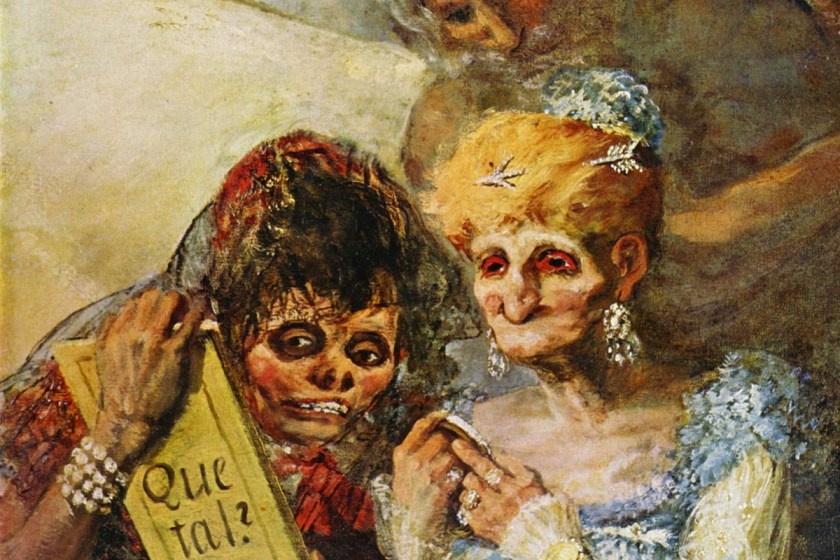
There is an elegance of style in DefByMisadventure’s “rabbit.” The project’s preferred image is a Goya and the cosmic/existential/spiritual terror that may imply. And the image for the song itself is of the titular rabbit escaping the jaws of a greyhound by a pace. The implied tension in that creative background is perhaps reflected in how the song, though downtempo and essentially chill, brings together textural beats and organic string sounds accented by pounding bass reminiscent of an MPC. And the sonic forces are balanced, none dominating over the other, giving the song a taught yet fluid quality. The guitar/string sounds and background synth work give the mood an uplifting sonic architecture while the rest grounds it to an irresistible groove. If it has indeed been assembled by samples backed with drum machines and electronic bass, it is in the vein of DJ Shadow in that it sounds like samples recontextualized and used as a compositional element to make something fresh and original. The track implies the visual grace of movement captured in slow motion as though the image of that rabbit and the hound slowed down shows us some of the beauty of what is spurred on by the instincts of a carnivore toward its prey and how that prey’s own instincts and abilities gives it a hope of escaping death. The beauty of that interplay outside the context of having to be there is almost undeniable. A metaphor for entirely too much of life. Listen to “rabbit” on Soundcloud.

“Black Truck” by Q-bizm has the Swagger and Cool of a Song Opening a Guy Ritchie Film

Q-bizm1_sm
Q-bizm, photo courtesy the artists

Q-bizm’s “Black Truck” sounds like something that should launch the opening scene of a Guy Ritchie movie. It sounds like some hybrid of futuristic funk and Madchester cool. The song established a momentum and groove with a heady mood. The fluid bass line ripples up and down the scale as guitar accents stretched at times by wah and free-jazz style sax takes the song into outer space. One can imagine some plot afoot carried about by charming scoundrels who are confident in the efficacy of their plans looking like they consulted with style coaches before meeting up to discuss the details. This music is the montage to their individual days leading up to that momentous occasion. Listen to “Black Truck” on Soundcloud and follow Q-bizm at the links provided.

qbizm.net
facebook.com/pg/qbizmmusic
instagram.com/qbizmmusic

People Person’s “Bound” is the Sound of Someone on the Verge of Their Personal Breakthrough

PeoplePerson_LookOutsideWatchClosely_cover_crop
People Person Look Outside, Watch Closely cover (cropped)

“Bound,” the debut single from People Person sounds like it was conceived on a long walk on a sunny yet cold winter day in the middle of January. The chorus of “I’m ready” sounds like the mantra of a person who has been endlessly preparing for a big personal feat. The Bjork-esque vocals, the spare, ethereal guitar work, the low key but very present bass and the pull and push dynamic is reminiscent of early 2000s dream pop group Denali. The song’s dynamic has a great and subtle momentum like a slow moving river. But the vibe of the song, as mentioned before, is of someone who has spent long enough incubating her own life and ideas and is ready to unfurl them now. The whole song feels like a long build up to something without feeling incomplete. In the context of the whole 2019 People Person album Look Outside, Watch Closely (which was released on November 1, 2019) it is the second step of a grand journey of self discovery that challenges notions of constant progression that stand at the core of the American psyche but stands well on its own. Listen to and watch the video for “Bound” on YouTube and follow People Person at the links below.

peoplepersonca.bandcamp.com
instagram.com/peoplepersonca
open.spotify.com/artist/7iyh9UD70SUjrLRBpugcB0