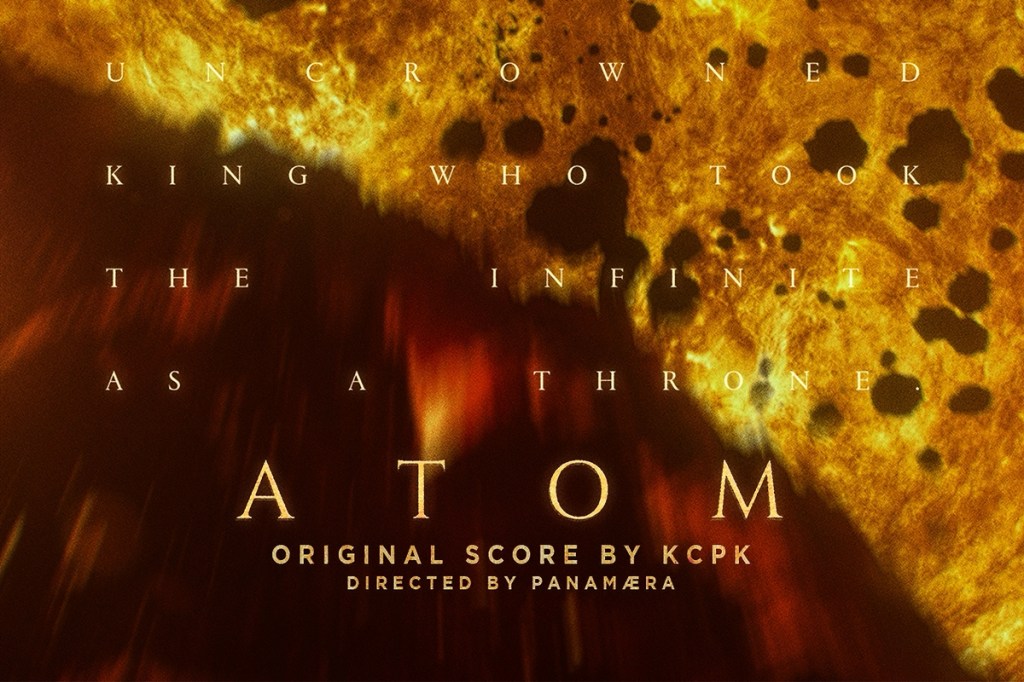
KCPK’s short film for the song “ATOM,” as directed and produced by PANAMÆRA is a dystopian science fiction epic in its own right. The medium pace with the layers of dusky tone, narrowly accented beats, textural melodies and a sense of impending catharsis pairs well with the visions we see of a future where the human race is facing the destruction of the world and transcendence in the wake of a super nova that opens a portal to another universe or another part of the galaxy for the few that survived the conflict implied with the oranges and burnished reds of the color palette coupled with blackened imagery and a sense of the world as we knew it having been scorched by warfare and climate disaster. Visually reminiscent of a Luc Besson film or The Road (2009) the sounds seem to contrast with the imagery in its deep house soundscapes yet pairs well with the pacing and sense of the epic and a transformational climax. Watch the video for “ATOM” on YouTube and follow KCPK at the links below.
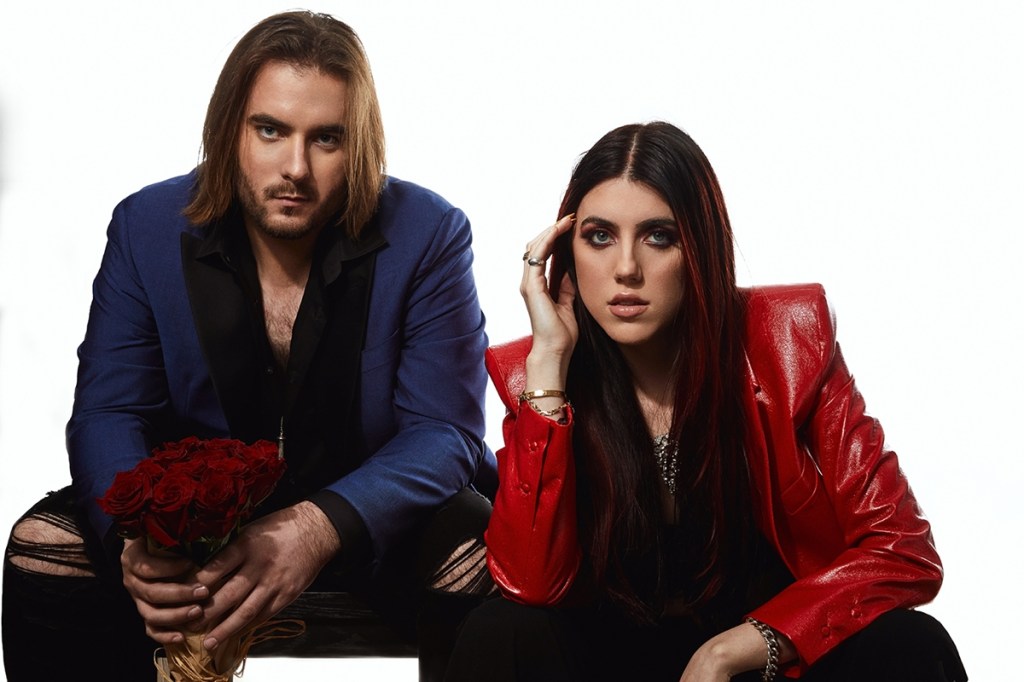
The slowly increased volume that introduces us to Alexandra John’s “Demons” works well in the context of the music video for the song. The way the song adds and removes layers to give it an emotional dynamic like an intensity of feeling and a moment of clarity as reflected in the lyrics about someone struggling with inner demons and maybe someone who is trying to push push our narrator further into the dark side she’s trying to push beyond. The lush synth melodies driven by lightly distorted electronic bass and minimal percussion bring to the song a touch of classic early chillwave but with a cinematic feel that is more akin to a more upbeat side of Electric Youth. The music video directed and edited by Jake Hays with cinematography by David Gordon has a beautifully dark horror movie aesthetic that fans of Boy Harsher’s treatments on TheRunner or Anthony Scott Burns’ visual moods on Come True will appreciate as those films are a fine modern examples of the fusions of music and cinema that don’t shy away from extensive use of visual as well as thematic darkness. Watch the video for “Demons” on YouTube and follow twins Liza Cain and Weston Cain as Alexandra John at the links below.
Erika Wester builds the soundscape of “Wanted To Be Like You” beginning with a spare acoustic guitar riff and minimal keyboard and percussion. Her hushed and expressive vocals describe a relationship that seems dysfunctional on multiple levels and the progression of the song gives the impression of Wester navigating troubled emotional waters which is an image she employs as a symbol of infatuation and being in sync with someone, or feeling like you are, until you realize that you’re not of a similar mind about the relationship and that one person might be emotionally in a place where they can’t be present with you and you can’t always be the person to pull them out of a bad place all the time. The lines “Wanted to be like you/Till I watched you drown” in the chorus and later in the song “Did you date me/And think there’s be no doubt?/Ain’t it lovely/Until the truth comes out” doesn’t spell out explicitly but makes clear something many people realize at some point in a relationship that’s bad for them and that’s that some people, and most people at some point in their lives and perhaps often enough at the beginning of the relationship, don’t want to be with a real person with a history and flaws and misunderstandings and, well, needs, normal human emotional needs. Without saying so word for word Webster has written a song about someone who has moved on and developed as a person who knows herself and other people better and recognizes that she deserves better than someone who won’t grow and has no seeming emotional incentive to do so but that she doesn’t have to be the one to help facilitate that change. Sure, it’s a pop song with an element of the ethereal running through it but the instrumentation becomes more lush as the song progresses to its inevitable conclusion like the work of art mirrors the psychological growth suggested in the lyrics. Listen to “Wanted To Be Like You” on Spotify and follow Wester at the links provided.
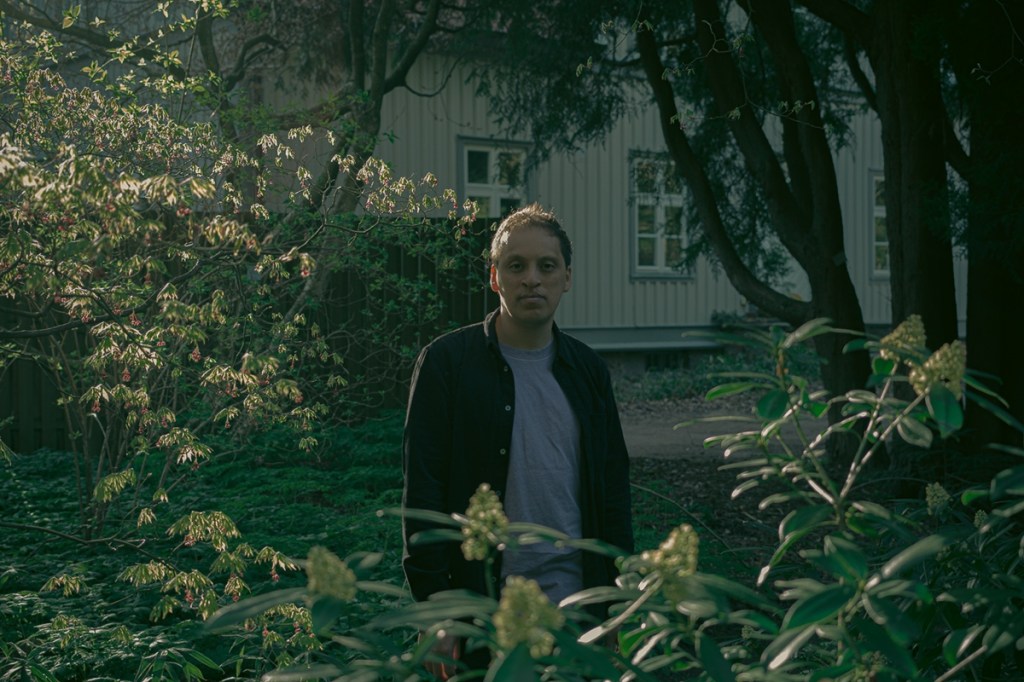
Tobias Karlehag’s “ORQUIDEA” progresses from hazy white noise background to bell tones struck and textural sounds of physical objects used to create the incandescent melodies to a place where the sound waves create a natural distortion on the recording. It grounds a reflective mood with a tangible presence of sound that conveys an organic tranquility that expands beyond the initial tonality as the bell sounds resonate out to create what sound like interference patterns droning onward and decaying into the distance as though approximating an abstraction of the dynamic of the flowers invoked in the title (orchids) as it opens up with its first bloom. It’s sounds like a meditation on delicate and often unseen natural processes that can seem mystical in real time and symbolic of the cycles of the universe. Listen to “ORQUIDEA” on Spotify and follow Tobias Karlehag at the links below.
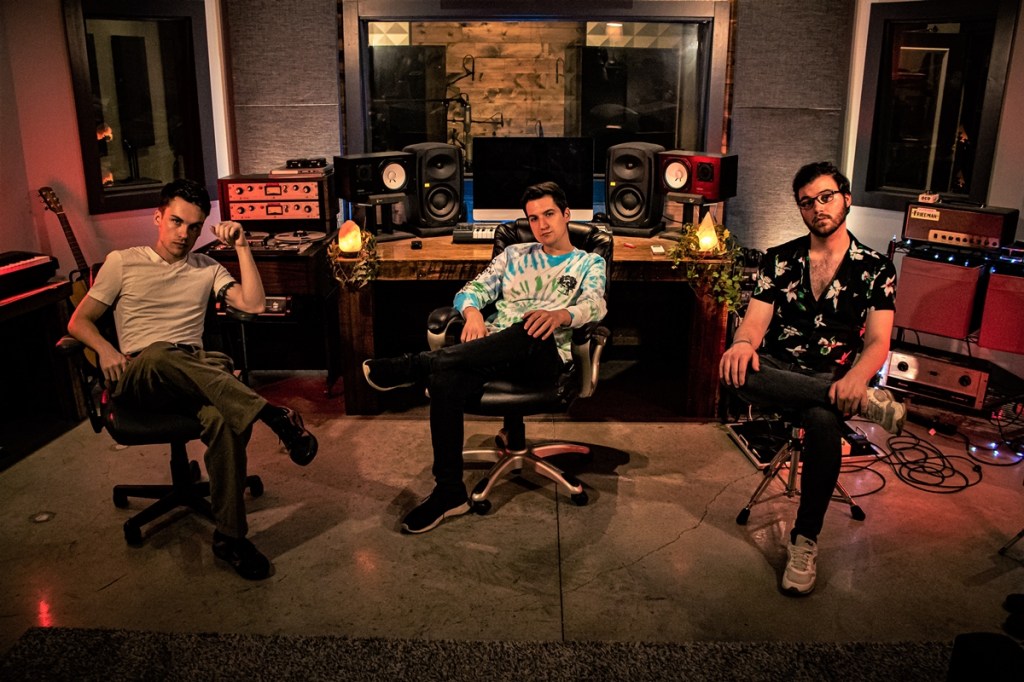
The gentle psychedelia of “Pocket Theory” by Springworks has a refreshing energy that has the quality of feeling like waking up from a good sleep. The effervescent tones like several tiny belltones twinkling in the mix and the production on the song with an ever expansive dynamic is reminiscent of Thomas Newman’s music for Real Genius and his older brother David Newman’s score for Heathers. Which is to say it’s cinematic and conveys a tangible sense of place and projects a mood that can suit whatever visual environment to which it’s put. In the case of the video for the song it’s a collage of old science videos and psychedelic images like content pulled from a box of VHS tapes found at a thrift store and repurposed to breathe new life into its potential meaning and significance when combined with “Pocket Theory” and its Madchester-esque good vibes and seemingly endless uplift until the song fades out into a tranquil drone over sampled industrial video speech. Watch the video for “Pocket Theory” on YouTube and connect with Springworks at the links below.
September Stories employ a spoken word element for the lyrics to “I’VE BEEN THINKING ABOUT DYING TOO MUCH” while the music itself is stark to match the intense and unadorned vocals. The lyrics repeat and in the second iteration the drums come crashing in and the vocals raise in an amplified sense of desperation uttering words of abject alienation and the realization of being doomed by one’s own psychology and feeling trapped by a hopelessness so deep it turns into a self-reinforcing cycle of emotional self-sabotage that feels with great certainty inescapable. Though very different sonically fans of Big Black, Slint and OXBOW will appreciate the bleak imagery and poetic evocation of confronting one’s own worst enemy within one’s own mind. Listen to “I’VE BEEN THINKING ABOUT DYING TOO MUCH” on YouTube and check out the rest of the new September Stories EP I STAND IN AWE OF THE GREAT UNKNOWN on one of the streaming services below and follow the group at the links provided.
“Eveningside Decks” opens Warning Light’s latest album Inner Spaces with a an air of mystery and trepidation. Imagine walking home alone in the twilight and you take a trip down an unfamiliar street with houses of unusual shapes with doorways opening directly onto the sidewalk and you see one open with a flickering light illuminating a darkened alcove because it’s near the end of fall. Your curiosity gets the better of you and you look inside and find an empty living room with no windows and a television screen tuned to, unusual these days, to the static of a channel off broadcast. Then a figure comes on the screen and welcomes you to sit and you do and you are invited by this stranger to help with a mission of great importance and great reward if you so choose to come on board for what promises to be the adventure of a lifetime but one that has to remain hush hush. The distorted synth drones and hovering tones set to a meditative, accented beat suggests the air of futuristic film noir with the vibe of Tangerine Dream’s 1980’s soundtracks, like music for a film inspired both by Murakami and Ridley Scott. Listen to “Eveningside Decks” on Soundcloud and give a listen to the rest of Inner Spaces on Bandcamp.
“Things Fall Apart” starts off by placing the song in a mood of mysterious nostalgia with the rising and warping tone like something from a latter day soundtracking of a silent movie. When Alyssa Midcalf’s vocals come in it’s like something from the edge of daydreams as they seem to be lit up from within amidst the luminous fog of the layers of synth melody and the wash of melodic drones. It feels very orchestrated and given the title and some of the enigmatic lyrics it has the effect of bandaging oneself from a traumatic and overwhelming experience that leaves you on or over the edge of emotional collapse without much relief so your mind creates the kind of music that feels like gauze on the psyche as a comfortable shield that allows for the processing of the pain and to heal as best you can when depending on the specific experience maybe you feel like you never can. The song sounds like it’s about the loss of an important person in one’s life and the complicated and messy feelings that can come about from something so final. Maybe you put some distance from yourself and those feelings within yourself, maybe some dissociation as a method of coping through the act of creation and to make things that remind one of better times emotionally the way sound can tap into the nostalgia centers of your mind and redirect the crushing and poignantly painful feelings that won’t go away, the memories that can haunt you for a lifetime. Midcalf seems to have used her most recent album Incubator as a vehicle for restarting her life through creativity while honoring her experiences and maybe that can be a helpful thing to hear for anyone that has been through a rough patch. “Things Fall Apart” certain exemplifies the project. Listen that song on YouTube and follow Primer at the links below where you can explore the rest of Incubator on Bandcamp.
Shady Baby turns confusion and melancholia to a joyful burst of nervous energy and despair channeled directly into catharsis on its single “Come to Life.” The music has that kind of driving, angular, urgent quality akin to some of the more upbeat tracks from The Dandy Warhols’ 2000 album Thirteen Tales from Urban Bohemia. Rosettes of guitar riff pausing before charging forward. Early in the song we hear about some of those half-measure attempts to stave off appearing human and denying one’s vulnerabilities without being aware that some of the aspects of our personalities suppressed are normal and that having normal feelings and being able to get hurt are not weaknesses unless you’re really dedicated to that premise as conditioned by society. Also to perhaps see that aspect of one’s psyche as a personal villain threatening to everything you hold dear. But the chorus of “I feel it coming, it’s the darkness I’ve been fighting come to life” points out how this nightmare of psychological reconciliation with one’s shadow side can feel like a welcoming and thrilling experience when you stop trying to resist your feelings and instincts and that welcoming them into a whole personality isn’t that scary and in fact expands how much of life you can experience and yes feel that the stoic block of conventional society, Western and non-Western, makes impossible until you ignore the repression and come into your full powers as a human. Listen to “Shady Baby” on Spotify.
ENPHIN’s new album End Cut came out on Pelagic Records in June and it is a fine representation of the Finnish band’s cinematic, psychedelic doom. The single “Communion” flows with menacing synth washes and processional percussion giving a ritualistic cast especially in the sections where a voice echoes in distorted ripples like an announcer giving direction to an assembled crowd gathering to depart the earth to mysterious destinations in other parts of the universe. Something about music taps into the same, complex emotional and sonic realms as Orbit Service or Dead Voices On Air with that dark form of deeply atmospheric psychedelia that delves deep into the lost recesses of the psyche for inspiration. Listen to “Communion” on YouTube and follow ENPHIN at the links below.








You must be logged in to post a comment.