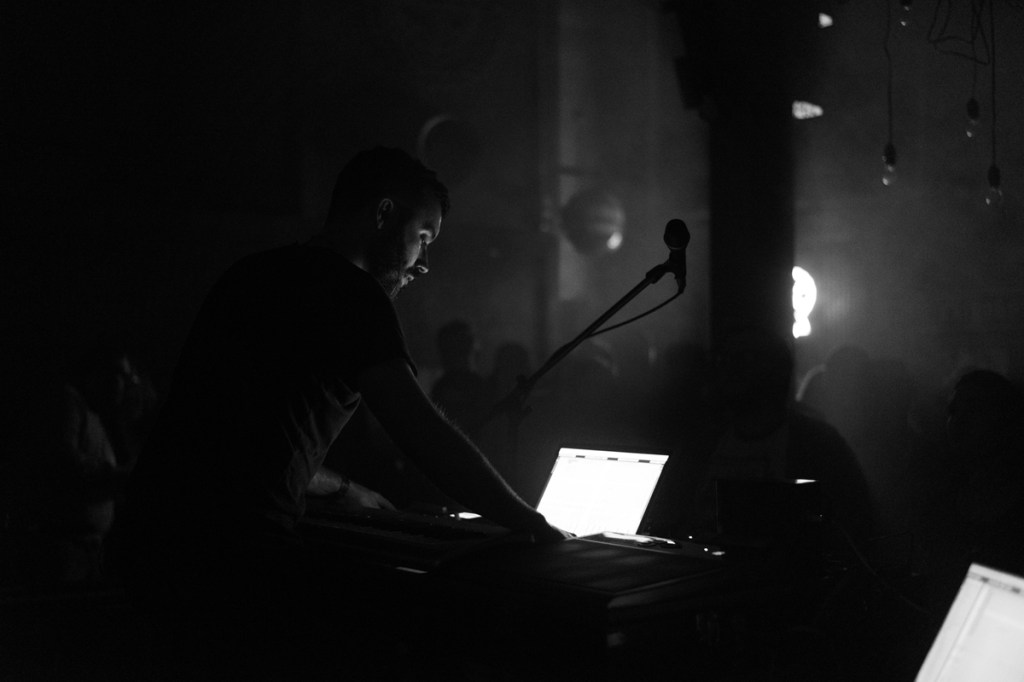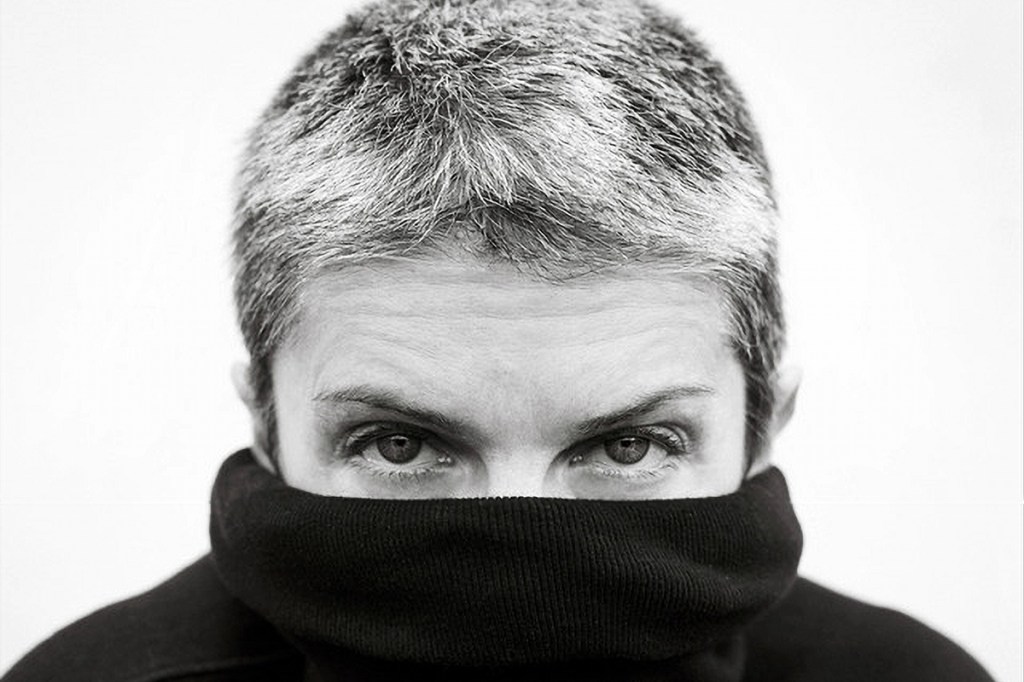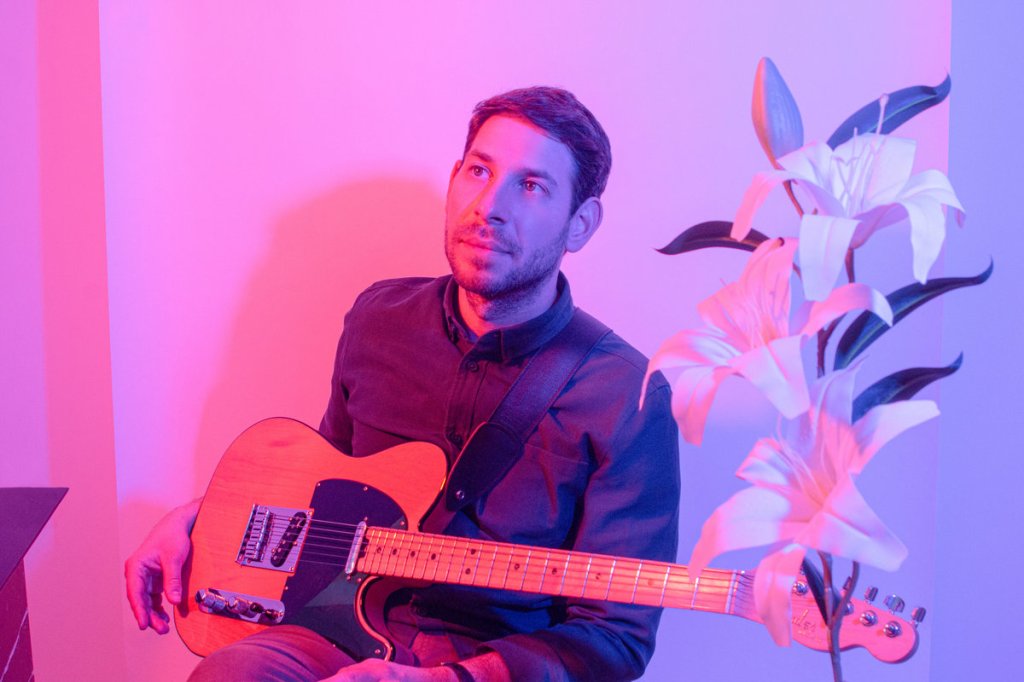
Nikitaa Erodes the Illusion of Patriarchal Authority on Downtempo Pop Song “Bad Trip”

Nikitaa, photo courtesy the artist

Indian experimental pop artist Nikitaa refers to her music as “Goddess Pop” in reference to her imbuing her songwriting with the intention of reminding listeners of the feminine within and without everyone as a path to uplift and empower. For her single “Bad Trip” the songwriter uses the image of coming off a bad trip as vehicle for putting one’s place in relation with others in the proper context and that thinking otherwise is a temporary frame of mind. In the song she sings about a man who thinks he’s a god on his own kind of ego and power trip needing others to be on a lower tier of existence socially and in other ways in order to feel his sense of power and dignity when it’s an illusion that depends on the recognition of such from other people and has no meaning outside of that cultural construct. The music is an elevated kind of downtempo with shimmering, ghostly melodies and strong beats and textural percussion with a tonal palette that unites more traditional Indian music structures and mainstream Western pop for a fascinating amalgam of atmospheric and dynamic elements. Listen to “Bad Trip” on Spotify and follow Nikitaa at the links below.

Nikitaa on Instagram

Nikitaa on YouTube

LI:EVE’s Mysterious Video for “White Secrets” is Like a Visit to a Friend’s Fantastical Realm of Dreams

LI: EVE’s single “White Secrets” finds its embodiment in a beautifully enigmatic music video. A figure whose head seems comprised of an array of flowers can be seen frolicking in a park including on the playground in the early morning mist and throughout the day into the dusk carrying a lantern like Diogenes looking for one honest man in Athens. Throughout the song the sound of an electronic cold wind blowing is interesting as the sound that supposedly accompanies portals between dimensions. Or at the very least the transition between consciousness and the unconscious mind. The vocals begin with vocoder and flow into a more accented cadence and a human melodies rather than the more cybernetic. Bending and resonating, lingering guitar traces the outer edges of the melody like a luminous, sonic nimbus that frames the song with bleeding edges of tone. It’s reminiscent of something Boards of Canada might do if it discarded some of its inspired, library-music-esque dreamscaping but maintaining that unusual structure, instead employing a more psychedelic rock sound palette. Whatever the roots of this music might be and the intent it conveys a sense of the otherworldly with a rare poetic elegance and the more you listen to the song the more fascinating details emerge. Watch the video for “White Secrets” no YouTube and follow LI-EVE at the links below.

LI:EVE on Instagram

Etienne Machine’s “Anthracite” is a Genre Eclectic Downtempo Dream Pop Evocation of Contemplation and Yearning

Etienne Machine, photo courtesy the artists

Swiss art pop band Etienne Machine brings to bear an eclectic palette of sounds for its recent Over & Out EP as perhaps best exemplified by closing track “Anthracite.” The lyrics are in French (whereas the lyrics for the other three songs of the release are en Anglais) which if you’re not a French speaker really doesn’t get in the way of the mood evoked and the essential appeal of the song. There is a sensual and melancholic mood to the piece with a rhythm that keeps up a steady momentum that lends the song a continuous sense of forward movement. Justine Tornay’s vocals strike an emotional timbre suggestive of regretful contemplation and yearning. The layers of ethereal guitar, spare synth washes and accents and tastefully textured percussion and liquid, pace setting bass lines give the song an unmistakable allure but of an elusive genre designation as one hears stylistic elements taken from post-punk, dream pop, downtempo and art rock circa Radiohead but without being trapped by the being defined by any of those aesthetics. Listen to “Anthracite” on Spotify and follow Etienne Machine at the links provided.

Etienne Machine on Facebook

Etienne Machine on Instagram

Etienne Machine on Apple Music

Ryuichi Sakamoto and Illia Bondarenko Combine Violin and Piano for “Piece for Illia” as an Expression of Fragile Hope and Resistance in the Ongoing Crisis in Ukraine

Ryuichi Sakamoto, photo courtesy the artist

Legendary composer Ryuichi Sakamoto sent files back and forth with Ukrainian violnist Illia Bondarenko to produce the song called “Piece for Illia” for the benefit compilation For Ukraine (Volume 2) to help raise funds to support displaced people affected by the crisis in Ukraine ongoing. The composition features a mournful violin prominently carrying the melody as background synths establish a sonic canvas upon which the strings and a spare piano part sketch and embody the sense of loss and hope against hope Bondarenko has helped to evoke in uniting musicians from a bomb shelter in Ukraine. For the project overall Bondarenko has worked not just with local musicians but violinists from around the world and from twenty-nine countries as a display of solidarity and the way music and the arts can provide expressions of resistance and fortitude in a time of struggle. Listen to “Piece for Illia” on Soundcloud and follow Sakamoto on Spotify, both linked below. You can purchase a download of the benefit compilation on Bandcamp also linked below.

Metavari’s Video for the Re-Imagined “Kings Die Like Other Men (Rediscovery)” is a Subversion of Heroic Myth of the Wealthy and Powerful

Metavari, photo courtesy the artist

Nate Utesch is a musician/composer and visual artist known for his albums covers for Phoebe Bridgers and Weezer. With his long-running electronic/post-rock project Metavari he recently reimagined the project’s 2009 debut full length album Be One of Us and Hear No Noise as Soft Continuum (due out June 10, 2022 via Joyful Noise Recordings) dedicated to the life and memory of founding member and bassist Ty Brinnerman (1981-2020). The single “Kings Die Like Other Men (Rediscovery)” was recently released with a music video depicting medieval knights in battle like something out of an updated John Boorman film. Unlike the usual historical drama this movie ends abruptly with the death of the leader and with a slight rewind back to the action. This version of the song, the opening track of the 2009 album, is all electronic and moody, giving an air of triumph cut short with an outro of melancholic acceptance like the end credits of Excalibur but with a soundtrack like something right out of the library music tradition—surreal and cut out of immediate and obvious cultural references crafted to be more universal in appeal long term. After all kings do die like other men and most often in a less than exalted and glorious a fashion than culture and myth would like to convey for posterity. And rather than some lengthy work extolling the fabricated virtues of the nobility this song is about a third as long as the original. Watch the video for “Kings Die Like Other Men (Rediscovery)” on YouTube and follow Metavari at the links provided.

Metavari on Facebook

Metavari on Instagram

Metavari on Wikipedia

Kai Tak Purges the Regret of Living Impulsively on Downtempo Shoegaze Track “Tung Chung”

Kai Tak, photo courtesy the artists

Those familiar with Chris King’s post-punk band Cold Showers will appreciate his solo project Kai Tak and the single “Tung Chung.” The track features the vocals of Chelsey Holland aka Chelsey Boy whose vivid style is reminiscent of Toni Halliday of Curve, equal parts soulful and emotionally direct. King’s ethereal guitar has an urgency in its emotional swirl, the electronic drums accent the beat well rather than drive the song and the wash of synths and samples brings a strong sense of place like you’re hearing the song steeped in thoughts of regret—of bridges burned in life, of a relationship on the rocks due to being driven too much by ego and unchecked emotions and letting oneself hit a low place in the psyche. But inside that there is a sense of a willingness to be patient and to act with integrity rather than guided by the foolish impulsiveness of the past. The music King has been putting out under the moniker of Kai Tak is not so far removed from that of Cold Showers but more infused with synth pop and shoegaze sensibilities and fans of Tamaryn and the more downtempo end of Blushing will appreciate what King has to offer here. Listen to “Tung Chung” on Spotify and follow Kai Tak at the links below.

Kai Tak on Instagram

“Your Eyes or Something Like Them” is Tacono Gate’s Love Song for Someone That Makes You Forget the Tedium of Everyday Life

Tacono Gate’s song “Your Eyes or Something Like Them” sounds like a reinvention of an 80s synth pop song rendered in a glorious lo-fi aesthetic. But the opening guitar riff echoing ever so slightly sets the stage for what is a strange journey from a melancholic and almost morbid indie rock vibe into a song like a Silver Jews song gone Goth. The processing on the vocals later in the song gives them an alien quality that pairs well with the introduction of dreamlike synths hovering back and forth in a simple progression like something cribbed from a Molly Nilsson song as interpreted by John Maus but repurposed for this bizarrely romantic song of longing for someone dearly missed in that moment. And who can’t relate to the sentiments about going through one’s everyday routines and and thing “every song sounded the same” and “all the people look so strange to me” because they can’t compare to someone who you know gets it or at the very least is interesting enough to set themselves so much apart of the run of the mill mundane experience that don’t hold your attention. If this is a love song it’s at least one that is unabashedly eccentric and tonally and dynamically colors outside the usual songwriting lines without crossing over into outsider territory. Listen to “Your Eyes or Something Like Them” on Spotify and follow Tacono Gate at the links below.

Tacono Gate on Instagram

A.J. Lambert Takes the Night Highway to the Land of Better Dreams on “Staff of the Flag”

A.J. Lambert, photo courtesy the artist

Prepare for a figurative and somewhat literal ride with A.J. Lambert’s single “Staff of the Flag” from her forthcoming album Dirt Soda (due out July 2022). The music video helps to give this strange and unconventionally psychedelic music some context. We see flowers blooming in full color in the dark and then the view shifts to a seemingly endless, dark highway lit only be the headlights of the car in which you find yourself as the viewer. It seems like a lot of metaphor is packed into this song and its presentation or at least you can project plenty if you’re so inclined. Musically the song is reminiscent of a dark, psych Americana song as written by David Bowie with a female vocalist but with similarly deft dynamic shifts and a command of unconventional storytelling that can be a bit obtuse if you don’t connect with the symbolism right away. The title of the song seems to refer to the kind of psychological structure from which people hang their chosen identity and their source of pride. There’s a noir flavor to the song too and it mention’s Blackwell’s Corner, presumably the convenience store in Lost Hills, California 42 miles west-northwest of Bakersfield so really in the middle of nowhere. A perfect setting for a song with these visuals and a tale of awakening to one’s power and identity separate from whatever is around her. Part of the song seems to describe a symbolic dead end town and life situation that too many people romanticize – both those born to it and tourists from other places geographically and/or in life. But in the video we are part of a long night drive to contemplate what keeps people anchored to the familiar and the narratives that reinforce their own status quo. And the line toward the end of the song “A flag without a staff is just a blanket on the ground” really skewers the notion of some deeper meaning or significance of mere symbols that are the icons of our nostalgia and meant to keep us in line instead of headed toward where we want to be. But A.J. Lambert is taking that night road to a land of better dreams. When the flowers blossom in all their colorful glory like stars of a glorious future life on the horizon near the end of the video the symbolism seems pretty clear and this video truly does remind one of a music video directed by David Lynch as operating beyond standard logic. Watch that video on YouTube and follow A.J. Lambert on Spotify.

Ari Dayan Dismantles the Warped Clichés of Projecting Success and Fulfillment in Today’s Social Media Environment on “Love”

Ari Dayan looks hopeful into the mirror while putting on her lipstick while hearing a different version of herself announce, like the pilot of an airplane, that it looks like nothing but clear blue skies ahead. But there’s something surreal about the song like any time anyone looks too happy all the time and forcing it. And the song is a series of send-ups of social media presentation of success and wellness including a blue check mark to indicate that you’re somehow for real and legitimate when it takes little more than to verify your identity. When Dayan sings about how there’s no way she won’t get emotional today because when she looks into the mirror she says “I love you, I love everything about you…from your head to your shoes.” This projection of always being in a good mood and being in the most fun place doing only things that affirm one’s awesomeness in a superlative life is always basically a sham whenever you see it in social media or even before social media was a thing. The desperation to seem virtuous and well-adjusted even when things aren’t going so well. The moments when the song is upbeat and triumphantly melodic it’s like we know Dayan is going to pull the rug out from under this facade any time and in the last moments of the video it’s no more accessible hyper pop time as Dayan stares into the camera, the glorious music having ended almost abruptly and she looks miserable. She smears her makeup—the mascara and the lipstick until her natural self cuts through the veneer of a warped, heyday of MTV version of oneself as a pop star to reveal the anxiety and seething disappointment and disillusionment. And then to close out the song we see a shot of Dayan in the pink outfit from the beginning but just her mid-section and not the face because that just seems to reduce the person to the object of facile desire and not the human with problems and issues to work through in ways that don’t have the fairytale ending because real life is always a work in progress. Watch “Love” on YouTube and follow Ari Dayan at the links below.

Ari Dayan on Instagram

Sea Glass and Misty Boyce Offer Luminous Strands of Hope for the Brokenhearted on “Razor Bones”

Sea Glass, photo from Bandcamp

Sea Glass brought in singer Misty Boyce for the hazy dream pop track “Razor Bones” from his new EP Elevator Chat. A spare guitar line provides some background texture to Boyce’s warmly melodic vocals floating in slow wash of incandescent synths. This combination and the use of vintage electronic pop sounds lends the song an air of nostalgia or at least a fondness for shared experiences in a moment of indulgent reflection. The song seems to be about feeling vulnerable and fragile but allowing that frame of mind to be open to the positive intentions and feelings coming your way. The line “If you’re the starlight give my heart to the night/How do I reach you? Still holding on” speaks to the ability a person has to harbor hope even coming from a low point in life. The glimmering tonality of the song evokes those threads of hope that keep a heart together that’s been broken as well. In terms of structure and atmosphere “Razor Bones” is reminiscent of the Lower Dens song “I Get Nervous” and that song’s own sheltered hopefulness. Listen to “Razor Bones” on Spotify and follow Sea Glass at the links below.

Sea Glass on Facebook

Sea Glass on YouTube

Sea Glass on Instagram