Neil Foster Brings a Deep Awareness of the Tranquil Interplay of Natural Phenomena on “Summer Falls”

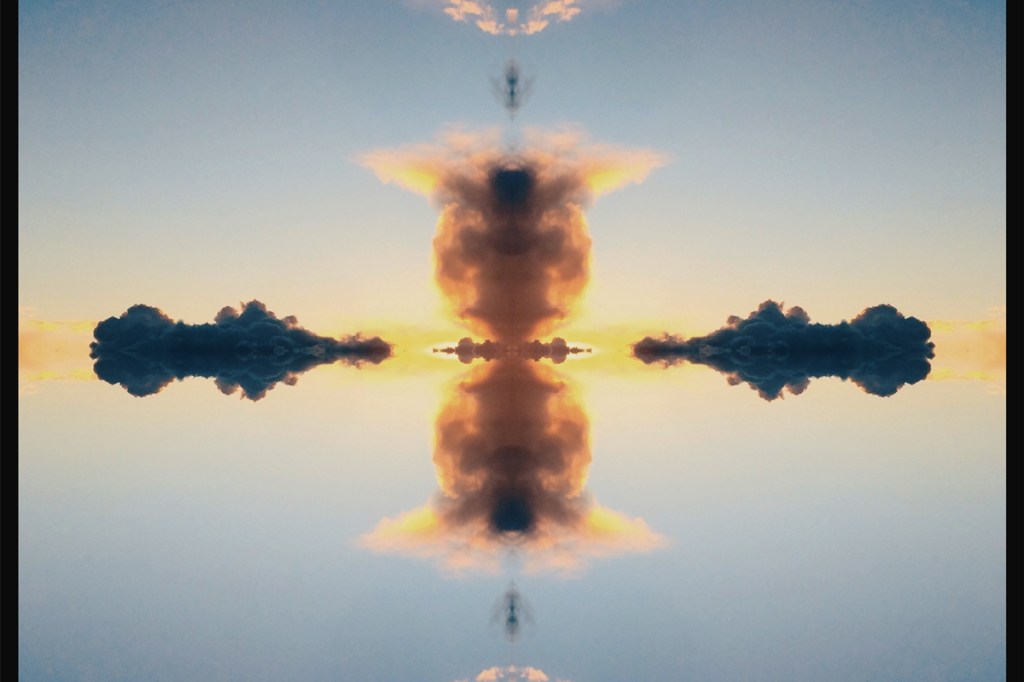
Neil Foster establishes a sense of place at the beginning of “Summer Falls” with the sound of wind and birds in the placid moments of early morning. The way the track evolves it sounds like the composer is using piano, strings, synths and electronic sounds to track the course of the sun as it arcs slowly and peacefully to midday. The swell of sounds conveys a sense of witnessing the subtle but unignorable power of the sun and in moments when the surge of sounds subsides for it’s as though we’re getting a glimpse through Foster’s eyes of the surrounding landscape lit up by sunlight and the sparkle of the light on water going over a nearby falls to a lower part of the river rather than a steep, intense falls like Angel or Niagara. No, the kind many of us see regularly who have the privilege to live near streams and rivers that flow through changing elevations. Foster captures the various moods and textures of observing this everyday experience and the tranquil and inherent beauty to dynamics and processes that have gone on before humanity existed and will likely continue after we are gone but being witness to this simple wonder can strike one as significant in itself knowing that we can appreciate things that go on whether we’re there to bear witness or not. Listen to “Summer Falls” on Spotify and follow Neil Foster at the links provided below.

Neil Foster on Facebook

Neil Foster on Instagram

“Colder to the Touch” is Ryder Havdale’s Haunting Yet Urgent Darkwave Anthem to Leaving Heartbreak Behind and Choosing to Love Again

“Colder to the Touch” finds Ryder Havdale charting complex emotional territory in song that swims in ghostly urgency with faint tonal resonances with U2’s “New Year’s Day” but clearly more stylistically in tune with early darkwave. What makes the song stand out aside from its layered atmospherics and expert arrangement thereof is the vocal duet between Havdale and Teagan Johnston. It gives more weight behind words that seem to be about the phenomenon of people waiting around for someone to love them who probably never will but because of the feeling of attachment to that person. What makes that even more complicated is those linger attachments after you get your heart broken by someone who shouldn’t hold real estate in your psyche yet those habits of feeling linger. And it’s easy to forget that you can move on. The chorus of “You can love somebody else/you can love somebody now/why wait for love to call” is a reminder that even “after every heartbreak you’re colder to the touch” that you don’t have to get stuck and that doing so is perhaps understandable but it’s also a choice and you can choose to open yourself up to new experiences and relationships and doing so doesn’t mean you’re betraying your own emotions or disregarding or dishonoring what you had or thought you had, you’re choosing to live and not be entrapped by a way of being that isn’t enriching your life. Listen to “Colder to the Touch” on Spotify and follow Ryder Havdale at the links below.

Ryder Havdale on Instagram

Rydar Havdale on TikTok

The Wheel Workers Call for Embracing New Ways of Thinking and Living on “Day After Day”

The Wheel Workers, photo courtesy the artists

The Wheel Workers has proven itself as a band that excels at creating a sense of forward momentum and introspective mood in the material for it’s new album Harbor which released on 8/26/2022. A fine example of the song “Day After Day” that establishes a strong low end push in the beginning with vocals that follow a wide ranging arc of tone that syncs well with the synths and when all the elements come together mid-song and transition into a more contemplative passage it’s obvious that we’re not hearing a band that got some memo about how post-punk is supposed to sound. It’s more akin to something we might have heard out of New Model Army or The Sound or some 1980s art pop/rock band willing to get creative with arrangements and song structure so that a song’s ability to keep and hold your attention continues to the end. The fact that the song seems to be about being fed up with needing to try to recreate institutions and ways of living that have failed us rather than establishing something that works better for everyone and to nurture a vision for a more viable and nurturing future society and not wait around for someone to do that for us or wait for some authoritarian order to impose a new frame upon us despite what we might all like to see is just a bonus. The line “I train my heart to let go day after day” speaks eloquently to a willingness to realize that the way things were held up so high is turning out to be a collective romanticizing of a dysfunctional society and its norms because things now seem so decayed and on the verge of collapse when we can imagine and make better. Listen to “Day After Day” on YouTube and follow The Wheel Workers at the links provided.

The Wheel Workers on TikTok

The Wheel Workers on Instagram

Susie Suh’s Video for “Blood Moon” Gives Voice to a Yearning for Global Reconciliation and Healing

Susie Suh, photo courtesy the artist

Susie Suh’s new video for the song “Blood Moon” follows the Fall 2021 release of her album Invisible Love. The production on the song centers her expressive voice giving expression to a yearning for resolution and meaning in a time and in a world where so many things seem in constant flux. The video shows Suh walking the the edges of a volcanic crater in Hawaii with mist arising from the steam emanating from the crater. Suh holds a wind chime which is used in sound therapy tuned to the four elements and in the imagery we see earth, water, air and an implied fire coming together at a point where change is a constant and inevitable and often irresistible. Suh invokes this concept in her song and the ways in which we can learn to live in harmony with natural forces as a lesson for how we might approach forces of change in the human world even though those seem just as beyond anyone’s immediate control though more so than we can influence when a volcano will erupt or the cycle of solar flares and other natural phenomena. And yet you hear in Suh’s resonant voice and the flow of synth tones around her the admission that she doesn’t know everything about the situations or how to address them and that in doing so opening up to possible paths through them and productive ways of engaging not dissimilar to the humility humans should have toward nature and not assume that our constructs of ego and identity can overcome all obstacles through sheer energetic willpower. But these conceptual considerations of the song aside it is a gorgeously soaring work of deeply atmospheric and emotionally refined experimental pop that is moving in its sense of wonder and ache for resolution. Watch the video for “Blood Moon” on YouTube and follow Susie Suh at the links below.

Susie Suh on Facebook

Susie Suh on Instagram

susiesuh.com

The People Versus’ Video for “Ocean Family” is Like a Sophistipop Segment in an A24 Supernatural Thriller Musical Yet to Be

The People Versus, photo courtesy the artists

If not for the Alice Edwards’ melodious vocals and the upbeat and even bouncy jangle pop song in which they frolic one might get a very different impression of The People Versus song “Ocean Family” based on the music video. The band is awash in turquoise light and mostly looking like they’re in a trance performing music like an unlikely band that survived the sinking of a ship and cursed to perform lilting folk sophistipop for all eternity at the bottom of the ocean. Given prospects for the world now that may not be such a horrible fate. And the lyrics seem like a love song of a sort or certainly loving but it waxes sinister and reveals itself as a possessive love song as conceived from the perspective of a long-lived or immortal being whether a ghost haunting the aforementioned wreck or a goddess or a similarly appointed being. The music video along with the lyrics and music provide contrasting layers of meaning that you might expect from an A24 short film or a segment in an unlikely, supernatural musical greenlit by that production company. Perhaps it will be and maybe The People Versus will be brought on board. But whatever the potential of the whole concept of this song and video it’s a kind of ear worm that pushes the UK folk band past its presumed wheelhouse into the realm of art pop music and fans of Swing Out Sister and Rubblebucket will probably find the track to their liking. Watch the video on YouTube and follow The People Versus at the links provided.

The People Versus on Facebook

The People Versus on Instagram

The People Versus on Twitter

thepeopleversusmusic.com

The Polyphonic Spree Nudges Us Toward Living Rather Than Existing on the Uplifting “Got Down To The Soul”

The Polyphonic Spree, photo by Marisa Halbach

The Polyphonic Spree is rightfully known for the orchestral spectacle of its shows featuring sometimes dozens of people on stage including locals when the band tours. What can get lost in that completely unique live show presentation is the impressive songwriting and heartfelt observations on life and the way it can yes hit you with heartbreak but also the ways you can seemingly find emotional and spiritual fortification and uplift in unexpected places and thoughts that strike you at exactly the right time. And that’s at the core of its single “Got Down To The Soul” in which singer and band director Tim DeLaughter describes a personal process of “breaking the spell, feeling the light inside” by connecting with your core instead of being weighed down and held back by focusing on the superfluous things that don’t serve us but which we are told to value. DeLaughter and what becomes a chorus of voices in the gentle flow of uplifting, bright melodies encourages us to find our future “by design” and “by the light” and that in trusting in some inner sense of authentic self the world around us tends to support our efforts. One hopes that nefarious types would have more doubt about the rightness of their actions but too often everyone else is filled with doubt and falls into a life more mundane and unfulfilling conforming to a standard of aspiration and living that doesn’t suit them and this song seems aimed at giving a boost to anyone down on life and going through the motions when they know deep down even modest mediocrity is a choice and its more inspirational to be at least somewhat on the path you’d prefer. Listen to “Got Down To The Soul” on YouTube and follow The Polyphonic Spree at the links provided.

The Polyphonic Spree on Facebook

The Polyphonic Spree on Twitter

The Polyphonic Spree on Instagram

The Polyphonic Spree on Apple Music

The Polyphonic Spree on Bandcamp

The Tracks Take Us to the Edge of the Emotional Abyss and Back on the Swampy Post-punk of “Your Bike”

The Tracks, photo by Omar Martinez

Dylan Dixon’s video treatment for The Tracks’ song “Your Bike” seems to tap into cultural touchstones like the Circle Jerks’ lounge scene in Repo Man and late 80s Love and Rockets comics with the foggy, dark basement noir menace of Green Room. The music an amalgam of bluesy post-punk with psychedelic saxophone in the latter half of the song adding to a sense of escalating disorder is difficult to compare to much else except for maybe The Dirtbombs and Ty Segall. It has that grit and a touch of the otherworldly. But The Tracks are more dusky and more atmospheric overall on this song and on the rest of its recently released full length Paredón Blanco (out July 29, 2022).In the video we see the band playing in a basement club where some conflict is about to go down and that tense energy permeates the scene and crackles in the vibe of the song as well. For a perhaps more contemporary comparison in terms of mood and aesthetic one might say there’s a touch of the lurid and decayed that one hears in more recent offerings from Iceage. Whatever the ingredients to the band’s music might be “Your Bike” stretches out and sways in its fluid progressions and tinged with a soulful darkness that is missing from too much modern music and a willingness to go to the edge of emotional breakdown and peer over before pulling back to give us some of that otherside spirit. Watch the video on YouTube and follow The Tracks, based out of Los Angeles, at the links below.

thetracksofla.com

The Tracks on Instagram

The Tracks on TikTok

The Tracks on Twitter

The Tracks on Apple Music

Floyd Zion’s Industrial Hip-Hop Song “Black Hoodie” is a Vivid Peek Into Urban Nihilism

Floyd Zion, photo courtesy the artist

Floyd Zion finds the resonant nexus of introspective synth pop, industrial gangster rap and minimalist lo-fi production on the “Black Hoodie” single. In the track’s one minute nineteen seconds it is so concise in telling the story of a young man perhaps doomed by his circumstances because “I was raised just to never give a fuck.” At a young age learning to use a gun, violence and attitude to get what he’s been conditioned to want and to garner the symbols of success through a channel so dysfunctional and abusive yet brutally effective that it’s a self-reinforcing lifestyle that perpetuates the victimization of self and others. The production on the song is somehow both so intimate and stark it draws you in to a deep understanding of the worldview depicted and how it’s just a natural consequence of a world that denies you your core human needs and dignity from a young age and how adapting to surviving and feeling like one has power and the ability to satiate one’s desires immediately is more than simply seductive. The song is completely lean and is somehow imbued with mood and atmosphere. Listen to “Black Hoodie” on YouTube and follow Floyd Zion on Instagram.

Doo Crowder’s Tenderly Heartbreaking “Goodbye My Favorite” Is a Direct and Powerful Evocation of Loss and Love

Doo Crowder sounds so close and holding on by fragile threads on “Goodbye My Favorite.” He seems to be singing a song to a recently lost loved one. With just his clear and emotionally ragged voice gently delivering words so tender and heartbreaking it’s easy forget the elegant and spare guitar work that sets the perfect timbre to what might be described as a desolated yet loving tribute. When Crowder sings “So I pray we might reunite/As teardrops fall/Each one a memory/Of what you shared with me/May I cry them all” it’s so simple and direct and devastating that it slips past your defenses because it has no agenda other than communicating a feeling we hope we never have to experience but we all have or we all will someday. In giving voice to that pure expression of loss Crowder honors all the feelings and memories around those words without melodrama and with no more than the absolute essential elements of songwriting. Crowder has been writing songs for years in bands like indiepop band The Dinnermints, with the sprawling indie folk orchestra Pee Pee and on his own in various incarnations of his experiments in sound including electronic, avant-garde pop but the through line is a disarming sincerity and sensitivity to his subjects and that is in full force with this song. Listen to “Goodbye My Favorite” on Spotify and connect with Crowder at the links below.

Doo Crowder on Facebook

Doo Crowder on YouTube

Doo Crowder on Instagram

Doo Crowder on Distrokid

Syzygy’s Electroclash Synth Pop Song “Justice of Mercy” Questions the Folly of Believing One’s Own Virtue has the Power to Change Anyone But Yourself

Australian electronic pop Syzygy was formed in 2019 in Melbourne when former Spotting members Rebecca Maher and Gus Kenny started to explore a more pure electronic pop sound. Going to the roots of that style of music Maher and Kenny have been deep into the aesthetics of 80s synth pop but with a more modern production style. And yet the music video for the single “Justice or Mercy” and its fantastic use of letters as pixels forming Maher’s image dancing really touches on memories of Yaz videos, the music of Human League and certainly Phil Oakey’s collaboration with Giorgio Moroder on the title song for 1984 science fiction film Electric Dreams, “Together in Electric Dreams,” and add in a touch of early Depeche Mode. The arrangements bring to mind Ladytron’s 604 album and the way the bass line is accented with the percussion. All comparisons and dissection of possible influence aside Maher’s vocals shine through with an emotional power and her minor chord shifts here and there truly help to set the track apart from a lot of other music in a similar style. They lyrics also explore a nuanced take on relationships and the folly of hoping someone will change even given consequences if they don’t feel they’ve done anything wrong. The synth melodies intertwine with the percussion and rhythm after the manner of modern electroclash and fans of Boy Harsher and Electric Youth may find this track what they’re looking for to branch out into new music. Watch the video for “Justice or Mercy” on YouTube and follow Syzygy at the links below. Look for the album Justice or Mercy due out later in 2022.

Syzygy on Instagram