Katharina Nutthall’s Darkly Dreamlike “The Poison Tree” is an Extended Metaphor for Seeking a Path to Emotional Equilibrium

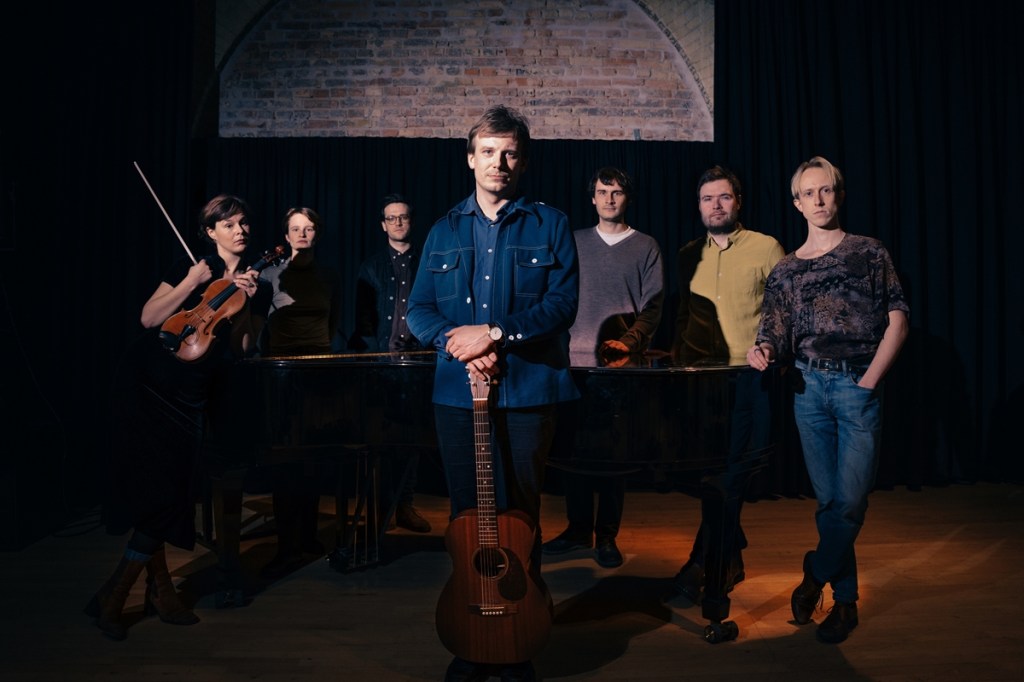
Katharina Nutthall, photo by Albin Biblom

“The Poison Tree” from Katharina Nutthall’s 2022 album The Garden engages in the mythological themes of the album with the poetic imagery found in the lyrics which seem to explore themes of losing one’s path and sense of self and rediscovering all of it on a new foundation. “The Poison Tree” finds Nutthall sounding a little ragged with the urgency of emotion as carried along by what feels like an outwardly spiraling flow of emotion. It begins and ends with the sound of a piano seeming to come apart but in the middle of the song the piano melody anchors the song even as violin accents the dramatic tension and synths, ghostly backing vocals, droning strings, rattling percussion and luminescent keyboards in its ever descending tones create a sense of dramatic confusion. “In the morning rain I found myself lost in the garden” is the first line of the song and it sets the stage for images of natural forces taking on the role of energies and situations beyond one’s control that carry you beyond the contexts you knew. But during the course of the song the narrator of this folkloric story finds herself “out of place and time” but finds solace in the garden shelter even though there’s a “poison tree where the birds flew low and the grass was green.” The metaphor of water as one’s identity that can be drunk while an excess of water drowns a “precious flower.” The aspects of ourselves that make us experience the vitality of life can also become the things that undermine our lives in excess. But the symbolism of the song is never on the nose, its more a dream logic that informs the imagery and emotional resonance and the music itself is reminiscent of the kind of energy one hears in late 80s Kate Bush where a grounded yet dreamlike quality gives some of her most pop songwriting a compelling sense of mystery. Listen to “The Poison Tree” on Spotify and connect with Katharina Nutthall at the links provided.

Katharina Nutthall on Facebook
Katharina Nutthall on Instagram

katharinanutthall.com

Quiet Sonia Creates a Deep Journey From Existential Contemplation to Hopeful Resignation on “In My Arms Many Flowers”

Quiet Sonia, photo by Minder Storrelse

The imagery in Marianne Skaarup Jakobsen’s video for Quiet Sonia’s “In My Arms Many Flowers” is like a collage of negative images super imposed on others with colors manipulated to look like something from decades past. And with the images in motion it flows with an organic drift like the way memories are stored in the mind. The music itself in its intricate web of melody and texture, acoustic guitar, strings, swells of tone. Impressionistic lyrics spoken/sung by Nikolaj Bruus in a weary matter of fact, thoughtful tone are offered in short poetic sketches. Like a piece written inspired by urban decay and the neglect of culture as manifested physically in the landscape and in the lived experiences of people as if everything can be plugged directly into a system to drive short term profits and barring that limited and ever changing utility cast aside. Lonely piano notes seem to mark the time throughout the song but especially as it heads toward the fading outro. But there is a reprise wherein the song proper ends on a note of hopeful resignation. An underlying theme to the song appears to be how we are all part of one big, interconnected cycle of being and that our individual place in the impermanence of being is as actor, as witness and as quantum impetus for what comes after. One might liken it to a post-rock song but it seems to have more in common with the likes of experimental jazz/ambient composers like Steve Tibbetts and John Hassell among other such artists on the ECM imprint in the 1980s with its crafting of tone, pacing and texture. Listen to “In My Arms Many Flowers” on YouTube and marvel at how it’s more than ten minutes seem to pass so quickly and follow Quiet Sonia at the links below. The All Black Horses Came Thundering EP from which “In My Arms Many Flowers” is drawn is out now on Pink Cotton Candy Records.

Quiet Sonia on Facebook

Quiet Sonia on Instagram

pinkcottoncandyrecords.com

Happy Hollows Tell Us That “Summer Is Over” But the Romance Hasn’t Cooled

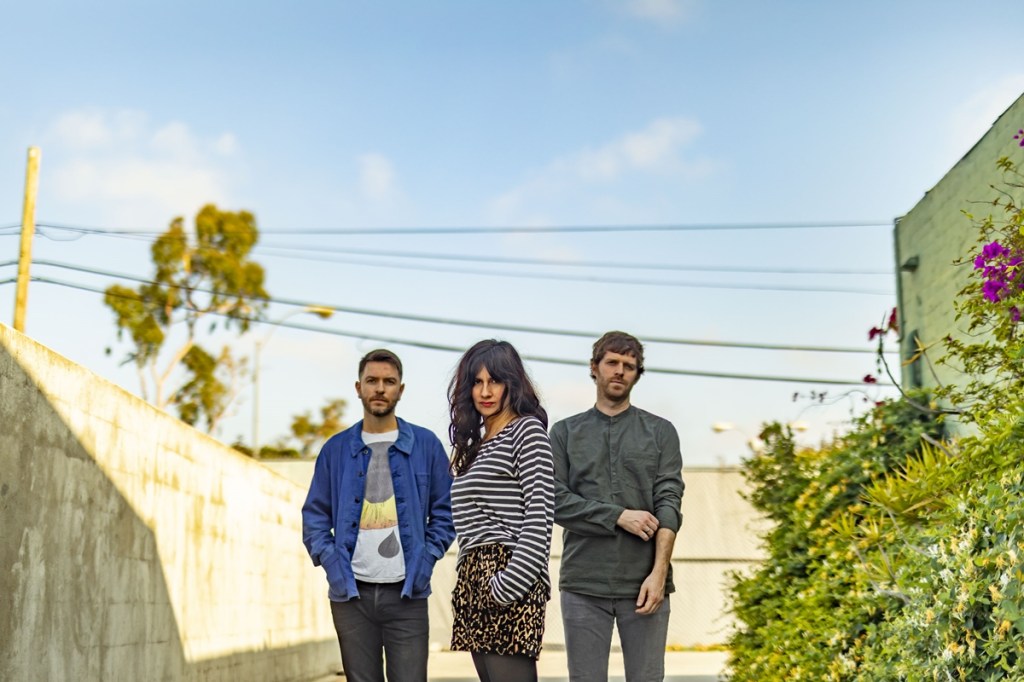
Happy Hollows, photo courtesy the artists

Happy Hollows leaves plenty of space and clear tonal lines at the beginning of “Summer Is Over” before introducing a touch of guitar sketching the edges of melody. Most prominent are Sarah Negahdari’s vocals singing words of reflection on a season of fun, love and adventures. What makes the song work other than Negahdari’s soaring and winsome vocals is the way the guitar parts, the bass and percussion are arranged to be almost more textural and pointilist rather than largely tonal or in the case of the percussion in a traditional drum pattern. These simple elements create a more dynamic whole while allowing the impressionistic images of the lyrics to flow unimpeded and spontaneously. In this way it’s reminiscent of an even more minimalistic Rubblebucket song with unconventional sounds placed subtle in the mix especially in the percussion and conveys a sense of nostalgia without an excess of sentimentality. After all the good times of summer may be over but this song suggests that even though the initial wave of excitement may be over but the romance certainly isn’t. Listen to “Summer Is Over” on Soundcloud and follow Happy Hollows at the links below.

Happy Hollows on Facebook

Happy Hollows on Twitter

Happy Hollows on YouTube

Happy Hollows on Instagram

Lore City Evokes the Soothing and Mysterious Physical and Sonic Presence of Distant Machinery in the Night on “Very Body”

Lore City, photo courtesy the artists

“Very Body” is half of the new Lore City EP Under Way (available now digitally and on black 7” vinyl via the project’s Bandcamp linked below). We hear in the distance a hovering sound like distant aircraft passing by in the night. The resonance of distortion in the tone streams through the track as a background tone creates a sense of space. The feeling it conveys is not unlike seeing light over a horizon at night and feeling the sensation of a deep thrum felt in the body from the vibration of unseen machinery like a large engine too far to fully make out but close enough to create an ambient sensation and an aural effect both calming and mysterious not unlike becoming aware of the sounds of a nearby urban airport. Fans of The Sight Below will appreciate the tactile quality of the modulated drones here and how it indeed has an undeniable physical presence in the hearing of its orchestrated tones. Listen to “Very Body” on YouTube and follow Lore City from Portland, Oregon at the links below.

Lore City on Twitter

lorecitymusic.com

Kakuyon’s Brightly Introspective “Tomorrow” is a Song About the Virtues of Being Present

Kakuyon, photo courtesy the artist

Kakuyon delivers a nuanced song about being present in your life with “Tomorrow.” The line “I’m thinking of tomorrow/And living for today” juxtaposed with words about how tomorrow can feel vague and like a distant future if you’ve not taken care of things in your life today, forever on a rat race of emotional paralysis. “Living for today cause it feels good to feel” points toward being present in your feelings instead of putting them on hold and in a perpetual state of an abstract experience that you think about rather than directly experience. The introspective vocals and melancholic, shimmery, synth lines hazy with a touch of distortion suggests a state of reflective reverie and acceptance. The sound is a blend of hip-hop, R&B and dream pop reminiscent of the evocative work of George Lewis Jr. as Twin Shadow. But Kakuyon sets the music to a trap beat that uses that electronic percussion to suggest a delicacy befitting the subject of the song. Listen to “Tomorrow” on Spotify and follow Kakuyon at the links provided.

Kakuyon on TikTok

Kakuyon on Instagram

Kakuyon on Apple Music

S.C.A.B.’s “Why Do I Dream of You” Perfectly Captures the Moment of Vulnerability When You’re Able to Admit You Miss Someone From Your Past

S.C.A.B., photo courtesy the artists

Director Matthew Marino’s choice to bring the projected physical film analog quality to his treatment of the music video for S.C.A.B.’s single “Why Do I Dream of You” perfect expresses the song’s wash of nostalgic atmospherics. The pairing of circular, looping, guitar melody with expressively soaring vocals that shift from the earnest to the ethereal syncs so well with scenes from New York City and lyrics that place the bittersweet lyrics in a context rich with a sense of place that hits strongly at the end of the song as it fades out and we hear what sounds like a fragment of a journal written in the late night hours in a moment of vulnerability as a letter to someone expressing feelings maybe now usually buried and on the verge of saying he misses the person being addressed but struggling with finding the right way to say it and not botch the effort with clumsy or ill-considered sentiments. Fans of the aesthetically multidimensional guitar rock of Beach Fossils, Preoccupations and Parquet Courts will appreciate the way S.C.A.B. stretches out and winds the melodic path of this song. Watch the video for “Why Do I Dream of You” no YouTube and connect with the group at the links below.

S.C.A.B. on Facebook

S.C.A.B. on Twitter

S.C.A.B. on Instagram

Koresma Expresses the Tranquility of Eternal Cycles on Downtemp IDM Track “Waves”

Koresma, photo courtesy the artist

With some scratches thrown in for texture, Koresma’s “Waves” sounds like someone put an old improbably techno remix of a Cocteau Twins song on the turntable. But with summery, vivid guitar melody over the top and pitch shifted vocal samples bubbling up and fading out quickly. Synth shimmers at an even and rapid pace like a slow moving flicker of tone. All over an evolving percussive beat in an IDM vein. The mix conveys a sense of panning channels giving ample room for the elements to drift and occupy various spaces in your field of hearing. But the lead female-sounding vocals sit center intone with an ethereal, introspective quality, contemplating the movement of waves as the tide comes in as a pattern that reflects eternal cycles and a sense of universal stability in a world that can seem to have gone awry especially with quickly escalating climate change. Listen to “Waves” on Spotify and follow Koresma at the links below.

Koresma on TikTok

Koresma on Facebook

Koresma on Twitter

Koresma on Instagram

Obi Blanche’s “kry4m3” is a Haunting Yet Vulnerable Song About Heartbreak and a Hesitant but Inevitable Reconciliation

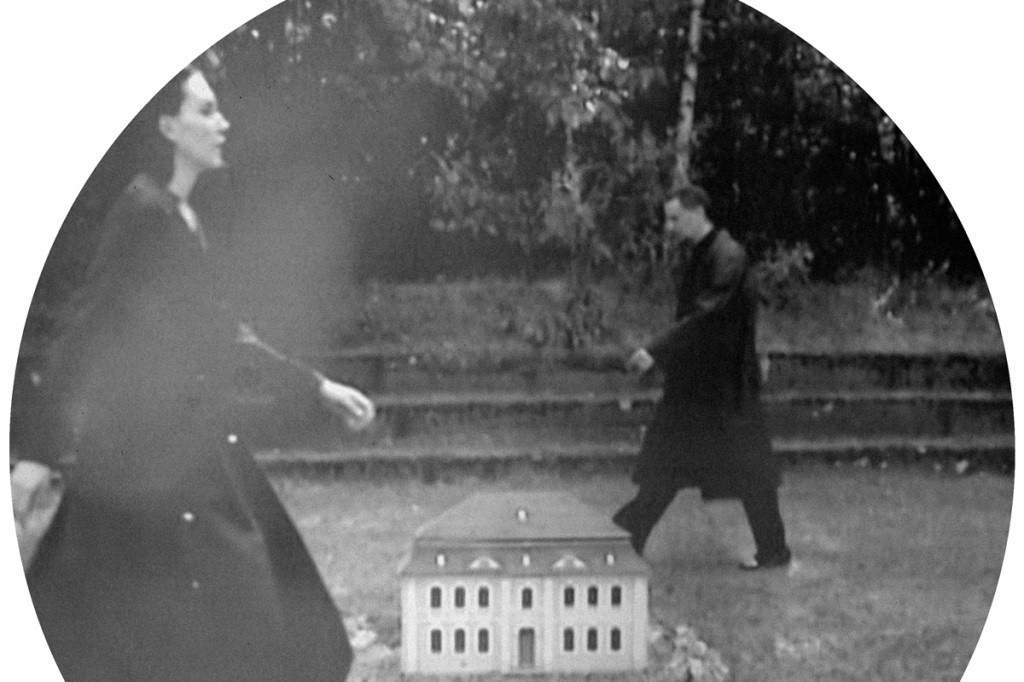
The music video for Obi Blanche’s single “kry4m3” has the quality of a cursed film or Uncanny Valley territory. In black and white we see a figure walking through a rather large diorama of a city in partial ruins, a giant strolling through the abandoned remnants of human civilization with figures set out taking a break from reconstructing a society. It’s an apt metaphor for a song about heartbreak and perhaps exploring ways to reconcile. We see teeth speaking the lyrics sung in both male and female vocals. A woman in a long black coat is scene walking among the same diorama and toward the last part of the song the two figures walk by each other seemingly unaware of the presence of each other, a model for the disconnect we hear in the song whose refrain is “I cry because I want you to feel better, I don’t cry for me.” The hovering tones, hazy drones and spare percussion create a truly otherworldly atmosphere like the action of this healing separately before the hint of coming back together in the end is possible. The aforementioned lyric is like a mantra and a reminder of a path to returning to a more normal frame of mind and hearing it from both voices is a subtle way of conveying the time for suffering in silence over some slight that isn’t a dealbreaker in the end has ended. The female figure who we see crying in earlier parts of the video is shown smiling and looking into the camera rather than looking forward to where she’s walking, an unmistakable symbol of how the mood has changed and the hypnotic tenor of the song fades out. Watch the video for “kry4m3,” made by Obi Blanche and Isotta Acquati with art direction from the latter, on YouTube and follow Obi Blanche at the links below.

Obi Blanche on Instagram

Sin Cos Tan’s AI Generated Video for “Endless” Helps to Show How the Agony of a Breakup Doesn’t Have to Be Neverending

Sin Cos Tan, photo courtesy the artists

Sin Cos Tan used an AI to generate the video for its song “Endless” and the resultant animated visuals are like a rapidly flowing mix of imagery somewhere between manga and MC Escher but in full color. It just looks so illustrative and otherworldly it suits the song well. The measured pace of the song allows its sounds to soar, welling up with heartbreak. The dual vocals seem to dance in tandem with an uplifting rhythm and soft synth tones, a bell tone carrying the melody. The net effect is a little like an retrofuturist update of the video for the song “Take On Me” by A-ha (1985) but with a modern synth pop sound that draws on a sense of nostalgia to enrich its emotional impact. You hear in the lyrics those dreaded words “It’s time we talk, I promise it won’t take long” that inevitably lead to the breakup, one that leaves you confused and cast adrift like it’s never going to end. The lyrics “endless coming down” and “broken coming down” expresses that feeling so well, the way it can feel like being pushed into a dissociative coping state that puts you in a spiral of experiencing that moment of heartbreak over and over again until the ache of the experience is exhausted. And yet the sound of the song is one that seems hopeful because at least there is an ending and the bittersweet agony can last only as long as a song if you want it to. Watch the video for “Endless” on YouTube and follow the Finnish synth pop band Sin Cos Tan on Spotify.

Lori Goldston Infuses the Grief of “We Miss You and Wish You Well” With Grace and Elegance

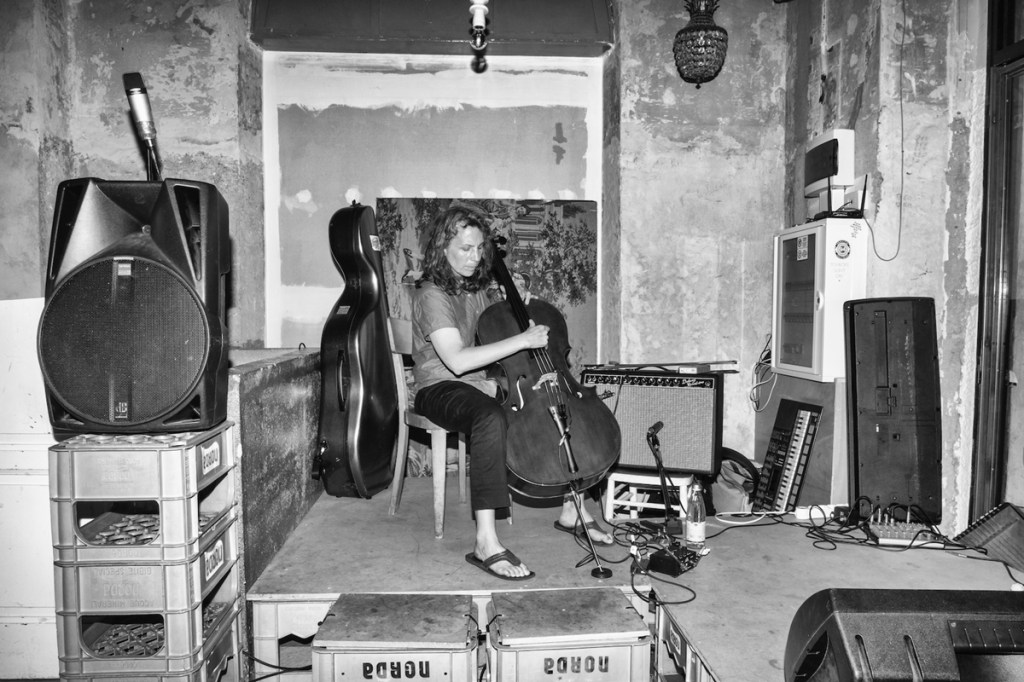
Lori Goldston, photo courtesy the artist

Lori Goldston expertly elicits a textural tone to bring us into the open spaces of “We Miss You and Wish You Well.” The video by transgender filmmaker Clyde Peterson gives us shots of clouds in real time and views from above snow enshrouded mountains as if from a plane taking off from the winter climate for parts as yet determined. Goldston’s string work on the cello feels like both the ties that bind us to the environs we know and the pull to new places and experiences. The ascending lines soar and level out with the music trailing off and returning with greater force and energy only to float off into the distance again. In the last minute of the song Goldston’s bowing brings forth a sound of conflicting forces reflecting feelings similarly at odds within one’s own mind but in the end settling into the tranquility of acceptance of a decision made. The title of the song says much for the instrumental piece and as part of the new album High and Low, with the “High” part of the album being a series of solo improvised pieces as memorials for Goldston’s friend and Canadian artist-musician the late Geneviève Elverum it expresses well the fragile intensity and delicacy of feeling and the inner turmoil that can strike you when you think on your friend again in bursts that seem manageable if you don’t allow yourself to be crushed by the immensity of it all at once but how that never quite works out. But Goldston tries and gives that expression of heavy emotion some grace and elegance in the execution. Watch the video for “We Miss You and Wish You Well” on YouTube and follow Goldston at the links provided. High and Low is available now via SofaBurn.

Lori Goldston on Facebook

Lori Goldston on Twitter

Lori Goldston on Instagram