The Fourth Wall’s Shoegaze Single “Never A Part” is a Shivering and Shimmering Song About Identity and the Immigrant Experience

The Fourth Wall, photo by Lisa Haagen

The splashes of trailing guitar scrawl match the flashes of film set lights in the video for The Fourth Wall’s “Never A Part.” Directed by both Eric Harrod and Stephen Augustin based on his concept, we see singer Augustin looking uncomfortable yet accommodating the attention from the production crew and script supervisor and director. Everyone goes through what looks like Polaroid stills from the shoot like fragments of the real person only to later burn several of the photos in a campfire. Like an act of reclaiming one’s identity from it being a fragmented product without context. The song seems to be about ties of family and blood and never quite belonging or being of a new home country or culture. Augustin’s parents immigrated from Korea and the Philippines and the new The Fourth Wall album Return Forever (due out in March 2024 on DevilDuck Records) is like nine chapters of exploring the immigrant experience and the complexities of that emerge from trying to come to terms with what is known and what is unknowable about one’s own history and how that impacts one’s own identity. The song comes out of Augustin’s imagining a conversation between his own grandmother and her grandson and gets into issues of what it means to love out of what might be perceived as some kind of family obligation and biological connections and how that might overlap with an unconditional love. We hear tension and drama in the song, urgent percussion, a cyclone of noise and melody that escalates and fades out by the song’s end. And earlier we hear those underpinnings of uncertainty and fragile shimmers and fast echos of tone held together by Augustin’s soaring vocals and seeming will to hold it all together and to comprehend some elusive truth and significance to make sense of what feels like an existential conundrum. And yet the song with all of its nervy energy ends with a kind of transcendent catharsis like an acceptance of contradictions the complete knowledge of which you may never fully understand. Watch the video for “Never A Part” on YouTube and follow The Fourth Wall at the links below.

The Fourth Wall on Facebook

The Fourth Wall on Instagram

Showtime Ramon’s Driving Synthwave Hip-Hop Single “84 Dan Marino” Takes a Trip Through 80s Thriller Cinema Vibes

Showtime Ramon, photo courtesy the artist

Showtime Ramon brings an unexpected musical and rhetorical complexity to “84 Dan Marino.” Yes, in the music video we see beautiful women and a cool sports car, Ramon delivers an expertly crafted line of swagger and braggadocio like you might expect to see and hear in a mainstream hip-hop banger. But the visual aesthetics of the video is like something from a gritty, 80s thriller including he leads on screen from a film reel and scratches and pops and glitches in the print. It complements the darkly pulsing synthwave beat and the gorgeously evocative melodic splashes that linger like music from an existential horror film of today tapping into the aforementioned 80s vibe. Like Anthony Scott Burns and Nicolas Winding Refn but reaching to an even more lo-fi feel, like Ramon took in more than a few Michael Mann, William Friedkin and Brian De Palma films and absorbed the essence of moods and themes of those movies in writing this song. It has that starkness, menace and a core of melancholia that makes them all effective and “84 Dan Marino” exudes a similar energy. The key line to the song to give it the proper context, or so it seems is when Ramon raps “Lost my best friend now I spit with pain.” With those words, referencing the unsolved murder of Ramon’s best friend, the display of success, luxury, vitality, the promise of pleasure all comes into focus as where your head may need to be so your heart doesn’t sink into oblivion. Not to escape those feelings of loss and despair but to survive them. Ramon makes the processing of the darkest times of our lives feel like an adventure, a chapter of life and an affirmation of what makes being alive feel so significant and good. The song hits hard yet reminds you of the good things in life. Watch the video for “84 Dan Marino” on YouTube and follow Mexican American rapper, and proud Capricorn, Showtime Ramon at the links provided.

Showtime Ramon on Apple Music

Showtime Ramon on Facebook

Showtime Ramon on Instagram

Alex McArtor’s Dream Pop Single “Endless Summer” is a Celebration of Those Perfect Memories We Can Hold Onto For a Lifetime

Alex McArtor, photo courtesy the artist

Winter is upon us at the time of the writing of this review but Alex McArtor’s single “Endless Summer” and its warmly nostalgic melodies is an escape to a another headspace. The guitar line traces the melody downward and highlights the edges of the mood of the song that is a collection of the best memories of times of travel, indulging pleasures, loving and being loved, savoring the companionship of a partner in these adventures. McArtor’s slightly husky voice embodying the synthesis of the cumulative feelings contained within all of those snapshots of carefree times. The guitar work between passages traces a downward arc in luminous single notes and evocative slides accented by subtle bass and drums. Altogether the song draws you in and whether or not you’ve shared some of the specific nuggets of cherished memories it is a song about holding onto those perfect memories in your mind to sustain you through more challenging times. Listen to “Endless Summer,” produced by Benny Cassette, on Spotify and follow Alex McArtor at the links below.

Alex McArtor on Facebook

Alex McArtor on Instagram

Springworks Channels Aggrievement Into Playfully Edgy Power Pop on “We Are Not Amused”

Recriminations and spite run through Springworks’ lates single “We Are Not Amused.” The band regularly finds old industrial film footage, commercials and public domain reels in crafting the music videos to accompany its songs and for this it looks like a family conflict and one more in the workplace while women dance for some television show from the 60s that would play popular music like Hullaballoo or Shindig! The song is a lo-fi power pop number akin to a bubblegum pop band of that late 60s era but the lyrics relate what sounds like a serious conflict of some sort that was challenging to resolve in which both parties probably won’t see eye to eye and get some mutually agreeable resolution. And that happens in life and you have to find some way to process those feelings. The line “The steam-uh/Evaporating into/Pistons/To make it up that hill/And this song/Replacing urge to kill” outlines a path to transmuting rage into something productive which, unfortunately, doesn’t happen enough in the world. But in the distorted guitar crunch and buoyant melodies of this song there’s something that honors the anger while putting that energy to use and make something out of it you’d rather have in the world and maybe someone will hear it and pull back from the precipice just a little. Watch the video for “We Are Not Amused” on YouTube and follow Springworks at the links provided.

springworksband.com

Springworks on Twitter

Springworks on Facebook

Springworks on Instagram

Noh Kitty’s Art Pop Single “Numbers and Letters” is Like an Electro Indiepop Fairy Tale Poem

Noh Kitty, image courtesy the artist

Noh Kitty sets “Numbers and Letters” in a universe of music that feels both baroque and of a fascinating fusion of 8-bit aesthetics and the electronic and acoustic indie pop that we hear in the 2000s work of The Blow. But the synth sounds that run through the song on the more rhythmic end is like something heard on the periphery of a Kraftwerk song. The main keyboard/synth melody, though, has an aspect like a classical piece played on a toy keyboard. The vocals, though, carry a more conventional melody and convey a narrative that seems to be about the cycle of life and seasons and the mathematical underpinnings and cultural signifiers we identify and employ to make sense of the world as we experience it. It’s like a Medieval fairy tale poem as told through the kind of music one might expect from a songwriter that sequestered herself with intentionally limited access to other music and instruments to craft an intricate art pop song to create a unique and idiosyncratic work. And “Numbers and Letters” has that aspect of no obvious musical influences or inspirations. Listen for yourself on Spotify and follow the Denver-based Noh Kitty on Instagram.

Pasocom Music Club Taps Into the Playful Sounds and Sights of Classic Pop Electronic For the Alien DJ-Themed Music Video For “UFO-Mie”

Pascom Music Club, photo courtesy the artists

Anyone with sufficient knowledge of the history of popular electronic music will pick up on multiple resonances from the fantastical and fantastic music video for Pasocom Music Club’s “UFO-Mie” (which means “UFO Pose” in English, surely slyly conceived title). Directed by ayafuji and produced by Toshikuni the video features a green alien who arrives in Tokyo on a flying saucer and then proceeds to show of his fine fance moves on the street, in pedestrial walkways, sidewalks, in front of a food stall, in a shelter for bicycles with graffiti on the walls and alongside construction zones, on a rooftop and in the often ignored or neglected pockets of the urban landscape. The song, featuring a high energy rap from The Hair Kid and modified vocals repeating the chorus of “My little green homie is a DJ” is reminiscent of 90s and early 2000s club hits from the likes of Daft Punk circa Homework and Fatboy Slim from You’ve Come a Long Way, Baby. That playful use of rhythm and melody and unabashed mashing together of club music and hip-hop aesthetics. Even the visual sense of the video reflects that lineage and that of the more quirky videos of Aphex Twin. But Pascom Music Club updates the sounds, the production and the reference points to resonate more with the present. Yet it hooks you in with a similar appeal to fun strangeness. Watch the video for “UFO-Mie” on YouTube and follow Tokyo’s Pasocom Music Club at the links below. The project’s For The Aliens EP dropped October 27, 2023.

pasoconongaku.club

Pasocom Music Club on Twitter

Pasocom Music Club on Instagram

Bad Flamingo’s “I Drink Alone” is a Song About Reserving Some Joys, Rituals and Moments of Vulnerability For Your Solitary Hours

Bad Flamingo, photo courtesy the artists

Twinkly, moody keyboards and a drum click bring us into Bad Flamingo’s “I Drink Alone.” It’s an even further departure from the duo’s palette of sounds and to a certain extent the subject matter of the lyrics. Acoustic guitar slinks along and a spectral drone haunts the backgrounds of the song, maybe a bit of autoharp or hammered dulcimer near the song’s end alongside some nice slide guitar flourishes—all lend the song a hushed intensity befitting what sounds like the narrative of a person who acknowledges their own tempestuous emotions and passionate nature. We hear hints of former relationships and the boundary set, willing to share everything and give almost anything, but sparing the activity of drinking for a solitary experience. Why? That is left up to the listener to interpret whether in those moments or narrator feels most unguarded and open to suggestions and foolish acts better left to one’s own mind to inspire. When you’re someone who is normally so generous with your heart, your energy and your time sometimes you just have to carve out some space and some pleasures for your alone time. Listen to the dark, psychedelic, western folk blues song “I Drink Alone” (not to be confused with the George Thorogood song) on Spotify and follow the enigmatic songwriting phenoms Bad Flamingo at the links below.

badflamingomusic.com

Bad Flamingo on Facebook

Bad Flamingo on Instagram

Bad Flamingo on YouTube

This is a Revolver Tears Into Demented Christian Sectarianism With Joyous Grunge Punk Single “Arrivederci!”

This is a Revolver, photo courtesy the artists

This is a Revolver rejects the corrupt, hateful, judgment and money-grubbing aspects of the Christian church in the joyful and pointed single “Arrivederci!” In the music video we see the band dressed to the nines as though going to some major service while spelling out a litany of the offenses committed by leaders, institutions and many of the followers of the religion including a level of unattainable purity expected, and in centuries past purchased by the wealthy, to which adherents and really everyone is expected to adhere or suffer eternal damnation, which is not the basis of a worthwhile faith. Considering recent right wing figures have called for the extermination of everyone in America and the world that doesn’t follow their narrow interpretation of faith as a nefarious echo of, say, the Catholic Church in the middle ages and during the Inquisition, this very unapologetic, grunge-fueled punk song tearing in efficient manner tearing into the hypocrisies and dubious foundations of the most violently oppressive end of Christianity is not just welcome but necessary. Going along to get along works when you’re dealing with trifling matters but not when a sizable group of people sees anyone that doesn’t align with their demented, sectarian beliefs as an existential threat to be eliminated. This Is a Revolver just made that kind of spirited condemnation seem fun with this song. Watch the video for “Arrivederci!” on YouTube and follow This is a Revolver at the links provided.

This is a Revolver on TikTok

This is a Revolver on Instagram

Dead Senses Rages Against the Toxin of Contemporary Capitalism on Caustic Noise Rock Single “Strozzapreti”

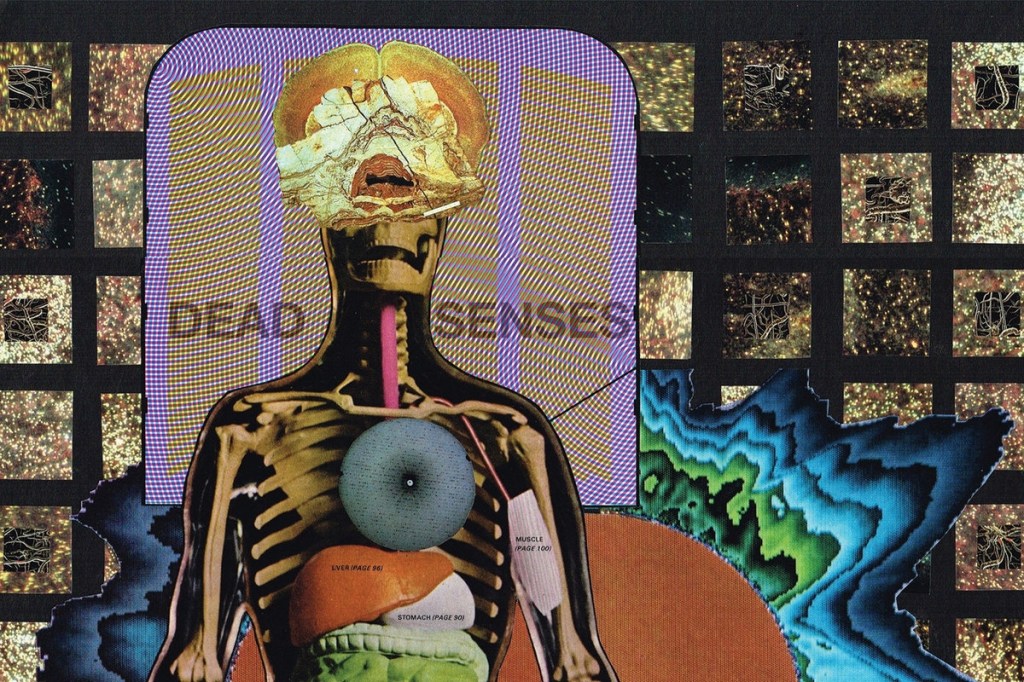
Dead Senses’ self-titled album cover

Los Angeles-based, experimental post-punk band Dead Senses released its self-titled album through Already Dead Tapes and Records on November 17, 2023. To mark that occasion the group dropped a music video for the single “Strozzapreti” edited by the band itself using public domain footage to give the visual presentation of the song the same fascinatingly out of phase quality possessed by the song itself. The title means “priest strangler” or “priest choker” in Italian and one wishes that were the title of a modern, and return to enthralling and unsettling, Dario Argento film. But the term usually refers to a thick, ropey pasta except in the song it references, according to its press release, “a quiet, seething anger toward abusive authority, violence, and omnipresent demand for consumption and submission under contemporary capitalism.” A feeling presumably most of us share at this point even if some of us misguidedly overtly support the agenda and values of late stage capitalism because that support is so internalized it manifests in identifying with conservative politics or “centrist” neoliberalism transmuted into what is presumed to being a self-identified “moderate” with no sense of irony. Dead Senses makes no bones about dissolving those narratives in the song in style, structure, its use of imagery and in mulching cultural artifacts to repurpose into thrillingly furious agitprop.

The members of Dead Senses came out of the metal and hardcore scenes and “Strozzapreti” bears of the hallmarks of those roots with pointed, and aggressive rhythms and noisy guitar, bass, percussion and shouted, desperate blasts of vocals. But the production also feels like the people in the band has been listening to a lot of industrial music and other musical forms in which the aesthetic is heavily samples based to give the whole sound of the piece an intentionally stark and direct sound. The rest of the album reveals the group’s free use of atmospheric elements that flow into angular noise rock that fans of modern noise rock outfits like Meat Wave, Moon Pussy and Chat Pile will appreciate not just for the caustic and exhilarating sounds but also the righteous substance of what the music is about. Watch the video for “Strozzapreti” on YouTube and follow Dead Senses at the links provided.

Dead Senses Streaming Links

David Baron Envisions a More Benevolent Future in Analog Synth Piece “City of Nerves” From His New Album ARP 2500

David Baron, photo courtesy the artist

Record producer, film composer, musician, arranger and engineer David Baron has amassed a large collection of vintage synthesizers housed in his Sun Mountain studio on top of a mountain overlooking Ashokan Reservoir just south of Woodstock, New York. One of his prized synths is the ARP 2500 used by the likes of Kraftwerk, Aphex Twin, Bowie, Faust and Vangelis and perhaps most dramatically utilized in the 1977 film Close Encounters of the Third Kind as the device with which scientists communicated with the aliens. On November 17, 2023 Baron released his album The ARP 2500 via Here & Now Recordings and a perhaps beautifully subtle and evocative employment of the synth is on the track “City of Nerves.” Perhaps echoing the sentiments of Ray Kurzweil, Baron says the song is a product of his thinking about how AI will impact the future and that someday he believes “a city will exist using the best of technology and biology to make for a better life for all.” The song begins with some burbling electronic tone and then a smoothly unfolding melody as layers of rhythmic and finely textured sound converge to establish a mood that is progressive with gentle forward momentum and soothing at once as a reflection of an electro-neural infrastructure that might unobtrusively provide the network of services that benefit all without the harsh demands and consequences of the economic arrangements and environment ravaging energy technologies of today. One can hope. But Baron’s song is a welcome alternative to the dark and bleak vision of the future of a lot of art which, to be fair, is extrapolating on current trend. Baron’s piece is more of the hopeful, Utopian ilk and if one can imagine it, it may even be possible. Listen to “City of Nerves” on YouTube and follow David Baron at the links below.

David Baron on TikTok

David Baron on Facebook

David Baron on Instagram