Savanna Leigh’s Bittersweet “like i used to” is a Romantic Look Back at Life Before the Onset of Adulthood

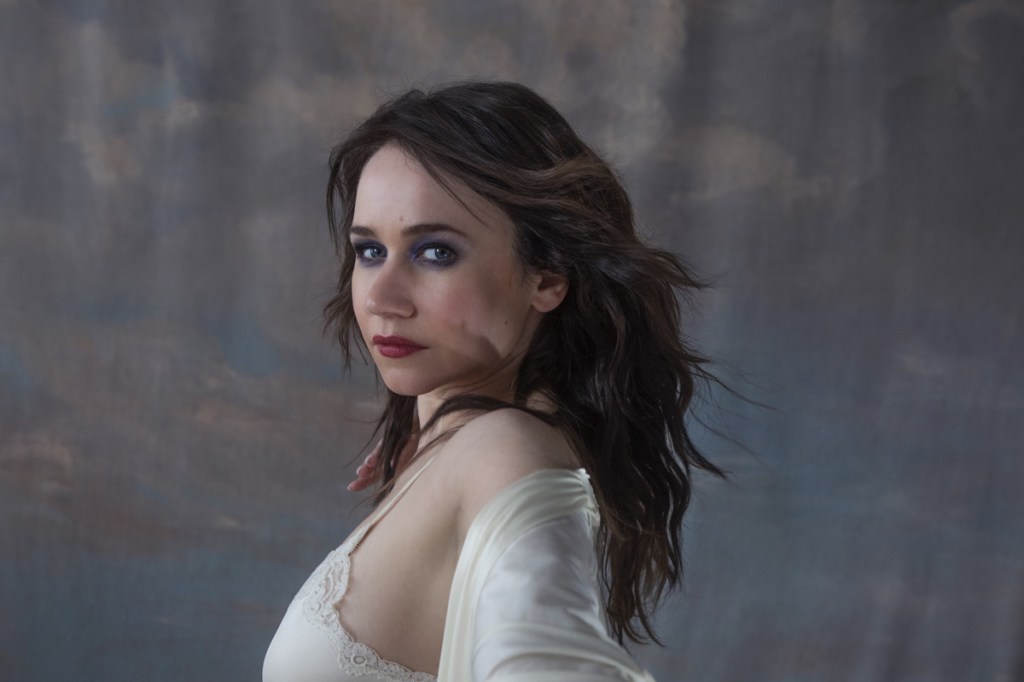
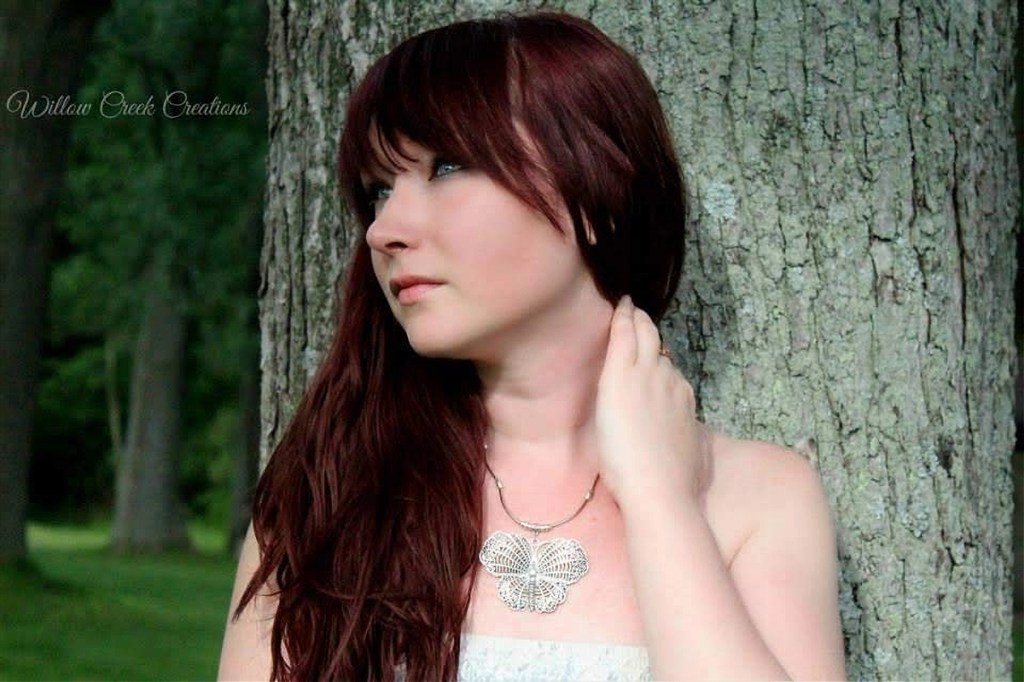
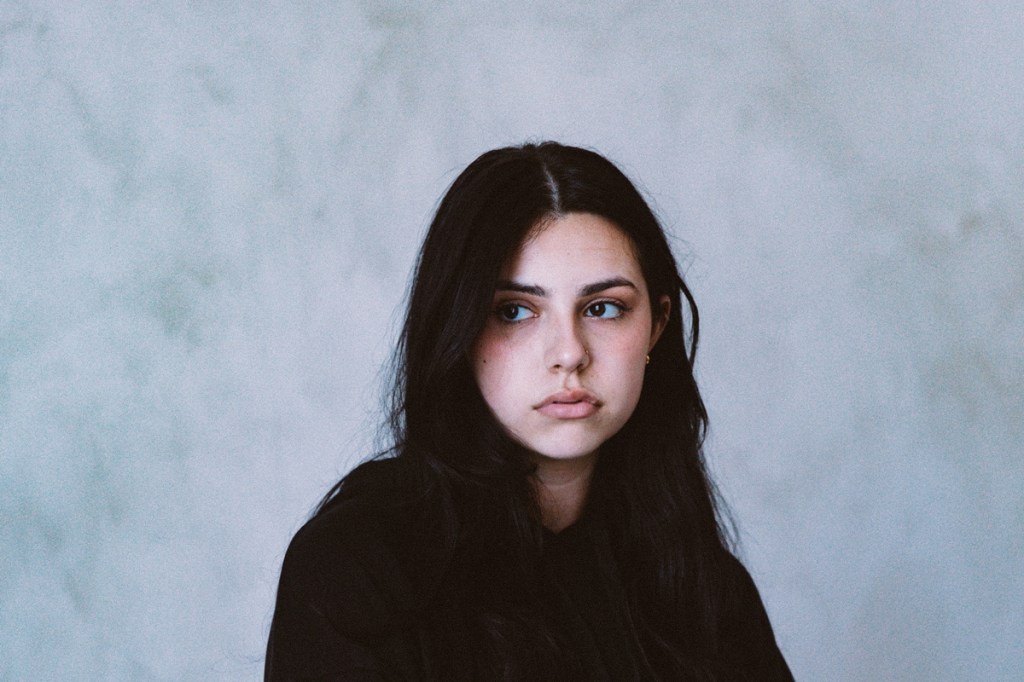
Savanna Leigh, photo by Acacia Evans

Savanna Leigh expresses in vivid detail sentiments in “like i used to” that many of us have thought once we’ve aged sufficiently far into adulthood to have some perspective on life. With some shimmery, slightly gritty guitar rhythm guitar as accompaniment to build the mood of romantic nostalgia, Leigh’s voice is brimming with bittersweet reverie at reflecting on who she felt she has lost and the seemingly long ago memories of what it was like to be a girl and a teenager when you can look back and remember how free you were, how untrammeled by the experience of life and the compromises required of you as you enter the adult world, the unstructured time and lack of responsibility and relative lack of concern for the consequences of your actions because you feel like there can’t be too many when you’re following your youthful urges for adventure and exploration of your world, testing boundaries and breaking them. And it’s easy to romanticize one’s youth when you don’t have that level of freedom in your adult life and you don’t get up every day with the thrill of living coursing through your being and you can sing a line like “I guess I don’t love me like I used to” without too much irony as Leigh does in this song. But there’s a lot to not love about being a kid or a teen and your freedoms are different and your actual limitations less even if things are more complicated. But wouldn’t we all want to be able to live as an adult with a similar degree of carefree spirit and engagement at the relative newness of experiences and knowledge? Maybe in some future civilization that will all be possible for humans for their entire lives. But there is something somehow comforting and motivating about looking back as Leigh has in this song to make your current life as vital as the one you miss and to be the kind of person you want to be in spite of how uninspiring adulting can be. Watch the video for “like i used to” on YouTube and follow Savanna Leigh at the links below.

savannaleigh.com

Savanna Leigh on Facebook

Savanna Leigh on TikTok

Savanna Leigh on Instagram

Benni Strikes a Powerfully Vulnerable Note of Deep Remorse on “September 20”

Benni, photo courtesy the artist

Benni stares off into the distance and walks along a beach in the late afternoon and evening in shifting images throughout the video for “September 20” (directed by Charline Albert). A spare and expansive piano line accompanies Benni’s regretful vocals creating a vulnerable setting for the song. Benni stretches out into a range of feelings in her performance as she outlines how she’s sorry for having hurt someone close to her in a way that seems unforgivable yet she seems to feel compelled to be open about the ways in which she has caused emotional harm and in the video we see some of these words written on sheets that Benni gathers up like the scraps of the relationship and tries to reassemble them on the sand and lays upon them when they are laid out, thus living in those words, owning her actions and the need to be truthful about her misdeeds in a way that feels powerfully sincere especially as the music ascends in a sweeping climax before dissolving to the end with an image of Benni burning her words at dusk. Sometimes you just have to say you’re sorry not expecting it’s going to fix anything or for a storybook reconciliation.The song centers Benni’s heartfelt vocals and it’s almost easy to miss the orchestral vistas of the rest of the music but it all measures up to a vivid and compelling apology for not being a better person with the implicit expression of a desire to do better. Watch the video for “September 20” on YouTube and follow Benni at the links below. Look for her debut EP in 2024.

Benni on Instagram

Benni on Facebook

A Knife Ballet’s “Scattered Red, Blue & Black” is a Menacing and Melodramatic Amalgam of German Romantic Classical Music and Cinematic Post-rock

A Knife Ballet, photo by Thomas Nightingale

There’s something of the the promise of tragedy ahead in the beginning of “Scattered Red, Blue & Black” by A Knife Ballet. A lonely guitar figure floats in space joined soon by strings and companion guitar work like images in a film conveying movement toward something menacing. Bell tones accent the rhythm and the musical elements shift in expression so that the strings are less melancholic and more anxious and urgent as the song progresses and all sounds but the barest guitar drop off and then return with great, clashing clamor. The second half of the song is an almost martial rhythm haunted by violin commenting on the dire consequences of some great melodrama to which the song seems to be a score. Musically it’s a blend of German Romantic classical and post-rock both the more tender and haunted manner of Slint and its broadly subtle dynamic range and Mogwait’s cinematic intensity. And you certainly want to see the movie that inspired the music or the one it inspires. Listen to “Scattered Red, Blue & Black” on YouTube and follow A Knife Ballet at the links below. The song was taken from the forthcoming For The Blood Of England LP.

A Knife Ballet on Instagram

Laura Carbone Coaxes Us to Accept the Positive Things in Life That Could Be on the Orchestral Dream Pop Song “The Good”

Laura Carbone, photo by Helen Sobiralsky

A spectral keyboard sound hangs in the background of Laura Carbone’s “The Good” like a gentle reminder of one’s better instincts. The processional pace of the song serves its message well and when the guitar strums linger catching the strings individually at times before heading into the moment of the song it contributes greatly to the orchestral sound Carbone brings to bear with her uplifting vocals. The song is about how many of us have been so conditioned to not expect anything out of life without deserving it in some transactional sense whether that be religious beliefs or living under capitalism that we distrust anything good and positive. The chorus of “You run away from all the good” speaks directly to this but so does Carbone’s lyrics about dreams and how we’ve learned to not listen to our better instincts that guide us toward what we really want out of life in its myriad dimensions. Rather, when something good does come our way we will often distrust that it’s real and convince ourselves best to run away rather than get fooled into a bad situation even when there really isn’t one. Carbone with this song coaxes us out of this mindset with a gentle and compassionate touch without judgment but part of that involves coming to terms with puzzling behaviors and ideas we’ve internalized even when they don’t serve us well. Watch the lyric video for “The Good” on YouTube and follow Laura Carbone at the links provided. Her album The Cycle is due out in April 2024.

Laura Carbone on Facebook

Laura Carbone on Instagram

Freddi Rituali’s Vibrantly Elegant Post-punk Single “Per ridere di te” Recalls Vintage 80s European Coldwave

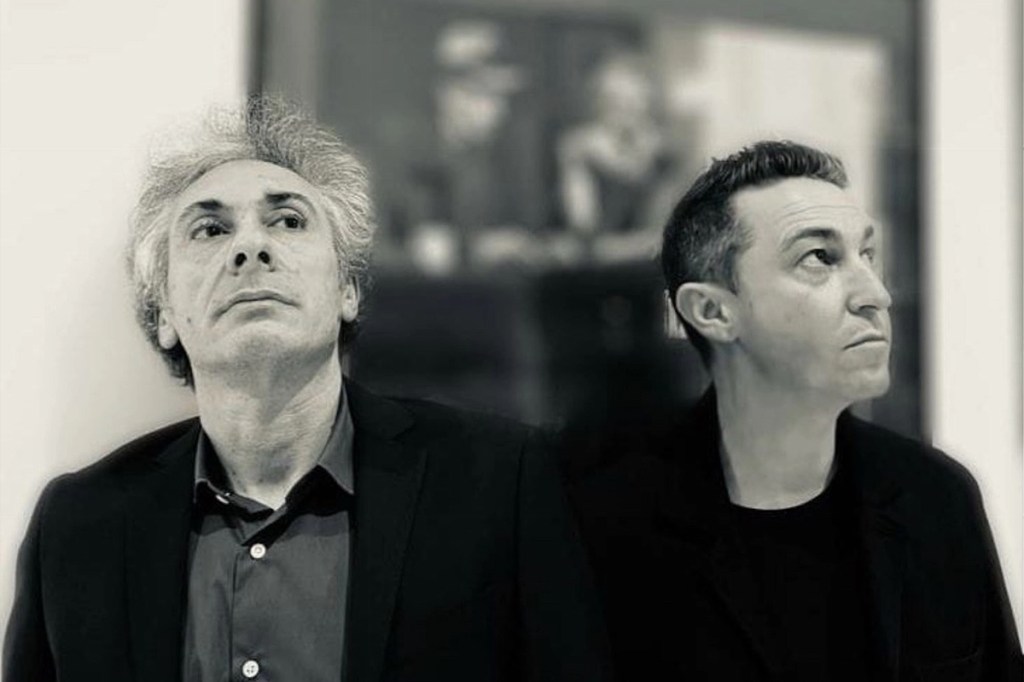
Freddi Rituali, photo courtesy the artists

Freddi Rituali’s economic use of clean tonal lines, spacious arrangements and a brisk pace on “Per ridere di te” (“To Laugh at You” in English) is reminiscent of some long lost 80s coldwave band. Think a more minimalist Martin Dupont. The expressive vocals provide a great deal of the passionate energy in the song along with the processed guitar with that type of distortion and melodramatic flourish of the aforementioned era. The synths at times pulse with vivid clarity and at others supply a melancholic undertone buoyed by the almost motorik percussion while spidery guitar leads accent the vocal lines in elegant filigrees. It’s a song that could have come out in 1987 and been a hit or today and fit right in with current darkwave but with much more creative songwriting and guitar work than most. Listen to “Per ridere di te” on YouTube and follow Italian post-punk band Freddi Rituali on Spotify.

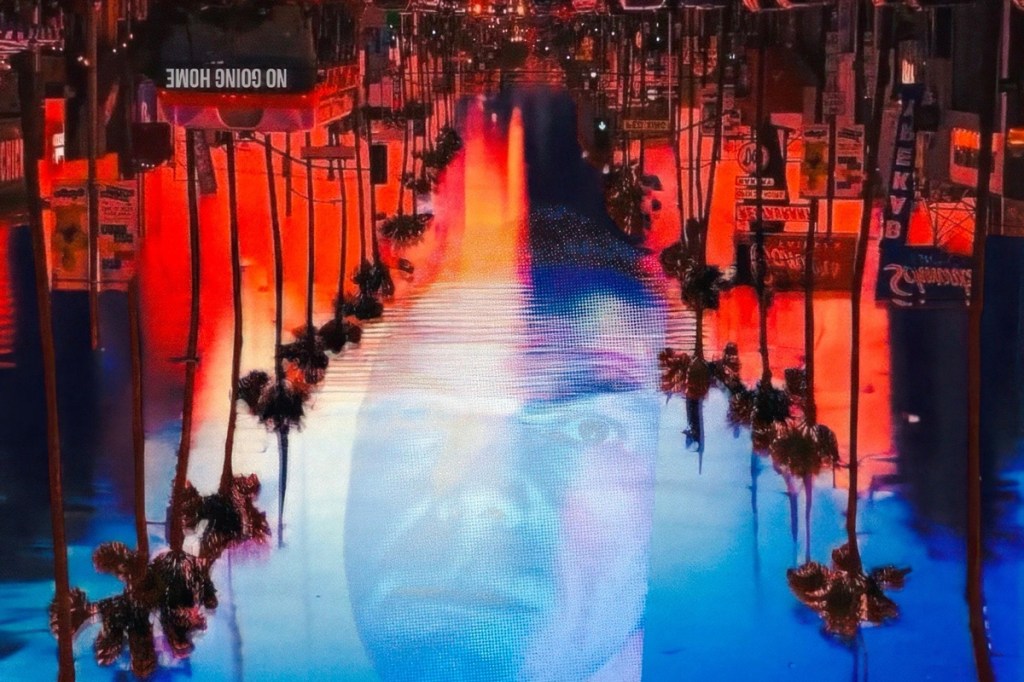
Shadow Sides Brings and Uplifting Energy to Coming to Terms With Childhood Trauma on the Shoegaze Tinged “no going home”

Shadow Sides’ new single from its forthcoming album Dissolve the Frame “no going home” is stylistically divergent from the brooding darkwave of “heroine with meaning.” The sparkling guitar work is more reminiscent of the expansive, ethereal sounds of 80s post-punk band The Chameleons. Chords hang and dissolve over an understated, driving bass line and drums, the riffs shimmer and burn with an urgency in moments reflecting the lyrics that hint at an adulthood coming to terms with childhood traumas. Lines like “Buried in youth” after “Uncovering half truths” points to the kind of information that sometimes hits you out of the blue and rattles your psyche for a moment because you’ve had to dissociate at those earlier points in your life to emotionally survive and the memories had stayed hidden and all but forgotten. Though the song is upbeat it is an expression of the kind of energy you have to muster to not be sunk with finally coming to deal with dark moments of your personal history that inspire thoughts like “Nothing stays the same, there’s no going home” because it’s abundantly clear why that isn’t even a desirable option. Without softening the impact of experiences like the song outlines that many people can find relatable it kindly expresses the sentiments indirectly, resonating with the emotional truth over relating graphic details, and pairs it with the kind of uplifting melancholia that The Chameleons and bands it influenced like Kitchens of Distinction and Slowdive manifested so well in their own foundational work to the kind of song Shadow Sides offers here. Listen to “no going home” on Spotify and follow Shadow Sides at the links below.

Shadow Sides on Facebook

Shadow Sides on Instagram

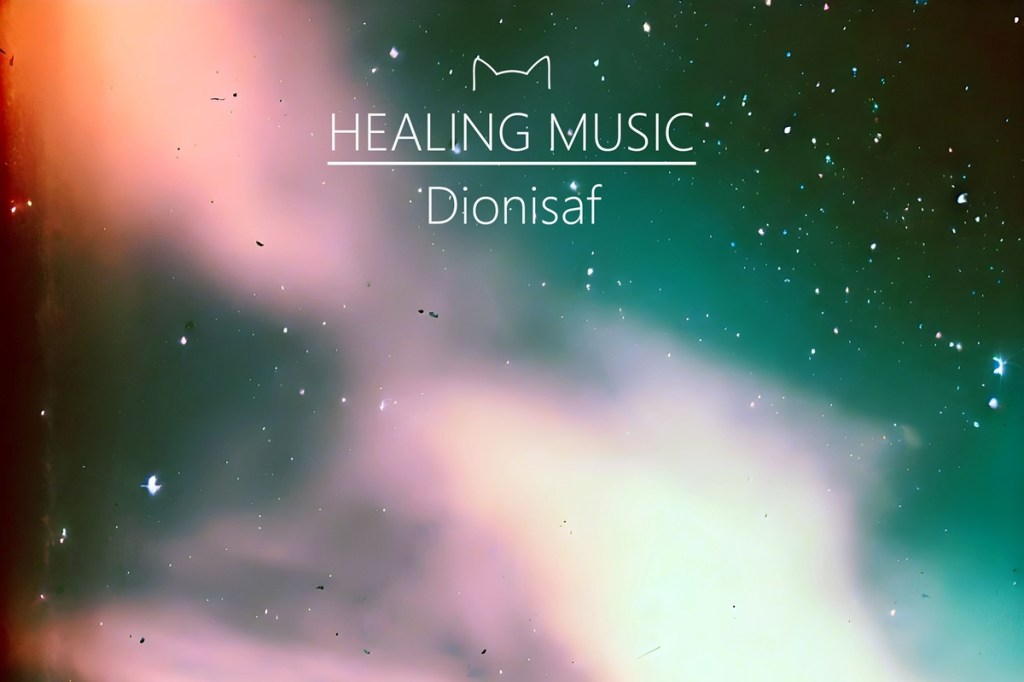
Dionisaf’s “Tantric Cat” is an Epic Ambient Journey Through Meditative Inner Space to the Tranquil Outer Reaches

“Tantric Cat” is the epic 30:03 track that opens the new Dionisaf album Healing Music (released January 12, 2024). It begins with the sound of purring before the tones of an enveloping cosmic soundscape drift into the distance. What sounds like a campfire or rain falling into a lake layers through the spectral haze. After three minutes voices echo through like ancient radio transmissions captured and rendered audible by an alien technology or organism or a blend of the two. The streaming, luminescent tones increase in speed like tail of a comet and we hear the sound of those streaking lights a harmonic, evolcing drone embodies the brightest end of that movement. Perhaps the music is an interpretation of the title and the said cat rather than that of the Schrödinger variety is taking a journey through time and space via a discipline enabling a type of astral projection and able to translate this experience as a sound that conjures visual images while the cat is warmed by a fire that grounds the ethereal and heavenly flow of noises inducing a sense of deep calm and connection with a larger universe and spaces and energies we will likely never know directly except through such creative expressions. More voices leak through the shimmering vistas of drone over a third of the way through the piece sounding ever so much like the chatter of astronauts adrift in space from decades past and rather than being haunting it curiously has a quality of comfort through familiarity in the abstraction of the ambient soundstream. In the last third of the composition the dense drone clears away as though we’ve entered a primordial cavern with textural sounds, rattles and the sound of rain replacing the drones of earlier, it’s a cleansing sound, tranquil in its fashion rooted in tactile experiences yet with the beacon of pulses of melodic tones discernible in the far distance. As the song comes to a close the chatter of humans returns as the rain diminishes and a sense of being gentle set down in regular reality sets in while all sounds fade to silence. It feels like a real journey and that it can’t possible have been around a half hour in total. Listen to “Tantric Cat” on Spotify and follow Dionisaf at the links provided.

Dionisaf on Facebook

Dionisaf on TikTok

Dionisaf on Instagram

Dionisaf on YouTube

Dionisaf on Apple Music

Yify Zhang’s Sweepingly Orchestral Synthpop Single “This Is The Year” Encourages All of Us to Live Our Dreams Sooner Than Later

Yify Zhang, photo courtesy the artist

Yify Zhang offers a different vision of a song of self-affirmation with “This Is The Year.” In the beginning she acknowledges how in times past she put her energy and effort into someone else’s concept for who she is and what she should strive for, in effect trying to live out a prescribed role and striving for aspirations handed to her rather than her own. With hushed, introspective vocals Zhang course upward as the song’s orchestral melodies saturate from a dreamlike spaciousness to something more concrete and full like the intentionality in realizing a new vision for self that Zhang articulates in the song’s lyrics of leaving behind her previous was of being and learning to trust herself and follow her passion and guiding the course of her life by plugging directly into that living her authentic dreams for herself. Most of us have spent a lot of our lives fortifying the fortunes of others and often not that of even the people we care about and who enrich our lives directly without questioning it and in Zhang’s song she breaks a bit of this cycle for herself and a reminder to others they can do so as well. The song’s cinematic scope simply reinforces the sense of that possibility in sweeping synth pop flourishes. Listen to “This Is The Year” on Spotify and follow Yify Zhang at the links below.

Yify Zhang on Facebook

Yify Zhang on Instagram

Elea Calvet’s Cabaret Chamber Pop Single “Sinuous Ways” is Like a Poetic Examination of a Complicated Relationship With Oneself

Elea Calvet, photo courtesy the artist

Elea Calvet’s title to the song “Sinuous Ways” suggests in its very language the way life can be like walking a tightrope in navigating tensions and precarious situations. Also the imagery of the lyrics highlights the interconnections of the various aspects of our lives and how it’s held together like the connective tissues of living. The music cast in strings, piano and Calvet’s near whispered vocals like a jazz singer who maybe took in a little influence from Edith Piaf’s cadence and Jarvis Cocker’s phrasing conveys a mood like a late night cabaret act performing in a darkened club in Paris or Berlin. The words can at times seem to describe obliquely a complicated relationship but one that is more like coming to terms with that relationship with oneself and grappling with one’s own existential angst. Listen to “Sinuous Ways” on Spotify and follow Elea Calvet at the links provided.

eleacalvet.com

Elea Calvet on Twitter

Elea Calvet on Facebook

Elea Calvet on TikTok

Elea Calvet on Instagram

Elea Calvet on Bandcamp

Amie Hayes’ Darkly Folkloric Slowcore Single “Wicked Woman” Lingers Long in the Mind

Amie Hayes, photo by William Creek Creations

The spacious and finely textured guitar loop that runs through Amie Hayes’ single “Wicked Woman” sets a mood as dark, stark and brooding as the subject matter of the song. Hayes’ vocals sound slightly doubled to give the words a deep resonance even as they’re delicate and introspective in tone. But there’s an undeniable edge to the song the whole way through as Hayes sings the tale of someone who can’t handle the narrator’s intensity of feeling and personal strength and likes to see her bowed and subservient even if that’s not her nature and lacking that keeping her at a distance so that none of that thorny humanity and grimy emotions rub off and complicate matters. The narrative thus hits like a modern bit of folklore. Musically it’s like a dark, slowcore piece reminiscent of maybe some of Chelsea Wolfe’s more dusky folk compositions and its labyrinthine melodies gets under your skin a little in a way that invites repeated listens. Listen to “Wicked Woman” on Spotify.