“Lost & Burnt” by Legends of the Seven Golden Vampires with its echoing vocals from Ilsa Van Der Linden and loping, lurking rhythms sounds like a downtempo track from a neo-noir film set in the late 70s. The music video features neon signs and views of the musicians through old TV screens while light flickers like the images are being projected from an old film reel. This aesthetic suits well the slow shimmer of synths in the song and how it contributes to a kind of grimy yet undeniably entrancing psychedelia. It’s the kind of song you’d hope to hear at Bristol Northern Soul Club as the band’s single “Autumn Fall” was embraced as this track truly has a classic Bristol music resonance with deep mood and a gently hypnotic feel. Watch the video for “Lost & Burnt” on YouTube and follow Legends of the Seven Golden Vampires at the links provided.
Patrick Shiroishi’s forthcoming new album Forgetting is Violent (out September 19, 2025 on vinyl, for download and streaming via American Dreams) promises more of his exploratory compositional technique. The track “There is no moment in my life in which this is not happening” features Elizabeth Colour Wheel’s elemental vocalist otay::onii contributing a slow wailing chant alongside Shiroishi’s own spoken phrases to the layered, ritualistic drones paired with rhythms embodied in the iterative flow of organic textures. The sound of Shiroishi’s signature saxophone is transformed into characteristically nearly unrecognizable forms. One imagines this music being performed in a remote, Zen meditation retreat in a spot that continues to be a place of deep, internal, mystical experiences once your mind is freed of the distraction of the press and demands of commodified modern existence in the global capitalist dystopia. Once freed of that energy the recognition of one’s ongoing connection to eternal forces and patterns becomes obvious and this song seems to speak to the process of reconnecting with that which is ongoing underneath the illusion of atomized, monetized, contingent social reality. The album itself is a meditation on the legacy of racism and colonialism and the title resonates with the lingering and still very present impacts of such historical realities that permeate daily existence whether society collectively chooses to acknowledge them or not. Listen to “There is no moment in my life in which this is not happening” on Spotify and follow Patrick Shiroishi on Instagram.
Origami Ghosts’ “Virtual Reality Boy” is musically reminiscent of something from the 2000s before indie rock and pop became too much of a genre branding exercise. Its idiosyncratic vocals and rhythms feel organic like something written because someone had a nice guitar melody and a concept that is beautifully realized in the animated music video with images straight out of early video art and resonances with a Daniel Johnston album cover. The song seems to be one of exploring the wonders of a virtual world and in the end a yearning to be back in one’s own meatspace even though real life can often be challenging and a bummer and lacking in supposed infinite choices. But the lack of actual connection and the underrated and often unconscious emotional adjustment of not being overstimulated and thus natural emotional regulation is something our minds crave even when we’ve convinced ourselves otherwise. The vocal melody suits the song and its tone well even if it’s not some overprocessed and conventionally “pristine” because it’s human and that is where the song’s appeal rings most true. Watch the video for “Virtual Reality Boy” on YouTube and follow Los Angeles-based, psychedelic pop band Origami Ghosts at the links below. The band’s latest album A fine time to talk about nothing released August 8, 2025 on vinyl, cassette, CD, download and streaming.
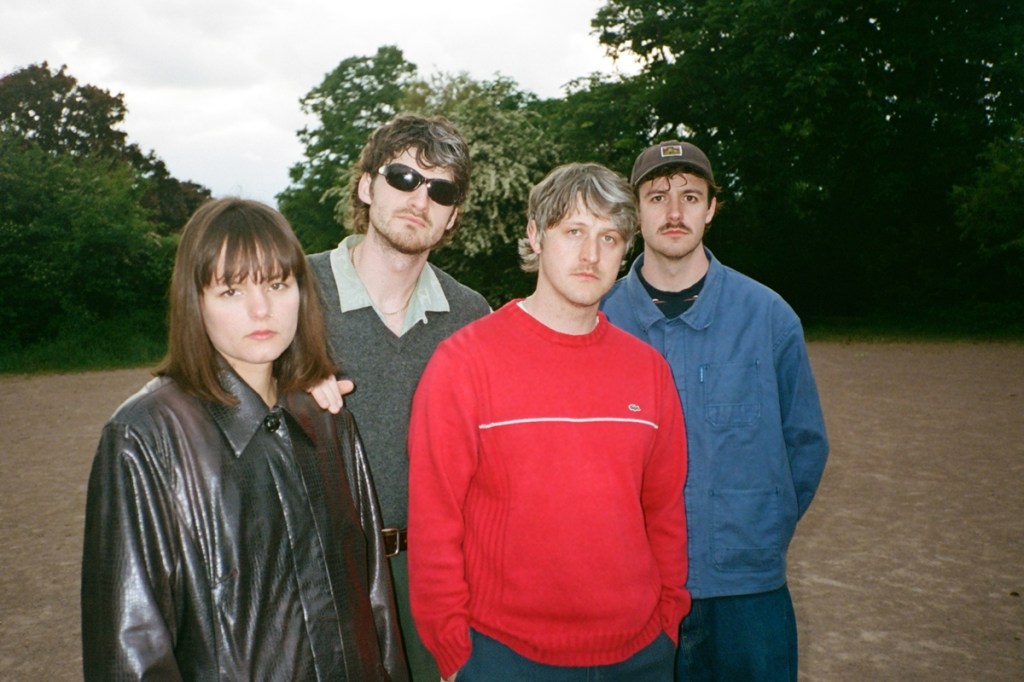
London-based post-punk band Pynch will release its new album Beautiful Noise October 3, 2025 on vinyl, digital download and streaming. Its lead singles promise something more sonically rich and diverse than one might expect with any genre tagging and the cheekily titled yet endearingly rendered song “Post-Punk/New-Wave” speaks to that. In the current era it seems like every musical idea has been tried and every combination and trying to get a hook into a potential listener while remaining true to an idiosyncratic, and thus truly valuable, artistic vision and sensibility can be challenging. There is simply so much out there to cater to tastes but when those tastes are not necessarily cultivated either one can get caught up in trying to appeal to too much. But instead of trying too much the song has a simple melody and rhythm with lyrics that are just dead honest about the way all the possible options and the multitude of distractions and demands on your life and time can pull you apart into a state of perpetual existential crisis without committing to anything because doing so might mean you’ll miss out, be out of date and seem quaint by being about anything. The opening lyric spells this dilemma out nicely: “It’s post-punk, it’s new wave with a little bit of shoegaze, I want it all.” And don’t we all want to have options? And yet infinite options is exhausting and corrosive to a sense of self. Ironically, perhaps, the song does have an identity as an eclectic, jangly song with undeniable hooks that is all it aims to be while evoking modern angst in an era of social media and endless access to often meaningless choices. Watch the video for “Post-Punk/New-Wave” on YouTube and follow Pynch at the links provided.
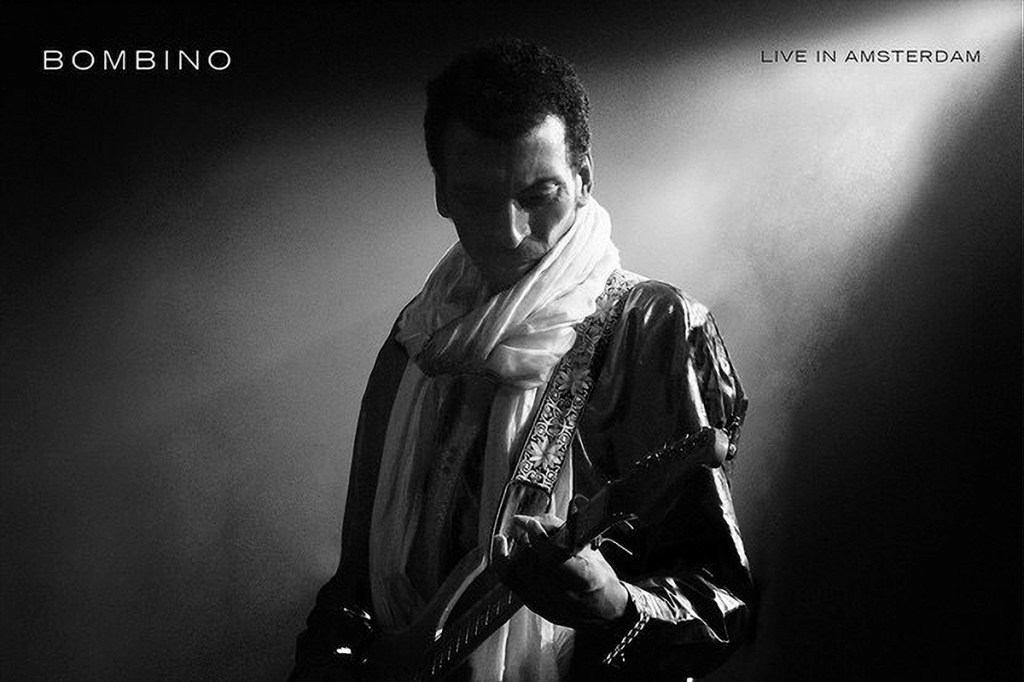
“Tarha” came about when Greatg Big Warm House invited Grammy nominated Tuareg artist Bombino into their space Villa Lala in Vienna to record. It’s a song about love, friendship and the desert but one doesn’t need to speak Tamasheq to feel the warmth and affection in the music. The intricate, fluid and energetic guitar work intertwines with the Bombino’s soft yet finely inflected vocals that rise above the rhythmic guitar leads and spare drones that serve as a narrative backdrop and emotional context to the music. It has the sound of tranquil journeys over sand to visit those closest to your heart and the yearning for that connection that gives you the peace of mind to endure the heat and exertion to reunite and share in the company of the people that help to fill your heart with meaning. Listen to “Tarha” on Spotify and follow Bombino at the links below.
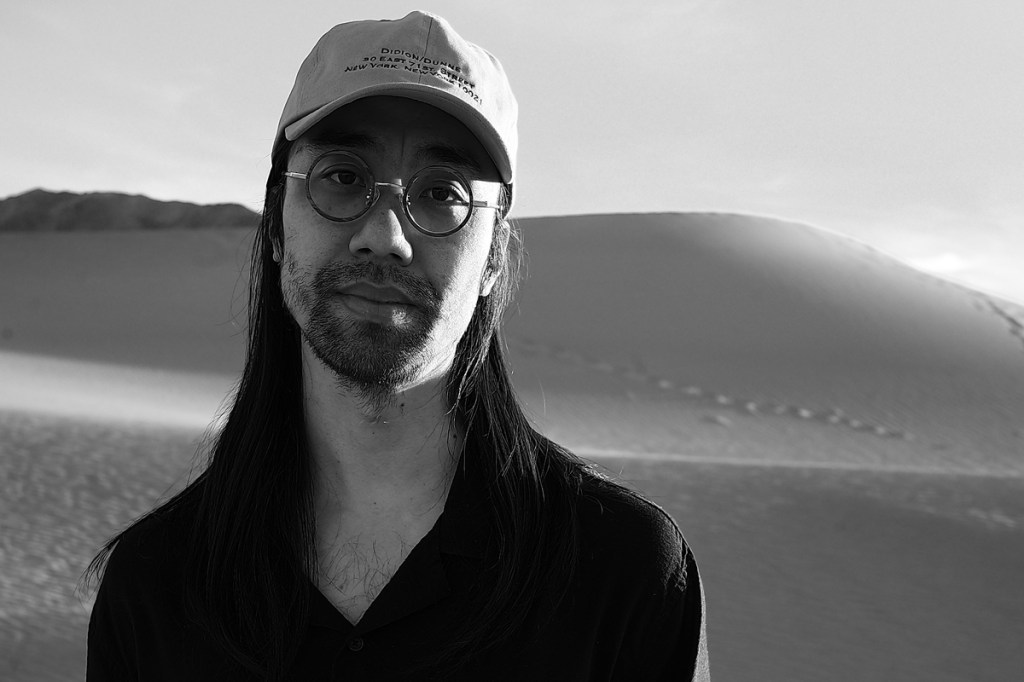
“Q-41_QV_050325a” sure does look like one of those file names that Aphex Twin uses for titles for tracks on some of his own releases. But it is part of Doc No’s latest collection Quimby Variations, Vol. 1 (released June 20, 2025). Its spacious resonances and vivid tonal quality sounds like the musical equivalent of a slow moving pinball machine with the ball hitting various objects as it bounces gently off walls as it’s guided through a gauntlet of widgets that change its trajectory and triggering unique sounds that are both percussive and rhythmic. All while swelling and fading drones give the foreground music a contrasting context of sustained harmonics. That the piece was part of a larger set performed through modular synths and recorded straight to tape makes it an even more impressive achievement of all but spontaneous composition. Listen to “Q-41_QV_050325a” on YouTube and follow Doc No aka Noah Davis at the links below.
“Apogee” is the second single from Madeline Goldstein’s forthcoming full-length album set for release in fall 2025. It is the first and only co-written song with Matia Simovich (a producer on releases from Them Are Us Too, SRSQ, Riki, Houses of Heaven, Inhalt and others). The song has the hallmarks of Goldstein’s songwriting and vocal that have made her work today some of the most entrancing and sonically rich modern synth pop and darkwave happening. Goldstein’s 2023 EP Other World was a short release to get lost in with the noir storytelling and saturated synth melodies paired with Goldstein’s soaring, melodious and evocative vocals. “Apogee” has all of that but a step further in development with unconventional percussive elements that include field recordings of wrenches dragged across chain link fences and even more layers of synth and electronic drums.
All in all this deeply personal song that seems to be about being in that liminal space in your heart where you wonder if the situation you’re in with someone is reaching a high point or if it’s some kind of yearning that blurs the line between connection and something deeper. The dramatic bursts of crystalline synth tone and pulsing rhythm is engulfing and hypnotic like a melancholic dance song written to induce the crying out of confused and complicated emotions while stuck between feeling so strongly and not knowing if it’s reciprocated or if it’s all been in your head yet not being able to deny your own depth of feeling. And sometimes the best way to process that state of being is to write and hear a song that speaks so directly to an emotional state that is common enough but not often written about with such elegance and tonal precision. Listen to “Apogee” on YouTube and follow Madeline Goldstein at the links below.
Ava Della Pietra’s confident and sassy “2 can play” is a song about how sometimes we can all think we’re into someone who is bad for us and is bad news in general. In the song Della Pietra takes on a two faced lover or would be lover who seems to think it’s fine to play the field among her friends like they wouldn’t talk. There’s a term for this kind of man that includes the word “boi” but it’s not mentioned in the song because this guy doesn’t even rate that. Della Pietra reclaims her dignity by walking away after first feeling a little hurt as you do and turns the tables on the fool who probably won’t be able to handle it. The playful rhythms arranged with the pace of the story and how it sketches out the sitch lends the song some unconventional structure that reflects the lived of experience of being done wrong and then finding a way to turn that shady behavior sideways on the perpetrator. Watch the video for “2 can play” on YouTube and follow Ava Della Pietra at the links below.
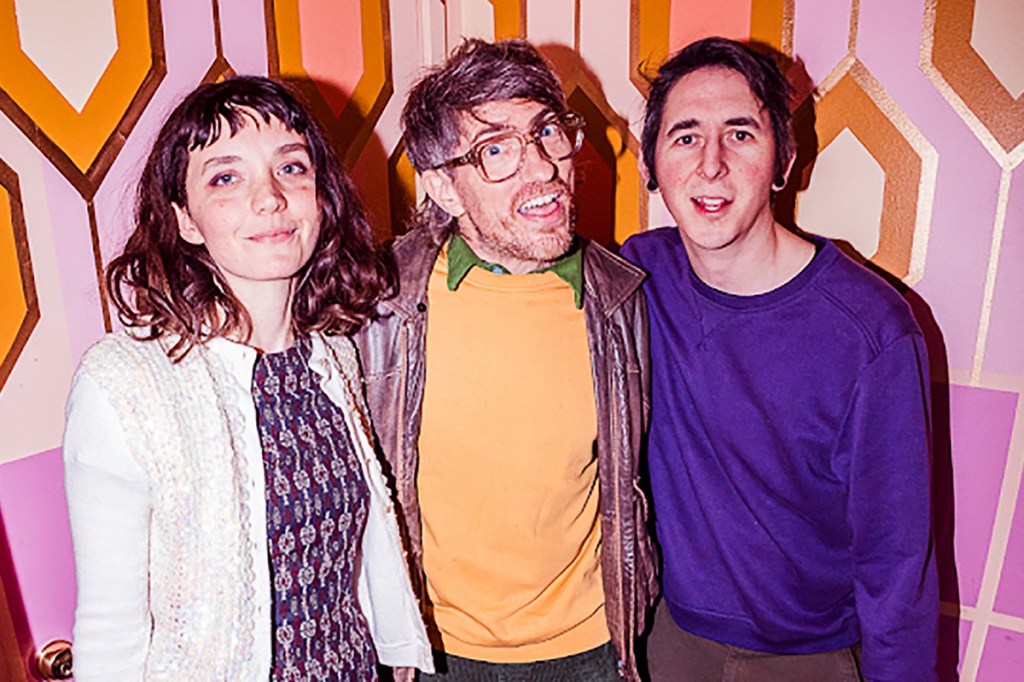
The Trentemøller rework and remix of Tan Cologne’s dream pop single “In Resin” renders it all but unrecognizable beyond the entrancing melody. Rather than centered on guitar the driving sound is a simple piano figure underneath vocals that seem to appear and dissolve in the mix only to reappear later like clouds in the late spring daytime. The minimal percussion accents provide a grounding textural element that guides rather than anchors the song which seems to be flowing and drifting where it will but with a soothing and hypnotic quality like getting lost in a daydream of the original composition. Listen to “In Resin (Trentemøller Rework)” as remixed by Trentemøller as well on YouTube and follow north New Mexico duo Tan Cologne at the links below.
The enigmatic, slowly evolving harmonics of the drone that introduces Fletcher Tucker’s “To Light a Fire” from his new album Kin (out August 15, 2025 via Gnome Life Records) complements well the video footage of a fire burning in a pile of grass and other dried vegetation. The way a fire is in variation of form as influenced by the flow of oxygen around it but of uniform character. Then the voice comes in talking about building a bonfire in the snow far from the nearest road to commune with ancient human existence in a ritual surrounded by nature. The words speak to connecting with one’s ancestors and the generations to come. At the halfway point flute-like Mellotron figures and resound across the field of sound with minimal percussion (provided by Phil Elverum) accenting and brushing about like it is embodying the crackle of branches breaking down in the fire and the gentle sound of flames consuming wood. In the end of the song it becomes obvious that the song has been a kind of birth rite welcoming new life into the world in a way that would have been familiar to humans millennia ago and imbuing it with a mystic power often missing from human experiences in the present. Watch the video for “To Light a Fire” on YouTube and follow Fletcher Tucker at the links below.







You must be logged in to post a comment.