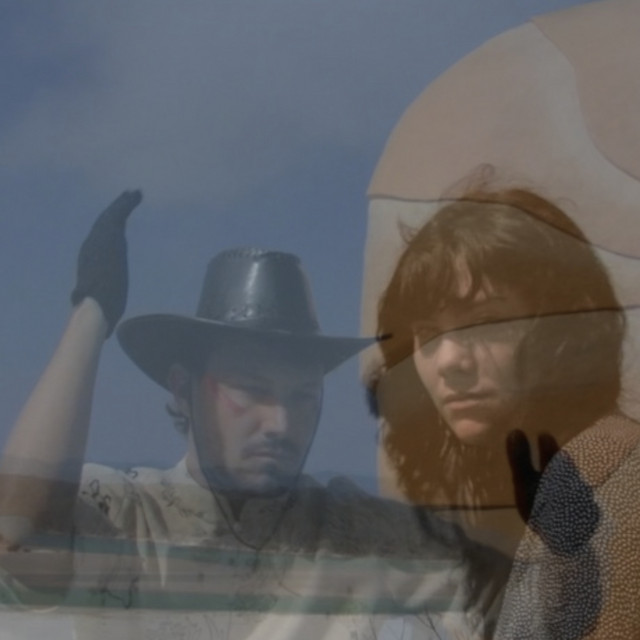

Elegy’s Jangle Pop Single “Mississippi” is a Song For Anyone That Has Ever Felt Penned in by All Too Familiar Places

As Elegy’s “Mississippi” begins one is reminded of classic 1980s power pop with the guitar jangle and vocals that are strong on emotion and texture if slightly rough around the edges in a way that is often more compelling than something more in the pocket of mainstream pop. The title of the song suggests it might be about a place but really the song is about a memory that a place may bring strongly to mind. This one about a time long ago about a time when someone you once trusted betrayed it by working to get you to question yourself and your own self-worth and the spirited resistance to that kind of behavior. It’s a song in which a certain place brings back these memories and ties it to a sense of needing to break free of old habits, patterns and associations in order to live with joy and integrity. Fans of records produced by Mitch Easter will appreciate the feel and songwriting style and how it transcends the specificity of time and place and speaks to relatable experiences for anyone who has felt like the place they’re from is too small and provincial whether in the titular Mississippi or New York. Listen to “Mississippi” on YouTube and follow Elegy at the links below.
Elegy on TikTok

Unwed Sailor’s Exuberant and Bright “Windy City Dreams” Points to New Sonic Directions for the 2023 Album Mute the Charm

Unwed Sailor, photo courtesy the artist

“Windy City Dreams” is the lead track from Unwed Sailor’s forthcoming album Mute the Charm (2023, Spartan Records) and it points to the stylistically divergent direction of the new record. Its brisk pace and layers of spiraling guitar melody over pulsing bass lines and finely syncopated percussion is brightened by subtle synth tones that drift in and out like the sunlight on a bright but partly cloudy and yes windy day. As the song progresses the instrumentation coalesces into blooms that strike nearly discordant shapes like a brief flurry before landing back into an exuberant forward path. It’s the kind of song that feels like Unwed Sailor is forging a new creative path beyond the captivating post-rock and organic ambient style that many fans of the band may know. Listen to “Windy City Dreams” on YouTube and follow the Seattle-based band Unwed Sailor at the links below.

Unwed Sailor on Facebook

Unwed Sailor on Twitter

Unwed Sailor on YouTube

Unwed Sailor on Instagram

Atomic Blonde Casts Off the Dynamics of a Toxic Relationship on “You Became God”

Atomic Blonde, photo courtesy the artist

Atomic Blonde’s confessional and insightful “You Became God” contrasts the singer’s vulnerable and ethereal yet present vocals with piano work and electronic melodies produced so as to sound like music from a time of life long ago. The lyrics go into how one can become lost in a relationship particularly on in which one is encouraged in perhaps one’s own inclinations to put the other person on a pedestal. The opening line “Obsessed with how unhealthy this is” hints at an awareness of how the relationship was dysfunctional from the beginning. But that can seem romantic when you figure you can work through these things. But throughout the song there is a narrative of an awakening to manipulation and how a narcissist can seem charming at first and make you feel like you’re valued until what you have to offer is deemed not enough and in the end there is nothing there but the mind games and emotional trauma as manipulation and neglect. The final lines, repeated, “Oooo, you sang the song of angels/And I, I fell for the devil” speak directly to this dynamic that leaves many people emotionally scarred for years but that recognition cast in those emotional and mythical terms erodes the appeal of such bonds hopefully going forward and beyond the kind of relationship that inspired the song. Listen to “You Became God” on Spotify and follow Atomic Blonde at the links below.

Atomic Blonde on TikTok

Atomic Blonde on Instagram

Day Spa Navigate the Dark Waters of Personal History and Conflicted Feelings of an Entrenched Relationship on the Downtempo “Sea”

Day Spa begin “Sea” with a bit of production manipulation of sounds to give a sense of recursive motion in reverse delay. It sets a mood like the rest of the song is going to enter into phrases of deep reflection. When the vocals begin there is a touch of spare organic percussion, like taking a bit of tongue click and wood block strikes and slicing them into the track so that they are like dots upon which the melodic drift of the song can hang. Spare piano sits back though lending tonal contrast as Julius Gibson and Esther Rose deliver a song about internal struggles that impact a relationship including knowing when is the best time to let go despite habits, conflicted feelings and confusion and not wanting to go it alone. But in the soulful vocals and deep dive into sorting out the details that can weigh on your mind and cloud one’s judgment Day Spa use the darkly mysterious atmospherics of the song to help bring emotional clarity with an emotional honesty mindful of the hurt feelings and sensitive spots. In navigating these twists and turns of the heart, Day Spa arrive at the necessary conclusion with what feels like being true to oneself rather than a decision made out of expediency and cruel haste. Listen to “Sea” on Spotify and follow Day Spa at the links below.

Day Spa on Instagram

Wizard Death’s “intro” is Like a Light-Filled Journey to a Realm of Pure Relaxation

Wizard Death, image courtesy the artist

Wizard Death doesn’t demand much of your time with “intro.” The track lasting just one minute fifty employs samples of bird sound to establish a wide sense of space while finely syncopated electronic percussion provide the pacing and forward texture as bell tones seem to luminesce in sequence to suggest motion in melody that floats with a sense of expansive and uplifting moods with a gentle momentum. Like being carried in a mystical conveyance of pure energy that takes you from everyday life to realms of relaxation and nourishment. Listen to “intro” on YouTube and follow Los Angeles-based composer Wizard Death at the links provided.

Wizard Death on TikTok

Wizard Death on Facebook

Wizard Death on Instagram

Sublamp’s Analog Cinematic Layers of Ambient Drone on “Bleach Kids” is Like a Soothing Bleed Over From the Dream State

Sublamp, photo from Bandcamp

Sublamp’s enigmatically titled “Bleach Kids” is like the musical equivalent of abstract film layers projected onto one another and captured on onto sixteen millimeter, repeat a few times, and then the reels left in a hot garage for a summer and processed digitally to enhance the parts of what’s left to recontextualize the source material. The visualizer for the song is a blend of what looks like old film stock and abstract digital visual glitches thrown in with shifting levels of opacity. The music has a roiling background drone with a touch of higher pitch ghost of a melody while surges of sound flare out the way a hole burned in film stock would look projected onto a screen would visually. It’s like an attempt to capture the flow of the memory of a dream you can snatch from the subconscious right after waking. That gift of memory exiting the hypnogogic state that turns the mundane dream experiences into something that pulses with a significance that completely eludes the mind in the mode of adapting to the linear flow of waking consciousness. There is a lot of repetition across it’s seven minutes five seconds but you get hooked into the song from the beginning and at the end it seems impossible that a song only two seconds longer than “Layla” with less obvious activity could seem to take you on a soothing journey and feel like just a few moments have passed. Watch the video for “Bleach Kids” on YouTube and follow Sublamp at the links below.

Sublamp on Bandcamp

Sublamp on Deezer

Sublamp on Apple Music

Treemer’s “Septembre Bloom” is an Exuberant Dream Pop Indulgence of Romantic Nostalgia

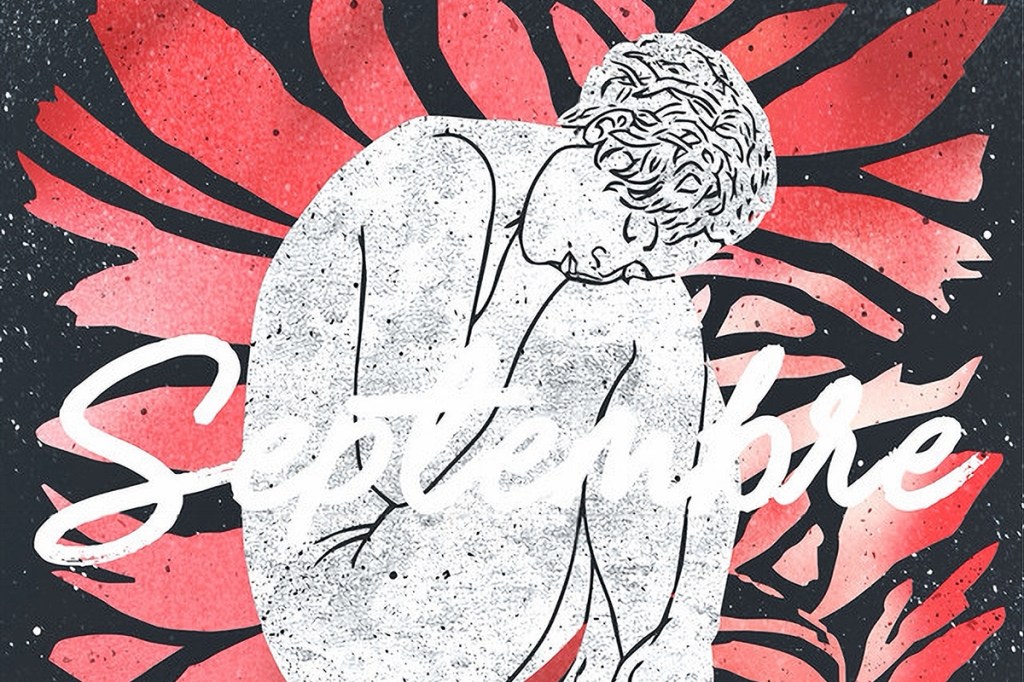
Former members of Finnish indie pop and alternative rock bands/projects of the 1990s and 2000s like Chickenpotpie, The Pansies, Montevideo and Mia Darling formed Treemer in 2019 when one of the former Chickenpotpie cohorts revealed he had a backlog of twenty some songs he needed help in bringing to fruition. The latest batch of songs from the band is the Septembre EP which released on the final day of September 2022. All six songs should appeal to any connoisseur of the kind of dream and indie pop that one might have heard out of the Sarah Records or early Slumberland catalog. But the final track “Septembre Bloom” perhaps launches most fully into the realm of a shoegaze song and sprawling out to seven minutes fifteen seconds of an expansive, joyful melody and winsome vocals. There is a touch of Americana tonality in the guitar work but that just lends the song a quality of nostalgic warmth. Think like an improbable collaboration between Mojave 3 and Cocteau Twins especially in the sections where the vocals seem to be on the verge of layering. It’s a song that seems to be one from a perspective of looking back on an old romance that was passionate and may be over or may have evolved as all relationships worth having do. But the sheer exuberance of the song suggests that even with some of the bittersweet sentiments, the memories are fond and affectionate even in this moment. Listen to “Septembre Bloom” on Spotify where you can listen to the rest of the EP and follow Treemer on Instagram.

Gillian Stone Invoke’s a Spirit of Transformation in Overcoming Self-Destructive Habits on “Raven’s Song”

Gillian Stone, photo courtesy the artist

A slow roiling background drone establishes a dreamlike atmosphere in Gillian Stone’s “Raven’s Song.” Metallic percussion rings out and clatters creating a deep sense of space, psychological and otherwise. Stone’s vocals echo slightly with a touch of reverb singing in mythical terms of carrying the weight of guilt and self-oppression in the line “I hold a torch for a devil” and later about taking that torch to the river and how it casts a blinding light but drowing “in the river to snuff its life.” And yet “Drowning in the river to stay alive.” It is a delicate tangle with a spirit of self-destruction that has settled into your psyche and finding ways of casting it aside or at least diminishing its hold on you and establishing habits and practices to keep it in check. The symbol of the Raven is a complex one whose meaning is similar in both Native American spiritual tradition and in that of European cultures, particularly in Norse mythology. The aspect of prophecy, insight, transformation and as a link between the physical world and that of spirit and as a symbol of a primordial existence from a time before the only world we’ve ever known also points to truths of life and cognition that flow back from a time when there was no formal language and how that has manifested in culture and civilization in forms approximating that understanding and the song draws upon that knowledge that is one of the foundations of consciousness and mythology. The song in establishing an almost meditative feel with the musical arrangements and Stone’s ritualistic vocal delivery links into those associations to resonate on a level beyond the accessible, experimental pop format that draws you into its more layered content. The music video for the song directed by Emma Buchanan, Amir Heidarian and Stone herself is appropriately mysterious and often a white haze field is in frame with a transparent silhouette of, presumably, Stone singing and gesturing like she is connecting with an archetype in the process of finding guidance through the challenge of the journey presented in the lyrics. Watch the video on YouTube and follow Stone at the links provided. Her new album Spirit Photographs released on November 18, 2022.

Gillian Stone on Facebook

Gillian Stone on Instagram

Katharina Nutthall’s Darkly Dreamlike “The Poison Tree” is an Extended Metaphor for Seeking a Path to Emotional Equilibrium

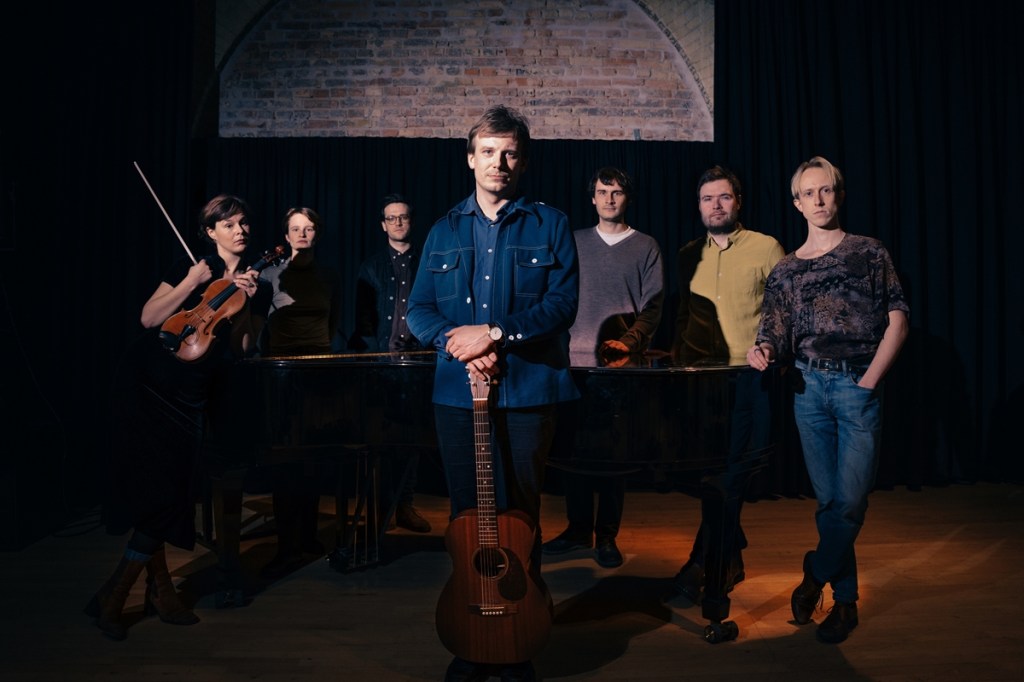
Katharina Nutthall, photo by Albin Biblom

“The Poison Tree” from Katharina Nutthall’s 2022 album The Garden engages in the mythological themes of the album with the poetic imagery found in the lyrics which seem to explore themes of losing one’s path and sense of self and rediscovering all of it on a new foundation. “The Poison Tree” finds Nutthall sounding a little ragged with the urgency of emotion as carried along by what feels like an outwardly spiraling flow of emotion. It begins and ends with the sound of a piano seeming to come apart but in the middle of the song the piano melody anchors the song even as violin accents the dramatic tension and synths, ghostly backing vocals, droning strings, rattling percussion and luminescent keyboards in its ever descending tones create a sense of dramatic confusion. “In the morning rain I found myself lost in the garden” is the first line of the song and it sets the stage for images of natural forces taking on the role of energies and situations beyond one’s control that carry you beyond the contexts you knew. But during the course of the song the narrator of this folkloric story finds herself “out of place and time” but finds solace in the garden shelter even though there’s a “poison tree where the birds flew low and the grass was green.” The metaphor of water as one’s identity that can be drunk while an excess of water drowns a “precious flower.” The aspects of ourselves that make us experience the vitality of life can also become the things that undermine our lives in excess. But the symbolism of the song is never on the nose, its more a dream logic that informs the imagery and emotional resonance and the music itself is reminiscent of the kind of energy one hears in late 80s Kate Bush where a grounded yet dreamlike quality gives some of her most pop songwriting a compelling sense of mystery. Listen to “The Poison Tree” on Spotify and connect with Katharina Nutthall at the links provided.

Katharina Nutthall on Facebook

Katharina Nutthall on Instagram

katharinanutthall.com

Quiet Sonia Creates a Deep Journey From Existential Contemplation to Hopeful Resignation on “In My Arms Many Flowers”

Quiet Sonia, photo by Minder Storrelse

The imagery in Marianne Skaarup Jakobsen’s video for Quiet Sonia’s “In My Arms Many Flowers” is like a collage of negative images super imposed on others with colors manipulated to look like something from decades past. And with the images in motion it flows with an organic drift like the way memories are stored in the mind. The music itself in its intricate web of melody and texture, acoustic guitar, strings, swells of tone. Impressionistic lyrics spoken/sung by Nikolaj Bruus in a weary matter of fact, thoughtful tone are offered in short poetic sketches. Like a piece written inspired by urban decay and the neglect of culture as manifested physically in the landscape and in the lived experiences of people as if everything can be plugged directly into a system to drive short term profits and barring that limited and ever changing utility cast aside. Lonely piano notes seem to mark the time throughout the song but especially as it heads toward the fading outro. But there is a reprise wherein the song proper ends on a note of hopeful resignation. An underlying theme to the song appears to be how we are all part of one big, interconnected cycle of being and that our individual place in the impermanence of being is as actor, as witness and as quantum impetus for what comes after. One might liken it to a post-rock song but it seems to have more in common with the likes of experimental jazz/ambient composers like Steve Tibbetts and John Hassell among other such artists on the ECM imprint in the 1980s with its crafting of tone, pacing and texture. Listen to “In My Arms Many Flowers” on YouTube and marvel at how it’s more than ten minutes seem to pass so quickly and follow Quiet Sonia at the links below. The All Black Horses Came Thundering EP from which “In My Arms Many Flowers” is drawn is out now on Pink Cotton Candy Records.

Quiet Sonia on Facebook

Quiet Sonia on Instagram

pinkcottoncandyrecords.com