
Kepa Lehtinen’s “Helsinki in November” is a Haunting, Intimate and Cinematic

KepaLehtinen2_sm
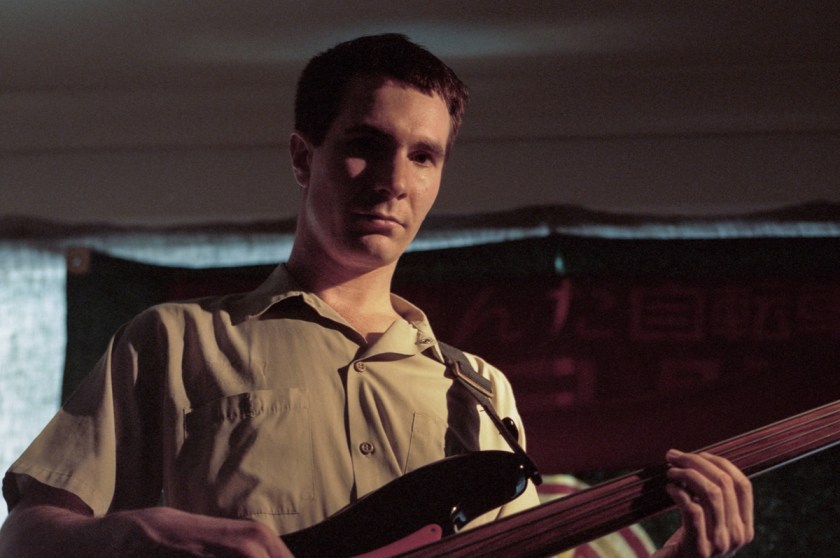
Kepa Lehtinen, photo courtesy the artist

“Helsinki in November,” the title track from Kepa Lehtinen’s new album, has a spare elegance that one senses from the films of Ingmar Bergman and Carl Theodor Dreyer combined with an otherworldly, haunted quality one senses in German expressionist cinema. The use of Theremin as a compositional instrument hovering on the edges of the piano melody and contrabass enhances these impressions of starkly and strikingly beautiful black and white imagery and a time when most human communication was done face to face. The latter suggested by an intimate tenor to the song as well. With years of experience composing for film, television and commercials, Lehtinen brings his talent for setting a mood quickly and effectively with his work for the new album and especially its titular song. Listen below and follow Lehtinen on his Facebook page (link after the song).

facebook.com/helsingin.aaniraita

“What If” by BERG Tells Us That it is Better to Live in the Present Tense Than in a Shroud of Wishful Thinking

Berg1_sm
BERG, photo courtesy the artist

“What If” by Swedish songwriter BERG (Alexandra Berglöf) sets a wistful, nostalgic mood with ethereal harmonic layers that seem to drift with and over each other to serve to highlight vocals that seem to wander through a hazy dreamscape. Produced by The Horrors lead singer Faris Badwan, “What If” sounds like an attempt to escape into the reverie of times past but instead serves as a reminder that doing so can be poison to the psyche however sweet and soothing the feeling at first. The seduction of an imagined better past or future while ignoring the present is a common maladie of the current era with the world more than seemingly rushing into destructive disarray. “What If” tells us in its subtle ways that the present is good enough and that the work to address our bad habits individually and collectively, with compassion and conviction, will feel better in the long run. The song is part of BERG’s new collection of songs called “Fake Love” and you can listen to the single below and follow the artist’s work at the links at the bottom.

www.thisisberg.com
soundcloud.com/thisisberg
www.facebook.com/isthisberg
http://instagram.com/berg

The Rope’s “Now You Know” Is a Brooding and Vital Meditation On Personal Darkness and Defiance

TheRope1-sm
The Rope, photo courtesy the artist

The Rope is a post-punk band from Minneapolis that formed in 2009 and has two EPs under its belt as well as its debut full-length Lillian released in April 2019 on Late Century Records. The song “Now You Know” sets itself apart from the stream of darkwave and post-punk of recent years by demonstrating a keen ear for making something that sounds brooding and edgy without waxing into uninspired Goth tropes. The grittily shimmering guitar provides as much pacing and rhythm as the strong, pulsing bass line and punchy drums. The vocals deftly switch between the intensively meditative to the desperate with a musicality and dynamism that is refreshing to hear compared to the affectless singing we hear a lot in minimal synth and modern post-punk. It doesn’t sound like The Rope just got into synth-driven darkwave because they heard Drab Majesty or S U R V I V E for the first time, there’s a lot of refinement in the songwriting and use of sound and interaction between the musicians and the whole Lillian record is strong on solid material. Yes, if you’re listening closely you’ll hear the influence of The Chameleons and The Sound, perhaps even Mesh and Lace-period Modern English with some early Psychedelic Furs in the vocals. But The Rope is very much its own animal and one whose first full declaration of musical identity is impressively compelling in Lillian. Listen to “Now You Know” below and follow the band at the links underneath.

therope1.bandcamp.com
www.facebook.com/TheRope1
open.spotify.com/artist/4QV2j0EAbYJ2KcAFKaItuU

Josie Dunne’s Alternate Version of “Same” Displays a Gift for Using Simple Elements to Express Complexity of Feeling

JosieDunne_Same_Image_sm
Josie Dunne, still from “Same”

The ukulele can be a played out affectation these days but Josie Dunne has made it into a vehicle for setting the perfect sonic accompaniment to nuanced, mixed emotions. It helps to render the melody luminous alongside her gentle vocal cadences and taste synth like a breeze one imagines the figure in the video would encounter on her ride to sort out her thoughts and feelings on a nice day when peace of mind allows the room for exploring your real feelings rather than what you think they should be or what you’re told they should be when you can take the luxury of getting outside your usual contexts and confines. The simple elements come together so well including the video in which nothing seems to happen that it highlights Dunne’s tenderly thoughtful lyrics. The original is a solid pop song but this alternate version of “Same” is striking. Watch/listen to the video below and to keep up with Dunne you can visit her website josiedunne.com and find her through the usual social media channels.

Mazeppa’s “Storm” Evokes the Grandeur of Maurice Jarre’s 1960s Soundtracks

Mazeppa1_sm
Mazeppa, photo courtesy the artist

From the opening strains of “Storm” by Mazeppa you can tell you’re in for something different from the realm of modern psychedelic rock. The instrumentation and sweeping dynamics is cinematic in a way reminiscent of Scott Walker’s solo albums Maurice Jarre’s soundtrack work for Lawrence of Arabia and Doctor Zhivago. It is not in that long form but the creative vision behind the track is aiming for something more than just a four minute fifty-six second psych rock song. The rich emotional colorings and the impression that you’re getting a glimpse into more mythical human experiences. Side note: Maurice Jarre is the father of synth pioneer Jean-Michel Jarre. The Israeli band named itself after a Lord Byron poem about the Seventeenth Century Ukrainian leader Ivan Mazepa so there’s bound to be a bit of myth making and grander than average storytelling. That and the fact that singer/musician Michal Perez Noy started the group to write songs by Rainer Maria Rilke. None of these details and speculations are necessary to appreciate the lush gorgeousness of the song that seems to sound timeless in a period when there is a lot of imitation in psychedelic and modern progressive rock and few as orchestral as Mazeppa. The group is planning for a debut album release in September 2019 but for now you can sit back and let your imagination engage with “Storm” below. Links to follow the band its goings on below the song embed.

youtube.com/channel/UCDvEt7UN4sSojx_UKyqiVpw
mazeppa.bandcamp.com
facebook.com/MazeppaBand

Prudence’s Elegant Melancholy Incandesces in the Emotional Fog Through “Sound of Your Voice”

Prudence1_crop
Prudence, photo courtesy the artist

Tom Crandles (also of Au.Ra) has been writing music under the moniker Prudence of late. The new single “Sound of Your Voice” from the Major Tom EP has an utterly entrancing decadent, world-weary quality reminiscent of pre-post-rock Mark Hollis with Talk Talk and Mindbomb period The The. The subtle bass line works to accent the downbeats in a way that gives the song a heaviness that could be gloomy but instead accentuates the emotional complexity of a song that seems to be about resignation at thwarted yearnings and a rare admission of male vulnerability in a rock song. The rest of the EP has a similarly beautifully melancholic quality but an undeniable crackle of energy underneath a layer of introspective moods. The Major Tom EP recently released as a cassette and digitally through prudenceprudence.bandcamp.com/album/major-tom. If you’ve been a bit jaded by the wave of same-y darkwave and minimal synth-laden post-punk but looking for something that satisfies what the best of that music supplies, listen to “Sound of Your Voice” below and then give Major Tom a good listen. Its richness of layers, textures, tones and modes will not disappoint.

Franc Cinelli Evokes 70s Daydream Vibes on His New Single “Horses”

FrancCinelli_SilviaLadespa_sm
Franc Cinelli, photo by Silvia Ladespa

On Franc Cinelli’s new single “Horses” the songwriter creates not just a wistful emotional snapshot for the listener, he evokes a time in North American musical history when the the rules for art, film and music was less bound to strict styles and sounds. The spaces Cinelli leaves in the music aren’t all occupied and when they are it’s a fleeting and transporting mellotron line that both makes the melody transcendent and let’s you back into the feeling of reverie, romance and acceptance of love lost that Cinelli conveys so well throughout the song. Cinelli will release his new album Night Songs in September 2019 and until then will release a new song every two weeks. For now you can listen below and follow Cinelli’s progress toward the new record/explore further the songwriter’s work at franccinelli.com.

“People Can Change” by Troy Meadows is Like Bill Callahan after a Beefheart Bender

TroyMeadows2_crop
Troy Meadows, photo courtesy the artist

Troy Meadows is the project name for the songwriting of D. Klein from North Jersey. The song “People Can Change” is remarkable for its unusual arrangements and insistent percussion, which can be an odd listen at first but the textures have a charm that jibes well with the almost shouted, clipped vocal line. In some ways it’s like if the Minutemen had done a Bruce Cockburn cover or Bill Callahan after a Trout Mask Replica bender. The guitar cadence initially seems at odds with every other element but the masterfully accented, interlocking rhythms gives the impression of compound time also giving it hypnotic quality that is so not obvious it’s only after listening to the song at least a couple of times that it hits you. The album from which “People Can Change” hails is 2018’s Adelaide and you can delve more into Klein’s unique musical vision at troymeadowsmusic.com and troymeadows.bandcamp.com.

Tash’s “Dreaming” is the Perfect Song for Introspective Rainy Afternoons

Tash1_crop
Tash, photo courtesy the artist

Who can’t relate to Tash’s words in her new song “Dreaming” in which she sings of regret wishing the mysterious experience in question had only been a dream. The song is introspective and smoky, Tash’s expressive vocals are mildly breathy and reminiscent of Fiona Apple-esque at her jazzy best. The musical accompaniment a sort of progressive, smooth jazz with plucked, minimal guitar lead underneath a gentle strum that holds the rhythm almost as much as the beautifully accented drumming. The subtle phasing in the ultra tasteful processing of sounds gives the song a timeless quality like Tash could have been touring with Sade in the 80s or performing in a hip after hours club at the space port of an intergalactic hub. Exotic yet familiar, this downtempo gem seems like a perfect song for a spring afternoon post-rain shower. With the song produced and arranged by Mark J. Feist (who has produced for, oh, Beyonce, Mary J. Blige, Tyga and many others not to mention his impressive songwriting credentials), it will hopefully find a wider audience outside Tash’s home country of Australia. Take in the song for yourself below.

Kin Capa’s “Sum1” is a Bracing Power Pop Gem in an Age of Uncertainty

KinCapa_TheAmericanOperaActOne_crop
Kin Capa, The American Opera, Act One cover (cropped)

Lee Capa is a multi-instrumentalist and singer whose band Kin Capa recently released its debut album in March 2019. Titled The American Opera Act One, the record isn’t just a sampling of urban American experience with its complexities and challenges rendered with a spirit of yearning to comprehend one’s place in the great big mess while maintaining one’s passion and integrity. The song “Sum1” (listen below) caught my attention because it’s simply a great, jangle-y power pop song that takes some sonic chances with established form including an almost background guitar sound in lightly distorted phasing that gives the track a sense of disorientation but one in which one can let go and trust in one’s instincts and the impermanence of every situation in a fast-moving world to carry the day. The punchy percussion and Capa’s emotive quaver reinforces the perfect impression of bravery in the face of seemingly never-ending uncertainty. Fans of The Raspberries and Dave Edmunds may enjoy this one greatly. The American Opera Act Two is due in the summer. Visit kincapa.com to follow the band’s future adventures in imaginative, finely crafted pop.