The Video for Blocktreat’s “Slow Burn” Is A Synergistic Companion to the Song’s Headlong Rush Into Uncertainty and Wishfulness

Blocktreat1_crop
Blocktreat, photo courtesy the artist

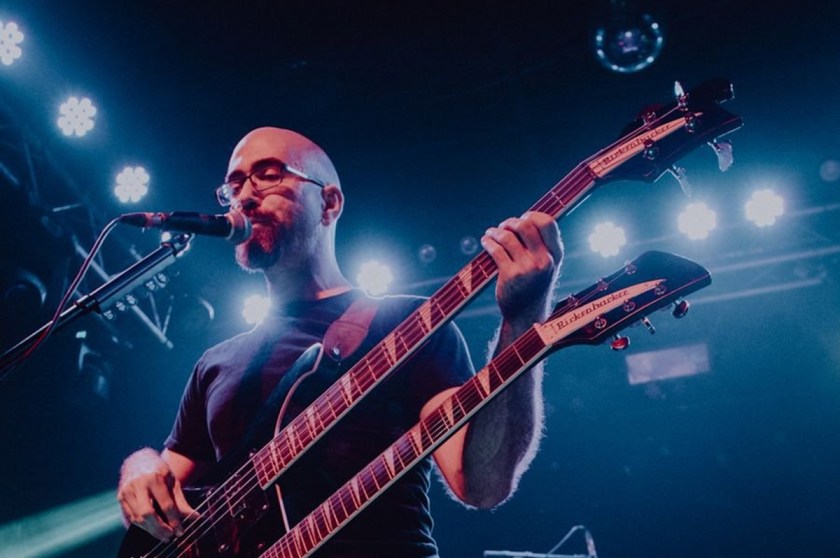
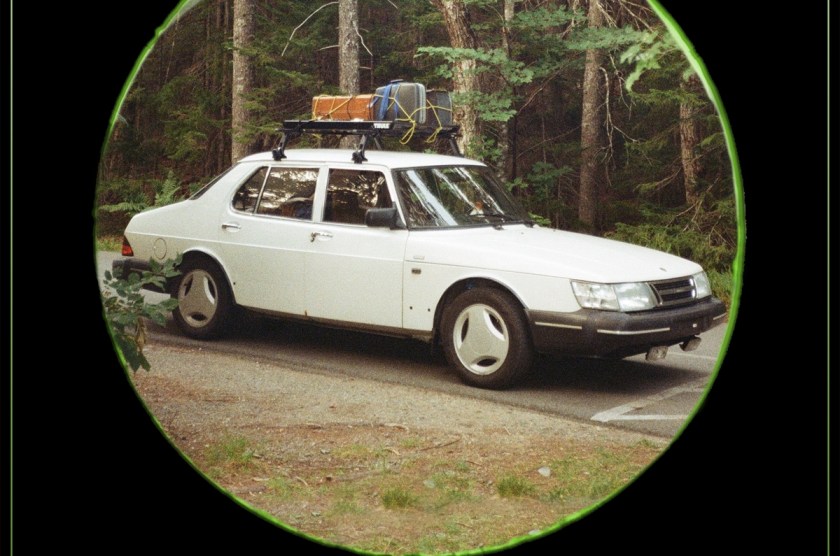
The music video for Blocktreat’s “Slow Burn” allows the lo-fi experimental electro-post-punk song to convey the mixed and shifting feelings of a new relationship in words and the pulsing insistence of the anxiety of the early stages thereof. Is this right? What’s really going on? The sense of wandering in the dark landscape of uncertainty, the attractions and the surprises difficult to fully interpret like a dream sequence, like the dog walking in seemingly out of nowhere and the splashes of color to represent the memories that stay with us and the washed out, almost black and white, other visuals that stand in for the things we’d like to forget or which don’t seem as significant in the moment. It’s like a surreal, short, borderline supernatural horror short where the horror feared in the bottom of your heart never fully manifests but tugs at your psyche all the same along with the excitement and hopefulness, which Brandon Hoffman expresses well with the song that has a quality as raw and seemingly unrefined as the footage, as our experiences and memories themselves can be. The song is taken from Blocktreat’s latest album After Dark and after checking out the video you can further explore Blocktreat’s music through the links following.

blocktreat.ca
soundcloud.com/blocktreat
twitter.com/Blocktreat
facebook.com/Blocktreat

Doc Fell & Co.’s “End of the Line” is the Perfect Modern Truck Driving Country Ballad

DocFellAndCo2_crop
Doc Fell & Co., photo courtesy the artist

Ever since at least the time C.W. McCall making his body of truck driving songs immortal with his 1976 hit “Convoy,” various musicians have tried their hand at the same but mostly succeeded at articulating life on the road in a band. But Doc Fell & Co. with “End of the Line” have written a song that might be a great accompaniment on a road trip but lively enough to make hundreds of miles delivering loads from town to town for weeks and months at a time living out the cab of your truck at times and spending nights in the curious world of truck stops and maybe “jack-knifing in Denver” in winter. In short, the song captures the essence and appeal of that life but also how it can fool you into thinking it can go on forever and time and culture stand still. The song has an undeniable energy without being too rambunctious and the jaunty pedal steel tastefully frames it all in the sonic mythology of one important strand of country music. Check out the song and the rest of the band’s excellent full-length Heaven, Hell or Oklahoma and follow the band at the links below.

itunes.apple.com/us/artist/docfell-co/897663254
soundcloud.com/docfellmusic
open.spotify.com/artist/3V4weWUahUQaSyRfdQbThf
facebook.com/docfellmusic

Grand Commander’s “Animal Attack” and the Horror of the Social Media Culture of the Spectacle

GrandCommander1_CigaineroArtistry
Grand Commander, photo by Cigainero Artistry

“Animal Attack,” the fifth single from Dallas-based multi-genre band Grand Commander, is sort of a futuristic prog funk song that is reminiscent of an idiosyncratic fusion of Trans Am, The Rapture and mid-80s Peter Gabriel. The song is about the lengths some people will go to in our social media obsessed age to garner attention despite how twisted, destructive and misguided those actions might be, so long as it’s “documented” and goes viral with the ephemeral reward of dubious fame only to be ditched off when the next new, warped and demented, action trends sometimes inspiring the discarded “content creator” to do something more drastic. The song is catchy enough with a tasty bass line throughout but clearly songwriter Sam Damask is rightfully repulsed by this dynamic in society and rather than write/record some overblown, borderline nihilistic blog/vlog post about his horror at it all, he wrote a song to help us process and put in its proper place this most modern of phenomena. Listen below and follow Grand Commander’s work at the links underneath the song.

grandcommander.bandcamp.com/releases
facebook.com/GCommander
instagram.com/grandcommandermusic

Melanie Jay’s “WannaBe”Dispels the Voices In Our Lives and in Our Heads Telling Us What We Can and Should Be

MelanieJay1_crop
Melanie Jay, photo courtesy the artist

Don’t be fooled by the introduction to Melanie Jay’s “WannaBe.” Yes, it is a kind of indie pop song that begins with a sound that may be familiar in form but it quickly becomes a flow of recursive echoes out of a chorus that spirals off into the distance before coming back like Jay is singing with herself in the round and it resolves into the sound of an answering machine with the beep to the message trailing off in some delay or reverb. But it all suits the theme of the song in which the narrator contemplates the intricacies of identity and desire and feeling lost in a sea of voices, one’s own and those of the messages we receive each day from different sources telling us what we should be and what we should want. Jay exorcises it all into the wisp of a ghost that may haunt us again but with a diminishing capacity to do so. A truly unusual pop song that works because it uses classic form in a completely original and experimental way. Take a deeper dive into Jay’s work at melaniejay.bandcamp.com.

Moscow Youth Cult’s Single “Low Vision” from Brutalist Evokes The Mystery and Strangeness of Sinoia Caves and Arthur Machen

MoscowYouthCult_Brutalist_cover_crop
Moscow Youth Cult Brutalist cover

London-based Moscow Youth Cult’s music has been making its way into your subconscious through various routes including placements in Portlandia and the video game Saints Row IV. Its deep soundscape pop with unusually dynamic ambient elements more than captures the moment perfectly, it takes you on a journey through a psycho-tonal-emotional space that cleanses the dark places of your mind by the end. The duo’s third single “Low Vision” is like so much of the material found on the 2018 album Brutalist an engulfing listen that puts you through so many of the feels of this modern life from the peaceful to the intensely disorienting. Much as the architecture movement after which the album was named the music reflects the mood of looming totalitarianism that is more than creeping across the world and the utterly natural instinct to resist that tide with spirited creativity. Apparently the song was inspired in part by the writing of Arthur Machen, the literary figure whose fantasy and decadent fiction of the late 1800s proved influential on Lovecraft, Clark Ashton Smith and Stephen King. In the rush of sounds after passages of sonic reverie one perhaps hears the musical cognate of Machen’s epochal The Hill of Dreams. Fans of Boards of Canada and Sinoia Caves will truly appreciate the imaginative use of layered atmospheres and informal beats as well as the heightened sense of otherworldliness grounded in the ineffably familiar that informs this track in particular but also in the work of Moscow Youth Cult in general. Listen for yourself and delve further into the band’s compelling body of work at any of the links below.

soundcloud.com/myc
moscowyouthcult.bandcamp.com
facebook.com/MoscowYouthCult
instagram.com/moscowyouthcult

“Damn Good” is Brandon Hoogenboom’s Ode to Wanderlust and Following One’s Bliss

BrandonHoogenboom_DamnGood_sm
Brandon Hoogenboom “Damn Good” cover

Brandon Hoogenboom was born in southern California, went to high school in Monument, Colorado, started indie rock band Set Sail in Sydney, Australia but ended up back in California before discovering through friends an active music scene in Denver where he spent some time before settling back in Los Angeles. And his new song “Damn Good” reflects some of that worldliness often spent in sunny places. Its bright, lush guitar work is the backdrop to a song about peer pressure to conform to mainstream normalcy but rejecting that in favor of what feels good and right and following one’s instincts and wanderlust because staying too still is how you can be convinced to stop living a life less normal.

In a world where drab mundanity and comfort in arbitrary measures of stability and placing a premium on what constitutes good sense and long term happiness have turned out to be a built on the crumbling edifice of an international economic system that favors only the ultra-wealthy with diminishing returns for those lower down the economic ladder, why bother aspiring to fitting in with such a destructive and soul crushing paradigm for the good life when you have your own vision of where you want to be? Though the song is based on a joyride in Nashville, much as the hippies and other counterculture types in the 60s created a parallel social and to some extent economic milieu in opposition to a corrupt and oppressive society, Hoogenboom is rejecting the offered future in favor of one that seems good by comparison. Listen below and explore Hoogenboom’s solo album and other work at the links after.

soundcloud.com/brandon-hoogenboom
open.spotify.com/artist/6xXJO6wdSY2I6yWo997Oc2
twitter.com/boogenboom
instagram.com/brandonhoogenboom

Ryan Jantz’s “Younger” Is a Refreshing Blast of Raw and Exuberant Indie Noise Pop

RyanJantz1_sm
Ryan Jantz, photo courtesy the artist

Ryan Jantz’s “Younger” is raw and lo-fi and a bit ramshackle but it suits the effusive spirit of the song and the sense of mild confusion. That there are a couple of major changes in tone and pace in a song less than a minute and a half long is interesting on its own. The song shifts twice in mood from one of a kind of Beat Happening-esque inspired amateurism to a Siltbreeze-period Times New Viking frantic, fractured melody. Which is to say it might be off-putting to someone looking for their bedroom pop to sound safer and more conventional but anyone with a taste for the indie pop noise punks from around the turn of the last decade will find this a pleasant surprise at a time when a lot of bands are trying to sound pro, imitating a popular production style rather than aiming to sound utterly like themselves.

Sonia Stein’s “London Used To Be So Cool” Shows How to Move On With Grace

“London Used To Feel So Cool” is a song most people can relate to, especially anyone who has moved to a new city or become part of a new social circle where the charm and magic of the new setting for significant experiences is intermingled with new friendships and a new intimate relationship that put their stamp in your mind about what the new place represents to you. And the feeling of clouded associations when that relationship ends and friendships change thereby. Written as a paradoxically melancholy and upbeat R&B song, “London Used To Feel So Cool” seems to articulate those mixed feelings with a clarity that anger and despair would warp. Stein doesn’t sound resigned to the reality so much as conveys the sense that she’s choosing to feel it all and move on even if the specter of the past may linger. To follow Stein’s work further click on any of the links below.

soniastein.com
open.spotify.com/artist/5ct2WFb5gFMXAntFsAwA0y
facebook.com/soniasteinmusic

“Tensions” by Jess Spahr is an Upbeat, Downtempo Song About Confronting Misogyny

JessSpahr_1
Jess Spahr, photo courtesy the artist

Jess Sparh’s song “Tensions” is upbeat and has an unconventional momentum and energy with fantastic textural elements in the percussion all buoyed by Spahr’s bright and expressive vocals. Fans of Goldfrapp will find much to like about this song as it has a similar ear for sonic detail and architecture. It’s also a song about Sparh’s experience with sexual harassment and a poetic and sensitive treatment of a subject that though very much in the news after years of not being treated with the appropriate level of seriousness it deserves. But with the help of producer friend Luke Cara or Caravana Sun, Spahr channeled those feelings into a song in the grand tradition of taking a negative experience and making it relatable and palatable without trivializing the real life events and their emotional consequences for the artist and far too many people who share memories of similar transgressions and worse. Listen below and follow Spahr at any of the links after.

facebook.com/jessspahr12

instagram.com/Jess.spahr

youtube.com/channel/UCPwoA2agohseUydXUw9NIpQ

open.spotify.com/artist/5W6qtqPHwrSmG5RbCiFeUQ?si=6xSVi_k0RjWgDWmTJbkAcQ

itunes.apple.com/au/artist/jess-spahr/1326029219

soundcloud.com/user-802252136

triplejunearthed.com/artist/jess-spahr

With “G-d knows what” Nervous City | Nervous Self Strikes a Charming Note of Hope in Uncertainty

NervousCityNervousSelf1_sm
Nervous City | Nervous Self, photo courtesy the artist

David Josephson may want to be Sweden’s own Leonard Cohen—quite a lofty goal. But with his debut English-language release “G-d knows what” as Nervous City | Nervous Self he does strike soft tones of articulating a hopeful uncertainty. With some self-deprecating poetry and lush production he sounds like an indie folk New Order including some nice mini cascading drum line to accent a song transition and melodic, expressive bass lines and lonely piano. With the song it would be misplaced to say Josephson is on his way to being the Swedish Cohen but he is a songwriter of note who might be on his way, for now, to being the Swedish John Grant. Check out his amusing and utterly fitting video below and follow Nervous City | Nervous Self at the links following.

soundcloud.com/nervouscitynervousself
open.spotify.com/artist/2qpVMtQelQapuqa7jY1I0j
facebook.com/nervouscitynervousself
instagram.com/nervouscitynervousself