
The Glitched Out Video for Philip Morgan Lewis’ Psych-Blues “Blowtorched Dreams” is a Reflection of a Warping, Fragmenting Culture

PhilipMorganLewis1_crop
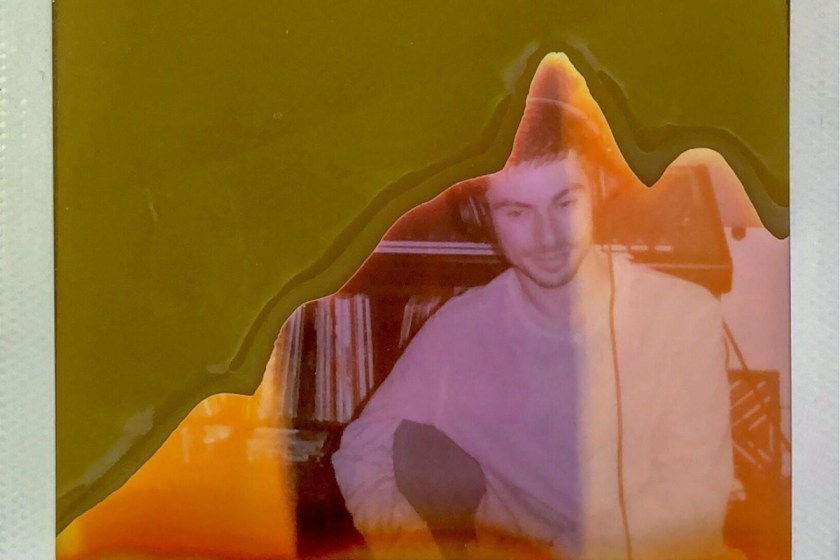
Philip Morgan Lewis, photo courtesy the artist

The video for Philip Morgan Lewis’ “Blowtorched Dreams” (released on TX2 Records on 10/28/19) was filmed in Los Angeles and the black and white format with the video glitches seems like a good match for the song. It’s a kind of psychedelic blues track about a person who has hit bottom in a place where dreams are manufactured and to where many go in pursuit of unrealistic dreams. The warping and wefting guitar line traces that descent into the gutter once the dreams of stardom seem like a cruel joke, and abstracted to the larger world, how we were told all these myths about success through hard work, the presentation of so many realms of American culture and business as a meritocracy and how that sort of narrative plays out worldwide and how it seems everyone has realized it’s a complete and utter sham with some foolish holdouts thinking they’re going to be the exception. The distortion in the song represents that cognitive dissonance and the waking up to the nightmare but also the strand of hope in at least coming to these dark realizations because knowing the truth is the first step toward at least trying to have a better life. Watch the video on YouTube and follow Philip Morgan Lewis at the links provided.

philipmorganlewis.com
twitter.com/philmorganlewis
facebook.com/philipmorganlewis
instagram.com/philmorganlewis


“Machines” by Screen Time Has the Cool Vibe of a Non-Dystopian Time Travel Game Searching For the Artifacts of Electronic Mucic Culture in the 80s

ScreenTime_Machines2_crop
Screen Time, “Machines” cover (cropped)

You’re in an elevator in the first ever game designed for direct plugging into your brain and the luminous walls blink slowly with a new tone with each new floor. The game is one where you step out of the elevator into the 1980s except you’re not there to kill Sarah Connor before she gives birth to John Connor. You’re not there to see about preventing the U.S. crime rate rising by four hundred percent by 1988 in order to prevent the president in 1997 from having to play the tape from the cassette collection of a dead cab driver instead of a lecture on “nuclear fusion” to forestall a war between China, Russia and America. You are there to find the original sources of cultural artifacts and their contexts to bring back to a now near future and in doing so you navigate weird business meetings in Hollywood, dance clubs during the development of techno and early IDM, shows to learn techniques from pioneering hip-hop artists and hang with experimental filmmakers who aren’t being coached by focus groups in producing stories that resonate to this day. It’s a strange game but your companion, a mixture of modern production and lo-fi sounds, is Screen Time’s track “Machines.” Plenty of electronic music with a leg of inspiration in the 80s is dystopian in tone or curiously positivistic, “Machines” captures the vibe of a decade learning to incorporate technology into people’s lives in a way that serves them rather than the way things have apparently flipped in the 2010s. While likely not the root of this song, listening to it makes your brain flow in a different direction than usual and that’s a welcome quality these days in music. Listen to “Machines” on Soundcloud and follow Screen Time there as well.

soundcloud.com/screentime20

Indoor Fins’ ELO-esque “Here It Goes” Transforms Leadened Despair Into Pop Gold

IndoorFins_HereItGoes_crop
Indoor Fins “Here It Goes” cover (cropped)

There’s more than a little bit of Electric Light Orchestra in Indoor Fins’ “Here It Goes.” Though technically the bedroom project of Timothy Nelson it sounds like it was written having in mind a giant audience and its huge riffs and urgently expansive mood comes out of a dark time in the songwriter’s life when it seemed that family tragedy with illness, the breakup of his old band and his relationship at the time dissolving struck in short succession. The bright and colorful tones and dense atmospherics that hit you and push out feelings of stasis reflects the carefree spirit of the song born of a need to break free of a mental state that can leave you psychologically paralyzed for weeks and even years. The single is part of the recently released Indoor Fins EP Amber Arcade (out November 11) and if “Here It Goes” is any indication of Nelson’s power to transmogrify despair into pop gold then surely the other songs have much to offer in that regard as well. Watch the visually arresting video for “Here It Goes” on YouTube.

Aisha Badru Sings of a More Nurturing and Open Way of Loving on Her Luminously Gorgeous and Vulnerable Single “Water”

AishaBadru1
Aisha Badru, photo courtesy the artist

Aisha Badru’s vocals sound so close in and vulnerable on her single “Water” it immediately puts you off expectations for what the song will be making whatever it is emotionally accessible. The minimal keyboard work and guitar figure as pure tone swirl and resolve in the background as Badru’s words paint for us a different kind of love song, one that suggests an understanding of love that seems more enlightened, compassionate and ultimately more pragmatic than many traditional notions of the emotion that cast the understanding of the feeling as having a possessive quality. Badru sings “we cannot be the keepers of anyone’s key we have to love in a way that sets ’em free” and depicts the inevitable future when we aren’t scrambling all the time to make time for ourselves and others. Badru envisions a more nurturing society to come and proposing the idea that “people are water, they need to be free, they need to explore more what they want to be” and later, “people are water, let ’em be, let it breathe, let it leave.” The love Badru sings of is one that isn’t selfish but one that shows a caring for the full development of those we love and who love us back in a way that doesn’t treat love as a scarce resource but a way of being that uplifts everyone. It’s a beautiful sentiment and idea presented in a luminous melody with Badru singing to us like a good friend who has been through the wringer but come back a wiser better person bearing no malice or judgment. Listen to “Water” on YouTube and follow Badru on Soundcloud.

soundcloud.com/aishabadru

Ailie MacK’s “Anxiety” Slows Down That Experience of Nervous Overload and Transforms it Into a Melodic Introspective Catharsis

AilieMacK1_crop
Ailie MacK, photo courtesy the artist

Ailie MacK sounds like she’s singing the soliloquy of a musical sitting on a luminous black cube of glass staring out into a faceless crowd on her single “Anxiety.” She asks questions the way those kinds of doubts and ponderings can paralyze you or worse when caught up in the grips of anxiety. She goes through the litany of fears that run through the minds of everyone who has ever suffered from a panic attack and anxiety attacks shy of one. Except MacK stretches them out and sets them to music and casts them forth in a manageable form as a line of song surrounded by the glow of ethereal melodic synths. It would be more obvious to write a song with anxiety embodied as something that feels like those moments where you feel like you could die at any time and maybe that would be preferable to experiencing that feeling for even a moment longer. MacK’s song sounds like taking a step or ten back and separating out those questions and putting them into perspective while asking rational questions about those fears. “If the sky isn’t falling what do I do now? If I answer to the calling does it mean I know how?” There is no bravado in those lyrics. When she admits feelings that seem like utter monoliths of personal disaster she seems to put them into a manageable emotional size: “I get tired of myself and it takes patience to live and learn, I try my best to be grateful for what I earn, I pride myself on not giving into the fear.” When she asks “Will I die this way or will I mend?” she leaves open possibilities to a positive outcome instead of the tunnel vision of anxiety seeing only ultimate ends until the wave passes. As suggested earlier, with the song MacK puts anxiety in slow motion, sets it to a rhythm and an introspective melody and both honors the experience while offering a way not to be controlled by it. It’s frankly a brilliant and original approach to a malady that is much more common than many people are willing to admit and getting to hear a song that tackles it in this way will hopefully be helpful. Listen to “Anxiety” on Spotify and follow Ailie MacK on Facebook. Also below is a video of the making of the song and well worth a watch too.

facebook.com/ailiemackmusic

Elijah Cushway’s “Katydid” Evokes the Seeming Magic and Dramatic Dissolution of a Relationship Built on Romantic Projections

ElijahCushway1_crop
Elijah Cushway, image courtesy the artist

Elijah Cushway employs an almost ambient, pastoral tone and soundscape on his new single “Katydid.” The opening line “You pass me by like a shooting star” sets the tone for a song about the fanciful projections many of us put into our romantic relationships. How initially the other person may seem like a magical, unobtainable object, almost, with a cosmic and intoxicating allure. Then how the reality of that person inevitably doesn’t live up to the fantasy sets in, even if it’s never fair to enter a relationship on that basis, and the way a bond like that dissolves so quickly. The lines “When I’m sober and I’m not talking shit as much as you are” and “In a moment when I’m not feeling it as much as you are” seem directed at the object of the those formerly romantic feelings but it cuts both ways because the way a lot of relationships in which the people involved overly idealize the other person come crashing down along those lines—someone realizes first, or both people do, that it was never based on reality and neither were the feelings. That rush of feelings was real and valid but some relationships weren’t built to last and certainly not on a solid foundation but culturally we’re wired to often have those expectations even if logically we know it’s not always the case and it’s perfectly fine to enjoy an ephemeral bond while it lasts and spare the bitter feelings when it comes apart. The song captures those moments of early romance and the moment when it breaks so well with its ethereal introspection and its tone of acceptance of the inevitable is what makes it much more interesting than simply another angry break-up song. Listen to “Katydid” on Soundcloud and follow Elijah Cushway at the links below.

soundcloud.com/elijah-cushway
facebook.com/elijah.cushway
instagram.com/gunnar_cu

Taking Inspiration From Chet Baker’s Evocative and Spare Songwriting Style, Kim Free’s “Until the Moon Turns Blue” Untangles the Complexity of Heartache

KimFree_JeanaSohn1_sm
Kim Free, photo by Jeana Sohn

Kim Free took some inspiration from Chet Baker for her single “Until the Moon Turns Blue.” The spare and simple composition of the song allows space for the emotional content to bloom as it will. Rather than trumpet, Free employs a gently strummed guitar and a violin figure to filigree her song about heartbreak and learning to let go even if the feelings are difficult to release after the realization that things were never going to work out. Free’s shifting chords are where the complexity of these tangled feelings resolve in unconventional manner as the heart learns to accept what the mind and the more clear judgment of the people in our lives have already pointed out about a relationship that has already played out with nothing left to say and really nothing left to cling to but the emotional habits that have already outlived their usefulness. Listen to “Until the Moon Turns Blue” on Soundcloud and follow Kim Free at the links provided.

kimfree.net
soundcloud.com/kimfree
kimfree.bandcamp.com

Qwiet Type’s “Shakedown” is a New Wave Synth Funk Examination of Identity After Shedding Pop Culture References

QwietType1_sm
QwietType, photo courtesy the artist

On the “Shakedown” single Qwiet Type sounds like he sequestered himself for a couple of weeks with only a box of VHS tapes with recordings of early MTV videos and the entire discographies of Harry Nilsson, Sparks and LCD Soundsystem as companions. In a way it’s a sound akin to Gary Numan gone indie pop funk. The song’s distorted keyboard line and syncopated guitar line overlaid with a quirky synth figure traces the story of a person who may be singing to himself who needs a “shakedown” in search of his real identity under layers of crafted personae constructed from the fantasies of popular culture references and song lyrics. Its a deconstruction of the way many people latch on to manufactured culture as the basis for their own personality and asking, in a more creative way, who we really are when we shed what isn’t authentically ours and recognizing the importance of that discovery. Listen to “Shakedown” on Spotify.

“Curb Appeal” by Jay Madera is a Poetic Anthem to the Catharsis of Moving On

JayMadera1_sm
Jay Madera, photo courtesy the artist

With “Curb Appeal” Jay Madera sounds as though he’s finally able to be philosophical about a past love while realizing he’s been able to move on and talk about the experience with some poetic analysis. Like a break-up song in the past tense and some personal emotional time travel as though a more objective observer looking down on the situation and assessing the personalities, his own included, with a sense of compassion informed by an acerbic wit. The changes throughout the song lays out the drama in a way that keeps drawing you further into the song. Sure, Madera sings great lines like “she could cure my cancers then give me the common cold” and “she’s not benign” but he also goes into his own shortcomings and misapprehensions about his own life and the people in it as well as questioning the nature of the desires that have driven him. The song is anthemic while also deeply introspective and the contrast gives it an striking emotional power especially when combined with Madera’s gift for song dynamics between piano, vocals and percussion in a way that seems familiar but only in that anyone with any thoughtfulness has felt similarly but has yet to articulate to themselves what Madera expresses so beautifully and succinctly here—that the folly of our lives is rooted within and that it’s okay to be upset at others and at yourself but in the end make no villains of anyone and moving on with grace is a natural outcome. Listen to “Curb Appeal” on Soundcloud and follow Madera at the links below.

ffm.to/curbappeal
soundcloud.com/jaymadera
facebook.com/jaymaderamusic
instagram.com/jaymaderamusic

VVARD’s “YOU” is the Sound of the Spirit of New Love That Effortlessly Uplifts Your Mood All Day

VVARD1_sm
VVARD, photo courtesy the artist

VVARD’s single “YOU” comes in like the kind of morning when you wake up in a good mood and the sun bright in the sky but not invasive like something that might happen in the later part of early spring. You wake up without any need for an alarm, surprisingly refreshed and looking forward to whatever comes your way in the day ahead. The melodic drones swirling over the vocals while the bass pulses almost imperceptibly below to put some spring in your step. The gentle guitar line in the middle of the song adds a touch of nostalgia to the hopeful tone of the entire song. Described as “the perfect teenage love soundtrack,” Verena Ward’s words spell out how this romance is giving a lot to think about in the best way and allowing the freedom to feel all the feels instead of having to hold it back for fear of scaring anyone off. And yet the song has the aforementioned spirit of lightness that one hopes one would have while in love, the kind of lightness that uplifts your mood without effort and needing no pretext. Listen to “YOU” on Spotify.