Mobile Steve and the Grand Slams, image courtesy the artist
Mobile Steve and the Grand Slams were trying to evoke the deep sea on “Vertical Migration.” The slowly ascending drones, the sparkling melodic, crystalline tones certainly capture a tactile as well as emotional quality in a depth of sonic field that suggests slow, flowing dynamics broken periodically by unexpected flashes of activity and the way light often seems to travel in strands into the depths. The song is also reminiscent of 1980s Italian synthwave soundtracks and the way those composers often unabashedly used distorted synth lines and the creation of mood in a way itself cinematic. “Vertical Migration,” though, envelops you in its drifting, whorling rhythms in a way more abstract with no concessions to conventional genre songwriting. Because of that you can imagine yourself in a world lit mostly by forms of bioluminescence and hints of the distant sun. Listen to “Vertical Migration” on YouTube.
Wizard Death/Easy Sleeper, photo courtesy the artists
Wizard Death is lo-fi, ambient hip-hop project of Alex Lubeck who featured his indie rock band Easy Sleeper on the song with the Boards of Canada-esque title “we watched the sunset (through the window to the studio).” The downtempo pace of the song allows its tones to ring out warmly as a simple synth arpeggio traces its own pace like like it’s accenting the overall rhythm. The guitar and bass give the otherwise ethereal song a textural grounding that works to not just create a great, languid and soothing mood but a depth of sound that is impossible to pigeonhole to a specific genre of music. It could be an ambient track, it could be a super chill hip-hop beat that would work well for a song that starts off with casual observations that follows those thoughts into deeper places. Either way, the relatively short song is evocative in its deceptive simplicity giving it repeated listenability on its own terms. Listen to the song on Spotify and connect with Wizard Death at the links provided.
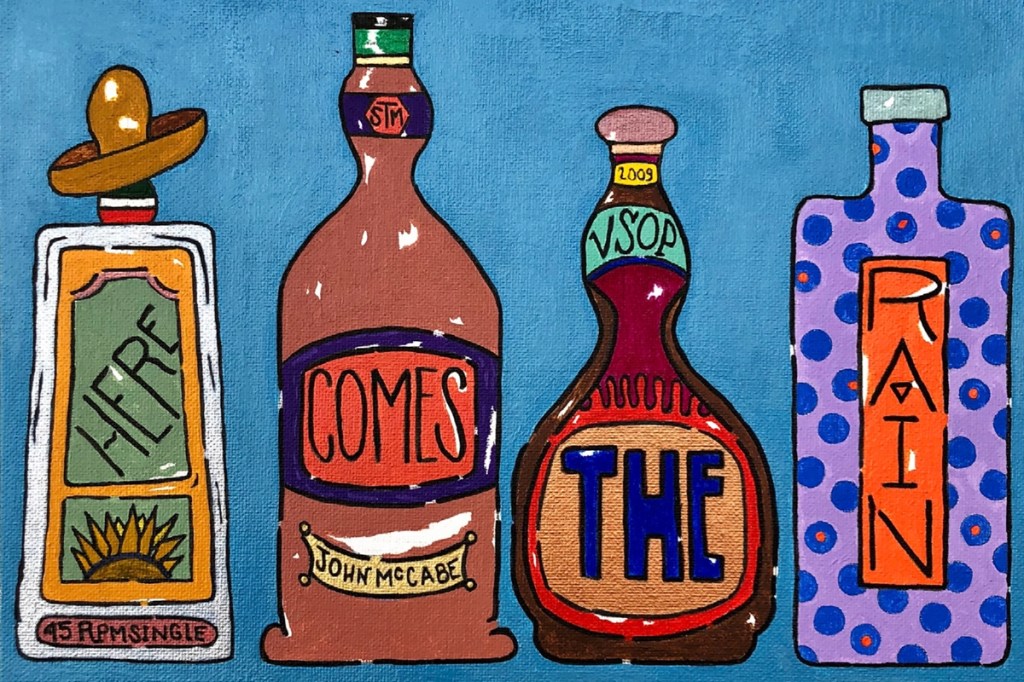
John McCabe’s gift for the melancholic, observational ballad remains strong on his first single of 2020, “Here Comes The Rain.” The percussion on the song really helps set the mood with its expressive dynamics that accent the melody in which McCabe seems to come to terms with how life can seem perverse in its ups and downs and in the predictability of how things get better in some way eventually even when you can see the periods of struggle coming down the like. The chorus of “Here comes the rain again, I surrender / the clouds keep rolling by and I know things are going to get better” is Zen-like in its use of imagery as life circumstances and expressing a realistic hope because you’ve been through struggles, setbacks and even disasters before and even when they transform your life in significant ways you do get a reprieve regularly from the worst of it eventually. Fans of R.E.M., Green On Red and Uncle Tupelo will appreciate the way the jangle-y guitar work captures that journey from personal darkness to triumph over it with a hint of world weariness to give the song a little grit. Listen to “Here Comes the Rain” on Soundcloud and follow John McCabe at the links below.
The soft dynamics and introspective yet vivid melodies of “Sand” by Morningless is reminiscent of XTC. The cadence of the vocal dynamics and the way it sits within a swirl and sparkle of fine layers of guitar, keyboards and percussion that seem to flow and weave together as distinct streams of sound. One imagines a walk through a forest in a dream encountering the usual surreal yet familiar settings, situations and people. In short passages of fiery, distorted guitar one hears the perils of a nightmare having burst in upon the tranquil meetings with the avatar of dream, the Sandman himself, but as the dream turns a corner on that fleeting cosmic narrative of significance that is the lucid dream the nightmares pass on. In the song our narrator discovers a place where the weight of social expectation is lifted and he can “Be myself for once in my life” and that we all can in the realm of dreams and knowing that it’s not such a huge leap to bring that state of mind to the waking world, enriching it with a bit of that nourishing sand of the dreamtime. Listen to “Sand” on Spotify.
Aeneas, “Existential Crisis” cover, image courtesy the artist
Aeneas’ “Existential Crisis” creeps up on you like the experience of the title often does. A background drone blossoms into a melodramatic soundscape punctuated by moments of emotional oasis from an intense wave of peak feeling. The processed, warped vocal sample comes in like a reminder of your failings while the processed vocals, like your conscious mind, tries to maintain some semblance of your humanity while drums pound out a dynamic rhythm and a simple guitar rhythm traces the through line that is your life line through the trauma as a glimmer of the familiar and steady. Fans of Poppy and Vowws will appreciate the genre bending and synthesis of industrial rock and experimental darkwave dance music. Listen to “Existential Crisis” on YouTube and connect with Aeneas at the links provided.
Egyptian artist Moudy Afifi gives us some flavor of his homeland on the techno track “Sahara” (out on Disclosed Records). The shuffling percussion and steady beat puts you in the state of mind of passing over a desert landscape and dunes in a jeep with wind flowing through your hair. The melodic bass line follows a traditional, pan-Arabic scale complemented by string synths that bring to the song a sense of exotic mystery. Almost as though the song evokes the journey of Alexander the Great to the Siwa Oasis to consult with the oracle of Ammon following a flock of birds. “Sahara” invokes both the ancient and traditional and modern techno dance music in a nearly hypnotic rhythm that may get you moving in ways that feel right if not consciously familiar. Listen to “Sahara” on Spotify and connect with Afifi at the links below.
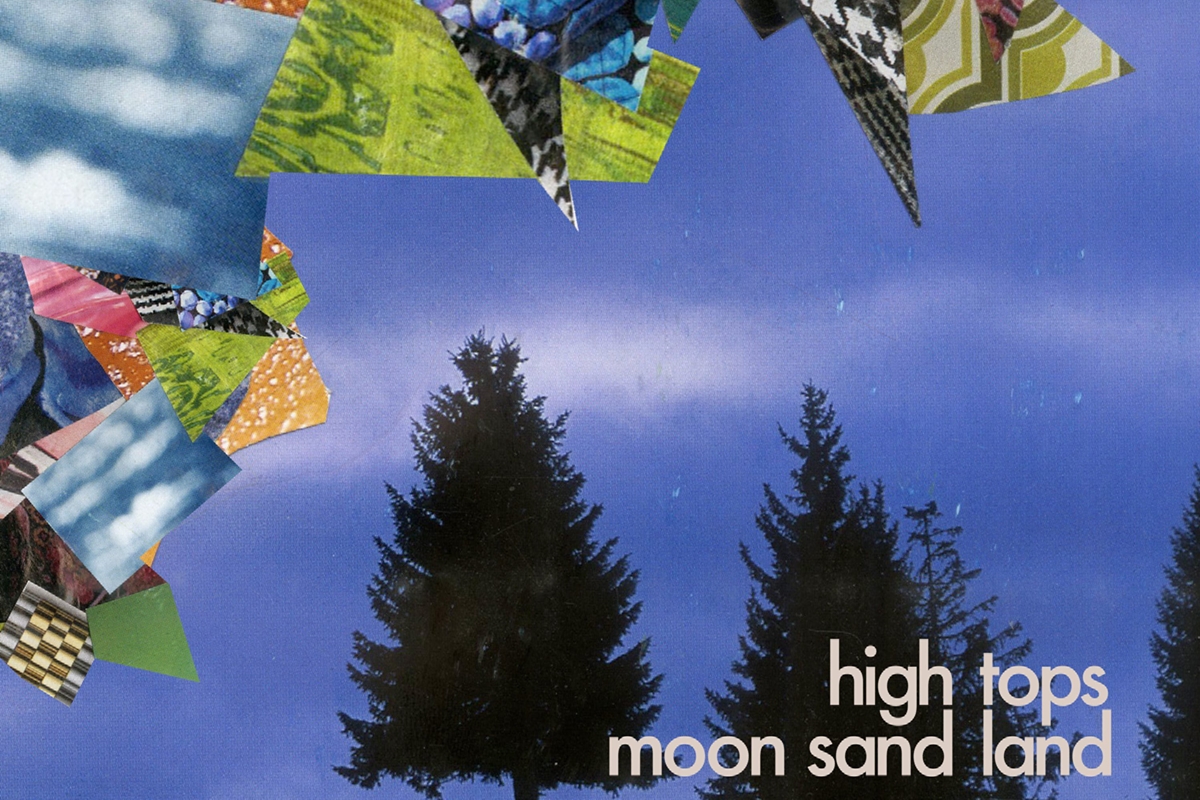
When you’re an American you are constantly expected to put on a brave face or worse to internalize various flavors of bravado or seem like a failure merely for being human. That sort of toxic psychology explains a lot about the dark fascination with reality TV to see people struggling with that facade and fail completely. It’s like we’re perversely entertained by the spectacle of something we’re all dealing with, if we’re honest with ourselves, every day. Moon Sand Land tackles this subject on its song “High Tops” – the need to pretending we’re happy so we’re not considered crazy or broken. And all the weird behaviors we will engage in not knowing their root like getting our physical imperfections “fixed,” retail therapy, PMA as a form of delusional magic, dreaming of wealth that miraculously falls in our lap thinking it will fix all our problems instead of pursuing something personally meaningful. This song with its fractured melody and sense of anxiety amplified desperation as the lyrics describe how things are in the U.S.A. for everyone from all walks of life is refreshingly honest and accurate in its take. A take that is the opposite of nihilistic, rather, hopeful in the face of incredible odds. Fans of Pavement’s frayed edges and poetic honesty and Parquet Courts’ similarly warped melodies and direct line to what it’s all about will greatly appreciate “High Tops.”
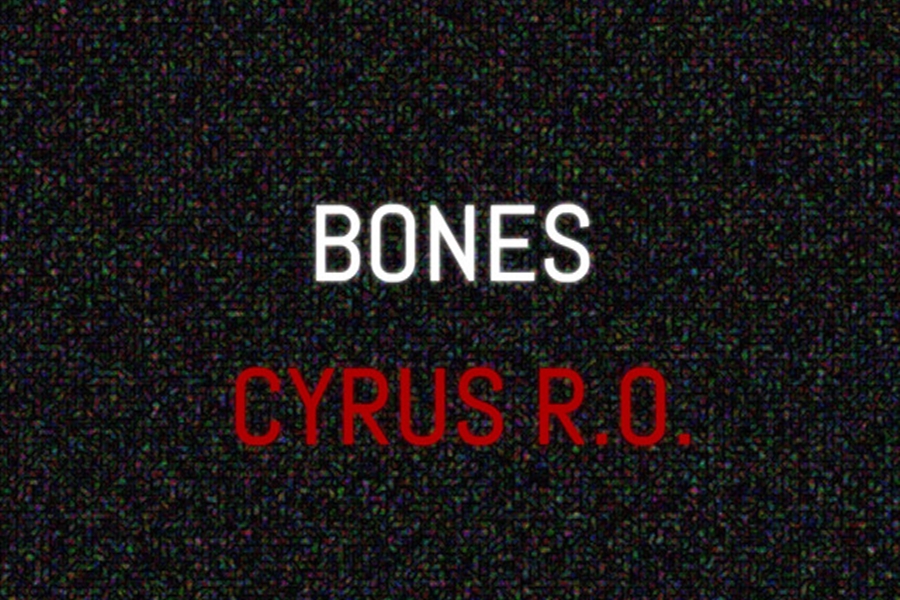
The intricate rhythms, textures and layers of sound on “BONES” by Cyrus R.O. is a beautiful collage of musical ideas to match the subject of the song. The lyrics deal with a character struggling with gender identity. So the gritty, dramatic guitar flaring over dreamy, distorted synths and textural percussion give a solid and simple melody a lot of character and nuance much as that struggle would take on. The confusion but sense of things being deeply off in how you have to navigate the world, the undercurrent of anguish that sometimes escalates to emotional spikes. It’s a little like a math rock song mixed seamlessly with a dream pop soundscape. The line “Someday she’d like to peel the skin off her face” you expect to hear in music that is more overtly intense and edgy but here it stands out precisely because the music gives expression to those emotions in a more creative way through mixed dynamics and hybrid styles. Fans of Broken Spindles, the experimental electronic pop band of former The Faint bassist/producer Joel Peterson will appreciate the artistry of this track in its ability to use complexity of composition to express raw emotion. Watch the music video for “BONES” on YouTube, connect with Cyrus R.O. on the website linked below and look out for the project’s debut full length DECONVOLUTION due out June 12, 2020.
The title of “On and On and On” by Air Quotes alone, like an Ezra Pound line, suggests a bit of weariness with unproductive repetition. That lyric in the song echoes slightly like a reaction in your mind to the same old stuff that you’ve been tolerating for far too long, caught in a loop of action, reaction, emotional stifling and adapting the way too many of us do in a toxic relationship, making it all a routine thinking we’re getting through a bad patch not initially thinking it’s all been a bad patch. The vibraphone, marimba and flute gives it a jazz lounge quality and along with the vocal tones the song is reminiscent of something Everything But the Girl might have put out. That sort of downtempo pop cool that you don’t hear much of these days but which is always an interesting vehicle for communicating challenging subject matter in a palatable way and one that makes doing what you should be doing an easier choice and option in your mind. Listen to “On and On and On” on Spotify and follow Air Quotes at the links provided.
The effervescent exuberance of Roni Bar Hadas’ “You’re Gonna Tell Me” almost makes the song’s lyrics seem like they’re out of an uplifting, lightly melodic summertime tune or a dream pop take on a 60s lovelorn ballad. The guitar melody and breezy keyboard work over a widely dynamic rhythm and Hadas’ brightly resonant vocals cutting shining throughout is a bit like trying to put your best face forward when inside you’re not so confident, when you’re processing mixed emotions and trying to maintain even as realizations about your life are crushing you just a little. And it’s that contrast of presentation and content that gives the song its depth of expression. The line that gives the song its title “You’re gonna tell me it’s over and I don’t know what to say” speaks to the very real feeling many of us have when we find ourselves in a relationship with someone we told ourselves was so fascinating and attractive in the beginning because the thought of being alone seemed so depressing. But you can’t fool yourself forever and Hadas goes through the various stages of that realization. From being able to embrace being alone despite how we’ve all been conditioned to think one is somehow lesser or a failure without being attached to someone, through overindulging even though you just can’t drunk or altered enough to run away from your feelings forever, and finally to thinking maybe the relationship should have ended long ago because the love wasn’t there, just a temporary infatuation blown up to be something bigger than it is to not feel like you’ll never be with anyone. But the biggest realization comes in the line “Don’t know what to write because I don’t know how I feel, when I don’t understand myself how can you?” And isn’t that it no matter what culture you come from? We’re pushed to become so many things in life and make important choices before we know who we are, what we really feel and to stick by those choices even when they no longer make sense. It’s what causes horrible mid-life crises and other acting out. Roni Bar Hadas seems to have figured that out in the course of a short pop song and so can we all. Listen to “You’re Gonna Tell Me” on Spotify and look out for Hadas’ full length Calm the Beast due out in spring 2020.







 Queen City Sounds and Art
You must be logged in to post a comment.