“Welcome to SMELVE VILLAGE” are the first words we see in KEG’s video for “Farmhands” before we enter a village of mushroom houses, green skinned short humanoids with pointy ears and the band performing in herky jerky manner citing a litany of complaints and observations which the aforementioned creatures object to with a parade carrying signs saying “HUMANS FUCK OFF” while one of their number summons a giant creature that shows up out of the local pond and consumes the band as the view pulls back and we come to see it was either a very strange TV show, certainly an unusual music video and/or a glimpse into an alternate reality we may not want to visit but where certainly magic is real and our species doesn’t dominate the world. There is some comfort in that mere possibility even as the band carries on with a frantic yet tuneful song of rapid guitar arpeggios and vocals on the verge of some kind of break. Visually the video is like a cross between what Dash Shaw did for My Entire High School Sinking Into the Sea, the cartoon style of Adventure Time and what Richard Linklater did with Waking Life. Musically imagine the borderline unhinged moments of The Rapture, the surreal wordplay and off kilter rhythms of Parquet Courts and the irreverence and disregard for all regular song logic of their own of Happy Mondays and you’ll be somewhere near the inherent charm of the track. Watch the music video below on YouTube and connect with KEG at the links provided.
“Teenage Teardrops” begins with a hushed and stirring dynamic to frame a narrative about the ways youthful aspirations and ability to see possibilities and find meaning in simple things like, as mentioned early in the song, meaning on a seven inch record, can be leached from your psyche if you’re in an environment that doesn’t nourish the soul in even the simplest ways. “I can’t cry anymore” is such a simply lyric but in the context of the song it encapsulates having reached a point where you find yourself in a place geographically and/or emotionally where you have lost the ability to even mourn a situation that no longer serves you because you’ve given so much so freely without thinking about it. When you’re young you think you have infinite time and opportunity to do what you would like but even at a young age bleeding yourself dry for a lifestyle or a job or a relationship or for anything or anyone can catch up to you. Later in life that timeline shortens and this song acknowledges that reality of having moments of vitality feeling like youth and when you’re tapped out it can leave you feeling confused and devastated. The orchestral quality of the song with melancholic piano and synths driving the melody while husky vocals seem to dance and sway with the gently strummed guitar line and finely accented percussion suggests a cinematic quality and experience evocative of everyday experiences elevated to the mythic. After that fashion it is reminiscent of where XTC went with its own songwriting from the mid-80s onward and early solo Barry Adamson. Listen to “Teenage Teardrops” on Bandcamp and follow the Rec at the links provided.
Former Skinjobs vocalist Katja Vale has been releasing solo tracks in 2021 and her latest is “Water Serpents.” With an array of synth swells and layers of ethereal melody and a vocal line that rises and falls with subtle dynamics, Vale offers a song that seems to use the image of mythological creatures as metaphor for the ways people trap and define other people to suit their own needs even as a core human instinct for freedom will unwind that influence and power in the end. Vale sings of the ways we internalize this attempt to control through guilt and people pleasing and a natural desire to do no harm but in the context of a toxic relationship not harming the situation isn’t a sustainable way of being. The song’s downtempo moods and slow-coiling synth line punctuated by bright tonal accents truly makes this song of quiet personal liberation stand out. Listen to “Water Serpents” on Spotify below and follow Vale at the links provided.
Margo Polo’s single “Can You Hear Me?” comes on with a confidence and exuberance propelled by the excitement of the dream and visions that have brought you to where you want to be. But David Provenzano’s lyrics with this project rarely sit with simple hopefulness and bravado. And though the track rushes with great energy, buoyed with upsweeping, ethereal synth melodies and driving, fuzzy guitar rhythms it really does seem to come from a place we’ve all been for two years minimum where everything has felt up in the air, uncertain and filled with doubts about our ability to turn aspirations into dreams and no end in sight to a time of seemingly new challenges every week and every month and now every year. Sure the pandemic is the big disruption but it simply focused larger societal and civilizational issues that have made it increasingly difficult for most people to get by or to achieve many modest goals in life with the unspoken truth that when the under class struggles so hard and the people that are the undercelebrated glue of society similarly struggle the whole thing is in trouble whether the wealthy and powerful recognize it or not and in aggregate they haven’t for years. This song is about being in that place not necessarily trying to fix some bigger picture but just trying to make it through a little at a time while not pretending it’s all okay yet yearning for a state of things that don’t seem like an endless crisis. Heady stuff but Provenzano has a gift for making serious subject matter personal, accessible and uplifting. Fans of M83 would do well to check out any Margo Polo song. Listen to “Can You Hear Me?” on Spotify below and follow Margo Polo at any of the links provided.
Mild Wild “Slow Backwards” and “Old Drugs” single cover
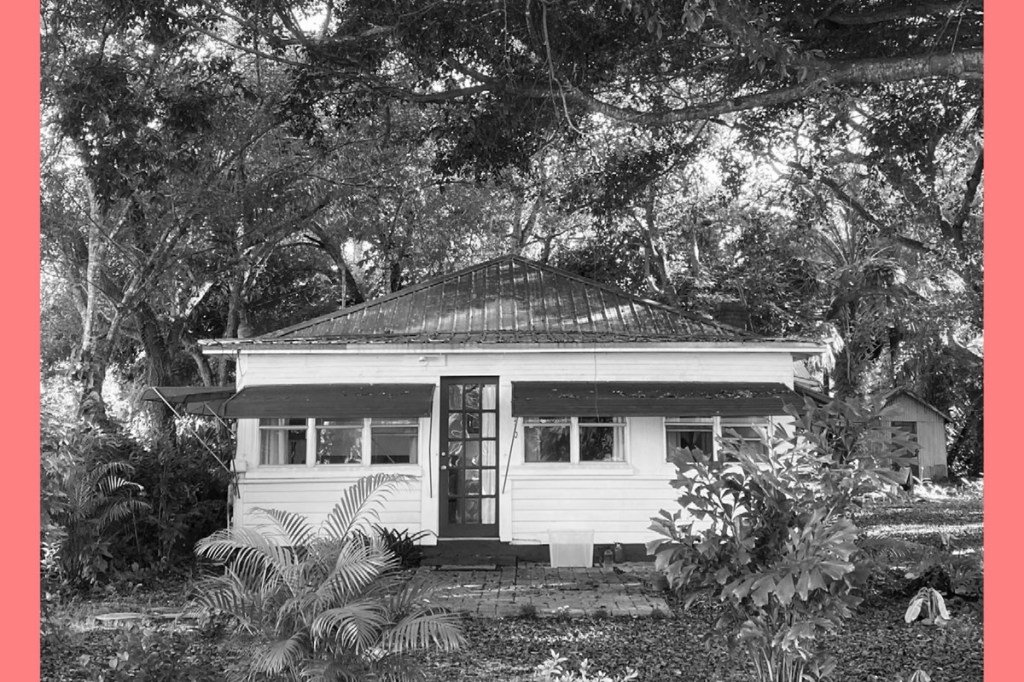
Listening to these songs one imagines Mild Wild setting up microphones at the kinds of buildings he uses for the cover images of his various singles and EPs. Like an urban explorer who realized that these settings have a vibe that could inform some songwriting and provide the acoustic space to inspire the informal, lo-fi production that gives the impressionistic pop songs an undeniable mood that draws you in. As though he imagines the kinds of stories and lives that happened in these old buildings and the resonances with his own lived experience.The vocals in “Slow Backwards” echo slightly in the spoken section and draw out in the choruses with reverse delay on guitar to both take you out of normal time and place you in a separate timeframe in which the song exists, the moment before these buildings are again occupied or bulldozed in the name of some developer’s idea of progress. “Old Drugs” sounds a bit like something that was recorded to an old reel-to-reel and processed through plate reverb giving it an intimate feeling akin to hearing an old blues record but musically more like 90s indiepop and lo-fi rock. The romantic sentiments expressed eschew cliché with strong and sensory imagery. Once again, Mild Wild succeeds in using old recording methods and aesthetics in new ways to create music giving a unique listening and emotional experience that dares to be vulnerable and risks imperfection as a more direct reflection of actual human experience.
The Titwrench Festival launched in 2009 as a means of shining a light on the creative efforts of marginalized groups beginning with the musical and art works of female identified folks and expanded to other groups including the 2SLBGTQIAP+ community at large and people of color and so on. While the curation has been thusly focused, the festival has always been all ages and inclusive and open to everyone to get to experience creative performances in a safe environment from people whose work isn’t always featured in the usual venues and rooms where you generally get to see live music. The current edition of the festival takes place on Sunday, October 3, 2021 from 4-10 p.m. at the Denver City Park Pavilion. The event will include educational workshops, dance parties, food from Maiz food truck (selling homemade Mexican cuisine) and a market featuring Witch Collective, a group of local artisans and herbalists. This podcast includes interviews with the event organizers (Sarah Slater, Michaela Perez and Katie Rothery) and members of all the performing artists including My Name is Harriet, Machete Mouth, Nacha Mendez, April (Axé) Charmane of Sol Vida Worldwide and Harmony Rose of The Milkblossoms. For more information on the festival please visit titwrenchcollective.org. Listen below to our lengthy interviews with the festival’s organizers and artists performing at this year’s event.
After their psychedelic/shoegaze band Creepoid dissolved a few years back, Anna and Patrick Troxell took some time out to further explore the pop and electronic side of their songwriting. Lovelorn emerged out of that process and its 2021 debut full-length What’s Yr Damage echoes with the influence of 80s, noisy psychedelic soundscapers and fellow travelers on the line of blending rock instruments with electronic sensibilities, Spacemen 3 as well as grimy industrial dance acts like My Life With The Thrill Kill Kult and experimental rock band Curve and its own gift for perfectly blending electronic dance ideas with cathartic psychedelia. But the sentiments expressed and the tenor of the record is very much grounded in the present and the challenges faced by us all as the fallout of income inequality compounded by a continuing global pandemic and a now seemingly endless climate crisis crashes throughout our lives, casting stark shadows on the near and foreseeable future. And yet the album is not despairing, rather an embrace of life and a lingering will to strive toward a meaningful and vibrant existence. Lovelorn offers no convenient or pat answers but its music resonates with the certainty that your feelings about the world are real despite how politicians, pundits and the mainstream media spin events. We had a chance to pose some questions to Lovelorn via email so read on and if you are so inclined give the band a listen on Bandcamp (linked below) where you can pre-order the vinyl release of the record due to ship out in late November.
Queen City Sounds (Tom Murphy): “Get a Job” is reminiscent to me of Curve from the albums Cuckoo and Come Clean. That sort of difficult to classify blend of pop, industrial and noisy guitar rock with programmed beats. What artists, if any, did you find inspiring or interesting that influenced that aspect of your music? What moods/emotions do you think that sound lends itself well to expressing?
Lovelorn: We are getting a lot of Curve references, which is awesome but definitely not something that was at the forefront of our minds when making the LP. “Get a Job” was actually a song that kind of snuck its way onto the record last minute. We had the beat for a while but hadn’t fleshed it into anything yet. The night before our 2019 SXSW tour, the Baltimore date was canceled due to weather. So I went down into the basement with that beat and wrote the vocals—turned it into a song. We ended up playing it every night on that tour and letting the live performance really inform how the song would take shape. Honestly, I think I was thinking more of it being a Rapture type thing at the time. The sound was angry to me, and I wanted to tap into this pissed off existential dread vibe.
Q: The title of “Get a Job” also sounds like a common refrain creative people hear from family, friends and strangers who think as an artist you’re not doing anything serious and that, in fact, takes work that isn’t always easy to quantify. As if working hard at some mundane, often essentially meaningless job just to survive is something to which one must aspire. What are some jobs you’ve done that have made you recommit to doing creative work?
L: Oh man, we’ve both had some terrible soul sucking jobs. The worst job I ever had was selling Colorado Prime steaks over the phone. You had to lie and pretend they didn’t have to buy an extra freezer but they totally did. Patrick has had basically every shitty job you can imagine. We’ve both also been super lucky and had amazing jobs. When we made the decision to quit our jobs and go on tour full time with Creepoid, I had a wonderful job teaching art history at a college in Philadelphia. Ultimately though, there’s nothing as fulfilling as working for yourself.
Q: How would you answer someone that tells you to get a job instead of doing a musical project if you had to give a serious response?
L: I’ve had this conversation several times with all sorts of people. People are either being a dick or they genuinely do not understand the amount of work that goes into being a full time band. Most of the time you can get people to see reason. What’s more frustrating to me is when people say things like “Oh, well its time to get back to real life” or some other stupid reference to touring not being a legitimate source of income. I don’t know, it feels pretty fucking real to me.
Q: It seems to me that the economy for being in a band has changed drastically over the course of the last eight to ten years from venues you can play, being able to have a job to sustain yourself and pay rent at home, transportation, getting your music out into the world and promoting it in order to get your band talked about and reaching for various opportunities. How has that changed for you in ways that may have impacted Creepoid dissolving and Lovelorn navigating the new music world landscape? As a musician and writer myself I saw music blogs implode, alternative weeklies drastically reduce activity or disappear, the ways bands seem to have to market themselves is strange to me, DIY spaces especially after the pandemic and many clubs being gone, the “indie” model of music festivals and radio formats making things less diverse. Etc. Just wondering about your perspective on that and how that has affected your life as a musician both before and currently with Lovelorn.
L: The pandemic has taken out a lot of great venues and bands, that is a sad and undeniable truth. But, I think there will be a reawakening of new DIY spaces that will emerge in the next few years. You can’t break the DIY spirit. We just recently played at an amazing DIY space in Houston, and it was awesome. Kids for the kids, no ego, a safe place for all. The marketing thing is funny too. I try not to get too caught up in how to flex on social media, use it to promote the hell out of yourself for sure but also stay authentic.
Q: “Sickness Reward” is about failure and I feel it’s a bit of an illuminating exploration of the experience and meaning of that concept. How has your understanding of failure evolved in your understanding of what it is and how much weight we need to give it since adolescence?
L: It’s sort of about failure. It’s more specifically about my eating disorder, which I had in my early 20s. It’s about chasing an ideal that will never come, and ultimately feeling disgusted with yourself in every way possible. It’s true though, this idea of ‘SUCCESS’ is drilled into all of us. Creatives aren’t able to escape either. I think if you’re ever going to feel satisfied you have to carve out your own definition of success, instead of chasing after someone else’s.
Lovelorn at the Hi-Dive, March 2017, photo by Tom Murphy
Q: A number of people I know who have made and do make music that gets lumped in with shoegaze have always been or have become interested in Detroit techno and the like in the past decade and more. How did you become interested in it and how do you feel it fits into your overall way of thinking about and making the music you do?
L: We both have been interested in those sounds since high school. But honestly, I am much more influenced by hip hop and pop when I make music, and Patrick is more influenced by 90s Brit Pop—so together we create this weird little drug pop child.
Q: “Hole In Yr Soul” and the album title What’s Yr Damage seem to me oblique references in some way to late 80s and early 90s popular culture and music with Sonic Youth and Bikini Kill using the shortened “yr” for “your” and maybe Heathers and the line “What’s your damage?” Maybe it relates to “Get A Job” and adjusting to what seems to me a world culture hell bent on leaving everyone not already wealthy (and even them long term) broken or crippled in their psyche and ability to resist and blame themselves for not making that adjustment because of the “rules” of how things have been working, or rather, not working. What is the significance of that title and song for you perhaps in the context of the album and what seems to me an extended commentary on life in late capitalism?
L: Both “Hole in Yr Soul” and “Whats Yr Damage” are more directly about mental illness than a more general comment on society – though that certainly feeds into the issues of mental illness. To us, the use of the “Yr” places the tone of the question in a specific voice, hopefully one that the listener relates to, and trusts. Yr not alone.
Q: Why do you feel Spacemen 3 has continued to resonate with you creatively?
L: Spacemen 3 continues to influence me because they still have a hand in current music. Sonic Boom has touched so much over the years from MGMT, Panda Bear, Beach House, and Yo La Tengo. J Spaceman takes a different approach, spending years orchestrating beautiful live shows with Spiritualized. At the end of all that, they still hold their DIY roots, making it very difficult for record collectors and I love that.
Porlolo’s new EP No Praise, No Blame borrowed its title from the William Stafford poem of the same name. It’s sentiments are a bit like having a non-detached Zen attitude toward life, accepting what is including the connections you have with others even through trying times. Maybe songwriter and singer Erin Roberts felt like she wanted to articulate a sense of how life had to be over the past year and often enough was in the past and will be in the future for reasons other than a global pandemic. But Robets goes beyond the all too commonly expressed feeling of being glad to be around people again regularly and all the privileges and imagined normalcy that goes along with it and delves into what you learn about yourself and your relationships with people when you can’t and thus don’t have to be around other people so much except as is necessary. In these songs you do hear an appreciation for the people you love and the subtle elements of your relationship with them that maybe you took for granted while also highlighting the tensions that came into focus when you were forced to take a step away from the situations that defined your life. In “Ain’t No Use” Roberts confesses to her own shortcomings including not being “good at saying goodbye” when that is necessary for the moment or from now on. She examines the basic human folly of hanging onto false hopes even when the shine on them is as obviously extinguished as a “old dead star.” Every song seems to be about taking stock of one’s place in life and shedding the desires, the aspirations and relationships that are dragging you down even when they have their hooks in your psyche and feel so much like a part of an identity that you’ve outgrown. And yet this forward momentum is not undertaken ruthlessly, but rather with compassion and a reticence born out of an awareness of one’s own faults and limitations of understanding. Every song is a well-crafted, expertly produced, indie folk pop song but Roberts has always brought a depth of thought and poetic expression to her lyrics since the early days of the project. Listen to the EP on Bandcamp and connect with Porlolo at the links below.
Still from the video for “GRAVITY” by Never Kenezzard
“GRAVITY” finds Denver’s Never Kenezzard pulling us through a winding road of heavy rock cast in warping, colorful tones. It’s a musical parallel to lyrics that conjure images of being an astronaut on a perilous trip to orbit and plummeting back to earth. It is a bit like a psychedelic doom analog to Bowie’s “Space Oddity.” The accompanying music video to the single draws upon guitarist/vocalist Ryan Peru’s knowledge of video production, cinema and music history. The hues are a shifting array of keyed colors to fill in areas of a negative image so that the band looks like it’s performing from another dimension in a 1970s Hammer film. It recalls the early music videos of Black Sabbath in which oil projections are overlaid on the band for a primitive visual effect but one that gives it a sense of mystery and otherworldly visual aesthetic. Peru is an expert of manipulating VHS video sources and processing them for projections in the live setting and that expertise in mixing mediums gives this offering a much better than intentionally amateurish feel.
Fans of Voivod’s late 80s music videos will also appreciate the cuts and experiments in style that run throughout not to mention how both the music and the visuals evoke a mood of experiencing something from a future where everything has fallen apart and put itself back together from the ruins of technology and culture. As is usual for the band, Never Kenezzard in this song doesn’t try to pummel you with heaviness, its shifts in pace and tone are creative and serve a sense of storytelling. Fans of the aforementioned as well as Unsane, Naked City, Queens of the Stone Age and Sleep will find something to appreciate about Never Kenezzard’s disregard for the conventions of noise rock, sludge metal and jazzy death metal. Watch the video below, connect with Never Kenezzard at the links provided and look for the band’s full length album The Long and Grinding Road due out in Fall 2021.
If ever there was a title to the current season of human civilization, endless collapse is it and this collaborative album between Denver-based experimental electronic/ambient artist bios+a+ic and Seattle-based avant-garde soundscaper noisepoetnobody (under the name Entropic Advance) is a musical analogue to what seems like a pervasive feeling that just when we think we’ve hit a new low as a species we keep showing ourselves that we haven’t seen anything yet. There are no grand political statements or observations on this album, just that mood of seeming to be caught up in the flow of society’s static as institutions, norms, formerly generally agreed to beliefs about what constitutes truth and a reliable path to knowledge and so much of what makes up the world as we know it erodes into insolidity and an ambient white noise of what can only be described as not just future urban decay but the kind of prolonged collapse Edward Gibbon described in his colossal 1976-1789 masterpiece The History of the Decline and Fall of the Roman Empire but this time a global, interconnected civilization, the collapse of which will spare no one in the end. Humanity will probably survive but the successors to the Roman Empire never had nuclear technology, advanced biological weapons and so many of the other fun stuff awaiting us if and when global hegemon’s fragment and pass into history with a massive power vacuum filled by groups and leaders we can’t yet imagine.
This album seems to have been based on contemplating the dark future that even the most cynical and dystopian cyberpunk never really considered and how realistic it is for a collapse to not feel like one until it’s well under way. The sheets of processed white noise, the organic yet fragmented rhythms and distorted drones of the title track and “behind the projected” is reminiscent of a dark negative image of Tangerine Dream’s “Thru Metamorphic Rocks” from Force Majeure Those familiar might even flash back to the stark, gray, deeply haunting imagery of Andrei Tarkovksy’s 1979 film Stalker and it’s air of mystery and yearning for dream fulfillment in the face of existential peril. The titles of the songs tell a tale of a similar voyage of waking up one day (“sunrise”) and becoming aware that you’re living in apocalyptic times except it’s not as dramatic or as sudden as science fiction and mythology has lead you to believe (‘endless collapse”) and you try to figure out a way to preserve your sanity while reconciling yourself with the tragic reality and envisioning what it might be like to exist on the other side of this time (“a bridge between worlds” and “from the ashes”) only to hit upon the oddly comforting idea that we all go through these shorter cycles in life as part of bigger trends and often only get a brief period of respite that we should treasure (“catch a breath”). Despite these heady themes it is a soothing listen and one that also perfectly embodies the melancholic yet faintly hopeful mood of the world today. Who knows where we’ll end up in the next year or ten but this album is also a reminder that being paralyzed by those concerns isn’t going to derail the worst possibilities and that creative work can be a cathartic way to break that psychological freeze.
Listen to endless collapse on Bandcamp and also, if you’re so inclined, give a listen to noisepoetnobody’s excellent 2021 album Insanity Mirror on Bandcamp as well. Connect with Entropic Advance at the links below for more information and to stay appraised of Wesley Davis’ various creatie endeavors.








 Queen City Sounds and Art
You must be logged in to post a comment.