
Paperbark Reveals the Secret Wonder of Everyday Spaces on What Was Left Behind

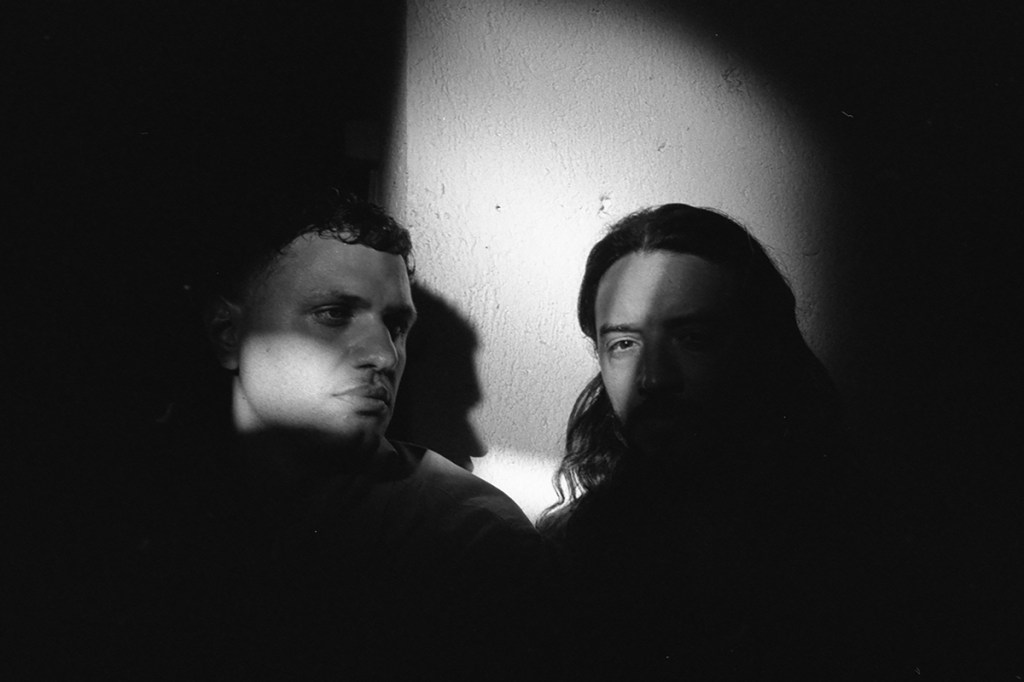
What Was Left Behind finds Paperbark creating a subtle depth of sonic focus with layers of sound conveying a textural sensibility like tape hiss to run through and over the main tonal experiments run across the album. The title track has what sounds like a distant organ echoing from a giant room somewhere deep inside an abandoned building like a ghost of music emerging as a reminder of a history often glossed over and forgotten. “Open Memory” sounds like another song from this setting with the sound of coins or metallic stones dropping in the middle distance, the percussive sound of which cuts through every so slightly through an evolving drone that develops into a more active sonic figure like a constantly resonating sound interweaving with a shining and repeating sound like plugging in a mysterious radio signal into a device to replicate that pattern as a series of noises brimming forth with a calmingly indistinct quality, true ambient without being an identifiable environmental source. Across the album Paperbark seems to have tapped into a forgotten side of neglected places and finding an abstract narrative that reveals the deeper emotional resonance of the place as on “Bring Up The Scars” where a repeating white noise washes over a pulsing sound figure that shifts in activity as if a inanimate object was revealing its history to anyone that will listen and at least have the ears and imagination to translate those tales in a form accessible if not verbal. Paperbark infuses each track with this imaginative interpretation of the essence of what seems like an otherwise neglected place or one not seen as extraordinary to most people but within which the musician has found a multitude of meanings and invites the listener to find these resonances of energy and ambient knowledge and wonder of everyday places for themselves. Listen to What Was Left Behind on the Constellation Tatsu Bandcamp.

BONG-747 Soundtracks the Life of a Futuristic Taxi Driver on the Present time mix of “Big Brother” as remixed by iY?

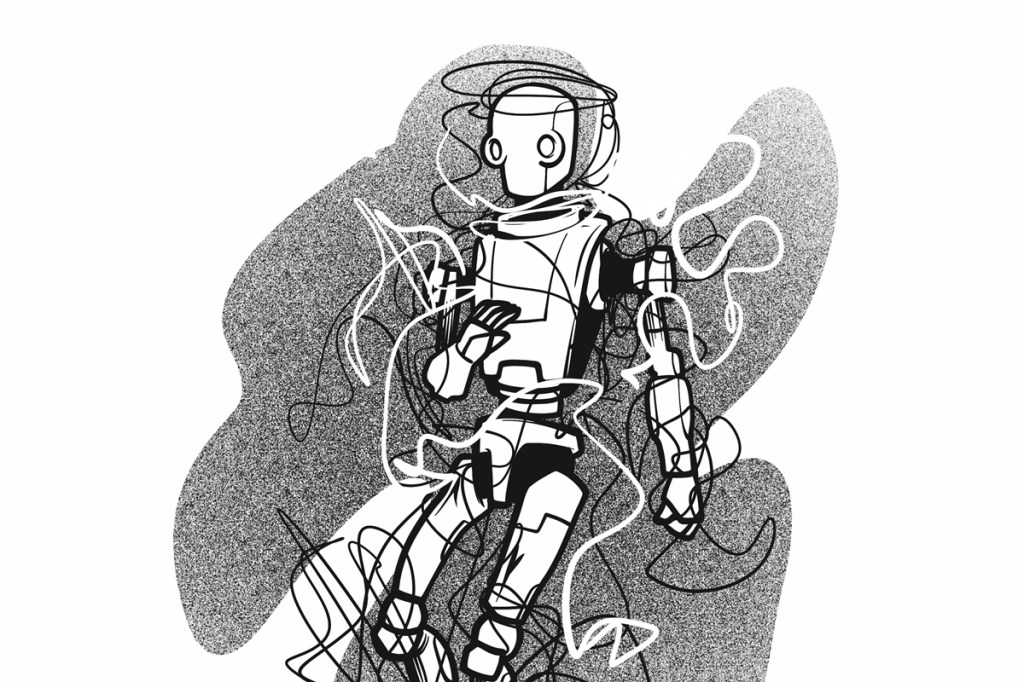
The Present time mix remixed by iY? of “Big Brother” puts the focus on rhythmic elements of the track and the more ethereal atmospheric elements where synth lines seem to streak by. Sonically it sounds like what it might be like to fly a vehicle in some future where hearing the ambient traffic chatter is a part of life for someone shuttling passengers to and from high rise buildings and distant home or recreational destinations. Samples of radio talk sit side by side bright but hazy melodies and a tonal percussive features that track the passage of time and lend a backdrop of urgency and low key menace. At points it comes off a bit like an unlikely but entirely possible collaboration between Brian Eno, The Crystal Method and Oneohtrix Point Never with the physicality and sense of texture of the first, the gift for dark yet playful moods of the second and the way the latter is able to craft emotional sonic vistas with layered movement. Listen to the track on YouTube and connect with BONG-747 at the links provided.

BONG-747 on Facebook

Queen City Sounds Podcast Ep. 16: hackedepicciotto on The Silver Threshold

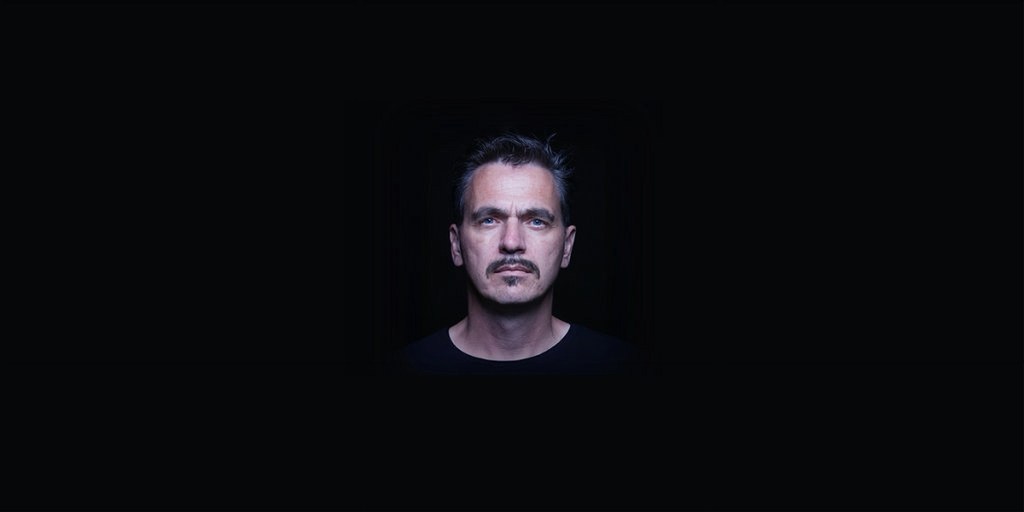
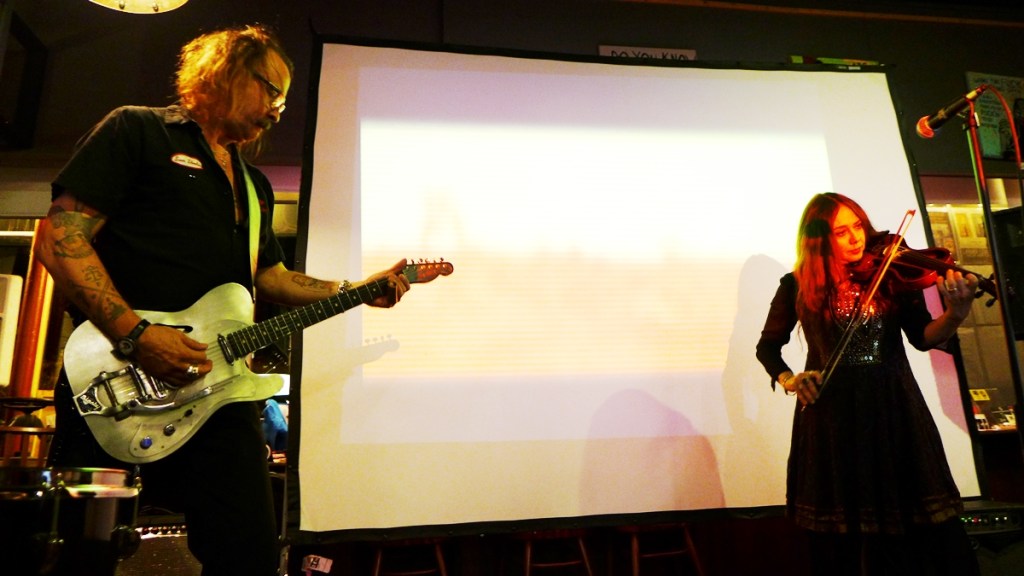
hackedepicciotto at Mutiny Information Cafe in 2015, photo by Tom Murphy

Daniel de Picciotto and Alexander Hacke have been pivotal figures in experimental music in their home city of Berlin going back decades. Hacke has long been a member of pioneering industrial band Einstürzende Neubauten and de Picciotto was a co-founder of traveling electronic music festival the Love Parade. Both have also been members of influential post-punk band Crime & the City Solution. These creative endeavors would be enough to secure their place in music history but anyone involved in the world of art and creative work knows you cannot rest on your laurels forever and de Picciotto and Hacke have both worked in film scoring, various musical projects and in the case of de Picciotto a writer of both a memoir (The Beauty of Transgression published in 2011 about de Picciotto’s early years in Berlin) and graphic novels (We Are Gypsies Now: A Graphic Diary from 2015 about the travails of trying to find a place to settle as artists when Berlin seemed to begin to be unaffordable; Die heitere Kunst der Rebellion – in English The Cheerful Art of Rebellion published in German in 2021 covering her Berlin years 1987-1995). Hacke and Picciotto have also released solo albums all worth exploring including de Picciotto’s affecting 2021 LP The Element of Love.

Several years back Hacke and de Picciotto established hackedepicciotto as a vehicle for their musical collaboration and their multimedia shows as touring artists has consistently brought fascinating narratives and visceral performances to cities around the world. In 2021 the respected Mute Records label released the latest hackedepicciotto album The Silver Threshold. The album is a showcase for what the project has been steeped in for years while also a fine example of pushing aesthetics and exploring sonic and thematic possibilities across eleven tracks, each a marvel of expanding stylistic experiments while commenting on having lived and traveled across continents and truly conjuring a sense of place and time while using sense memory and psychological states and sharp cultural observations as raw material for composition.

I recently had a chance to discuss The Silver Threshold with hackedepicciotto in depth through the use of modern technology to bridge the gap between Berlin and Colorado. Our conversation about symbolism, themes, the challenges of modern culture for creative life and more with any luck flowed well even for the listener as much as it felt to on my end. And if fortune favors us further hackedepicciotto will get to tour more extensively in the year ahead to bring this unique album and their other work to life in their inimitable and always engaging manner. Listen to the interview on Bandcamp and check out The Silver Threshold and other hackedepicciotto also on Bandcamp linked directly below as is the project’s website.

hackedepicciotto.de

Nobody Ever Does Takes Us on a Cosmic Journey to Inner Tranquility on Ambient Psychedelic Track “Rustig Aan”

Nobody Ever Does, photo courtesy the artists

Nobody Ever Does might look like a vagabond version of Jellyfish and one might expect a different flavor of psychedelia from “Rustig Aan.” But what emerges across it’s lush and gorgeous sprawl of sound nearly nine minutes long is a downtempo and meditative listening experience akin to a mellower Bardo Pond without the passages of raw noise. Measured, hypnotic percussion, streaming synths sparkle, ethereal female vocals stream melodic poetry as if cast adrift on the ocean of subconscious thought. In the background voices speak like distant radio signals echoing announcements barely discernible. Bell tones and languorous guitar work throughout give the whole thing which seems so casually and unhurriedly cosmic an organic grounding reminiscent of Sky Cries Mary’s more abstract sonic explorations of inner space for a net effect of utter tranquility. Listen to “Rustig Aan” on YouTube, follow Nobody Ever Does at the links below and listen to the rest of the album Settle Down album from which “Rustig Aan” is drawn out now on Spotify.

Nobody Ever Does on Instagram

Nobody Ever Does on TikTok

Sonomancer Conjures the Ghosts of Modern Techno-Anxiety in the Beautifully Disturbing Video for “Digital Graves”

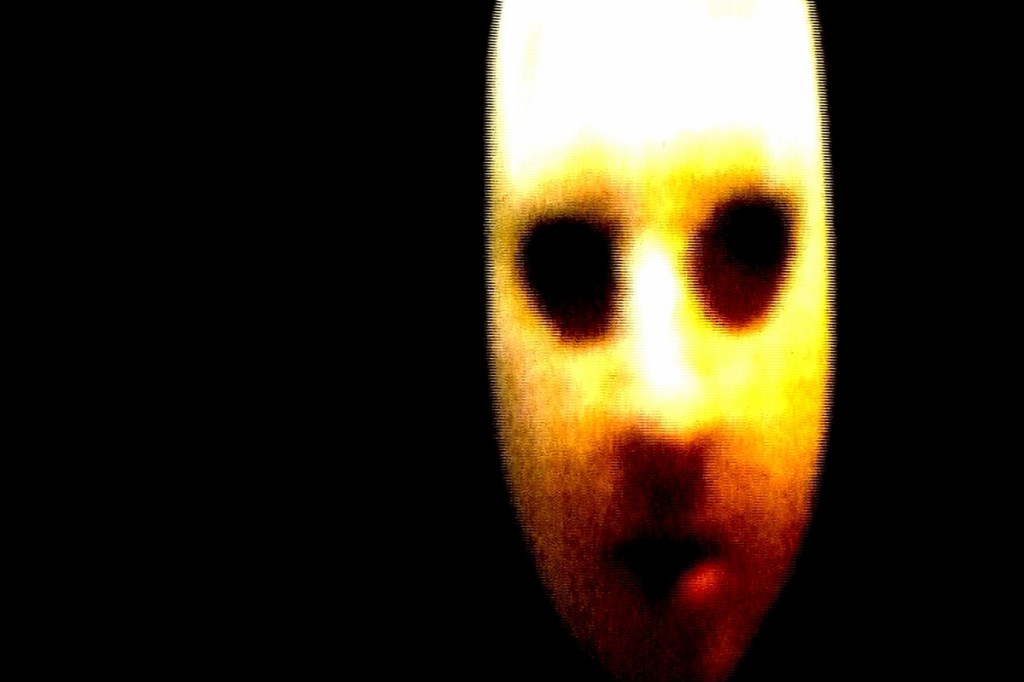
Sonomancer’s video for “Digital Graves” is strongly reminiscent of a Junji Ito manga if he and Inio Asano collaborated on a science fiction horror story about deep regret and the way the digital aspect of human relationships were the vector of cosmic horror. Like a generative disillusion and self-and-mutual alienation reflected in the song with its slow moving synth swells like a warning siren and ambient distorted electronic sounds and cycling sounds that are inescapable and crawling from all sides as a reminder that you’re never alone and always connected in this artificial way. Martha Goddard’s vocals are the beacon of humanity in the song expressing the regrets and misgivings of the specific ways we store our memories digitally through photos and videos or means of staying in contact and how what in another era might have been private is often exposed to too many people and which can be lost when technology glitches, fails or is discontinued in general. The song builds into a gentle and subtle industrial techno track with organic percussive textures that seem to compliment perfectly the shifting and disturbingly beautiful imagery of the video. It is indeed a track for our current era with the aesthetics to match. Watch the video for “Digital Graves” on YouTube and follow Sonomancer at the links below.

Sonomancer on Instagram

Nathan James Mills Considers His Cycle of Bad Habits on “These Friends”

Nathan James Mills channels touches of Jesus and Mary Chain and a bit of A Place to Bury Strangers on his punky post-punk single “These Friends.” Crunchy, fuzzy guitar riffs accent and then drive the dynamics bolstered by a steady beat while Mills considers his relationships with his vices and other people as types of friendships. He lists a short cycle of identity steeped in hedonism in the choruses by asking what would have have to say in casual conversation, with whom he would have sex and would he do drugs while down on his luck and are those kinds of friendships with behaviors and social situations the kinds of friends that are better than misery? Later in the song he sings of losing a friend because maybe he was too caught up in that cycle of past times to be present for a real relationship that isn’t a self-destructive coping mechanism or a tool to facilitate the same because “dysfunction is so pure.” But the moment of clarity peeks in as a hint, as a suspicion with the line “If I ever saw the other side maybe I’d just sit down and cry.” Indeed over wasted time, over wasted opportunities for a life you actually want to have instead of what seems to make you feel alive for a few moments here and there and over the trail of psychological neglect and carnage you’ve left in your wake along the way. It’s a short song at two minutes thirty-one but it packs in a lot and invites exploring one’s own bad habits. Listen to “These Friends” on YouTube and connect with Nathan James Mills on Spotify.

Secret Shame’s “Hide” is a Cathartic Declaration of Resistance to the Stultifying Energies of Psychological Oppression

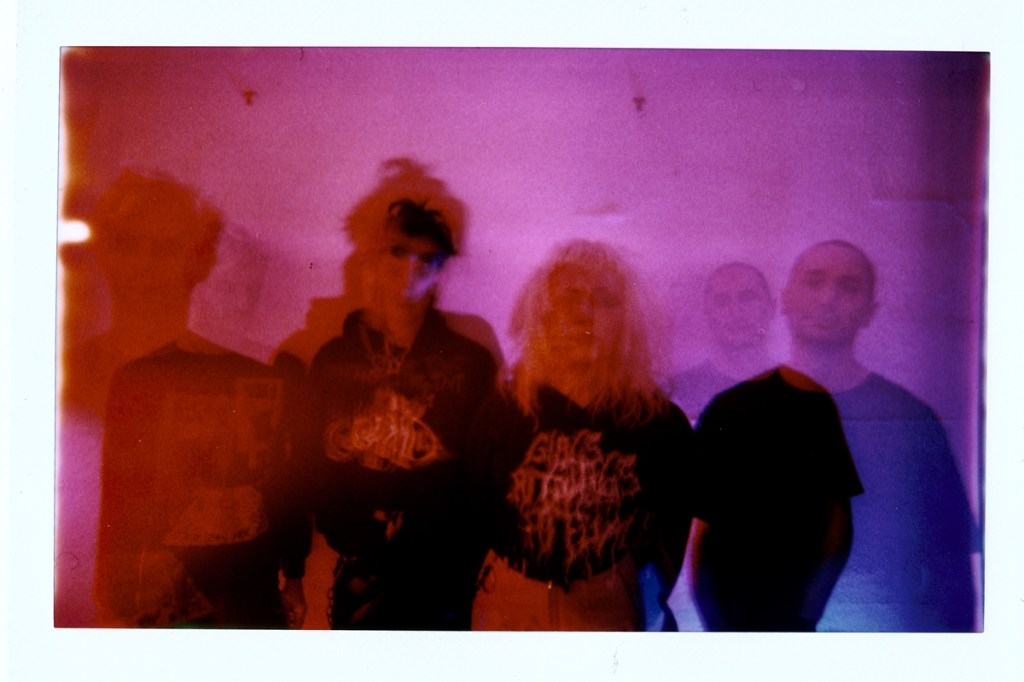
Secret Shame, photo courtesy the artists

“Hide,” the lead track from Secret Shame’s forthcoming sophomore follow-up to its fantastic 2019 debut album Dark Synthetics is a statement on embracing one’s vulnerability and the dangers of always feeling like you need to hide part of yourself as an act of self-protection. In the choruses, guitar riffs hit in a measured yet expressive procession and then bloom forth in wide circles of melody as the rhythm section carries a lot of the weight of the track with an irresistible momentum and energy. In the verses the instrumentation gives the room that is so yearned for in the lyrics that Lena Machina delivers with a focused introspection. The song speaks to anyone that has had to turn a personal asset into a mark of shame because of the bad faith behavior of others and of a culture that consistently treats normal and not inherently destructive human behaviors as an aberration even if it’s something as simple as wanting to have your existence matter despite where the focus of society’s unspoken system of rewards is placed. Not to mention how one can internalize this mindset when it’s the bulk of what’s presented to you in life. It’s a song of no small amount of nuance in its sentiments and musically it’s a step further in the post-punk darkwave direction more than hinted at on the first record and its superb blend of punk and its darker cousin. Listen to “Hide” on YouTube, connect with Secret Shame at the links below and look out for the group’s new album likely announced later in 2022.

Secret Shame on Twitter

Secret Shame on Facebook

Secret Shame on Instagram

P Tersen’s “Methymnia” is an Otherworldly Fusion of Ambient and Drone with Modern Avant-Garde Classical Music

P Tersen, photo from artist’s Bandcamp

P Tersen’s “Methymnia” begins with a drone and brings in an array of organic sounds like a discordant orchestra. The title of the song is the name of the part of the island of Lesbos that was home to the poet and musician Arion who is attributed as having invented dithyrambic poetry, the precursor to Athenian tragic theater. In the context of P Tersen’s song one hears the deconstruction of classical structure favoring something more unorthodox in the vein of what Alexander Scriabin did with his “Piano Sonata No. 6” in crafting something singular and alien using fairly traditional instrumentation and pushing the aesthetics in ways that defy easy description using the usual language in capturing the tenor, mood and dynamics of music that seems to follow its own organic and internal logic. “Methymnia” bridges the worlds of ambient and drone with the classical avant-garde in a way that strikes the ears as mysterious and fascinating like remembering music from the world of dreams visiting another quantum reality where notions of harmony and melody at decidedly off from even the different cultural traditions in the earth we know. Listen to “Methymnia” on Soundcloud and connect with P Tersen at the links provided.

P Tersen on Vimeo

P Tersen on Instagram

Raelism Employs Spooky Atmospherics and Haunting Imagery to Process Personal Darkness on “Self-Soothe Mechanism”

Images in black and white, a woman laying on the ground looking into the near distance flanked by footage of the tides. Then tides coming in and in reverse out. Simple, ghostly synth melody echoing and then giving way to lightly distorted keyboard tracing a line that that goes up and slightly down as the tides move about and hints of another figure appears as a layer of the image over which the tides become slightly transparent. We see a man sitting in an alcove surrounded by an enclosure with foliage. This is how Raelism’s “Self-Soothe Mechanism” starts before the minimalistic percussion edges into the soundscape. The atmosphere of the song and the footage is reminiscent of what a sequel to the 1962 horror classic Carnival of Souls might look and sound like. Especially when the spooky glimmers of higher pitched synth bursts in with short lines answered by hovering, darkly ethereal drones. And then the color as the figure sings/speaks “I didn’t hit you, I didn’t cut you” in almost deadpan fashion. Then the male figure crawls menacing forward from his greened alcove juxtaposed with an image of him sitting at the top of a staircase and holding his face in his hands. It’s a psychological horror in short form and the title of the song might seem counter intuitive except that when someone repeats what he wants to believe to himself to soothe a guilty conscience over some actual or imagined wrong it definitely serves that purpose. Like a mantra that can also serve to heal through reaching into that personal darkness deeply and bringing forth deep seated feelings that haven’t been allowed expression by the conscious mind. And yet the chilling aspect of the composition especially given the video treatment while unsettling is also calming. The combination is like if Alien Sex Fiend made a chill, ambient track with an A24 director directing the music video except in this case it was Abigail Clarkson. Is that perhaps too on the nose connecting the name of this project with the UFO cult of the same name started by Claude Vorihon in the 1970s? Maybe so, but it’s another dimension to this fascinatingly unusual music. Watch the video for “Self-Soothe Mechanism” on YouTube and follow Raelism on Spotify. Look for The Enemy is Us EP set to release in 2022.

Egopusher Conveys a Sense of Great Emotional Poignancy and Emotional Complexity on “Patrol Rework”

Egopusher, photo by Svenja Kuenzler

Egopusher has described their music as being akin to something Sofia Coppola would have in a science fiction movie of her making and the duo’s song “Patrol Rework” bears this concept out. It is minimalistic, lush, moody and yet has a physicality that feels like both a wind sweeping past you and into the distance only to return like the flutter of feelings when a memory strikes you and you take the time out to contemplate the swirl of emotions evoked strongly yet again. Which is a bit like Coppola’s own filmmaking—a creative evocation of nostalgia and the role of memory in shaping your emotional reactions. But “Patrol Rework,” though tinged with melancholy also feels like a lingering on a memory and living in that moment not as a negative or a positive but as the complexity of experience that often is how we lived and felt at a time of great significance to us. And as something remembered not for any specific resonance but as something poignantly felt giving it the significance and power that a specific context anchors so strongly in our psyche. The songwriters’ use of a simple and evocative piano figure, strings bowed and plucked, synth drones, processed white noise and tonal sweeps is layered but of a piece that covers a great spectrum of sound while sounding tastefully spare. Listen to “Patrol Rework” on YouTube and follow Egopusher at the links provided.

Egopusher on Instagram