
Graffiti Welfare’s “Volume” is a Hypnogogic Pop Song for Insomniacs Everywhere

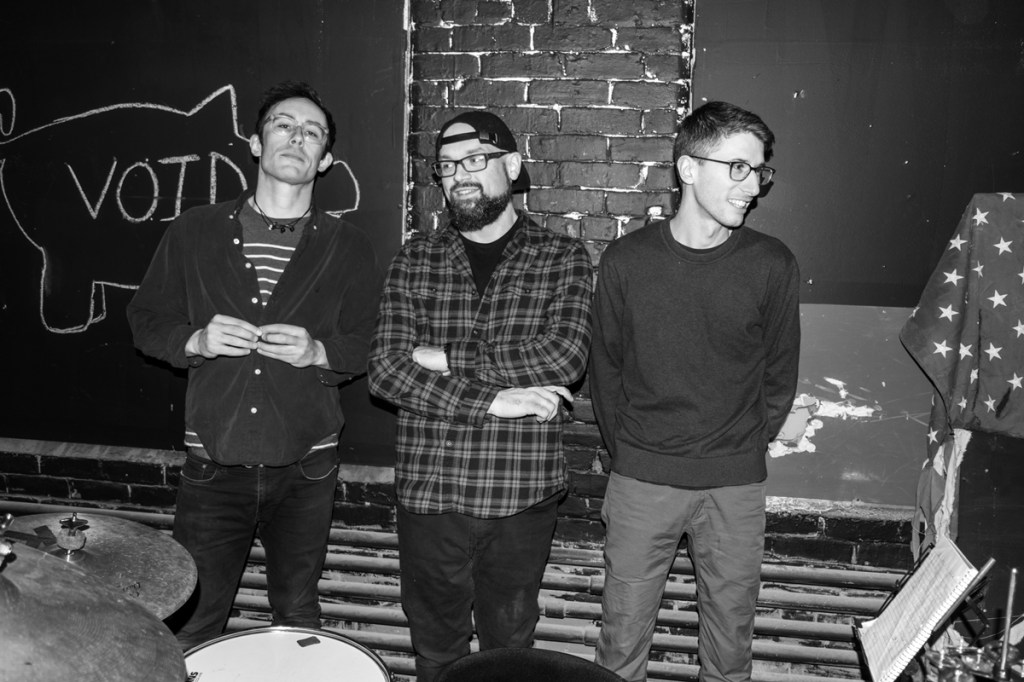
Graffiti Welfare, photo courtesy the artist

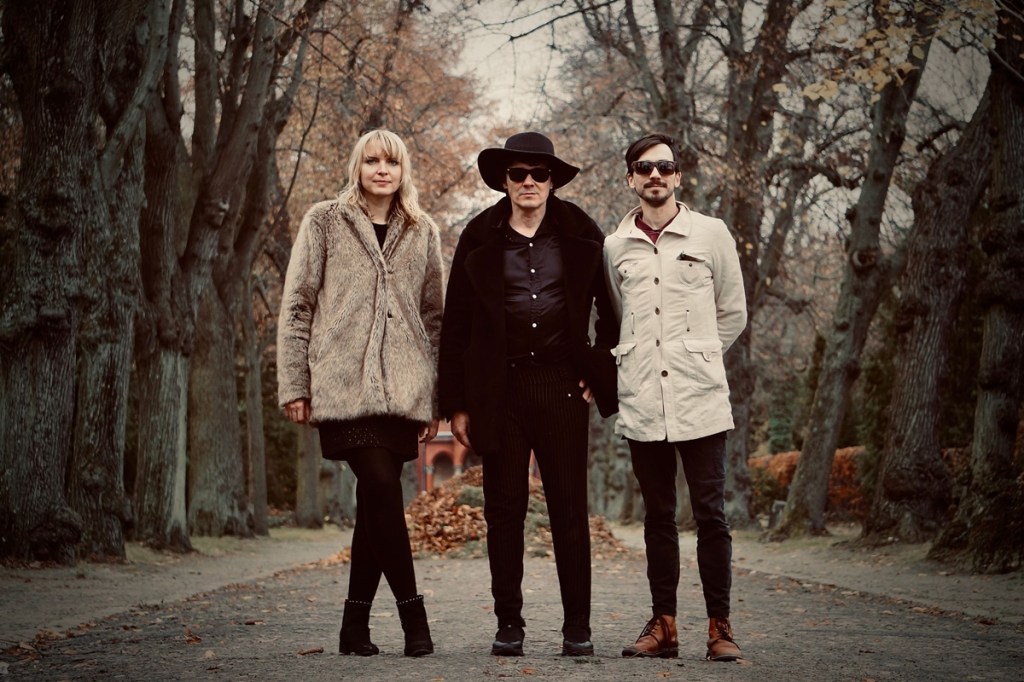
Graffiti Welfare are on to a very real personal phenomenon with the song “Volume.” It’s something that could only happen from the late Twentieth Century onward but reflects an aspect of human psychology and culture that goes back to our most ancient of days. The shimmering tone and ethereal vocals with some fairly funky bass, synth drone and expressive percussion cast a dreamlike quality on the song and the lines “Turn the television on while I get some sleep/Leave the volume up, man it’s the same to me” that open the song expresses how familiar sounds and energies can soothe our minds so that we can get adequate rest. Not everyone but the kinds of people who maybe in ancient times had the habits of being aware of environmental sounds and when those sounds and sense of movement remain familiar their nerves could relax some but when that normalcy is interrupted they shock to awareness. “I’m scared the volume will cut out/While I’m asleep/Next day no voice on the street” speaks to that ancient mindset adapted to a modern context. Even when a television station will broadcast different programs there is a kind of constancy and predictability to the sound level and dynamics that is not unlike the fires going on, the sound of wind in grass, the regularity of water lapping at the shore and so on. On another level the song articulates what it’s like to have a survival mentality where maybe you feel like you have to be hyper vigilant and pin your ability to relax on these unconventional cultural tools that might actually agitate people not saddled with those sensitive instincts. Musically it’s like a psychedelic, moody synth pop song that fans of Nation of Language and Lake Trout might enjoy. Listen to “Volume” on Spotify and follow Graffiti Welfare at the links below.

Graffiti Welfare on Twitter

Graffiti Welfare on Instagram

REX and Jonatan Egholm Keis Present an Elevated Horror Short Masterpiece in “FORWARD”

Danish synth band REX gives us an existentialist, elevated horror short with its video for the song “FORWARD.” The narrative of the video suggests a young woman struggles with abuse both emotional and physical when a mysterious figure with glowing eyes steps out of the fog enshrouded countryside to guide her to take drastic actions of revenge and self-liberation. Musically the song is reminiscent of what S U R V I V E did for Stranger Things or a less dance music oriented version of the kind of music Boy Harsher did for its own long-form music video/horror movie The Runner. But paired together the music and video directed by Jonatan Egholm Keis works powerfully well in an elegantly executed fusion of the two art forms. Though a dark story of the catharsis of abuse and the purging of the amplified anxiety of PTSD, the mystical, hooded figure ultimately seems benevolent the way a visually similar figure does in the 2010 film Uncle Boonmee Who Can Recall His Past Lives where there is no question of the figure’s benevolence even if its image is visually ominous. Watch the video for “FORWARD” on YouTube and connect with REX at the links below.

REX on Facebook

REX on Bandcamp

REX on Instagram

rexcollages.com

House of Light’s “House of Love” is a Darkwave Synth Pop Fusion of Nostalgic Yearning and Rediscovering Romantic Ecstasy

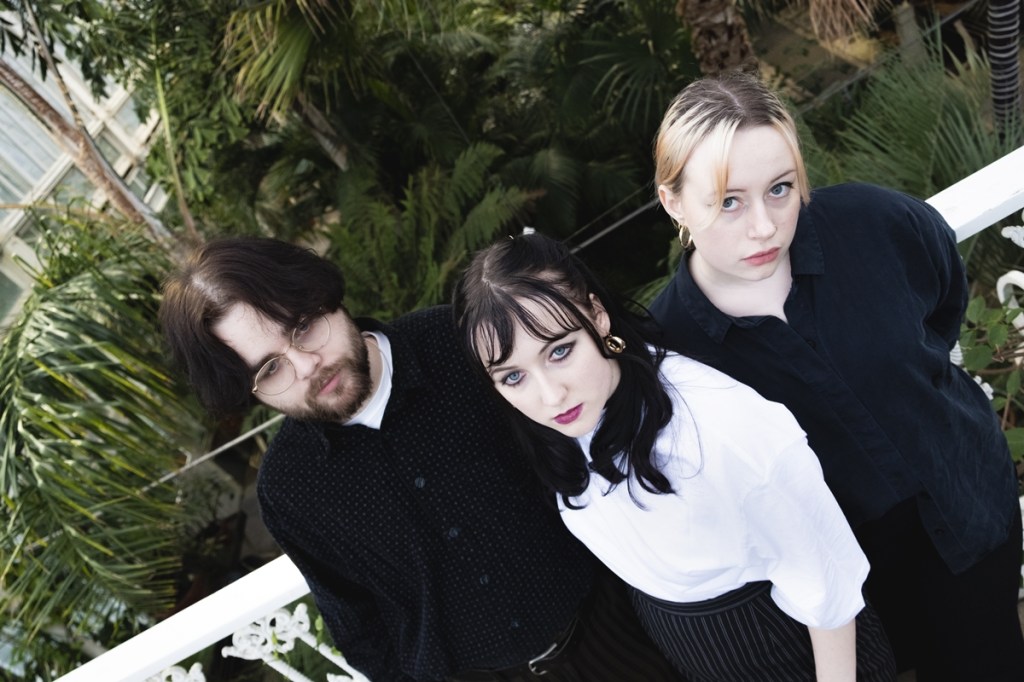
House of Light, photo courtesy the artists

House of Light orchestrates multiple streams of tone on “House of Love” to give the song its bright and urgent yet melancholic vibrance. The lead single from the group’s new album 21st Century Prayer (out soon on Bandcamp) is reminiscent of that strain of modern darkwave that taps into the better end of the first wave of Gene Loves Jezebel and The Mission UK. Except that House of Light seem more keen on delivering classic pop hooks more in the vein of synth pop of that era as well for a sound that reconciles that tonal darkness and spirit with an upbeat dynamic. Fans of Actors, Bootblacks and Wingtips will find a lot to like about the way House of Light uses guitar tone to cut a scintillating figure through the soundscape in sync with the rhythm. Is the potential nod to Sisters of Mercy’s “Temple of Love”? Possibly but either way another touchstone for House of Light, surely. Whatever is in the mix, it’s an aesthetic that recalls an earlier era of music while imbuing it with a modern resonance and sensibility. The music video for the song shows the group seemingly performing in a repurposed church with projections of luminous washes and the surrounding architecture looking like some music video only seen on a public access music video program and thus adding a layer of mystery to the song’s impact. Watch “House of Love” on YouTube and follow House of Light at the links provided.

The House of Light on Facebook

The House of Light on Instagram

The Big Sway’s “Almost Home” is Like a Love Letter to Life on the Road in a Touring Band

The Big Sway, photo by Joe Macfadzen

“Almost Home” is The Big Sway’s first single from it’s forthcoming album We Made This For You (due out Summer 2022) and its frantic pace story finds a manifestation in the unusual music video. It depicts a dashboard hula dancer with a ukulele “dancing” in time with cross country road trips juxtaposed with images of monstrous driver and passenger in the car, time lapse traffic to exaggerate the chaotic nature of of traveling by car and interstate maps. Musically it’s a cousin to for much of the song to Zen Arcade-period Hüsker Dü but then in the last section of the song things slow down to a tranquil and echoing melody with Polaroids of the trip scrolling across the screen. It’s a lot like touring in a band. A lot of hurrying up and packing in a lot of shows and other action into a compressed period of time and not having a lot of time to think and unexpected periods of having time away from the focus of the tour which is getting to the venues and playing and loading out and finding a place to sleep before hitting the road again. It can be frustrating and fraught but there is a certain excitement to it even when you run into a less than idea situation at a venue, with a particular show with the outcome thereof and so on—it’s all a part of the adventure that seems over so soon. Then at the end that sensation of getting home after a long drive and how surreal and tranquil it feels and comforting and then taking the time out to reflect before returning to regular life seems to take on greater significance than merely coming home after a vacation. The Big Sway captures those emotions perfectly in this song and whether it’s sort of a love letter to the life of a band on tour it sure sounds like it and Damon Bishop’s music video a fantastic visual representation of that time as well. Watch “Almost Home” on YouTube and follow The Big Sway at the links below.

The Big Sway on Instagram

thebigsway.com

“Don’t Talk” Finds moodring Charting the Poetry of a Messy Breakup With Elegant Soundscapes

“Don’t Talk” by moodring is one of those songs that sounds so sunny it’s like a musical manifestation of a TV version of California. But like the actual California there’s a real version with all the regular human challenges and this tune sounds like the kind of song that delves into a nuance of human relationships and interior life that can wash by you if you don’t take the time to think and feel it through. It’s a beyond break-up song. But sung from a melancholic perspective of a person who is ready to move on from a situation that became intolerable but the other party keeps wanting to re-enter her life by lingering around the edges of her life. Singer Charli Smith somehow makes the chorus of “Don’t talk through nothing if you’re not just gonna walk back” work with Brandon Brewer’s careful production and rhythm. And in doing so makes a very heavy sentiment seem to float away like the wearied anxiety the situation must produce. Fans of Japanese Breakfast will appreciate the palette of sounds and the way the duo writes bright and moody melodies in a dream pop/bedroom pop style that linger with you. Listen to “Don’t Talk” on Spotify and follow moodring at the links below.

Moodring on Instagram

The Worst Makes the Sudden Realization of One’s Own Role in Undermining Your Life Seem Survivable on “Monomania”

The Worst, photo courtesy the artists

The Worst’s single “Monomania” from its forthcoming second album Yes Regrets (out June 3 on RascalZ RecordZ) combines determined punk rock grit with power pop tunefulness. Singer Brooke Binion often gets compared to Joan Jett for a good reason because she has that sort of forcefulness but tonally her vocals are more reminiscent to these ears of one of Jett’s former bandmates in the Runaways: Lita Ford. The latter even on her more metal solo albums had/has a huskily melodic power in her voice. For the music video Joshua James Hand shows Binion performing on a dimly yet colorfully lit stage juxtaposed to running through fields of snow into a forest as though running from something and getting lost only to find a mirror that stops her in her tracks confronted by the person responsible for that desperate state of things. The song, as the title suggests, is about how we often pursue something thinking it’s what we want and need having convinced ourselves of the viability of that thing because it worked for us before. Specifically the chorus of “you go chasing feelings/you’ll be sorry every time” speaks directly to the cycle of undermining our lives that everyone can find relatable if you’re the kind of person that has a passionate streak. It can be hard to admit to your shortcomings and mistakes but this song by The Worst makes it somehow seem okay and absolutely necessary even if you stumble. Everyone does. Watch the video for “Monomania” on YouTube, follow The Worst at the links below and look out for Yes Regrets out June 3 with production by Will Holland and includes guest drumming from Nikki Glaspie (Beyoncé, The Nth Power) and features members of Morphine, The Distillers and SeepeopleS.

The Worst on Twitter

The Worst on Facebook

The Worst on Instagram

MIYNT’s Psychedelic Dream Pop Song “Lonely Beach” Makes a Good Case for Choosing Loneliness Over a Bad Relationship

“Lonely Beach” finds MIYNT employing a warping and distorted psychedelic melody across guitar, rhythms and pairs it with vocals sounding like something recorded to VHS and then recaptured and boosted. The effect is a sound that is both intimate and raw yet dreamlike. The lead vocals and where it sits with the instrumentation and the ghostly backing vocals is reminiscent of the more jagged aesthetic of Portishead’s “Half Day Closing” in which lo-fi and the sound of a song breaking down slightly and coming back together is made into a beautifully disorienting aspect of the song. But here things don’t go quite off the rails and MIYNT reigns in the chaos and harnesses that kind of energy to create an unconventional pop song about waiting in life for the right person or situation to come along to engage and inspire your heart and then ends with the line “waiting for somebody that you’ll never be” as though an explanation for why things won’t or didn’t work out but doing so in one of the more kind of blunt ways possible. It’s also a song that seems to express the feeling that being lonely can be preferable to settling for someone that doesn’t suit you because that’s essentially choosing to stay lonely while making room for drama and static for the illusion of companionship. Listen to “Lonely Beach” on Spotify and follow MIYNT on Instagram.

Laura Jane Grace Joins Bloods for a Song About an Enthusiastically Affectionate Love on “I Like You”

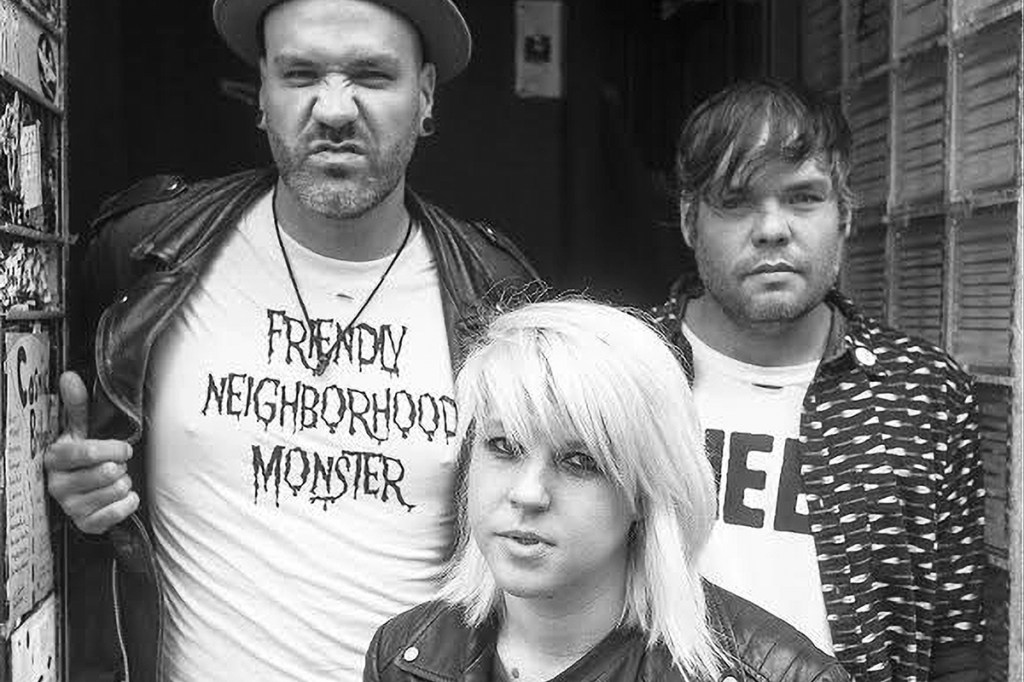
Laura Jane Grace and Bloods, photo by Chris Bauer

For “I Like You,” Bloods’ latest single from the forthcoming album Together, Baby!, the group tapped the talents of Laura Jane Grace of Against Me! Fame and an obvious influence on the Australian trio. The song has an upbeat momentum and exuberant melodicism of The Breeders. It’s lyrics could apply to a friendship or a romantic relationship in which the bond is especially strong and in which the feeling is not just love but like and there’s a difference but having both at once reinforces those feelings in a way that feels special. Grace comes in during the second stanza with fortifying vocals and in the last part of the song Grace and Bloods trade lines and come together in the end where the song makes perhaps more explicit the type of relationship described with the lins “Not sleeping alone anymore/Never sleeping alone anymore” and the words “You pull me in I pick you up/Now we can stop pretending” that close out the song hits with more poignancy. The song isn’t much over two minutes but it feels like it describes an important relationship with great economy. Listen to “I Like You” on YouTube, look out for Together, Baby! The group’s debut album out September 23 through Share it Music (proceeds from the album going to Asylum Seeker Resource Centre, Australia) and follow Bloods at the links provided.

Bloods on Facebook

Bloods on Twitter

Bloods on Instagram

Cam Maclean’s “Visions” is a Nostalgic and Mysterious Pop Noir

Cam Maclean’s enigmatic, dusky pop single “Visions” on the surface level sounds like a modern equivalent of yacht rock song but with the chill vibes and perpetually on vacation energy cut out completely. It’s more like the kind of song that would be perfect for a noir drama directed by Sofia Coppola but written by Ed Brubaker. There is an existential undercurrent to the song that comes from a place of deep introspection and when Maclean sings of how “there is no darkness that can purify his soul” it just makes sense from the perspective of darkness as a metaphor for the unknown and that in too many realms of life it’s not there on the edge of town or in neglected corners of downtown areas in a compelling way. And the song sounds like a melancholic reflection on how things have changed and how it changes people and the places they live and how what was special about so many cities is being bleached out by corporate developers and the like buying up so many “undervalued” property and draining the personality out of every place many people might like to live and make their own in a social ecosystem that isn’t comprised of moneyed monoculture and the businesses and public works that seem to cater to that. Who can say if Maclean had this perhaps heavy handed socio-political, analytic projection but this moody song, a touch of accordion adding a nice glimmer of nostalgia, certainly captures a time in life when you’re assessing what it’s all about and where you are in life and how you took for granted simple and familiar comforts as it’s fading away. Listen to “Visions” on YouTube and connect with Maclean at the links provided.

Cam Maclean on Facebook

Cam Maclean on Twitter

Cam Maclean on Bandcamp

Cam Maclean on Instagram

“Brighter Than The Sun” by Swedish Shoegazers Boy With Apple is Awash in Transporting, Effervescent Tones

Boy With Apple, photo by Felicia Lekenstem

In the beginning of Boy With Apple’s “Brighter Than The Sun” it sounds as though you’re about to be dropped into a late 90s Britpop song but in a move similar to what we heard on “Sugar” by Beach Fossils, Boy With Apple takes a sharp left turn not so much into lush post-punk but transportingly ethereal dream pop. The percussion accents and grounds the music with its steady yet expressive drive while the vocals sound like they’re coming from somewhere deep in a luminous cave. Keyboards hold a glistening melody as guitars surge and swirl like billowing clouds of effervescent tone. It sounds a little lo-fi but that adds to the mystery of the song like footage of a lost shoegaze band of the early 90s shot on sixteen millimeter two track audio capture. There’s a rough charm to it even though the song has a softness that makes it immediately accessible. Listen to “Brighter Than The Sun” on Spotify and follow Boy With Apple at the links provided.

Boy With Apple on Facebook

Boy With Apple on Instagram