Rupe’s Delicately Rendered Indiepop Song “growing up is strange” is a Nostalgic Look at the Past and an Embrace of Making New Memories to Add to What’s Been

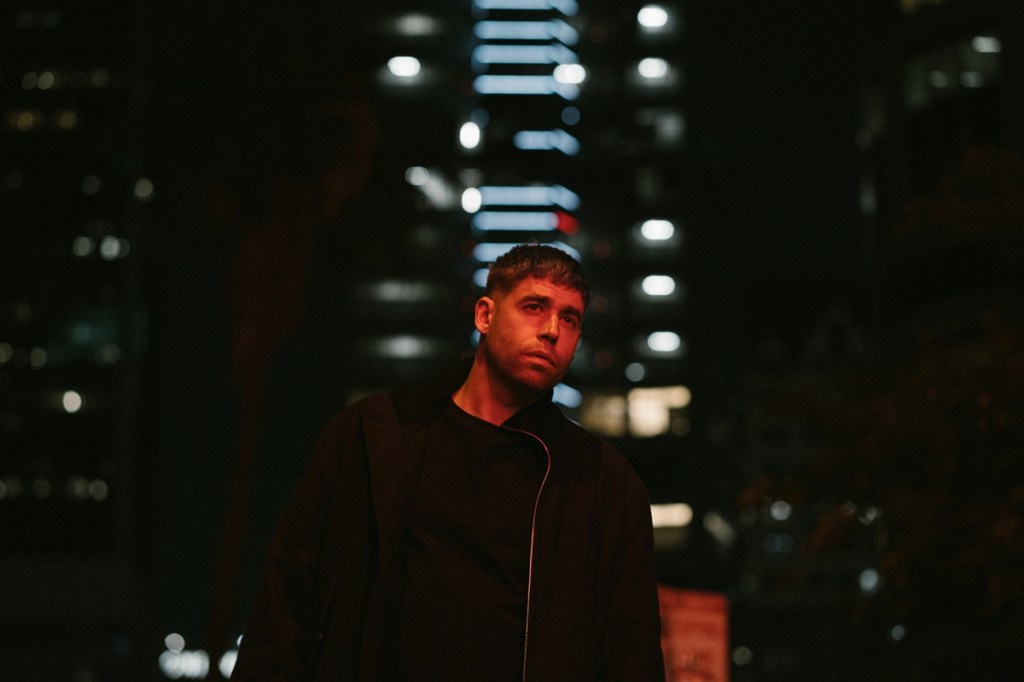
Rupe, photo courtesy Rupert Lange

Rupe is a 23-year-old songwriter from rural, north Louisiana and somehow on his single “growing up is strange” he perfectly articulates a sense of nostalgia and loss that people usually only really fully feel in their thirties or older. The hazy shimmer in the background is the perfect tonal backdrop to a spare guitar melody and Rupe’s introspective immediacy in his vocals. He brings to the song details of life in a rural town that translate well to the cognate from your own life of people and places that made up the social circle you took for granted at important stages in your life whether that was in your youth, your young adulthood, even middle age or older. When Rupe sings “I thought those times would last/This life just moves too fast” it just rings true and even more so these days when the social artifacts of our lives are being torn down and replaced with a corporate version of what once had more resonance and meaning because of the memories made and the social context of a time that sit fondly in your memory. And yet change we have to accept and not get stuck in the past and we hear Rupe’s own acceptance that life moves onward whether we’re emotionally ready for it or not with the closing line “And oh for once it feels right.” While it’s nice to revisit a wonderful time in our lives it’s also good to make new memories to add not replace or take away the old. The song is reminiscent of early 2000s indiepop but doesn’t sound particularly stylistically beholden to a particular artist. It just has that refreshingly earnest and intimate feel that puts a song’s hooks into your brain. Listen to “growing up is strange” on Spotify and follow Rupe at the links below.

Rupe on TikTok

Rupe on Instagram

“Moire 05” is Betts(JP)’s Deep Ambient Meditation on the Granular Details in the Patterns of the Universe

Betts(JP), photo courtesy the artist

Betts(JP) layers a lightly distorted and oscillating tone over one lighter in frequency on the track “Moire 05” to suggest organic, fluid movement per the title of the song. Rather than the visual effect the sounds convey movements and resolve like ripples on the surface of a body of water. The cover art displays the image of a pool of water with the waves moving outward from a center where perhaps a solid object or a heavy drop of rain fell from a leaf. The song has a similar specific differentiation of texture and vibe that is subtle but as with the ripples in the cover image there are aspects of how the water moves from that center that create unique visual and physical impacts as the wave moves from the point of impact. It’s an ambient song but like most ambient it’s not the absolute uniformity of mood but rather the subtle changes in dynamics as the waves of sound move outward from the point of creation and as the source of the sounds modulates and the the sonic energy decays over time creating its own sonic phenomena. It’s a deeply relaxing track that seems to have come from a place of deep observation and meditation on the details of our everyday universe that can be missed as we cognitively rush toward the stimuli that catch our immediate attention. Listen to “Moire 05” on Spotify and follow Betts(JP) at the links provided.

Betts(JP) on Twitter

Betts(JP) on Instagram

betts-jp.tokyo

Bad Heather Blasts Coat Tail Riders on the Cathartically Angsty “Stay In L.A.”

Bad Heather, photo courtesy the artist

Porter Chapman is apparently most well known as the live drummer for The Moth & the Flame’s 2019 tour but with his single as Bad Heather,“Stay In L.A.” from his forthcoming Sad Heather EP due out later in 2022, shows not just some inventive production on the percussion but an energetically forceful songwriting. The song has an intentionally lo-fi sound that best suits the messy emotions expressed in the song with some grit and the distorted quality of amplified feelings. There is a feeling of charged emotion borne of having to deal with a clinger on who is trying to ride your coattails to some imagined higher place but insists they’re going to be huge out of an overblown ego combined with a lack of self-faith. You know the type and it isn’t just in some music or art scene but someone who thinks they can use other people as a stepping stone to asset their own sense of self-importance. Probably most of us have witnessed this misbehavior but Chapman has given some unvarnished expression of the frustration with that social dynamic. Watch the video for “Stay In L.A.” on YouTube and follow Bad Heather at the links below.

Bad Heather on TikTok

Bad Heather on Instagram

Manpreet Kundi’s Ethereal and Gentle Pop Song “don’t wake me” Inspires Indulging the Freedom of Dreams to Feel Deeply and Beyond the Demands of Everyday Life

Manpreet Kundi, photo courtesy the artist

Manpreet Kundi’s breathy vocals on the acoustic version of “don’t wake me” seem to serve as the aesthetic style of the rest of the instrumentation on the track. The piano, the strings and even the spare percussion have a touch of reverb that convey a sense of space and an air of the dreamlike suggested by the song’s lyrics. Kundi seems to be singing about a preference for bright dreams of a life where her feelings aren’t treated with a dismissive spirit and where “no consequence, no heaviness” can bring down getting to feel a sense of hope and potential fulfillment even if just in that time before waking. The simple request of wanting not to be woken up before the dreams take their natural course is pretty understandable especially when waking life can have so many heartbreaking complications. The contemplative, wistful tone of the song has an intimate immediacy that draws the listener in with words and sentiments that draw on basic emotional needs everyone has at some point in their lives when so much of our energy and attention is demanded by jobs, by family, by friends, by the world around us and we need some time to enjoy a pure feeling of bliss separate from the emotional rat race. Listen to “don’t wake me” on Spotify and follow Manpreet Kundi at the links below.

Manpreet Kundi on Facebook

Manpreet Kundi on Instagram

Manpreet Kundi website

Ki!’s Internationalist Instrumental Psychedelic Track “Nắng Ấm” Conjures Vision of a Brighter Future

Imagine an alternate universe where the Cold War never happened and the conflicts for de-colonization went more humanely than in our actual history and Saigon was a thriving city and cultural center in the mid-70s with an active and inventive psychedelic prog scene that emerged unburdened by the pressure of internecine civil warfare. The exuberant and even celebratory instrumental music heard on Ki!’s single “Nắng Ấm” might have emerged with its lively guitar melodies and jaunty dance beats a full five decades before its 2022 release and perhaps been contemporaries with Fela Kuti and W.I.T.C.H. in an international music scene where ideas could more easily and readily influence each other for the better. It is the soundtrack of a retrofuturist vision for a much more nurturing time ahead of us. Connoisseurs of 1960s Cambodian pop and rock as well the aforementioned and Mdou Moctar will probably enjoy what Ki! is doing on this song. Listen to “Nắng Ấm” on Spotify.

Plus with Nigel Hood and Monogem Contemplate the Balance Between Integrity and Success on the Urgent Darkwave Hip-Hop Track “The End (El Final)”

Plus, photo by Davy Greenberg

Plus assembled a team of collaborators in Nige Hood and Monogem to create the dusky, urgent and moody track “The End (El Final).” The arc of pulsing synth melodies and luminous drones alongside beats that feel like the percussion equivalent of call and response frame a story of someone who struggles with the temptations of not just everyday life to put you off your hussle but also the trappings of success that can be seductive with people flattering you and pretending to be your friend all while looking for their own opportunity in crawling to the top of whatever industry you can name because there is that unnecessary competitive streak and aspect of to most important endeavors whether it needs to exist or not. The song is about maintaining a healthy sense of self and not overfeed the ego and stick to strong foundational principles. It is about the hustle of being an entrepreneur and/or an artist and the precariousness of balancing integrity and authenticity with success and maybe let a little of the latter go if it means you can be true to what you know is best. Musically the track is somewhere between commercial mainstream hip-hop in production but more experimental in the soundscaping bordering on darkwave for an effect that it sounds like something you’d hear in an epic Michael Mann crime drama even though it isn’t itself about a life in crime. Truly a song for night driving. Listen to “The End (El Final)” on Spotify and follow Plus at the links provided.

Plus on TikTok

Plus on Facebook

Plus on Twitter

Plus on Instagram

KCPK’s Brooding Deep House Track “ATOM” Brings a Sense of Transcendence to its Apocalyptic Music Video

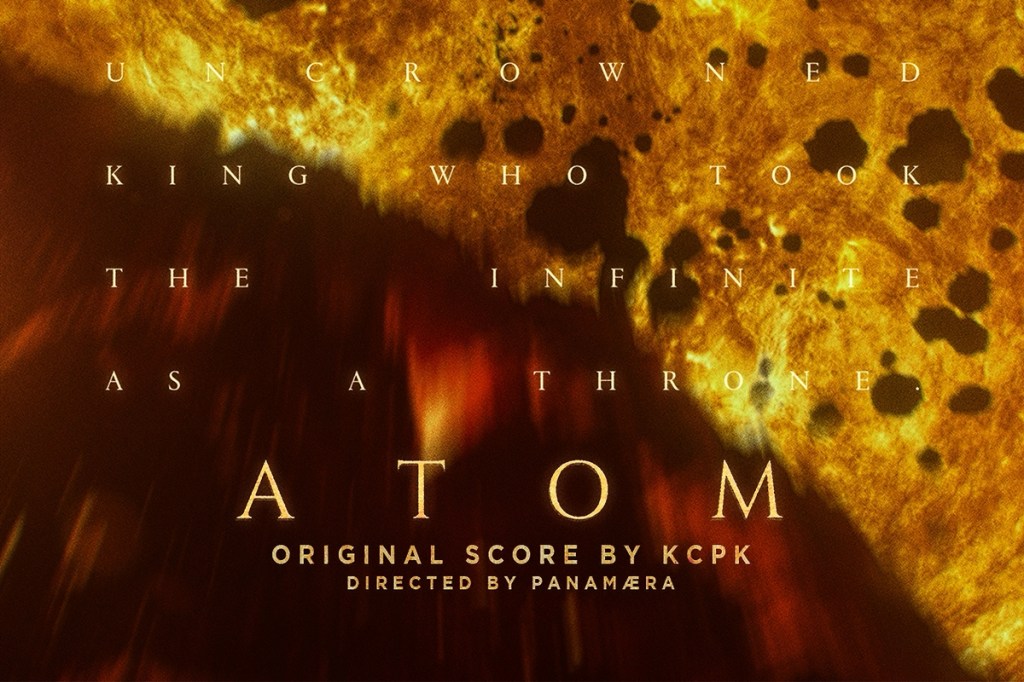
KCPK’s short film for the song “ATOM,” as directed and produced by PANAMÆRA is a dystopian science fiction epic in its own right. The medium pace with the layers of dusky tone, narrowly accented beats, textural melodies and a sense of impending catharsis pairs well with the visions we see of a future where the human race is facing the destruction of the world and transcendence in the wake of a super nova that opens a portal to another universe or another part of the galaxy for the few that survived the conflict implied with the oranges and burnished reds of the color palette coupled with blackened imagery and a sense of the world as we knew it having been scorched by warfare and climate disaster. Visually reminiscent of a Luc Besson film or The Road (2009) the sounds seem to contrast with the imagery in its deep house soundscapes yet pairs well with the pacing and sense of the epic and a transformational climax. Watch the video for “ATOM” on YouTube and follow KCPK at the links below.

KCPK on Facebook

KCPK on Instagram

Alexandra John Layer Personal Darkness With Catharsis on the Cinematic Synth Pop of “Demons”

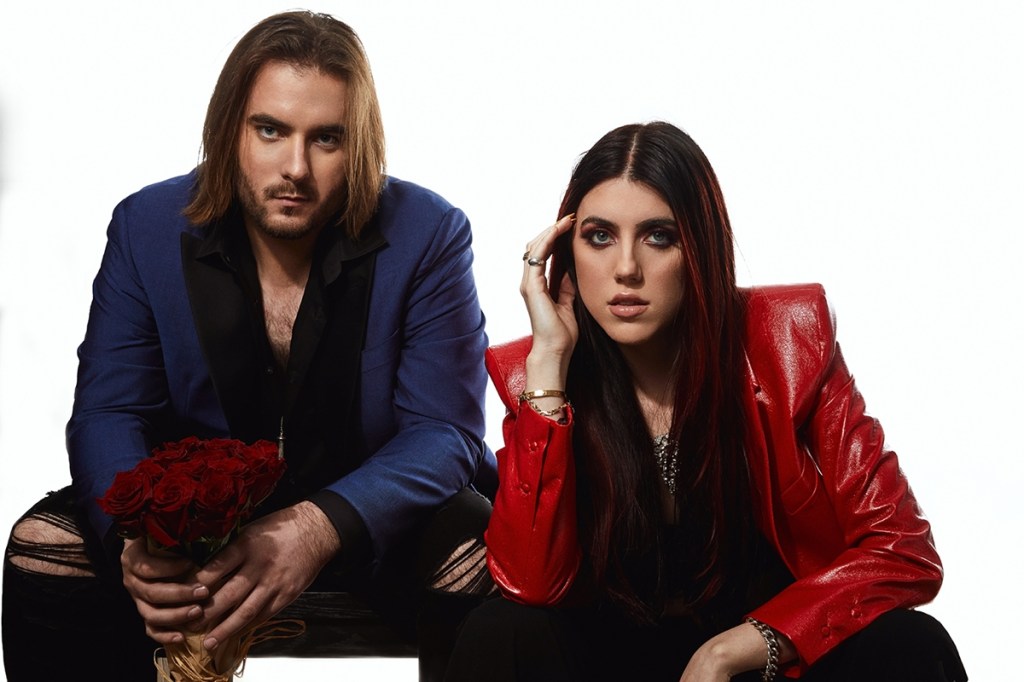
Alexandra John, photo courtesy the artists

The slowly increased volume that introduces us to Alexandra John’s “Demons” works well in the context of the music video for the song. The way the song adds and removes layers to give it an emotional dynamic like an intensity of feeling and a moment of clarity as reflected in the lyrics about someone struggling with inner demons and maybe someone who is trying to push push our narrator further into the dark side she’s trying to push beyond. The lush synth melodies driven by lightly distorted electronic bass and minimal percussion bring to the song a touch of classic early chillwave but with a cinematic feel that is more akin to a more upbeat side of Electric Youth. The music video directed and edited by Jake Hays with cinematography by David Gordon has a beautifully dark horror movie aesthetic that fans of Boy Harsher’s treatments on The Runner or Anthony Scott Burns’ visual moods on Come True will appreciate as those films are a fine modern examples of the fusions of music and cinema that don’t shy away from extensive use of visual as well as thematic darkness. Watch the video for “Demons” on YouTube and follow twins Liza Cain and Weston Cain as Alexandra John at the links below.

Alexandra John on TikTok

Alexandra John on Facebook

Alexandra John on Twitter

Alexandra John on Instagram

alexandrajohnmusic.com

Erika Wester Reflects on the Dubious Charms of a Dysfunctional Relationship on “Wanted To Be Like You”

Erika Webster, photo courtesy the artist

Erika Wester builds the soundscape of “Wanted To Be Like You” beginning with a spare acoustic guitar riff and minimal keyboard and percussion. Her hushed and expressive vocals describe a relationship that seems dysfunctional on multiple levels and the progression of the song gives the impression of Wester navigating troubled emotional waters which is an image she employs as a symbol of infatuation and being in sync with someone, or feeling like you are, until you realize that you’re not of a similar mind about the relationship and that one person might be emotionally in a place where they can’t be present with you and you can’t always be the person to pull them out of a bad place all the time. The lines “Wanted to be like you/Till I watched you drown” in the chorus and later in the song “Did you date me/And think there’s be no doubt?/Ain’t it lovely/Until the truth comes out” doesn’t spell out explicitly but makes clear something many people realize at some point in a relationship that’s bad for them and that’s that some people, and most people at some point in their lives and perhaps often enough at the beginning of the relationship, don’t want to be with a real person with a history and flaws and misunderstandings and, well, needs, normal human emotional needs. Without saying so word for word Webster has written a song about someone who has moved on and developed as a person who knows herself and other people better and recognizes that she deserves better than someone who won’t grow and has no seeming emotional incentive to do so but that she doesn’t have to be the one to help facilitate that change. Sure, it’s a pop song with an element of the ethereal running through it but the instrumentation becomes more lush as the song progresses to its inevitable conclusion like the work of art mirrors the psychological growth suggested in the lyrics. Listen to “Wanted To Be Like You” on Spotify and follow Wester at the links provided.

Erika Wester on TikTok

Erika Wester on YouTube

Erika Wester on Instagram

Erika Wester on Apple Music

Tobias Karlehag Models the Blooming of Flowers in the Early Morning Sun on the Organic Ambient Track “ORQUIDEA”

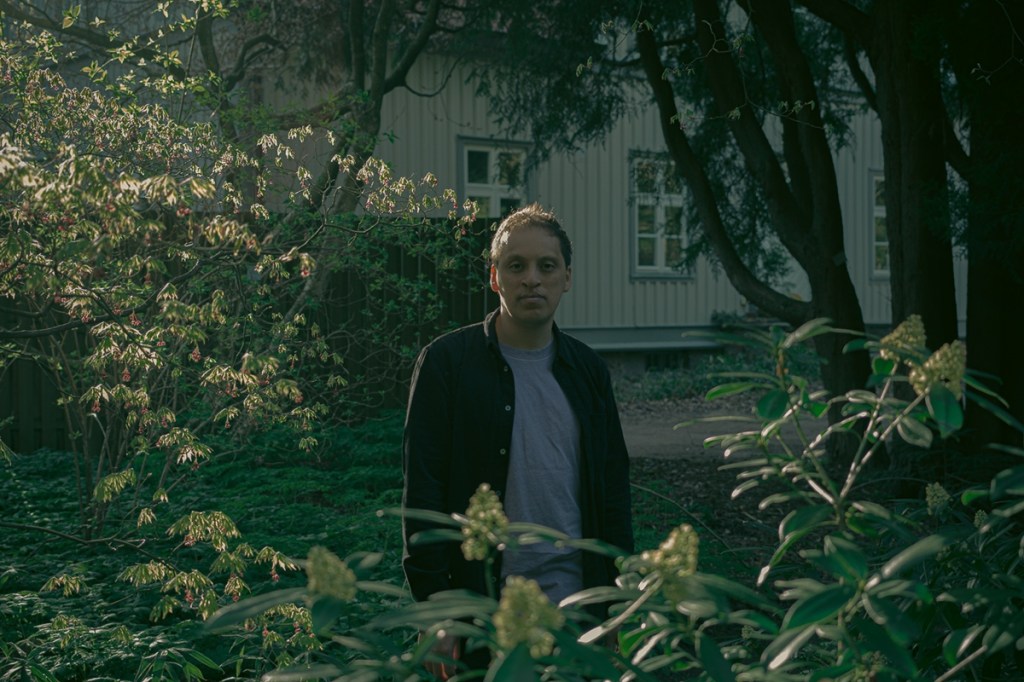
Tobias Karlehag, photo courtesy the artist

Tobias Karlehag’s “ORQUIDEA” progresses from hazy white noise background to bell tones struck and textural sounds of physical objects used to create the incandescent melodies to a place where the sound waves create a natural distortion on the recording. It grounds a reflective mood with a tangible presence of sound that conveys an organic tranquility that expands beyond the initial tonality as the bell sounds resonate out to create what sound like interference patterns droning onward and decaying into the distance as though approximating an abstraction of the dynamic of the flowers invoked in the title (orchids) as it opens up with its first bloom. It’s sounds like a meditation on delicate and often unseen natural processes that can seem mystical in real time and symbolic of the cycles of the universe. Listen to “ORQUIDEA” on Spotify and follow Tobias Karlehag at the links below.

Tobias Karlehag on Instagram

Tobias Karlehag LinkTree