Mantocliff establishes its own mysterious musical world on its single “Ocean.” The enigmatic lyrics like an ode to the ocean itself as a person of dark depths seem secondary to the slow swirling moods and shifting textures and free flow of layered atmospheric elements like a hazy and more abstract Hiatus Kaiyote. More downtempo and even more driven by a dream logic. In moments its reminiscent of the weirder end of Laurel Halo’s more recent works and highly processed vocals that don’t sit in a predictable style within loping rhythms that shouldn’t work because of how intermittent they seem but it creates an utterly idiosyncratic pace and structure that draws you into its avant pop dreaminess like an electronic Aldous Harding. Listen to “Ocean” on Spotify and follow Mantocliff at the links below.
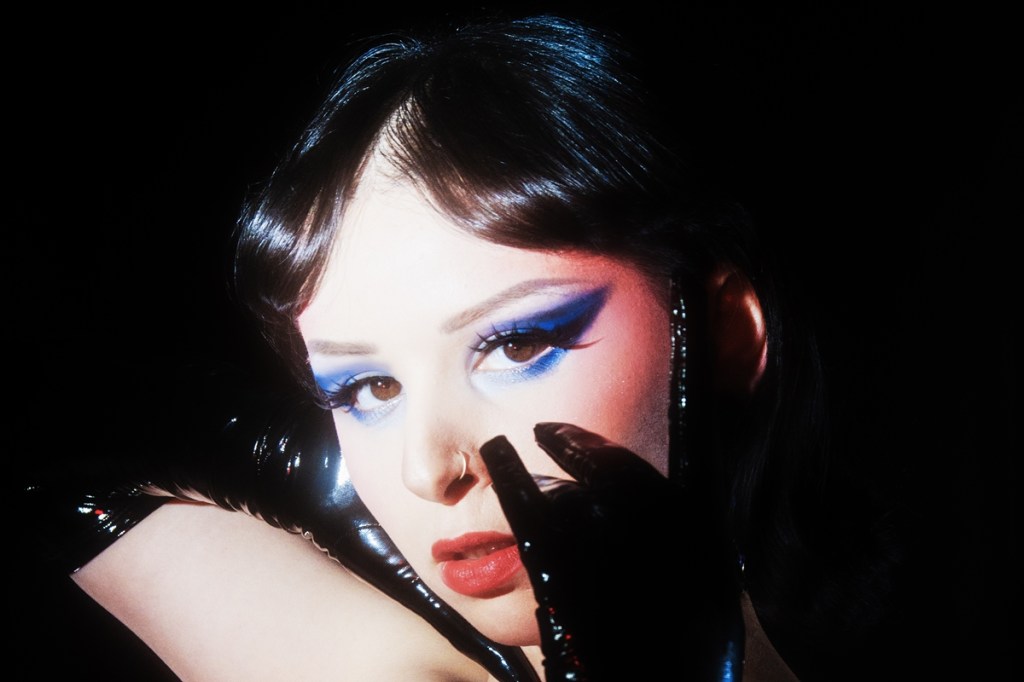
Madeline Goldstein’s use of saturated synth tones and her own wide-ranging, sultry vocals on “Seed of Doubt” is completely engulfing in a way you’d want to hear more often in music in the darkwave and synth pop spectrum. Fans of Patriarchy (the song has the same engineer, Matia Samovich, as Patriarchy’s excellent 2022 album The Unself) will find much to like in the perfect fusion of futuristic disco and Gary Numan-esque soundscapes. It has a similar emotional resonance as Tor Lundvall’s A Strangeness in Motion record in that it taps into a retro pop sound but sounds so modern in its dance beat sequencing it has as much in common with Goldfrapp as it does something in the realm of electronic Goth. With lyrics seemingly about conflicted relationships, desire and identity, “Seed of Doubt” is immediately compelling and riveting from its opening moments until the end. Goldstein is the front person for Portland, Oregon’s long-running synth punk band Fringe Class. After relocating to Los Angeles in 2019, Goldstein launched her solo project which has continued in an experimental vein but leaning more toward a pop sensibility that should be in the wheelhouse of anyone into the ways in which Electric Youth’s music synced so perfectly with the mood and atmosphere of Come True. Listen to “Seed of Doubt” on Spotify and follow Goldstein at the links below.
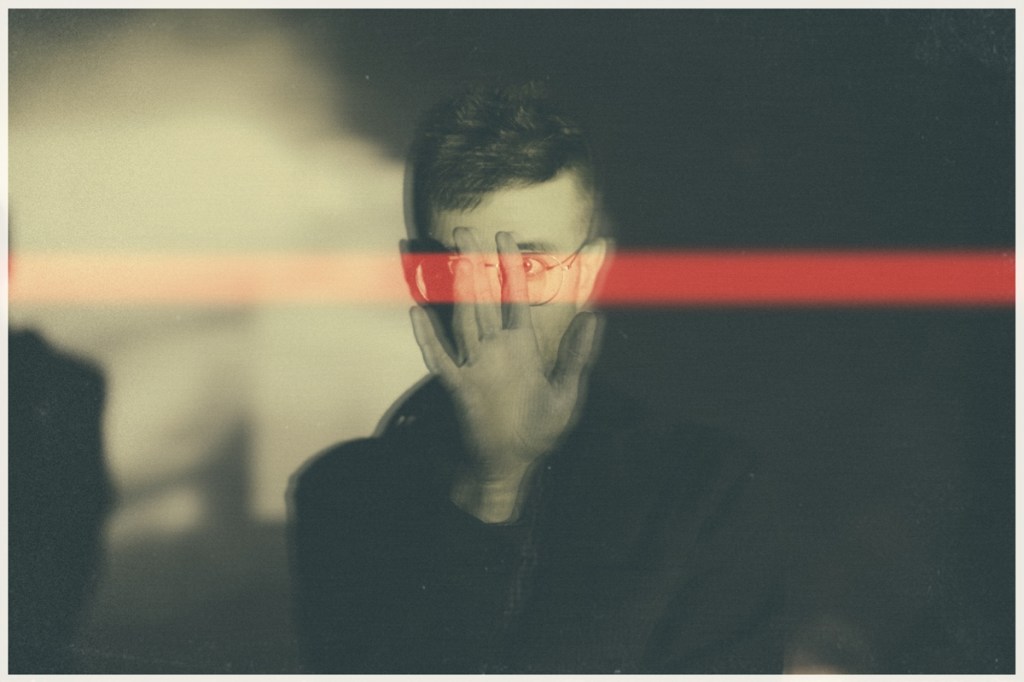
BÜNNI sounds like he deconstructed a New Age self-help video in crafting “A Helpful Guide.” The song with samples that are like a list of suggestions for deprogramming oneself from standard cultural conditioning and calling into question a personal complacency feels like an independent film short from the 1990s that would have appeared on cable access but shot to VHS. The music has a haunted quality with modern hip-hop rhythm style off the standard pop music time signature and processed vocals as a an instrument and a moody, slightly swirled melody that carries throughout in a dreamlike procession. The song works precisely because it is a subversion of expectations of what vocals should sound like in a pop song, how pacing needs to be to hook you and what the elements of melody and harmony is supposed to sound like. In challenging the listener to disconnect from everyday complacency and do something to make one’s life more meaningful now with even a small gesture that derails standard daily rituals the song’s sounds take one out of standard issue emotional responses. f Harmoy Korine makes another film, this music should be considered for the soundtrack. Listen to “A Helpful Guide” on Spotify and follow BÜNNI at the links provided.
Almost impressionistic tones incandesce throughout Elskavon’s “North Sole,” floating in cool drones, textural white noise fluttering like the breath of the musician crafting the track caught incidentally exerting the controls. But then ethereal voices come in with the bright melodic waves of melody. The music video appears to show an aging industrial seaside town and the music matches the slow and organic pace, fading out before a curiously black and white piece of footage of fireworks ends the visual presentation of the song. As ambient as the track is overall the presence of struck bells and other objects gives the song a grounding in the physical world that gives a tangible context to the drift of moods that is what draws you into its contemplative energy suggestive of finding comfort in familiar patterns of life that we take for granted and sometimes come to resent in our pursuit of what we think of as our life’s trajectory only to at some point seek out the experiences that shaped us in ways not so obvious until life experience erodes the filter of ego enough to reconcile the various strands of your lived experience. This song is a soundtrack to that process. Watch the video for “North Sole” on YouTube and follow Elskavon at the links provided. The full album Origins is due out February 17 on Western Vinyl.
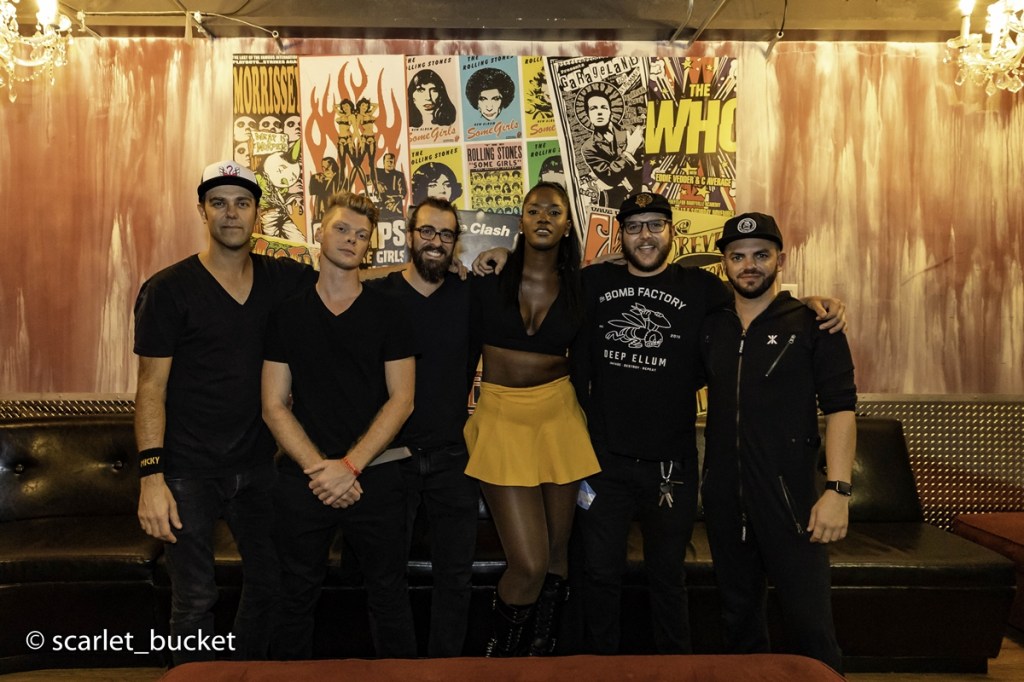
Doom Flamingo do a lot of stylistic time traveling on its single “303 Love.” Ross Bogan’s pulsing, ascending, distorted synth is like something out of a Daft Punk song and the commanding, sultry vocals of Kanika Moore are reminiscent of the R&B/soul of Sheila E. circa The Glamorous Life. The rhythm is all swinging, powerfully accented funk but the sound might be in the realm of synthwave especially with Thomas Kenney’s bombastic, processed guitar like the tasty licks from a 1980s pop song. It could all border on cheese with some of the throwback sensibilities because the musical alchemy works perfectly and the song feels like something very much in the moment and made for the modern dance floor. Listen to “303 Love,” might we assume it’s more a reference to a Roland bass synthesizer rather than the Colorado area code though that works too, on YouTube and follow Doom Flamingo which includes Ryan Stasik of Umphrey’s McGee fame at the links below.
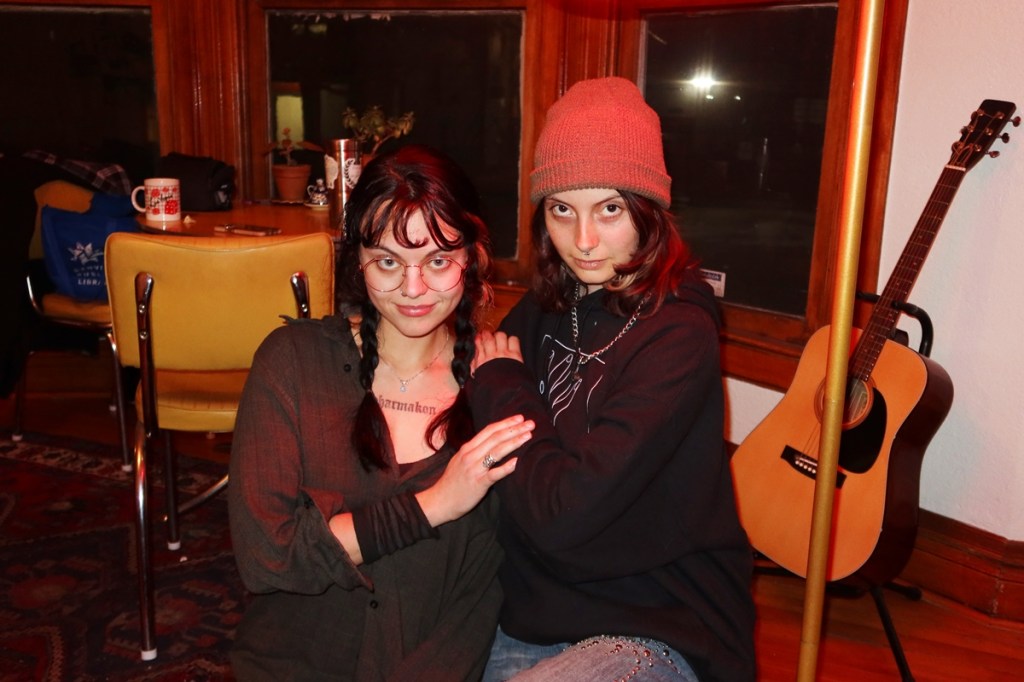
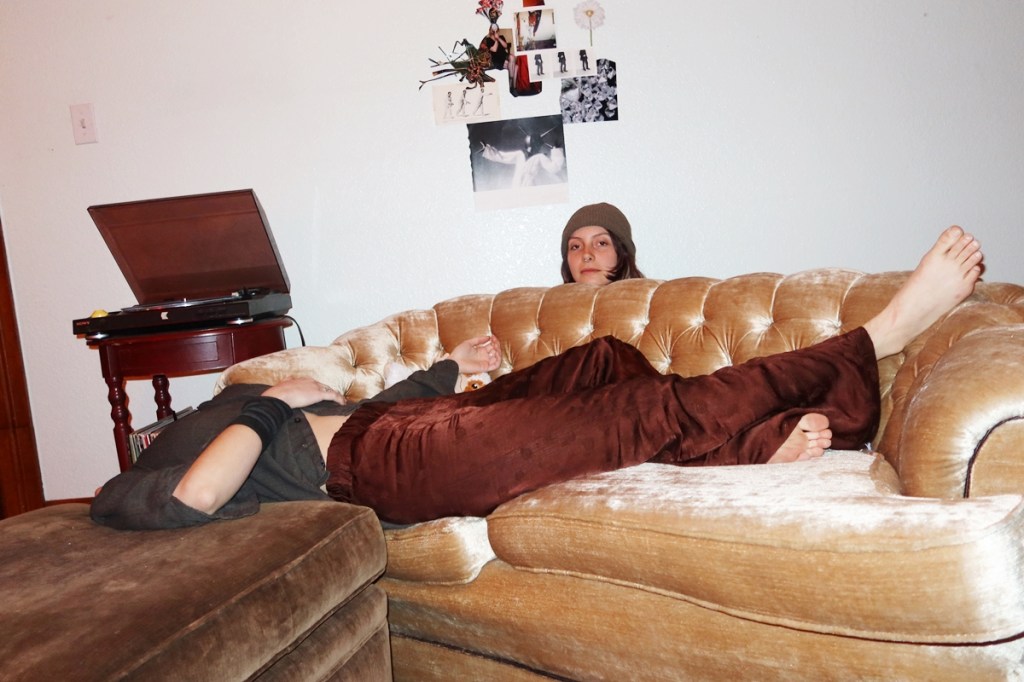
Pink Lady Monster is a Denver-based band that began as a vehicle for singer/guitarist/keyboardist/synth player Simone’s songwriting but began to take on its current form once Savanna joined the group on bass and synth and Gabe settled in long term on drums. Its early music might be loosely be described as in the realm of psychedelic rock or dream pop but since it began actively performing live in early 2022, Pink Lady Monster has branched out and incorporated more ambient soundscapes into its aesthetic and now the project is seeking to leave behind its softer more mellow sounds in favor of musical ideas that eschew conventional structure and favor songwriting that while perhaps still accessible veers off standard genre styles. Those that have seen its entrancing shows of 2022 may be in for a bit of a sonic departure in 2023 going forward. What music from the band exists online are often more like Simone’s early sketches of songs and as interesting as they are the live band that emerged out of those recordings is more of a force with an undeniable mystique and creatively vibrant. One might compare the music of 2022 to the likes of Blonde Redhead in its moodier moments and like Broadcast once the synth became involved in mix but you’ll have to see for yourself what Pink Lady Monster has been crafting until it releases the album reflecting its current state of development.
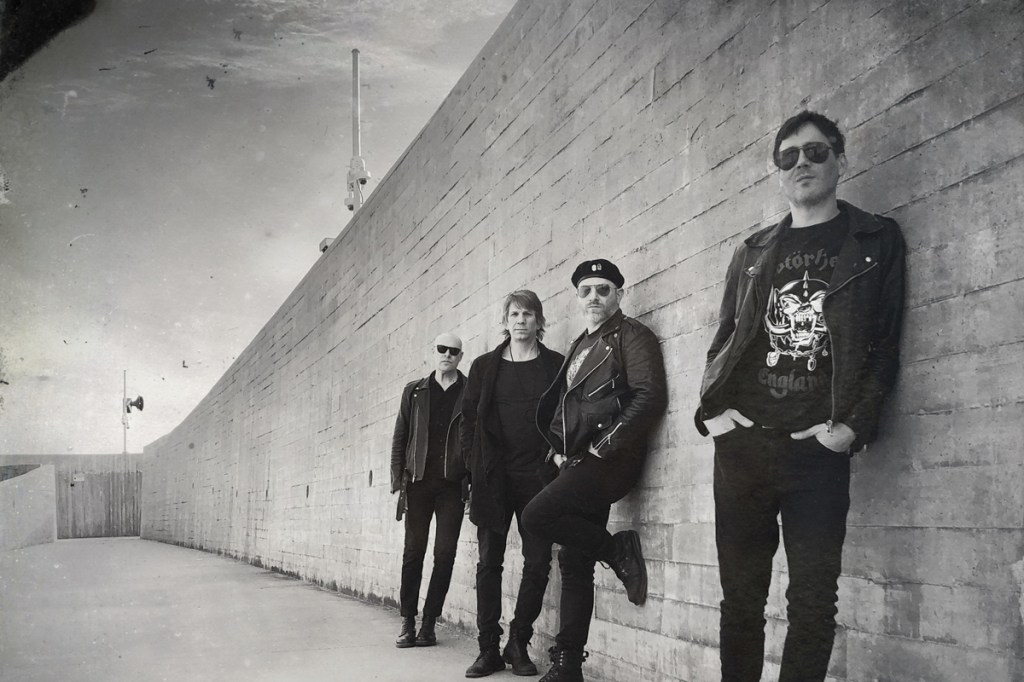
Blacklist was a flagship band of Pieter Schoolwerth’s Wierd Records label, the imprint that perhaps best known for 2000s and early 2010s post-punk, shoegaze, industrial and noise. The group in its initial run from 2005-2011 released one full-length album Midnight Of The Century (2009) but even then was establishing itself as distinctly different from other bands lumped into the then emerging modern coldwave and post-punk scene that would lead to the current version of that movement. Blacklist incorporated elements of metal and clear, melodic vocals with crisp production. It’s astutely observed, politically aware lyrics one might even compare, given the music especially, to late 80s Queensryche or Vision Thing-period Sisters of Mercy. At that time a new uptick of fascism beyond the prevailing authoritarian swing of world politics was making itself known, blossoming toward the middle of the 2010s onward. After an extended hiatus Blacklist returned with Afterworld (Profound Lore Records, October 28, 2022). The new record builds upon while more or less reinventing its earlier sound somehow evoking shades of Comsat Angels, Fields of the Nephilim and the aforementioned with emotionally charged commentary on the world in this moment and the larger challenges human society faces with the environment, persistent social ills and political turmoil and inequality (all of which are deeply intermingled) but with a personal touch. The music doesn’t shy away from artful melodrama and in not adhering to trendy post-punk or metal aesthetics. The production on the album is multi-resonant and feels like a time-bridging sound of 80s rock and its emotionally earnest quality with a more contemporary ear for nuanced depth of mood. It sounds unmoored from and unbeholden to a particular cultural timeframe or context and a more enriching listen because of it.
Listen to our interview with vocalist and multi-instrumentalist Joshua Strachan of Blacklist on Bandcamp and follow the group’s exploits at the links below.
The Holy Fawn remix of Heron’s 2019 song “Moon Data” takes the smooth, unearthly ethereal track and adds some haze and grit. It also turns an organic post-rock style song into something with a more electronic aesthetic, enhancing the synths and adding in a melodic arpeggio all to put some momentum behind the inherently majestic beauty of the original. Holy Fawn colored in some of the spaces without losing a sense of expansive wonder and mystery that Heron crafted. And in the last half Holy Fawn injects a distorted intensity that amplifies the dramatic aspects of the songs beyond the red, feral vocals burning through and buoyed by the pulsing synth before burning out into motes of tone and warping melodies echoing into the cold darkness before fading into abstract sounds. It’s the kind of remix that more or less transforms the work into something with a new resonance rather than enhance and augment what was already in place and in doing so imbues it with a musical life of its own. Listen to the Holy Fawn remix of Heron’s “Moon Data” on YouTube and follow Heron at the links below.
Dephree employs an eclectic and evocative beat for “Start Again.” Moody and chilly synths in the proper moments, hard hitting percussion and in the beginning a touch of guitar to provide a bit of both texture and rhythm. It’s a song about hoping he hasn’t gone too far down a path of self-destruction that has impacts for the people around him to make the proper amends by first breaking out of a vicious cycle of substance abuse and the unfortunate behaviors and activities that almost always support being caught up in that habit. Whether being in that moment of life came out of not having the proper coping mechanisms to deal with emotional trauma, in the song we hear a desire to make a break with it and to not keep on making apologies no one wants and to take the pain and self-hatred and not so self-hatred to overcome the personal demons that keep one unable to be consistent in living a proper and healthy life. The production on the song is clearly out of a more old school hip-hop approach and the alternative end of that and one hears what might be shades of an homage to influences here and there throughout the track but in embracing an aesthetic out of step with many tropes of the genre now prevalent it makes the point in not only word but sound and sure it’s a bit of a gimmick but wait until the end of the song for a nice symbolic exclamation point of intent. Listen to “Start Again” on YouTube and follow Dephree at the links provided.
What make’s GLOSSER’s single “The Artist” particularly effective and standout is how its musical elements establish undeniable melodic hooks but with the emphasis in the rhythm. A clipped bass line in sync with the spare percussion accompany vocals with the most light of effects to give it some glow is the foundation but then the song drops off into spaces of warmly ethereal synths as though free falling slowly before the rhythm picks back up and a simple keyboard melody eases the song back into its verses. Keynotes of background tonal harmonies and the most minimal of drones add a moody detail the lends the track a complexity of soundscaping that is subtle and tasteful and again enhances the main feature of the vocals lyrics about the struggle to balance one’s humanity and genuine emotional life and that of engaging in creative work that will meet an inevitable public. But in order to make resonant work the sensitivity and vulnerability that can’t be faked, that must come from a core, genuine place in order to really reach anyone or be a an expression worth putting into a coherent form which can be more raw for some people to really appreciate and too real and that risks a rejection or critique that doesn’t match that sensitivity and emotional nuance. The song’s lyrics vividly depict that internal process in a way relatable whether or not you’re an artist because just to get through life we often have to present a mediated version of ourselves which can create a tension inside our minds that can feel like a perpetual attempt to appeal to people or a situation that is more demanding than nurturing. GLOSSER was just able to distill the ordeal and reconciliation into a soulful, unconventional earworm of a pop song. Listen to “The Artist” on YouTube and follow GLOSSER at the links below. Look out for the full album DOWNER out January 27, 2023.







 Queen City Sounds and Art
You must be logged in to post a comment.