Denver-based electronic rock band The Drood has long tapped into the dark side of society and the gloomier places in the psyche for inspiration. Its entrancing soundscapes travel that line uniting ambient soundscapes, art rock, psychedelia, noise and what these days might be called darkwave. Its latest offering is the single “It Must Needs Wither.” The music video represents the first full collaboration between The Drood and Tom Nelsen of Sense From Nonsense and industrial post-punk legends Echo Beds. An abstracted figure seems to sing in the video like a hologram from an ancient civilization delivering a warning to a future society that might imagine itself invulnerable and tough and blinded by hubris to the limitations of the source of its power and the efficacy of what it perceives to be its ability to take on unprecedented challenges. The song was inspired by Shakespeare’s Othello with a dedication to the memory of the millions of people who have died in the last two years of the pandemic thus far largely due to the folly of the collective ideological orientation of most world leaders and those in power and of those who have adopted the values those who see them as lazy, cogs in the world machine and otherwise a drag on the rapid transfer of wealth to the one percent of the one percent even in the face of global disaster. The song has a gentle energy and expresses a despair at the situation as it unfolded and now stands and the visual representation as crafted by Nelsen uses the imagery of dystopian science fiction to bridge the gap between the dissociation of the need to get through these times and the deep emotional impact that has worn on and continues to weight on the psyches of people worldwide. Watch the video on YouTube and follow The Drood at the links provided. Also linked below is the Instagram for Sense From Nonsense where Nelsen has been sharing his creative short films each with a unique soundtrack.
Gus Englehorn appears as a charismatic Christian minister in the video for “Exercise Your Demons” in full sales/charlatan mode, suit, headset mic and all. But this far too convincing strangeness goes into an exercise video like you’d see on late night TV but this one blurring the metaphor of exorcism and exercise as in to bring forth one’s demons and let them fly out for a change instead of holding them in or trying to expunge them from the psyche. This all set to a propulsive guitar jangle pop song and Englehorn’s always bizarrely fun and unique vocals. When Englehorn repeats mantra-like the lines “young and dumb,” “for years to come” and “I was so dumb” you recognize that truth and regret for yourself. The combination of spoken word and singing on the tracks from the singer-songwriter’s forthcoming album Dungeon Master (due out April 29, 2022 on Secret City Records, pre-order here) combined with eerie yet cheerful synths and unexpectedly solid pop songcraft including this track promise one of the standout albums of 2022 in terms of originality and making odd yet incredibly relatable ideas accessible through a cultural insight that only coming at subjects from an idiosyncratic angle and yield.
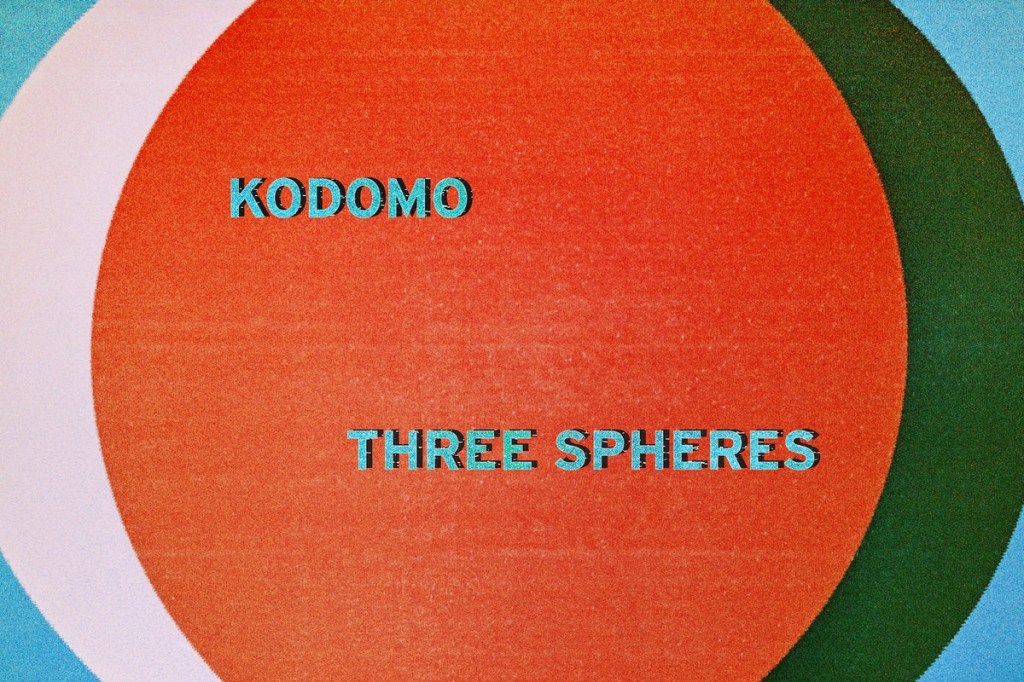
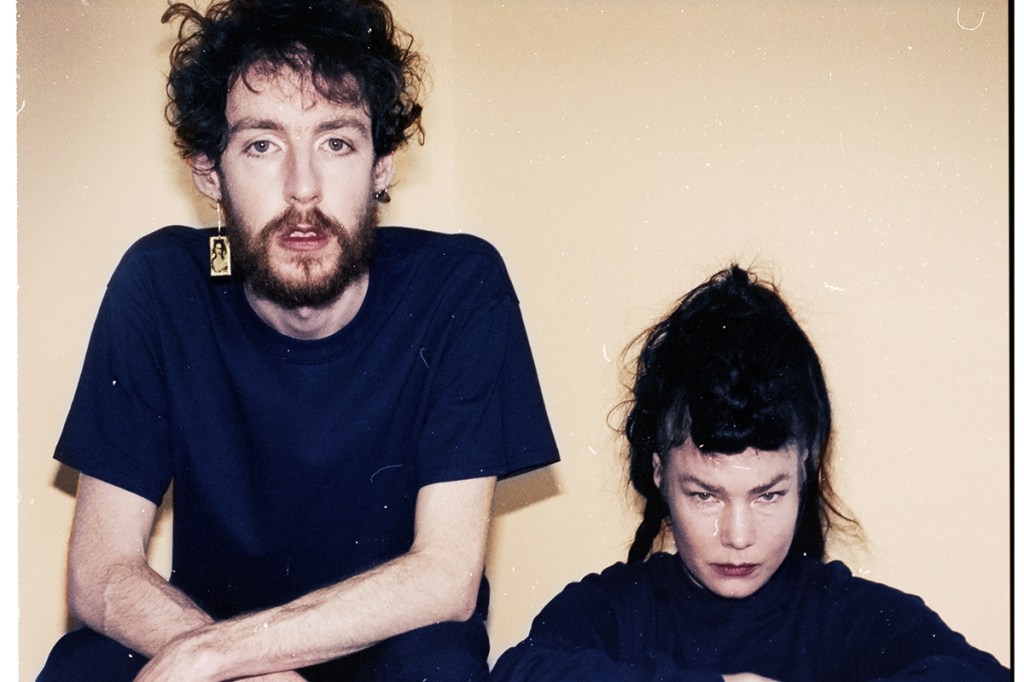
This fourth Kodomo album emerged from the isolation of the early pandemic of 2020. Plenty of uninspired and unfocused creative work came out of the chaos and uncertainty of that time. But there’s a focus to these meditative slices of IDM techno. Perhaps titles like “A Meditation On Anxiety,” “Invisible Lines” and “Radio Bursts” immediately recall the era of lockdown. But the gorgeously orchestrated drifts of tone carried along on shifting/shuffling flows of percussion are transporting in a way that is hard to achieve unless your imagination is allowed to be unmoored from the demands of everyday life as we usually know it with the pressures to deliver on the most mundane tasks that a properly functioning, technological society would automate with the capacity of humans to create spontaneously and to use our emotional and intellectual capacity for more engaging and mutually nurturing purposes. Maybe Chris Child, aka Kodomo, had some time away from life the endless grind of “normal” life, the one we’ve come to expect and to which we’ve become accustomed even though it’s been eroding society from within for decades. These songs are unhurried but do not feel self-indulgent. They combine a classical music sensibility in the Twentieth Century sense of combining minimalsim, the avant-garde and modal experimentation. But nothing feels academic here. Rather, it feels spontaneous and in the moment though clearly produced and composed.
Child seems to tap into the images and emotions that struck him poignantly, the dark thoughts in the most challenging psychological spaces and channeled that into compositions that express the sublime moments taken from days when we were all forced to reconsider what kind of world we were living in and the world we wanted and could have if we had the collective will. And the days when everything felt like it could collapse and the pandemic would never end (and it has not as of the time of this writing) and if it did, what horrible new pandemics we know about lurking on the edge of civilization would burn through our institutions and lack of defenses both medically and socially and make COVID-19 seem mild by comparison. These anxieties hover at the edges of these songs intermingling with a perhaps foolish hope that we’ll get through this with minimal destruction.
What is most striking from the perspective of imagining the worlds the sounds on this album conjure in your mind. The synth sounds are like something out of one of those post-apocalyptic or post-disaster 1980s science fiction movies where most humans are gone as in The Quiet Earth or abandoned places normally forbidden access like The Zone from Tarkovsky’s Stalker. There is a sense of wandering empty streets and taking note of how the world exists minus as much of the footprint of humanity as there had been has been since lockdowns have largely been lifted. Child’s ability to recall these experiences for the creation of the sonic equivalent of that sense of mystery and wonder in familiar places that makes this album transcend something as predictable and as obvious as a “pandemic record.” His mastery of ambient drones and almost generative electronic streams of sound combines an 8-bit video game aesthetic and clear tonal lines with layers of atmospheric textures and flowing vistas of minimal melody. Science fiction is always a commentary on the the present projected into the future and Three Spheres took the mood of the time and extrapolated upon a perhaps near future when the capacity to use one’s imagination to process confusion, raging anxiety, uncertainty and isolation to survive the disasters we already know are coming down the pike as world governments still refuse to address climate change which impacts the coming of pandemics, the distribution of resources, our ability to produce food, our capacity for sourcing clean water and the effects all have on political stability crucial to having a coherent and effective response. Certainly an album isn’t going to solve those problems but it’s good to be able to imagine a future when despite challenges we can find ways to not completely collapse if we need to.
A tonal wind in the distance brings us in to Belief’s single “Ulu” before a steady minimal beat indicates the next phase of the song. Although that wind persists like an emotional context for the song, a lightly distorted synth melody flares falls in the mix, subtle winding drones whisper in the middle distance, a simple, light electronic bass line joins the shuffling rhythm that takes over as the melancholic wind fades to be replaced by a hazy keyboard figure. But the motifs return before the outro and the mood is reminiscent of late 2000s minimal and dub techno, with roots in 90s dance-oriented IDM, in its evocation of a soothingly chill atmosphere of deep contemplation. The project is comprised of Stella Mozgawa (perhaps best known as the drummer for Warpaint whose considerable skills and perceptive ear has contributed to records by Kurt Vile, Kim Gordon, Cate Le Bon, Courtney Barnett and others) and Bryan Hollon aka Boom Bip (who is in the electronic group Neon Neon, in which Mozgawa once toured) and if this track is any indication it taps into their collective knack for generating textures and soundscapes with rhythms to anchor the emotional imagery in your brain with a gentle touch. Listen to “Ulu” on YouTube and follow Belief at the links below.
“The Time” by Brisa Roché & IX is clearly steeped in electronic club music with the expert production in the synths and beats organized in the kinds of chapters you’d set up in Ableton Live or another platform for composing and performing modern electronic music. But the aesthetics of the song are reminiscent of the charm of lo-fi pop music but with a feel like something more intimate than the average bedroom pop song you’re likely to hear now that the format has gone from underground to live in large concert halls and even stadiums. And that delicacy of feeling suits a song about wanting to return to a time in a relationship not when things seemed new or other such clichés but to a place in life summed up nicely in the line “How I long for the time when we took the time.” You know, when things don’t seem rushed when you make space for each other and can give the relationship and the special bond you feel the time and energy it deserves. There is an air of nostalgia but it’s not the variety that mourns a past that will never be again but an expression for a fondness for a time that can be again if the people involved can find a way to prioritize what they have together. It can be a challenge given the demands of modern life and trying to live as an adult but Brisa Roché & IX suggest that knowing it’s possible means it can happen again given the will to make it so. Listen to “The Time” on YouTube, look for the forthcoming album BRMD from which the track is taken and connect with the Dutch duo at the links below.
“Archangel” closes out Bryce Terry’s new EP Nine Hundred and Ninety-Nine Papercuts. After the perilous soundscape of “Asylum” and its nervous energy like being in the head of someone running from a mysterious threat and wandering to safer space and the jittery, percussion driven rhythms of “Acetone,” “Archangel” seems like a fusion of Terry’s creative instincts and methods for this release in combining a minimal techno style in the production but with the moody and unpredictable directions one might expect from an IDM track. The almost vocal sound near the beginning of the sounds like an announcement made indistinct by distance but not by volume. A shuffling beat and the motif of that announcement sound accenting the paces of the song that feels like an urgent walk bolstered by bright arpeggios of melody to suggest a focus with a clear destination in mind, a sense of mission punctuated by moments of contemplation manifested as linger, low end pulses. By the end of the song the ethereal drone that floats over all the frenetic energy of the rhythm unites for a denouement of reaching the end of a road of amplified activity. Listen to “Archangel” on Spotify as well as the rest of the Nine Hundred and Ninety-Nine Papercuts EP and connect with Terry at the links below.
With figures animal heads (maybe a llama, dogs, rabbit, birds) frolicking as if in an animated collage of classical paintings and later fish swimming in the painting of a sea dissolving to reveal an aquarium in which one of the aforementioned figures is sprinkling in fish food flakes, the video for SeepeopleS’ single “Two Silhouettes” should seem extremely weird. But the delicate psychedelic, chill country pop flavor of the song makes the bizarre seem accessible especially if you’re already someone that has long appreciated the surreal and you grew up with Yellow Submarine, The Krofft Supershow series and Nickelodeon’s Calliope program. The shimmer on the guitar work like pedal steel in the context of the band’s genre-bending instincts this time threading chamber pop with countrified freak folk makes the tone of melancholic acceptance and wistful nostalgia of the song seem more poignant and hit a little harder. Songs about breakups can be a little corny but this one really expresses poetically how your limitations as a human and the little mistakes you feel you made can really come back to haunt you. Watch the video for “Two Silhouettes” on YouTube, connect with the pop rebels SeepeopleS at the links below and look for the release of the group’s eighth album Field Guide For Survival In This Dying World on their own RascalZRecordZ imprint later in 2022.
Circle Jerks at Ogden Theatre 3/19 2022 photo by Tom Murphy
Keith Morris opened the Circle Jerks set with a statement about why they were playing Herb Alpert & The Tijuana Brass over the sound system before the show. He explained that one of the guys that started A&M Records wanted to sign the Jerks but they ended up not doing so but that maybe Herb Albert heard the band while recording Group Sex or Wild in the Streets and commented on what he was hearing. After this impromptu bit of history as anecdote Morris mentioned how they were here to celebrate the reissue of two albums that came out some forty years ago and then the band went headlong into the set as a reminder of how Circle Jerks’ music has retained its power and relevancy because we’re in the grips of another right wing wave of conservative culture but one more virulent.
The music was a bracing reminder of how powerful the Jerks were from the beginning but even Morris and guitarist Greg Hetson wore t-shirts of a couple of the Los Angeles area punk bands that were perhaps an influence on their own trajectory with Morris in a Weirdos shirt and Hetson in one of Bags with Alice Bag’s face prominent. The image of the Circle Jerks from the name of the band to their presentation is of conscious middle and working class angst and rebellion against the conformity and bland and safe mediocrity that ensured a level of comfort that made insipid and destructive groups like the Moral Majority (and thus the title of the song) possible and the mentality that lead to it something easy to critique with the spirited irreverence of the band’s music. Maybe there wasn’t as much acrobatic performance as in the early 80s but the intensity was still there and maybe Morris sings better than he has before with ample commentary on the crowd and the situations we’re in in his inimitable incisive yet slackery and self-deprecating wit, the kind it’s impossible to not find a little charming.
Keith Morris of Circle Jerks at Ogden Theatre 3/19/22 photo by Tom Murphy
But throughout the show it was stunning and a little alarming to realize the subjects of so many of the songs have aged well because America has simple regressed and because our country and the world has failed to address the issues that inspired those songs back then we’re dealing with them all over again. “Live Fast Die Young” has Morris singing about how he doesn’t want to die in a nuclear war and didn’t we think that was mostly over a remote possibility at best once the USSR fell? But instead of working to dismantle all of them the temptation to retain that power “just in case” has certain world leaders threatening nuclear destruction all over again. No real attempt to reign in the influence and power of unchecked economic influence and power? Seems “When the Shit Hits the Fan” has some choice, sardonic commentary on how people are going to have to do the best they can. Pitting the powerless against each other and then things go awry when various factions in society take things too far? “Coup D’etat” is far too real in more ways than would be fun to discuss and while not an exact analog it seems fairly poignant considering the imperial wars America engaged in beyond overthrowing democratic leaders in Latin America and the Middle East to full on occupation.
Across thirty-three songs (who counted, Morris just made some comment to this effect) the Jerks not only put forth an engaging and ferocious punk show but also demonstrated how the form of music is still a vehicle for having fun while making some of the most astute and relatable commentary on social issues and events in a way accessible and inclusive.
Circle Jerks at Ogden Theatre 3/19/22 photo by Tom Murphy
Partial set list at best and not in order: Live Fast Die Young Back Against the Wall Moral Majority Coup D’etat World Up My Ass When The Shit Hits the Fan Beverly Hills Wasted Wild In the Streets Junk Mail In Your Eyes
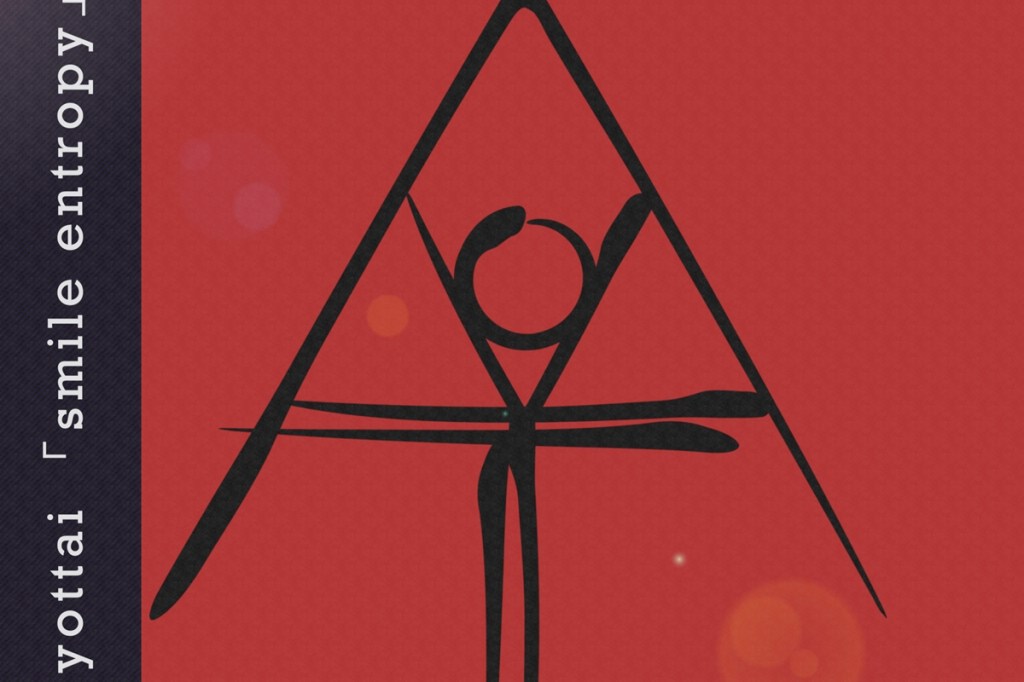
When “smile entropy” begins you might think Estonian witch house project yottai is giving us a kinder, gentler experimental techno track. But when the vocals come in there is something alien yet welcoming amidst tonal swells, drones and processed beats. You feel like you’re listening to a song in reverse with a beat that moves in forward motion. The music video for the song makes this effect explicit with lyrics displayed in mirror image. While one vocal is distorted and almost in call and response fashion accenting the main vocal line the other sounds pitch shifted and effected to make it more a sound in the music more than words with any essential meaning. And that may be one aspect of the treatment of those vocals but overall the song takes you out of normal time, like a compound time signature strategy to the rhythm that opens up the possibilities of where the song can go and the moods it can evoke. The song is thus reminiscent of Tara the Android’s video for “I Feel Fantastic” as done by John Bergeron. Here the music is also subversive and sonically creative but not creepy, like if Tara went on to be an underground techno star after her pop career didn’t quite pan out as hoped. Watch the video for “smile entropy” on YouTube and follow yottai at the links below.
Veronica Charnley of Plumes mixes a Twentieth Century classical sensibility and indie pop. The single “When I Walk In” as depicted in the visually striking music video is written almost like one side of telephone conversation between people in the cryptic beginnings of a deeply atmospheric thriller. The scenes of a getaway cottage in the American west near a mountainous landscape. There is something ominous in the tone of the song though it is also introspective and beautiful in its leisurely pace. The intricate piano figures seem to sketch the outlines of the arc of emotions in their complexity. The lyrics are the words of someone who felt a special connection with another person with the tender feelings and fondness lingering even though it seems obvious something is off though perhaps things are not at an end but in need of examining if and where things went awry as there is no attempt to villainize in Charnley’s words. Could be a figment of my imagination but I hear a nod to Debussy’s “Arabesque No. 1” in the structure and mood of the final third of the song which enhances an air of mystery to the song that also allows for a song of potentially mixed emotions resolve with a sense of satisfaction. Watch the video for “When I Walk In” on YouTube and follow Plumes at the links below.









 Queen City Sounds and Art
You must be logged in to post a comment.